
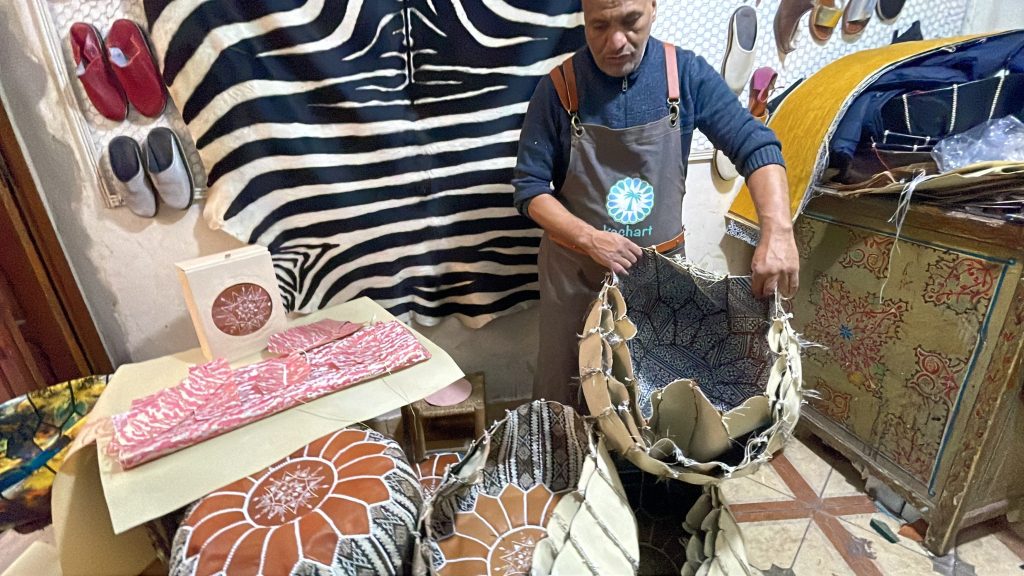
Are you wondering what the best stuffing for your pouf is? Choosing the right filling can make all the difference in comfort, durability, and style.
Whether you want a pouf that’s soft and squishy or firm and supportive, the stuffing you pick will shape your experience. Keep reading to discover the top options that will transform your pouf into the perfect spot for relaxing, lounging, or adding a cozy touch to your space.
Your ideal pouf is just a few choices away!
Types Of Pouf Stuffing
Choosing the right stuffing for your pouf affects not only its comfort but also its durability and style. Different types of fillings offer unique benefits and challenges, so understanding each option can help you pick the best fit for your space and needs.
Natural Fillings
Natural fillings like cotton, wool, and kapok provide a soft, breathable feel. These materials are eco-friendly and often hypoallergenic, which makes them great for those sensitive to synthetic fibers.
However, natural fillings may compress faster over time, requiring regular fluffing to maintain shape. If you value sustainability and a cozy touch, these are worth considering.
Synthetic Fillings
Synthetic options such as polyester fiberfill and foam beads deliver excellent resilience and shape retention. They resist moisture and allergens better than natural fillings, making them easier to maintain.
One downside is that they might not feel as breathable or soft as natural materials. Still, if you want a low-maintenance pouf that keeps its form, synthetic stuffing can be a smart choice.
Hybrid Options
Hybrid stuffing combines natural and synthetic materials to balance comfort, durability, and ease of care. For example, a mix of shredded foam and cotton can offer softness with better support.
This option lets you tailor your pouf’s feel to your preference. Would you prefer a pouf that’s firm but still inviting? Hybrid stuffing might give you the best of both worlds.

Credit: www.frecklesandco.com
Benefits Of Different Stuffings
Choosing the right stuffing for your pouf can change how you use and enjoy it every day. Different fillings offer unique benefits that affect comfort, durability, and even environmental impact. Understanding these benefits helps you pick a stuffing that fits your lifestyle and needs perfectly.
Comfort And Support
Your pouf’s stuffing determines how it feels when you sit or rest your feet on it. Some fillings, like memory foam, contour to your body, offering excellent support and relieving pressure points. Others, such as polyester fiberfill, provide a softer, cushier experience that’s great for casual lounging.
Think about how you plan to use your pouf. Do you want firm support for sitting, or a plush, cozy surface for relaxing? The right stuffing can make your pouf a comfortable spot you’ll want to use every day.
Durability
Not all stuffing materials hold up the same over time. High-density foam tends to keep its shape longer, making it ideal if you expect heavy or frequent use. On the other hand, loose fillings like beans or beads might flatten or shift, requiring regular fluffing or refilling.
Consider how often your pouf will get used and how much maintenance you’re willing to do. Choosing a stuffing that lasts can save you time and money in the long run.
Eco-friendliness
More people want furniture that’s kind to the planet, and pouf stuffing is no exception. Natural options like buckwheat hulls or recycled cotton reduce waste and avoid harmful chemicals. Synthetic options, while often more affordable, can have a bigger environmental footprint.
Would you prefer stuffing that’s biodegradable or made from recycled materials? Selecting eco-friendly stuffing can make your pouf a small but meaningful step toward greener living.
Choosing Stuffing Based On Pouf Use
Choosing the right stuffing depends on how you use your pouf. Soft stuffing works well for footrests, while firmer filling suits seating. Consider comfort and shape to find the best fit.
Choosing the right stuffing for your pouf can enhance its function and comfort. Each type of stuffing offers unique benefits. Consider how you plan to use your pouf. Whether for seating, as a footrest, or purely decorative, the stuffing makes a difference.For Seating
When used for seating, durability is key. Choose a stuffing that supports weight without losing shape. Foam beads are a popular choice. They provide firm support and maintain structure. Alternatively, try shredded memory foam. It molds to the body, offering comfort and support. Ensure the pouf is firm enough to sit comfortably for extended periods.For Footrests
For footrests, comfort is essential. Soft stuffing materials work best here. Polyfill is a great option. It is soft and molds to your feet. Bean bag filling is another choice. It offers a unique blend of softness and support. Ensure the pouf is not too firm, so your feet can rest comfortably.For Decorative Purposes
Decorative poufs prioritize aesthetics over function. Lightweight stuffing works well. Use polyester fiberfill. It holds shape while being lightweight. Cotton batting is another choice. It offers a soft, plush look. Ensure the pouf maintains its appearance and matches your decor style.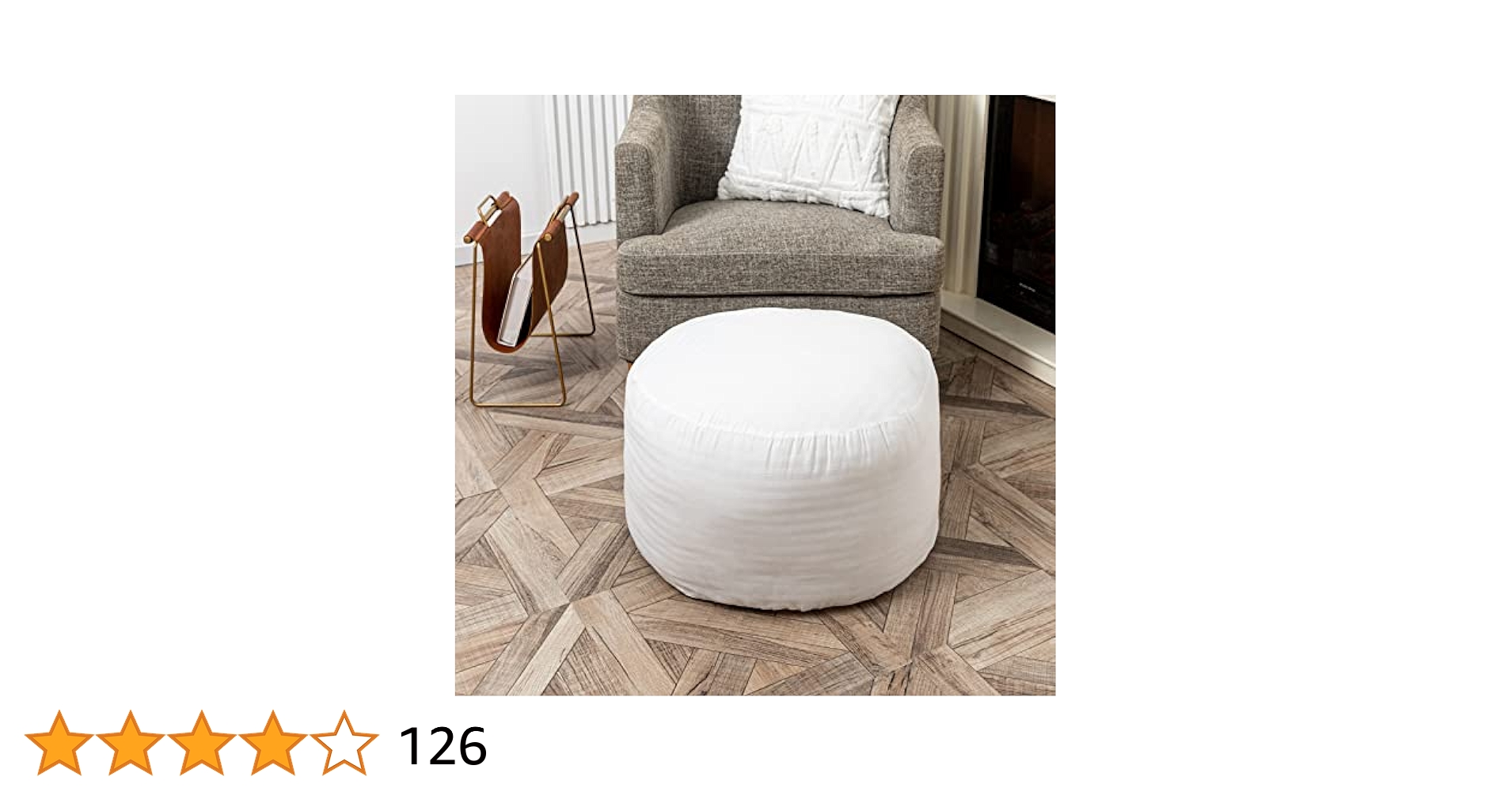
Credit: www.amazon.ca
Maintenance And Longevity
Keeping your pouf in great shape depends a lot on how you maintain its stuffing. The right care extends its comfort and look, saving you from frequent replacements. Think of your pouf as an investment—treating its stuffing well means it stays cozy and supportive for years.
Cleaning Tips
Stuffing materials like foam or beads can trap dust and odors over time. To keep your pouf fresh, regularly vacuum the surface to remove dirt. Spot clean spills immediately with a mild detergent and a damp cloth to prevent stains from setting.
If your pouf has a removable cover, wash it according to the care label instructions. Avoid soaking or harsh chemicals that can damage the stuffing inside. Air it out occasionally to prevent moisture buildup, which can cause mold or odors.
Refilling And Replacement
Stuffing loses its shape and support after long use. Notice your pouf feels flat or uneven? It might be time to add new filling. Polyfill or EPS beads are popular options that restore softness and firmness.
Refilling is usually simple—open the zipper or seam carefully and add stuffing until the pouf feels just right. If the existing stuffing is clumped or smelly, replace it completely for a fresh start. Does your favorite pouf deserve a stuffing makeover to bring back its charm?
Avoiding Common Issues
Overstuffing can make your pouf hard and uncomfortable, while underfilling leads to sagging and poor support. Balance is key. Also, avoid exposing your pouf to direct sunlight for long periods; UV rays can break down stuffing fibers and cause fading.
Keep sharp objects away to prevent tears that let stuffing escape. Regularly check seams for wear and repair small holes promptly. A little attention goes a long way in preserving your pouf’s comfort and appearance.
Cost Considerations
Cost plays a big role in choosing the best stuffing for a pouf. The price depends on the material quality and durability. Some options cost less but may wear out faster. Others require a bigger budget but last longer. Understanding cost helps pick the right balance for your needs and wallet.
Budget-friendly Options
Polyester fiberfill is a popular budget choice. It is soft and lightweight. This stuffing is easy to find and inexpensive. Foam beads also offer a low-cost option. Both choices work well for casual use. Expect to replace these fillings more often.
Investment Choices
Memory foam provides firm support and comfort. It costs more but holds shape for years. Natural materials like buckwheat hulls are eco-friendly and durable. These options suit long-term use and better quality poufs. They often improve sitting comfort significantly.
Value For Money
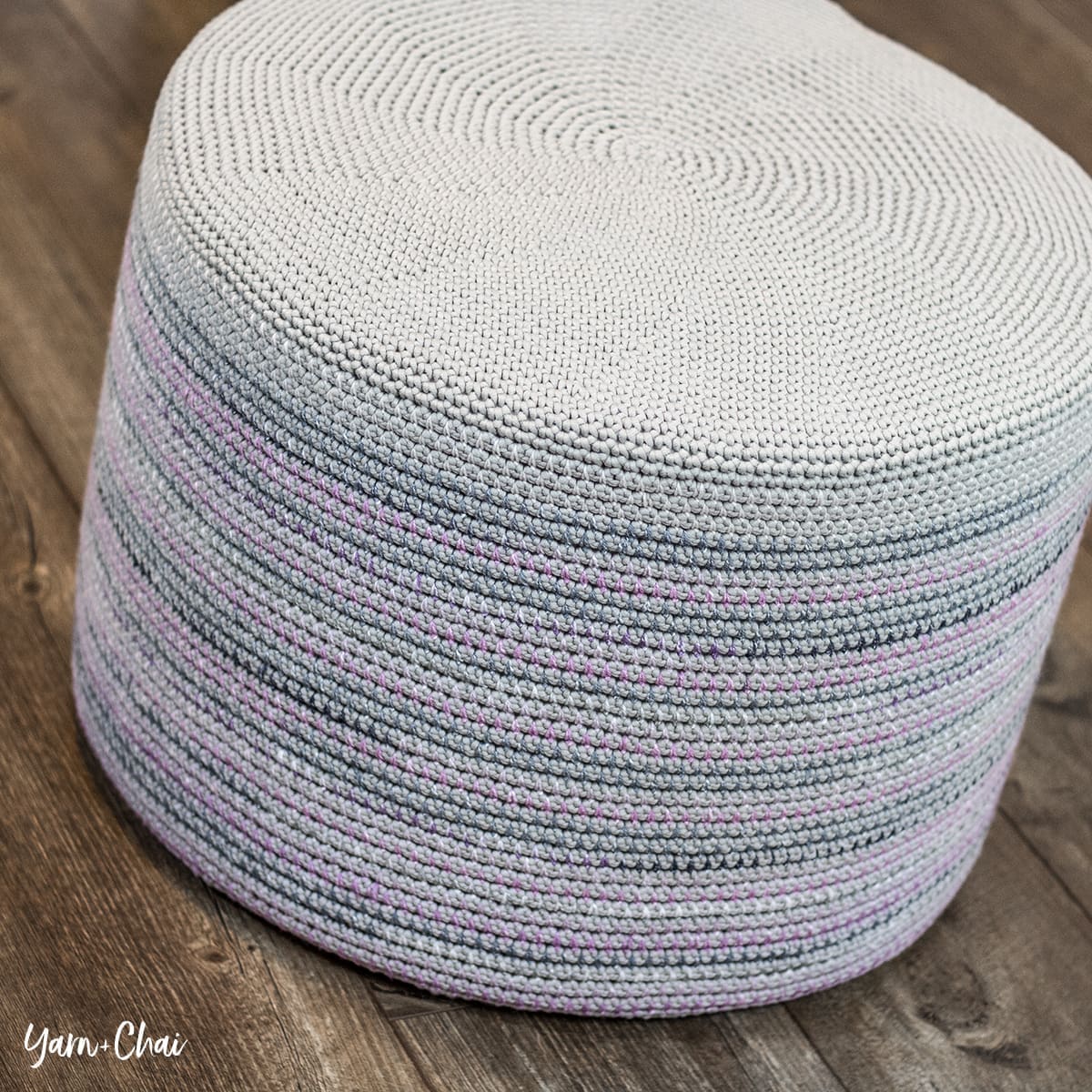
Look for stuffing that balances price and lifespan. Durable materials save money by lasting longer. Also, consider how often you use the pouf. For frequent use, invest in stronger stuffing. For occasional use, budget options may be enough.
Credit: yarnandchai.com
Where To Buy Quality Pouf Stuffing
Finding the right stuffing for your pouf is key to comfort and durability. Quality filling affects shape, firmness, and how long your pouf lasts. Choosing the right source for stuffing ensures you get the best material for your needs. Here are some places to buy quality pouf stuffing.
Online Stores
Online shops offer a wide variety of pouf stuffing options. You can compare prices, types, and customer reviews quickly. Common fillings include polystyrene beads, foam, and polyester fiberfill. Many sites provide detailed product descriptions and usage tips. Shipping is often available worldwide, making it easy to get supplies anywhere.
Local Suppliers
Local craft and fabric stores carry stuffing materials for poufs. You can see and feel the filling before buying. Local suppliers often stock foam, cotton, and synthetic fibers. Buying locally supports small businesses and reduces shipping time. Staff can offer advice on the best stuffing for your pouf type.
Custom Filling Services
Custom filling services create stuffing tailored to your pouf’s size and firmness. These services mix materials to match your comfort needs perfectly. Some businesses allow you to send your pouf for refilling or repair. Custom filling offers a personalized touch and can extend your pouf’s life. It is ideal for unique pouf designs or high-quality cushions.
Frequently Asked Questions
What Materials Are Best For Pouf Stuffing?
Memory foam, polystyrene beads, and polyester fiberfill are top pouf stuffing materials. They offer good support, durability, and comfort. Polystyrene beads are lightweight but may compress over time. Memory foam provides excellent shape retention and softness. Polyester fiberfill is affordable and easy to handle.
How Does Polystyrene Bead Stuffing Affect Pouf Comfort?
Polystyrene beads make poufs lightweight and moldable. They provide moderate cushioning but can compress and lose shape. This stuffing suits casual, low-use poufs. For firmer support, consider memory foam. Beads also offer good airflow, helping poufs stay cool and fresh.
Can I Use Recycled Materials For Pouf Stuffing?
Yes, recycled polyester fiberfill and shredded foam are eco-friendly options. They reduce waste and maintain comfort and durability. Using recycled stuffing supports sustainability without sacrificing pouf quality. Always check stuffing density for the best performance.
Which Stuffing Lasts Longest In A Pouf?
Memory foam stuffing lasts longest, retaining shape and comfort. It resists compression better than beads or fiberfill. While pricier, memory foam offers durability and long-term support. Proper care also extends the stuffing’s lifespan significantly.
Conclusion
Choosing the best stuffing for your pouf depends on comfort and durability. Soft fillings like foam offer good support and shape. Natural options, such as cotton or wool, feel cozy and eco-friendly. Recycled materials can save money and help the planet.
Think about how you will use the pouf daily. A good stuffing keeps it firm yet comfy. Test different types to find what suits you best. Your perfect pouf stuffing makes your space inviting and relaxing.



