
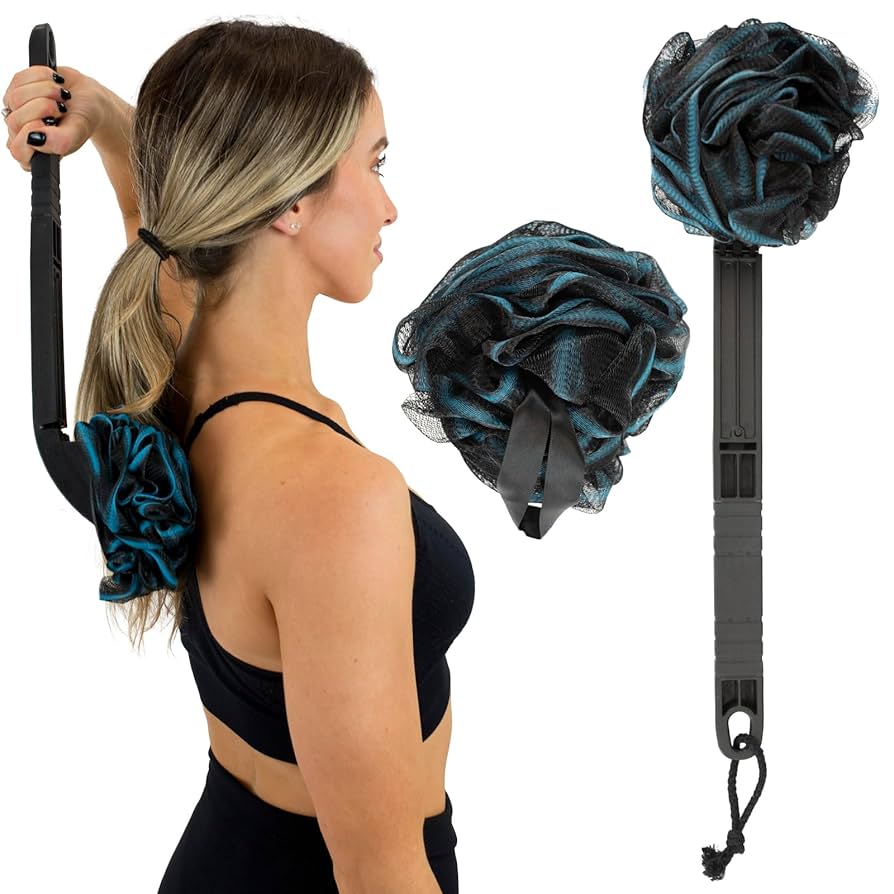
If you use a shower pouf on a stick, keeping it clean is key to your skin’s health. But do you know how often you should clean it or the best way to do it?
A dirty pouf can hold bacteria and cause skin problems. Don’t worry—this guide will show you simple, effective steps to clean your shower pouf quickly. By the end, you’ll know exactly how to keep it fresh and safe for every shower.
Keep reading to protect your skin and enjoy a cleaner, better shower experience.

Credit: www.amazon.com
Why Clean Your Shower Pouf
Cleaning your shower pouf might seem like a small task, but it plays a big role in your daily hygiene routine. Over time, shower poufs can collect dirt, soap residue, and even harmful microbes. Taking a few minutes to clean it regularly can make a noticeable difference in your skin’s health and the lifespan of your pouf.
Bacteria And Mold Risks
Have you noticed a musty smell coming from your shower pouf? That’s often a sign of bacteria and mold buildup. Shower poufs stay damp for long periods, creating the perfect environment for germs to thrive.
Using a dirty pouf can transfer these bacteria back onto your skin, leading to irritation or even infections. Regular cleaning helps stop these risks and keeps your pouf fresh and safe.
Extending Pouf Lifespan
How often do you replace your shower pouf? Many people toss it after a few weeks because it looks worn or smells bad. But cleaning your pouf can extend its usability and save you money.
Rinsing it thoroughly and drying it properly prevents the material from breaking down quickly. This means you get more showers out of the same pouf without compromising cleanliness.
Maintaining Skin Health
Your skin deserves the best care, and using a clean pouf is part of that. A dirty pouf can clog pores, cause breakouts, or irritate sensitive skin. Think about how your skin feels after using a fresh versus a grimy pouf.
Keeping your pouf clean helps remove dead skin cells effectively without introducing harmful substances. This simple habit can improve your skin’s texture and prevent unpleasant reactions.

Credit: www.amazon.com
Tools Needed For Cleaning
Cleaning your shower pouf on a stick doesn’t have to be a chore if you have the right tools at hand. These simple items help you remove soap scum, bacteria, and residue effectively. You might already have most of these in your home, making the process quick and easy.
Mild Soap Or Detergent
Start with a gentle soap or detergent to break down oils and grime without damaging your pouf. Dish soap or liquid hand soap works well because they cut through dirt but stay kind to the material. Avoid harsh chemicals that can wear out the fibers or cause skin irritation during your next shower.
Vinegar And Baking Soda
These two pantry staples create a powerful natural cleaner when combined. Vinegar helps disinfect and dissolve mineral deposits, while baking soda acts as a mild abrasive to scrub away buildup. Mixing them can refresh your pouf and eliminate stubborn odors without synthetic additives.
Cleaning Brush Or Toothbrush
A small brush with soft bristles is perfect for reaching every corner of your shower pouf. An old toothbrush works great because it’s gentle but effective in loosening trapped dirt. Using a brush ensures a deeper clean than just rinsing, extending the life of your pouf and keeping it hygienic.
Step-by-step Cleaning Process
Cleaning a shower pouf on a stick might seem tricky. But, it’s essential for maintaining hygiene. Follow these simple steps to ensure your pouf stays clean and fresh. This process will help remove dirt and bacteria effectively.
Remove Pouf From Stick
First, detach the pouf from the stick. This makes cleaning easier. Ensure you handle the pouf gently to avoid tearing it.
Rinse Thoroughly With Warm Water
Rinse the pouf under warm water. This helps loosen dirt and soap residue. Make sure the water flows through all parts of the pouf.
Apply Cleaning Solution
Use a mild soap or vinegar solution. Apply it evenly over the pouf. This will help kill bacteria and remove any lingering odors.
Scrub Gently
Gently scrub the pouf with your hands. Focus on any areas that look dirty. Avoid scrubbing too hard to prevent damage.
Rinse And Squeeze Out Water
Rinse the pouf thoroughly to remove the cleaning solution. Squeeze out excess water gently. Ensure no soap remains in the pouf.
Dry Completely
Hang the pouf in a well-ventilated area. Let it dry completely before the next use. This prevents mold and mildew growth.
Deep Cleaning Methods
Deep cleaning your shower pouf on a stick is essential to keep it fresh and free from bacteria. Regular rinsing isn’t enough to remove all the buildup from soap, oils, and skin cells. Using effective deep cleaning methods can extend the life of your pouf and make your showers more hygienic.
Soaking In Vinegar Solution
Vinegar is a natural disinfectant that can kill mold and mildew on your shower pouf. Mix equal parts of white vinegar and warm water in a bowl or bucket. Soak the pouf for 15-30 minutes to break down grime and bacteria.
After soaking, rinse the pouf thoroughly with clean water. Squeeze out excess water and let it air dry in a well-ventilated area. Have you noticed how vinegar also helps remove stubborn odors from your pouf?
Using Baking Soda Paste
Baking soda is excellent for scrubbing away dirt and deodorizing. Create a thick paste by mixing baking soda with a little water. Apply the paste directly onto the pouf, focusing on areas that feel slimy or dirty.
Rub the paste gently into the mesh with your fingers or a soft brush. Leave it on for 10-15 minutes before rinsing well. This simple step can transform your pouf’s cleanliness without harsh chemicals.
Machine Washing Tips
If your pouf on a stick is machine washable, use the gentle cycle with warm water. Place the pouf inside a mesh laundry bag to protect it and prevent tangling. Avoid using fabric softeners as they can leave residues.
After washing, air dry the pouf completely before using it again. Have you tried machine washing your pouf? It can save time and still give you a deep clean if done right.
Drying And Storage Tips
Proper drying and storage of your shower pouf on a stick can extend its life and keep it hygienic. Neglecting these steps often leads to unpleasant odors and mold, which no one wants in their bathroom routine. Let’s look at how you can dry and store your pouf effectively to avoid these common issues.
Air Drying Techniques
After rinsing your pouf, shake off excess water gently. Hang it in a well-ventilated area where air can circulate freely around it. Avoid leaving it in a damp, enclosed space like a shower caddy—this traps moisture and slows drying.
One trick I use is hanging the pouf on a hook outside the shower, near a window or a fan. It dries faster and feels fresher the next time I use it. Have you noticed how quickly damp items dry when exposed to moving air?
Avoiding Mold Growth
Mold thrives in damp environments, so keeping your pouf dry is key. After each use, make sure no water remains trapped inside the mesh layers. You can even squeeze gently to remove water but avoid wringing harshly as it can damage the material.
If you spot any black or green spots, clean the pouf immediately with a vinegar and water solution to kill mold spores. Regularly replacing your pouf every few months is also a wise choice to prevent stubborn mold buildup.
Proper Storage Practices
Store your pouf in a dry spot away from direct sunlight, which can degrade the material over time. Use a breathable container or simply hang it openly to avoid trapping moisture. Avoid plastic bags or sealed containers that can create a humid environment.
Think about your bathroom setup: Is there a spot that stays dry and gets good airflow? Using that space will keep your pouf fresh longer and ready for your next shower.
Credit: www.walmart.com
How Often To Clean Your Pouf
Knowing how often to clean your shower pouf on a stick is key to keeping it fresh and safe for your skin. Regular cleaning prevents bacteria and mold buildup, which can cause irritation or infections. How frequently you clean depends on how often you use it and your skin’s sensitivity.
Daily Maintenance
After each use, rinse your pouf thoroughly with warm water to remove soap and dead skin cells. Shake off excess water and hang it in a well-ventilated area to dry completely. This simple step stops moisture from lingering, which slows down bacterial growth.
Weekly Deep Cleaning
Once a week, give your pouf a deeper clean by soaking it in a mixture of warm water and white vinegar or a mild antibacterial soap for about 10 minutes. Rinse it well afterward to remove any residue. This routine helps eliminate hidden germs that daily rinsing can’t reach.
Replacing The Pouf
Even with good care, shower poufs don’t last forever. Replace yours every 3 to 4 weeks or sooner if it starts to smell, tear, or look grimy. Keeping an old pouf too long can undo all your cleaning efforts and harm your skin instead of helping it.
Frequently Asked Questions
How Often Should I Clean A Shower Pouf On A Stick?
Clean your shower pouf on a stick at least once a week. Regular cleaning prevents bacteria and mold buildup. This keeps it fresh and safe for daily use.
What Is The Best Way To Clean A Shower Pouf On A Stick?
Use warm water and mild soap to clean the pouf. Rinse thoroughly and squeeze out excess water. Let it air dry completely between uses to prevent mold.
Can I Use Bleach To Clean A Shower Pouf On A Stick?
Yes, dilute bleach can disinfect the pouf. Mix one part bleach with nine parts water. Soak the pouf for 5 minutes, then rinse well and dry.
How Do I Dry A Shower Pouf On A Stick Properly?
After cleaning, shake off excess water and hang the pouf in a well-ventilated area. Avoid damp places to prevent mold and odors. Drying fully extends the pouf’s lifespan.
Conclusion
Cleaning a shower pouf on a stick keeps it fresh and safe to use. Regular washing stops bacteria and mold from growing. Use warm water and gentle soap for best results. Let it dry completely after each wash. Clean poufs last longer and feel nicer on your skin.
Small effort, big difference. Keep your shower routine healthy and pleasant every day. Easy to do, easy to enjoy.



