

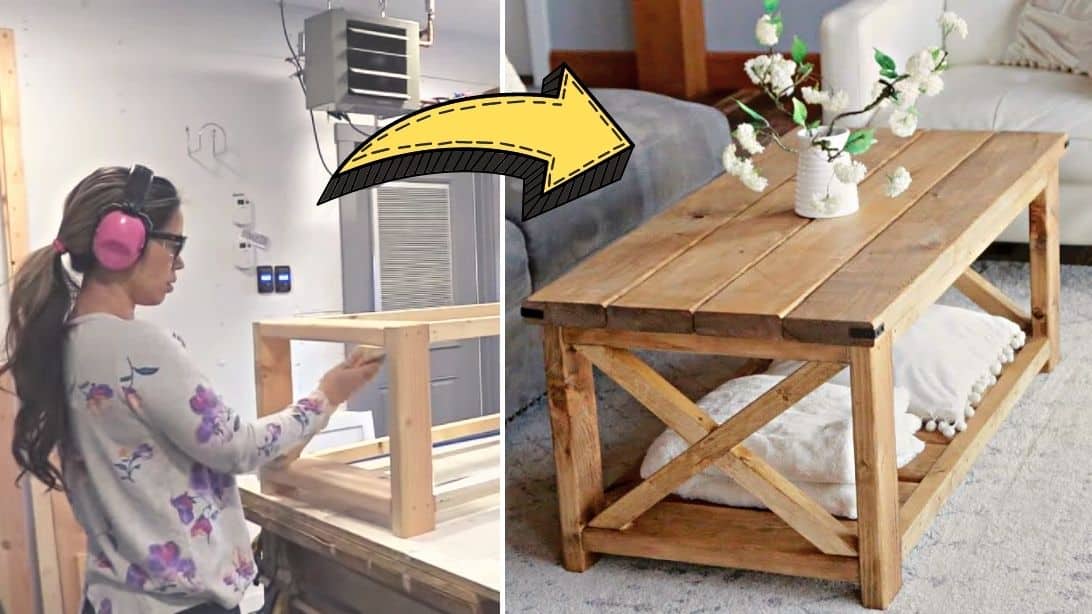
Are you looking to add a personal touch to your living room? Making your own coffee table is easier than you think, and it gives you a unique piece that matches your style perfectly.
Imagine sitting back with your favorite drink on a table you built yourself—how satisfying would that feel? You’ll discover simple, clear steps to create a coffee table that fits your space and taste. Ready to turn a few materials into a stunning centerpiece?
Let’s get started!

Credit: diyhuntress.com
Choosing The Right Materials
Choosing the right materials for your coffee table is the first step to a successful project. The materials affect the table’s look, strength, and lifespan. Picking the best wood and finishes ensures your table stays beautiful and sturdy for years. The right tools make the process easier and safer.
Types Of Wood
Wood choice shapes the style and durability of your table. Hardwoods like oak, maple, and walnut last long and look rich. Softwoods like pine are easier to cut and cheaper but may dent easily.
- Oak:Strong, with a classic grain pattern.
- Maple:Smooth texture, light color.
- Walnut:Dark, elegant, and durable.
- Pine:Affordable and easy to work with.
Consider the table’s use and your skill level when choosing wood.
Tools You’ll Need
Having the right tools makes building easier and safer. Basic tools include a saw, drill, measuring tape, and sandpaper. Clamps help hold pieces steady while gluing or screwing.
- Saw (hand or power)
- Drill and drill bits
- Measuring tape and square
- Clamps
- Sandpaper or power sander
- Wood glue
- Screws or nails
Choose tools based on your project size and budget.
Selecting Finishes
Finishes protect wood and enhance its beauty. Options include varnish, oil, wax, and paint. Varnish gives a hard, shiny surface. Oil soaks into wood and looks natural. Wax adds a soft sheen but needs more upkeep.
- Varnish:Durable and glossy.
- Oil:Natural look and easy to apply.
- Wax:Soft finish, less protection.
- Paint:Adds color, covers wood grain.
Test finishes on scrap wood to see the effect before applying.
Planning Your Design
Planning your coffee table design is the first step to building a piece you will love. It shapes how your table looks and fits in your space. Taking time to plan saves effort later and helps avoid mistakes.
Measuring And Sketching
Start by measuring the area where the table will go. Note the space around furniture for easy movement. Use a tape measure for accuracy. Draw a simple sketch showing the table’s position and size. This visual helps you see how it fits and feels.
Deciding On Size And Shape
Choose a size that fits your space and needs. A small room calls for a compact table. Larger rooms can handle bigger or multiple pieces. Pick a shape that matches your style:
- Rectangle – classic and versatile
- Square – good for corners or small spaces
- Round – soft edges, safe for kids
- Oval – elegant with smooth curves
Think about how people use the table. Will it hold drinks, books, or decorations? Size and shape affect comfort and function.
Incorporating Storage Options
Storage adds value and utility to your coffee table. Consider built-in shelves or drawers. Open shelves work for magazines or remote controls. Drawers keep clutter out of sight. You can also add baskets or boxes underneath. Plan storage based on what you need easy access to.
Cutting And Preparing Wood
Choose wood that fits your table size and style. Cut the pieces carefully with a saw, ensuring smooth edges. Sand each part to prepare for assembly and finishing.
Cutting and preparing wood is a crucial step in making a coffee table. It sets the foundation for the entire project. Proper techniques ensure your table looks professional. This part requires precision and patience.Marking Cut Lines
Start by measuring the wood carefully. Use a pencil to mark the cut lines clearly. Ensure these lines are straight and accurate. A ruler or a measuring tape helps in this task. Double-check your measurements before cutting.Safe Cutting Techniques
Safety is important while cutting wood. Use a saw that suits your wood type. Wear protective goggles and gloves. Keep your fingers away from the blade. Secure the wood firmly before cutting. Maintain a steady hand and follow the marked lines closely.Sanding For Smooth Surfaces
Sanding removes rough edges and splinters. Use sandpaper with different grits. Start with a coarse grit for initial smoothing. Finish with a fine grit for a polished look. Sand along the wood grain for best results. Ensure the surface feels smooth to the touch.Assembling The Table
Assembling your coffee table is where your project truly takes shape. This stage is all about bringing together the parts you’ve carefully cut and prepared, turning them into a functional piece. You’ll need patience and attention to detail to ensure everything fits perfectly and holds strong.
Joining The Pieces
Start by aligning all the pieces on a flat surface. Make sure the edges meet cleanly without gaps. Dry fit the parts first—this helps you spot any adjustments before securing them permanently.
Consider using clamps to hold the pieces steady while you work. This prevents shifting and keeps everything square. Are your pieces fitting snugly without forcing? If not, a light sanding can help smooth edges for a better join.
Using Screws And Glue
Apply wood glue along the edges where the pieces meet to add extra strength. Don’t overdo it—a thin, even layer is enough to bond without making a mess. Next, use screws to firmly secure the joints.
Pre-drill holes to avoid splitting the wood. Use screws that are the right length—long enough to hold, but not so long they go through the surface. I once skipped pre-drilling and ended up with cracked wood; it’s a small step that saves a lot of trouble.
Ensuring Stability
After assembly, check your table for wobbling. Place it on a flat floor and gently push on different corners. If it rocks, identify the uneven leg or joint causing the issue.
Add felt pads or small shims under the legs if needed to balance it out. Tighten all screws once more—sometimes they loosen during assembly. How solid does your table feel? Stability is key not just for looks but for everyday use.
Finishing Touches
The finishing touches bring your coffee table to life. These steps protect the wood and add style. They make your project look professional and last longer.
Applying Stain Or Paint
Choose a stain or paint color that matches your room. Stain enhances the wood grain and gives warmth. Paint offers solid color and hides imperfections. Use a brush or cloth to apply evenly. Let the first coat dry fully before adding another.
Adding Protective Coats
Protective coats guard your coffee table from scratches and spills. Polyurethane is a popular option for durability. Apply thin layers with a clean brush. Sand lightly between coats for smoothness. Allow the final coat to dry completely before use.
Decorative Elements
Decorative touches make your table unique. Add metal corners for a vintage look. Attach stencils or decals for patterns. Use decorative knobs or handles on drawers. These elements add charm without much effort.

Credit: www.spryinterior.com
Maintaining Your Coffee Table
Maintaining your coffee table is key to keeping it looking great and lasting for years. Regular care prevents damage and keeps the wood or material in top shape. Small efforts can save you from costly repairs or replacements later.
Cleaning Tips
Dust your coffee table often using a soft cloth to avoid scratches from dirt particles. Use a mild soap solution for sticky spots, but never soak the surface. Always dry it thoroughly with a clean, dry cloth to prevent water damage.
Consider using coasters and placemats to protect the surface from spills and heat marks. Avoid harsh chemicals or abrasive cleaners, as they can strip the finish. A quick wipe after each use keeps dust and grime from building up.
Repairing Scratches
Minor scratches on wood tables can often be fixed with a simple wood stain marker or a wax stick that matches the table’s color. Rub it gently over the scratch and buff with a soft cloth. This can make scratches almost invisible.
For deeper scratches, sand the area lightly with fine-grit sandpaper and apply a matching wood finish. Have you noticed how small repairs can restore the table’s original beauty? Taking action early prevents scratches from worsening.
Extending Lifespan
Keep your coffee table out of direct sunlight to prevent fading or warping. Maintain a stable indoor humidity level to avoid wood cracking or swelling. Using furniture polish or oil occasionally can nourish the wood and keep it looking fresh.
Think about your daily habits: do you place heavy items or drag objects across the surface? Changing these habits can significantly increase your table’s lifespan. With consistent care, your coffee table can remain a centerpiece in your living room for decades.
Credit: diyjoy.com
Frequently Asked Questions
What Materials Do I Need To Make A Coffee Table?
You need wood, screws, sandpaper, wood glue, paint or stain, and tools like a saw and drill. Choose quality wood for durability and appearance. These materials ensure a strong, attractive coffee table that fits your style and space.
How Long Does It Take To Build A Coffee Table?
Building a coffee table usually takes 4 to 8 hours. Time depends on your skill level and design complexity. Allow extra time for drying paint or stain to get a smooth, professional finish on your table.
What Are The Basic Steps To Make A Coffee Table?
Start by measuring and cutting wood pieces to size. Then sand edges, assemble parts with screws and glue, and finish with paint or stain. Follow a clear plan to ensure stability and style in your coffee table.
Can I Customize The Coffee Table Design Easily?
Yes, customizing is easy by changing size, shape, and finish. Add shelves or drawers for extra storage. Personal touches make your coffee table unique and perfectly suited to your room’s décor and function.
Conclusion
Making a coffee table is a fun and useful project. You only need some basic tools and materials. Follow each step slowly and carefully. Measuring and cutting wood right is very important. Take your time to sand and finish the surface.
This makes your table look nice and smooth. Building your own table saves money and gives pride. Enjoy the process and the final product in your home. Try different designs next time to improve your skills. Creating furniture can be simple and rewarding for anyone.



