
Hanging art above your console table might seem simple, but getting the height just right can change the entire look of your space. You want your artwork to catch the eye without feeling awkward or out of place.
If you’ve ever wondered exactly how high to hang art above your console table, you’re in the right place. This guide will help you find the perfect balance, making your room feel stylish and inviting. Keep reading to discover easy tips that will transform your wall into a stunning focal point.

Credit: buywallart.ca
Ideal Height For Hanging Art
Finding the ideal height to hang art above a console table can transform your space. The right placement balances the room’s style and keeps the artwork visible and appealing. This section covers key points to guide your art hanging decisions.
Standard Eye-level Guidelines
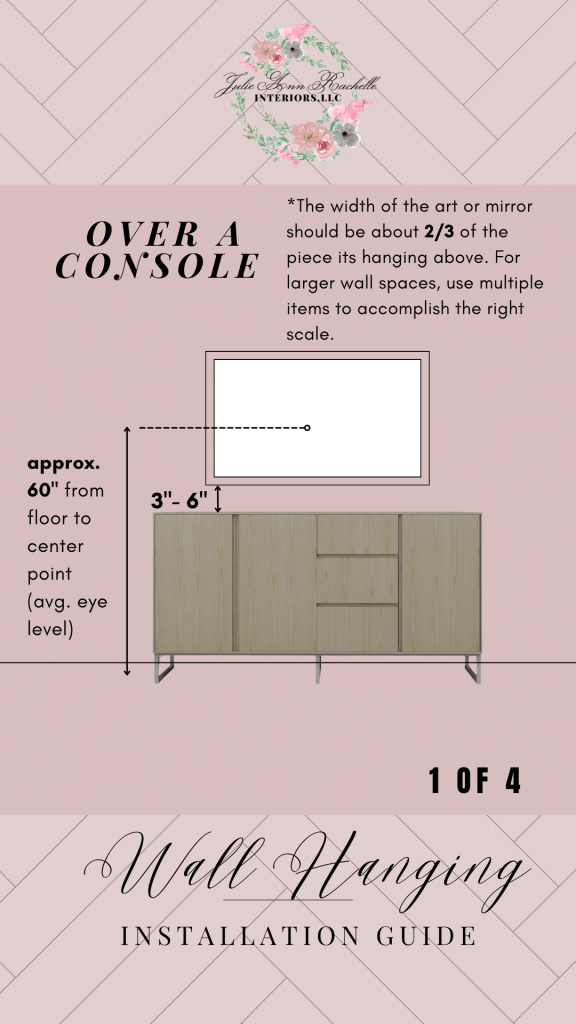
Art usually looks best when its center is at eye level. This means about 57 to 60 inches from the floor. Measure from the floor to the middle of the artwork, not its top or bottom. This rule helps most people see the art comfortably without straining their necks.
Adjusting For Ceiling Height
Tall ceilings call for higher placement to fill the space well. Low ceilings need art hung slightly lower to avoid a cramped look. Aim to keep a balanced gap between the top of the console and the bottom of the artwork—around 6 to 12 inches works well.
Considering Furniture Dimensions
Match the art size to the console table width. Art should be about two-thirds to three-quarters the width of the table. Leave enough space above the table surface so the art does not feel crowded. This spacing creates harmony between the furniture and the artwork.

Credit: medium.com
Measuring From The Console Table
Measuring the right height to hang art above a console table creates harmony in any room. The space between the table and artwork plays a key role in the overall look. Proper measurement prevents the art from feeling too high or too low.
This section focuses on how to measure from the console table for the best placement. It covers ideal distances, the effect of different console heights, and how to balance proportions.
Recommended Distance Above Console
Keep a gap of 6 to 12 inches between the console top and the bottom of the art. This range works well for most spaces. It allows the art to breathe without floating too far above the table.
For smaller consoles, lean toward 6 inches. Taller consoles may need closer to 12 inches. The goal is to maintain a comfortable visual link.
Impact Of Console Height Variations
Console tables vary in height, usually between 28 and 36 inches. Taller consoles raise the art higher on the wall naturally. Shorter consoles require the art to hang lower to stay balanced.
Measure your console height first. Use this number to adjust the art height. This keeps the display proportional and pleasing to the eye.
Balancing Art And Table Proportions
The size of the art should relate to the console’s width and height. Large tables suit bigger art pieces. Small tables need smaller or medium-sized art.
Try to keep the art width about two-thirds to three-quarters of the console width. This ratio creates a balanced and cohesive look.
Choosing The Right Art Size
Hang art about 6 to 12 inches above a console table for balanced space. Choose a size that fits the wall and table width well. This keeps the room looking neat and inviting.
Choosing the Right Art Size Selecting the perfect art size to hang above your console table can transform a room. It complements the space and enhances your interior design. But how do you decide which size is ideal?Small Vs Large Pieces
Small art pieces can create a subtle, elegant look. They work best in intimate spaces or as part of a gallery wall. If you’re leaning towards large pieces, they make a bold statement and can be a focal point in your room. Consider the scale of your console table. Small art can get lost above a large table, while oversized pieces may overwhelm a smaller table. Balance is key.Using Multiple Artworks
You don’t have to limit yourself to one piece. Using multiple artworks can create a dynamic and engaging display. This approach allows for flexibility and creativity in your arrangement. Try mixing different sizes and styles for an eclectic look. Or, maintain a consistent theme or color palette for a more cohesive appearance.Framing And Matting Effects
Frames and matting can significantly alter the impact of your art. A large frame can make a small piece appear more substantial. Conversely, minimal framing can give a large piece a sleek, modern feel. Consider the color and material of the frame, as it should complement both the art and your console table. Matting can add an extra layer of sophistication, drawing the eye to the artwork itself. Choosing the right art size involves a mix of personal preference and practical considerations. What style speaks to you, and how does it fit within your space?
Credit: www.julieannrachelle.com
Placement Tips For Different Room Types
Knowing how high to hang art above a console table varies depending on the room’s purpose and layout. Each space demands a unique approach to create balance and enhance the room’s atmosphere. Let’s look at practical tips tailored to different room types to help you make the best choice for your art placement.
Living Room Considerations
The living room is often the focal gathering spot, so your art should invite conversation without overwhelming the space. Hang the art so its center aligns roughly with eye level, about 57 to 60 inches from the floor, which feels natural for most people standing or sitting nearby.
Consider the size of your console table and leave about 6 to 12 inches of space between the table and the bottom of the artwork. This gap prevents the art from feeling cramped while keeping the overall look cohesive.
Try grouping smaller pieces or using a large statement piece. If you have multiple artworks, align their centers along the same horizontal line to create harmony.
Hallway And Entryway Settings
In narrow hallways or entryways, space is limited, so height and scale matter even more. Hang art slightly lower than in a living room—around 54 to 57 inches from the floor—to accommodate the average height of people passing by without straining their necks.
Since console tables here tend to be narrower, keep the artwork proportionate—too large can feel overwhelming, too small might get lost. If you have multiple pieces, stagger their heights slightly to add visual interest while maintaining balance.
Have you noticed how guests tend to glance at art in entryways? This makes it a perfect spot for personal touches or bold statements that set the tone for your home.
Dining Area Adaptations
Dining rooms offer a chance to complement your meal experience with art that enhances the ambiance. Hang art about 6 to 12 inches above the console table to keep it within easy view but out of the way of dining activities.
Because dining tables often occupy the central focus, console tables and their art should support rather than compete. Opt for horizontally oriented pieces or a series of smaller artworks that echo the table’s length.
Think about the lighting too—art in dining areas benefits from softer illumination that highlights details without glare, making your choice of height crucial to avoid unwanted shadows.
Visual Balance And Aesthetic Tips
Visual balance plays a key role in hanging art above a console table. It creates harmony between the artwork and the furniture below. A well-balanced setup feels pleasing and draws the eye naturally. Proper alignment, color use, and decoration choices all contribute to this effect.
Art should not feel too high or too low. It must connect visually with the console table and other room elements. The goal is a unified look that enhances the space’s style and comfort.
Centering And Alignment Tricks
Center the artwork above the console table’s middle point. This gives a clean and organized look. Measure the table width and mark the center on the wall. Align the art’s center with this mark.
Keep the bottom edge of the art about 6 to 12 inches above the table surface. This gap creates enough breathing room without feeling disconnected. For multiple pieces, align them in a grid or a straight line to keep order.
Using Color And Texture
Choose art colors that complement the console table and room decor. Use shades that echo the room’s palette for a smooth blend. Contrasting colors can highlight the art, but keep balance to avoid clashing.
Textures in the artwork or frame add depth and interest. A glossy frame suits a modern table, while a rustic frame pairs well with wooden furniture. Mix smooth and rough textures to add visual variety.
Complementing Other Decor Elements
Match the art style with other decor pieces on or near the console. Lamps, vases, or books should connect visually with the artwork. Keep a consistent theme or color scheme across these items.
Leave some empty space around the art and decor. Crowding makes the area feel cluttered. Balanced spacing helps each element stand out and creates a calm, inviting space.
Tools And Techniques For Hanging Art
Hanging art above a console table requires more than just guessing the right height. Using the proper tools and techniques ensures your artwork looks balanced and professional. It also prevents damage to your walls and frustration during the process.
Measuring Tools To Use
Start with a tape measure or a yardstick to determine the ideal height. You want the center of the art piece to be roughly at eye level, around 57 to 60 inches from the floor.
A pencil helps mark spots lightly without leaving permanent marks. For more precision, use a laser level to mark exact points horizontally and vertically. This tool saves time and gives you a more polished result.
Leveling Tips
Keeping your art perfectly level changes how your entire room feels. Use a bubble level or a digital level to check your marks before hanging.
If you don’t have these, a smartphone app with a built-in level works well. Place the level on the top edge of the frame to adjust until the bubble is centered.
Think about the height and the balance of the art in relation to the console table. Is it visually centered? Sometimes stepping back and viewing from different angles helps you spot if it’s slightly off.
Avoiding Wall Damage
To protect your walls, choose the right hanging hardware based on your wall type—drywall, plaster, or brick. Picture hooks, adhesive strips, or wall anchors each serve different purposes.
Use painter’s tape to test placement before making holes. This trick helps you visualize the layout and ensures you won’t make unnecessary holes.
Have you tried hanging art without marking the wall first? It often leads to multiple unnecessary holes. Taking the time to prepare saves you both money and frustration.
Frequently Asked Questions
How High Should Art Hang Above A Console Table?
Art should hang about 6 to 12 inches above the console table. This spacing creates a balanced look and keeps the art visually connected to the furniture below. It also prevents the wall from feeling too crowded or too empty.
What Is The Ideal Height For Art Placement In Living Rooms?
The ideal height for art placement is at eye level, approximately 57 to 60 inches from the floor to the center of the artwork. This height ensures comfortable viewing and enhances the room’s overall aesthetic.
Can I Hang Multiple Art Pieces Above A Console Table?
Yes, you can hang multiple pieces. Arrange them in a cohesive grouping with 2 to 4 inches of space between each piece. This creates a gallery effect and adds visual interest above the console table.
Should The Size Of Art Match The Console Table Size?
Art should be about two-thirds to three-quarters the width of the console table. This proportion keeps the artwork balanced and proportional, preventing it from overwhelming or underwhelming the console.
Conclusion
Hanging art above a console table is simple with the right height. Keep the center of the art at eye level or slightly above the table. Leave enough space so the art does not touch the table. This makes the room look balanced and neat.
Trust your eyes and adjust based on the wall and table size. Enjoy creating a beautiful and welcoming space with your art display.



