
Have you ever wondered where the Ottomans really came from? Understanding their origins can change how you see one of history’s most powerful empires.
This story isn’t just about kings and battles—it’s about people, culture, and a surprising beginning that shaped much of the world you live in today. Keep reading, and you’ll discover the roots of the Ottomans in a way that connects directly to your own view of history.

Credit: www.wikiwand.com
Early Turkic Roots
The roots of the Ottoman Empire trace back to early Turkic peoples. These groups lived as nomads in the vast lands of Central Asia. Their culture, language, and traditions shaped the foundation of what would later become the Ottoman state.
The early Turkic roots reveal a story of movement, survival, and cultural exchange. This background helps us understand where the Ottomans came from and how their identity formed over time.
Nomadic Beginnings In Central Asia
The Turkic people originally lived as nomads in Central Asia’s steppes. They depended on herding animals like horses, sheep, and camels. Their lives moved with the seasons and available pastures. This lifestyle required strong family bonds and tribal loyalty.
Nomadic Turkic groups developed skills in horseback riding and archery. These skills helped them defend their lands from rival tribes. They also traded goods such as furs, horses, and textiles with nearby civilizations. Their culture was rich in oral traditions, including epic stories and poetry.
Migration Patterns And Settlements
Over centuries, Turkic tribes migrated westward from Central Asia. They moved through regions like Iran, Anatolia, and the Caucasus. These migrations happened due to climate changes, conflicts, and opportunities for new lands.
Some Turkic groups settled in small villages or towns, adapting to farming and trade. Others remained nomadic but formed alliances with local powers. These movements brought Turkic culture into contact with Persian, Arab, and Byzantine civilizations.
The Ottoman ancestors emerged from these migrating Turkic tribes. They settled in northwestern Anatolia in the 13th century. Their location allowed them to build a strong base for expansion into Europe and Asia.

Credit: medium.com
Formation Of The Ottoman Beylik
The formation of the Ottoman Beylik marks the beginning of a powerful dynasty. It started as a small principality in the late 13th century. This Beylik grew in the midst of changing powers in Anatolia. The rise of the Ottomans began with strong leadership and smart political moves. These early steps laid the foundation for an empire that lasted centuries.
Osman I And Leadership
Osman I was the founder of the Ottoman Beylik. He was a skilled leader and warrior. Osman united various Turkish tribes under his rule. His leadership was based on loyalty and bravery. He expanded his territory by winning battles against neighboring states. Osman’s vision and courage inspired his followers. His name gave the empire its name—Ottoman.
Geopolitical Context In Anatolia
Anatolia was a land of many small states and tribes. The weakening of the Seljuk Sultanate created a power gap. Mongol invasions further destabilized the region. This chaos allowed new powers like the Ottomans to rise. They positioned themselves near important trade routes. Their location helped them gain wealth and influence. The Ottomans took advantage of rivalries among other Turkish beyliks.
Cultural And Religious Influences
The Ottoman Empire’s cultural and religious influences shaped its identity. These influences guided its expansion and governance. The blending of various traditions created a unique Ottoman culture.
Islamic Traditions
Islam was central to the Ottoman Empire’s identity. It influenced laws, customs, and governance. The Ottomans followed Sunni Islam. They respected Islamic teachings and principles. Sultans often supported religious scholars and institutions. Mosques and religious schools flourished under their rule. Islamic art and architecture also thrived. The Ottomans built grand mosques and palaces with intricate designs.
Interaction With Byzantine And Seljuk Cultures
The Ottomans interacted with Byzantine and Seljuk cultures. These interactions enriched their cultural landscape. From the Byzantines, they adopted administrative practices. Byzantine art and architecture influenced Ottoman styles. The Ottomans respected and integrated local customs. This approach helped them govern diverse populations.
The Seljuks also left a mark on Ottoman culture. They shared similar Turkish roots. The Ottomans adopted Seljuk art and architectural styles. They continued traditions of hospitality and poetry. This cultural blend strengthened their empire and identity.
Military Innovations And Expansion
The rise of the Ottoman Empire is closely linked to their military skills and strategies. Their success came from unique military ideas and strong expansion plans. These ideas helped them defeat enemies and grow their territory quickly. Understanding these military tactics reveals how the Ottomans became a powerful force.
Ghazi Warriors And Jihad
The Ottomans started as ghazi warriors, fighting for Islam. They believed in jihad, a holy struggle to spread and protect their faith. This gave them a strong motivation in battle. Their warriors were brave and willing to face tough challenges. The idea of jihad united their forces and encouraged loyalty.
Ghazi warriors were skilled fighters who lived by strict codes. They used their faith as a reason to keep fighting against enemies. This strong belief helped the Ottomans gain respect and fear across regions. Their military campaigns often had religious goals, which made their cause powerful.
Use Of Cavalry And Siege Tactics
The Ottoman army used cavalry as their main force. Fast and strong horsemen could attack quickly and retreat if needed. This mobility gave them an advantage over slower enemies. Cavalry units could scout, raid, and chase down fleeing foes effectively.
Siege tactics were another key part of Ottoman warfare. They mastered the use of cannons and artillery to break down city walls. Their engineers built special machines and traps to capture fortresses. These tactics allowed them to take important cities without long battles.
Combining cavalry speed with powerful siege weapons made the Ottomans very effective. They could fight in open fields and take fortified places. This mix of skills helped them expand their empire steadily over time.
Key Battles And Conquests
The rise of the Ottoman Empire was shaped by crucial battles and strategic conquests. These victories helped the Ottomans expand their territory and influence. They also marked the beginning of a powerful empire that lasted for centuries.
Each battle showed the Ottomans’ military skill and clever planning. Their ability to capture key cities changed the balance of power in the region. These conquests paved the way for future growth and dominance.
Capture Of Bursa
Bursa was the first major city the Ottomans took. It became their capital and a center for trade and culture. The capture of Bursa in 1326 gave the Ottomans a strong base in Anatolia. This victory boosted their confidence and resources.
Control of Bursa allowed the Ottomans to secure nearby lands. It also helped them build a powerful army. The city’s location was key for controlling trade routes.
Fall Of Constantinople
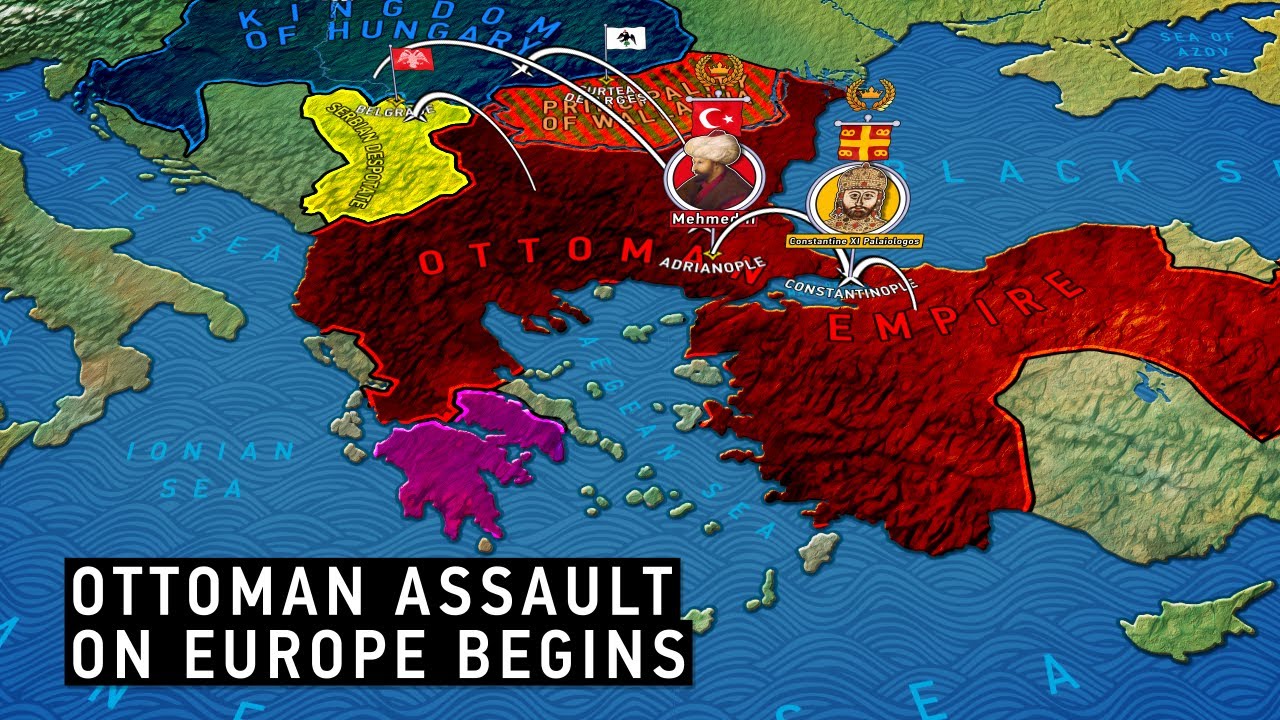
The fall of Constantinople in 1453 was a turning point. It marked the end of the Byzantine Empire. The Ottomans, led by Sultan Mehmed II, used cannons to break the city walls.
Capturing Constantinople gave the Ottomans control of a vital trade hub. It connected Europe and Asia. The city became the new Ottoman capital, renamed Istanbul.
This conquest showed the empire’s strength and advanced military technology. It also opened the door for further expansion into Europe.
Political Structure And Governance
The political structure and governance of the Ottoman Empire were essential in shaping its long-lasting influence. The Ottomans developed a system that balanced strong central authority with effective regional administration. Understanding how this system worked gives you insight into how they managed such a vast and diverse empire for centuries.
Sultanate And Administrative Systems
The Ottoman Sultan held supreme power, combining political, military, and religious authority. Unlike many rulers of the time, the Sultan’s power was both absolute and symbolic, representing the unity of the empire. The Sultan was supported by a complex bureaucracy that helped manage daily governance.
The empire was divided into provinces called “eyalets,” each governed by a Beylerbey or Pasha. These officials were responsible for tax collection, justice, and military recruitment in their regions. This decentralized approach allowed the empire to maintain control over vast territories while adapting to local conditions.
Have you ever wondered how such a large empire prevented chaos without modern technology? The answer lies in the well-organized administrative system and a clear chain of command that ensured orders from Istanbul reached every corner of the empire efficiently.
Role Of The Janissaries
The Janissaries were not just elite soldiers; they were a key part of the Ottoman political system. Originally formed from Christian boys taken through the devshirme system, they were trained to be loyal only to the Sultan. This loyalty gave the Sultan a powerful military force that could also influence politics.
Janissaries often acted as the Sultan’s protectors and enforcers of his policies. Over time, they gained significant political power, sometimes even affecting the succession of Sultans. Their involvement shows you how military forces can shape governance beyond the battlefield.
Think about your own experience with leadership—how important is loyalty and discipline in your group or organization? The Janissary corps exemplifies how these qualities can build a powerful and stable institution when aligned with strong leadership.
Credit: www.youtube.com
Frequently Asked Questions
Where Did The Ottomans Originate From?
The Ottomans originated from the region of Anatolia in modern-day Turkey. They began as a small Turkic tribe in the late 13th century. Their founder, Osman I, established the Ottoman Beylik, which later grew into a vast empire. Their roots trace back to Turkic nomadic groups.
What Ethnic Group Were The Ottomans Part Of?
The Ottomans were part of the Turkic ethnic group. They descended from Oghuz Turks who migrated from Central Asia. Their culture combined Turkic, Islamic, and Byzantine influences. This diverse heritage shaped the Ottoman identity and governance style.
How Did The Ottomans Expand From Anatolia?
The Ottomans expanded through military conquest and strategic alliances. They capitalized on the weakening Byzantine Empire and other regional powers. Their expansion began in the 14th century and continued for centuries, creating a vast empire across Europe, Asia, and Africa.
Why Is Osman I Significant To Ottoman Origins?
Osman I is significant as the founder of the Ottoman Empire. He led his tribe to establish a small principality in Anatolia around 1299. His leadership laid the foundation for Ottoman expansion and the empire’s long-lasting legacy.
Conclusion
The Ottomans started as a small group in Anatolia. They grew by uniting different tribes and lands. Their roots link to Turkic peoples from Central Asia. Over time, they built a vast empire in Europe and Asia. Understanding their origin helps explain their culture and power.
Their story shows how small beginnings can lead to great change. The Ottoman legacy still influences many countries today. Knowing where they came from adds depth to history. This origin story is key to understanding their impact.



