
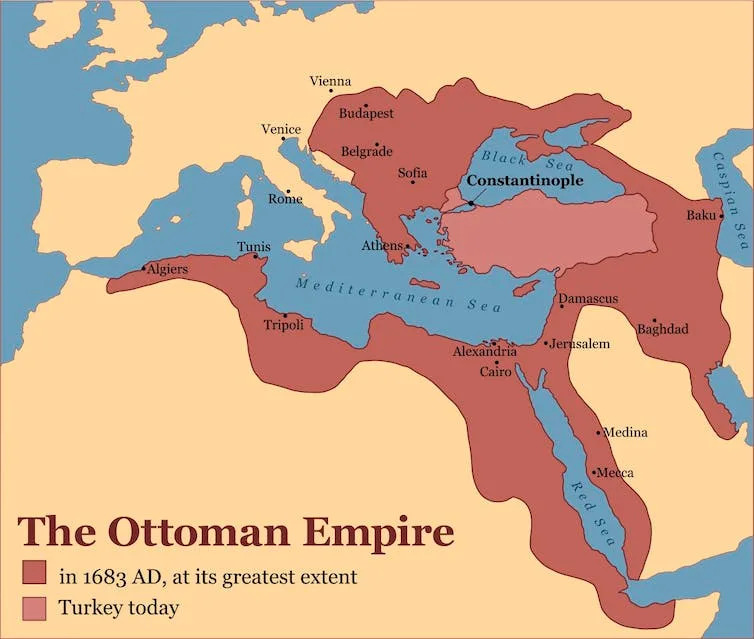
Have you ever wondered where the Ottoman Empire was located and why it mattered so much in history? Understanding its location helps you see how it shaped the world around it.
The empire stretched across key regions, connecting continents and cultures in ways that still influence us today. If you want to uncover the exact spot that made the Ottoman Empire so powerful and learn how its location affected history, keep reading.
This will give you a clearer picture of a world that once was—and how it relates to your world now.
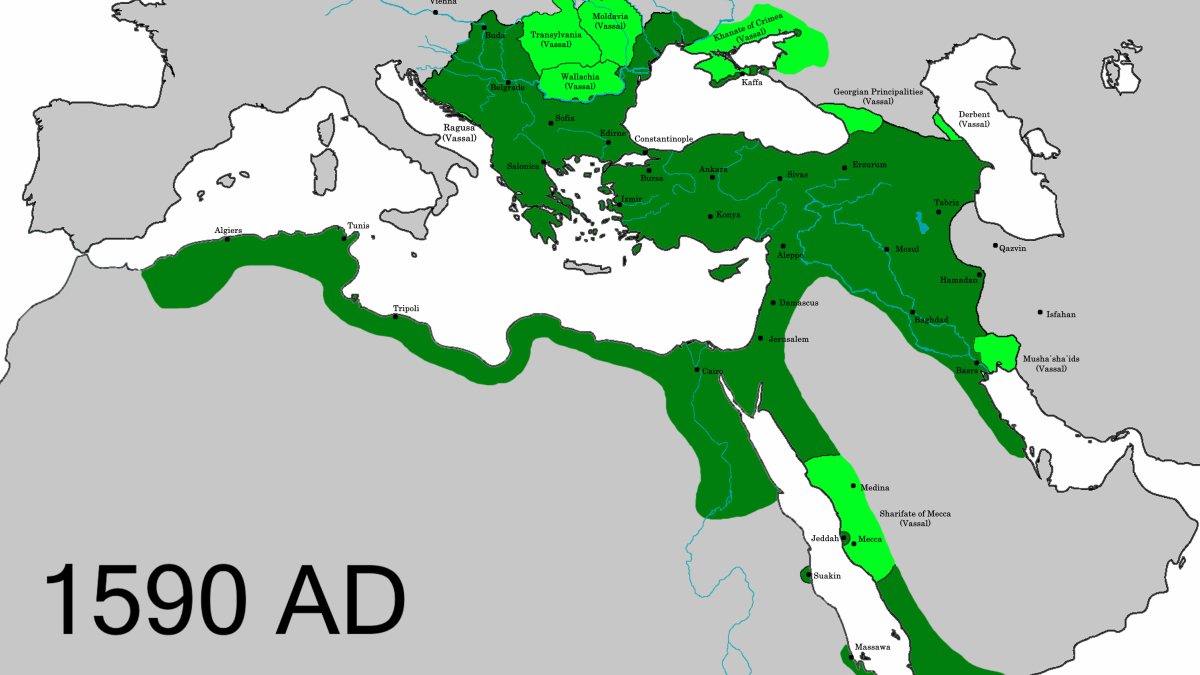
Credit: owlcation.com
Origins Of The Ottoman Empire
The origins of the Ottoman Empire reveal a story of strategic location, bold leadership, and swift growth. Understanding where it began helps you grasp how it shaped much of the modern world. The empire started in a small region but soon stretched across continents, influencing cultures and politics on a massive scale.
Early Settlements In Anatolia
Anatolia, a peninsula in modern-day Turkey, was the cradle of the Ottoman Empire. This area was rich in resources and positioned at the crossroads of Asia and Europe. Small Turkish tribes settled here after the decline of the Seljuk Sultanate, setting the stage for a new power to emerge.
These early communities were often nomadic and skilled in warfare. Their location allowed easy access to trade routes, giving them economic strength. Imagine living in a place where East meets West—this unique position offered both opportunity and challenge.
Rise Of Osman I
Osman I, a tribal leader, founded the Ottoman dynasty in the late 13th century. His leadership united various Turkish clans under one banner. Osman’s vision went beyond local control; he aimed to build a lasting state.
He capitalized on the weakening Byzantine Empire nearby. Osman’s victories were not just military but also political, as he gained loyalty through fair governance. Have you ever considered how leadership style can affect a group’s growth so deeply?
Expansion Into The Balkans
The Ottomans quickly moved beyond Anatolia into the Balkans, a region in Southeast Europe. This expansion was driven by both conquest and alliances with local leaders. Their presence in the Balkans changed the region’s demographics and power balance.
Controlling the Balkans gave the Ottomans access to new resources and strategic routes to Europe. It also introduced diverse cultures into the empire, making it a melting pot of religions and traditions. How would managing such diversity shape your approach to leadership?
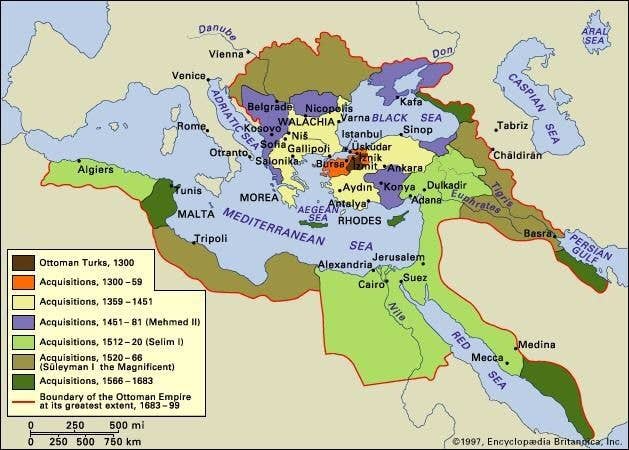
Credit: owlcation.com
Geographical Extent At Its Peak
The Ottoman Empire, at its peak, was one of the largest and most powerful empires in history. Its geographical reach spanned three continents, making it a unique crossroads of cultures and trade routes. Understanding its vast territorial extent helps you appreciate how diverse and influential this empire truly was.
Territories In Europe
In Europe, the Ottoman Empire controlled a vast area that included the Balkans, parts of Eastern Europe, and the edges of Central Europe. Major cities like Belgrade, Sofia, and Budapest were under Ottoman rule at different times. This European presence gave the empire control over key trade routes and strategic military positions.
Think about how managing such diverse populations and cultures in Europe alone would have been a challenge. How did the Ottomans maintain authority over so many different peoples? Their administrative systems and local governance played a big role in this.
Dominions In Asia
Asia was the heartland of the Ottoman Empire, including most of modern-day Turkey, parts of the Middle East, and the Arabian Peninsula. Cities like Istanbul, Damascus, and Baghdad were major centers of administration, culture, and commerce. The empire’s control over Asia connected Europe to Asia, facilitating the flow of goods and ideas.
Imagine the challenges of ruling across such varied terrain—from the deserts of Arabia to the mountains of Anatolia. This diversity required flexible governance and strong military presence. Did you know the empire’s location allowed it to control the crucial Silk Road routes?
Control In Africa
The Ottoman Empire also extended its influence into North Africa, including regions like Egypt, Libya, and Algeria. Coastal cities such as Cairo and Algiers became important hubs for trade and military defense. This African control allowed the empire to dominate Mediterranean trade routes and access valuable resources.
Managing territories across three continents was no small feat. The Ottomans had to adapt to different climates, cultures, and political landscapes. How might this extensive control have impacted the daily lives of people living in these far-flung regions?
Historic Capitals
The Ottoman Empire, a vast realm, thrived through various historic capitals. Each city played a crucial role in its development. Explore the significance of these capitals in shaping the empire’s legacy.
Bursa: The First Capital
Bursa served as the Ottoman Empire’s first capital. It was chosen for its strategic location and fertile lands. This city became the birthplace of Ottoman architecture and culture. The early sultans built grand mosques and tombs in Bursa. These structures still attract visitors today. Bursa’s significance laid the foundation for Ottoman expansion.
Edirne: The Transitional Hub
Edirne, once known as Adrianople, was the empire’s next capital. It linked the Ottomans to Europe and Asia. This location was key for military and trade routes. Edirne became a center for diplomacy and cultural exchange. The city witnessed numerous battles and treaties. It played a pivotal role in the empire’s consolidation and growth.
Istanbul: The Heart Of The Empire
Istanbul, formerly Constantinople, was the ultimate capital. This city marked the peak of Ottoman power. Positioned at the crossroads of continents, it was a bustling metropolis. Istanbul was rich in history, culture, and commerce. The city’s iconic landmarks, like the Hagia Sophia, symbolize Ottoman grandeur. Istanbul remained the empire’s heart until its dissolution.
Strategic Location And Trade
The Ottoman Empire’s location was more than just a point on the map; it was a powerful advantage that shaped its history and economy. Sitting at the crossroads of continents, the empire controlled vital trade routes that connected the East and West. This strategic position not only brought wealth but also influence, making it a key player in global trade for centuries.
Control Of Key Trade Routes
The Ottoman Empire held control over major land and sea routes that traders relied on for centuries. These routes included pathways connecting Europe, Asia, and Africa, making the empire a central hub for merchants and travelers. Controlling these routes allowed the Ottomans to collect taxes and regulate the flow of goods, boosting their economy significantly.
Imagine walking through the bustling bazaars of Istanbul, where spices from India, silk from China, and gold from Europe all passed through your hands. This control wasn’t just about wealth; it was about power and influence over entire regions.
Access To The Mediterranean And Black Seas
The empire’s access to both the Mediterranean and Black Seas gave it an unmatched advantage in maritime trade. These waters served as highways for ships carrying goods like grain, textiles, and precious metals. Control over key ports meant the Ottomans could protect their trade interests and expand their naval power.
Think about how easy it is today to connect with different countries by sea. The Ottoman Empire’s access to these seas was like having your own shipping lanes, enabling fast and efficient trade that competitors could only envy.
Influence On Silk Road Networks
The Ottomans played a critical role in maintaining and influencing the Silk Road trade routes, connecting Asia to Europe. Their territory included parts of this ancient network, allowing them to facilitate the movement of goods such as silk, spices, and precious stones. This connection helped the empire thrive economically and culturally.
Have you ever considered how controlling a trade route means controlling the flow of ideas and cultures too? The Ottoman Empire wasn’t just a trade powerhouse; it was a bridge between civilizations, enriching both itself and the world around it.
Cultural And Architectural Legacy
The Ottoman Empire left a rich cultural and architectural legacy. Its influence spreads across many regions. This legacy shapes the art, buildings, and city designs we see today. The empire blended styles from different cultures, creating unique masterpieces. Ottoman architecture and culture continue to inspire people worldwide.
Iconic Mosques And Palaces
Ottoman mosques are famous for their large domes and tall minarets. The Sultan Ahmed Mosque, also called the Blue Mosque, is a prime example. Palaces like Topkapi and Dolmabahce showcase grand designs and intricate details. These buildings use beautiful tiles, calligraphy, and stonework. They served as centers of worship and royal life.
Urban Planning And City Layouts
Ottoman cities were carefully planned with public spaces and markets. Streets often led to mosques or squares, creating a sense of order. The empire emphasized water systems, gardens, and fountains in urban design. Many cities still follow Ottoman patterns, blending function and beauty. This planning supported social life and commerce.
Impact On Regional Cultures
The empire influenced food, music, and clothing across its lands. Local traditions mixed with Ottoman customs, creating diverse cultures. Language and art absorbed Ottoman elements, enriching regional identities. This cultural blend remains visible in many countries today. The Ottoman legacy connects different peoples through shared heritage.
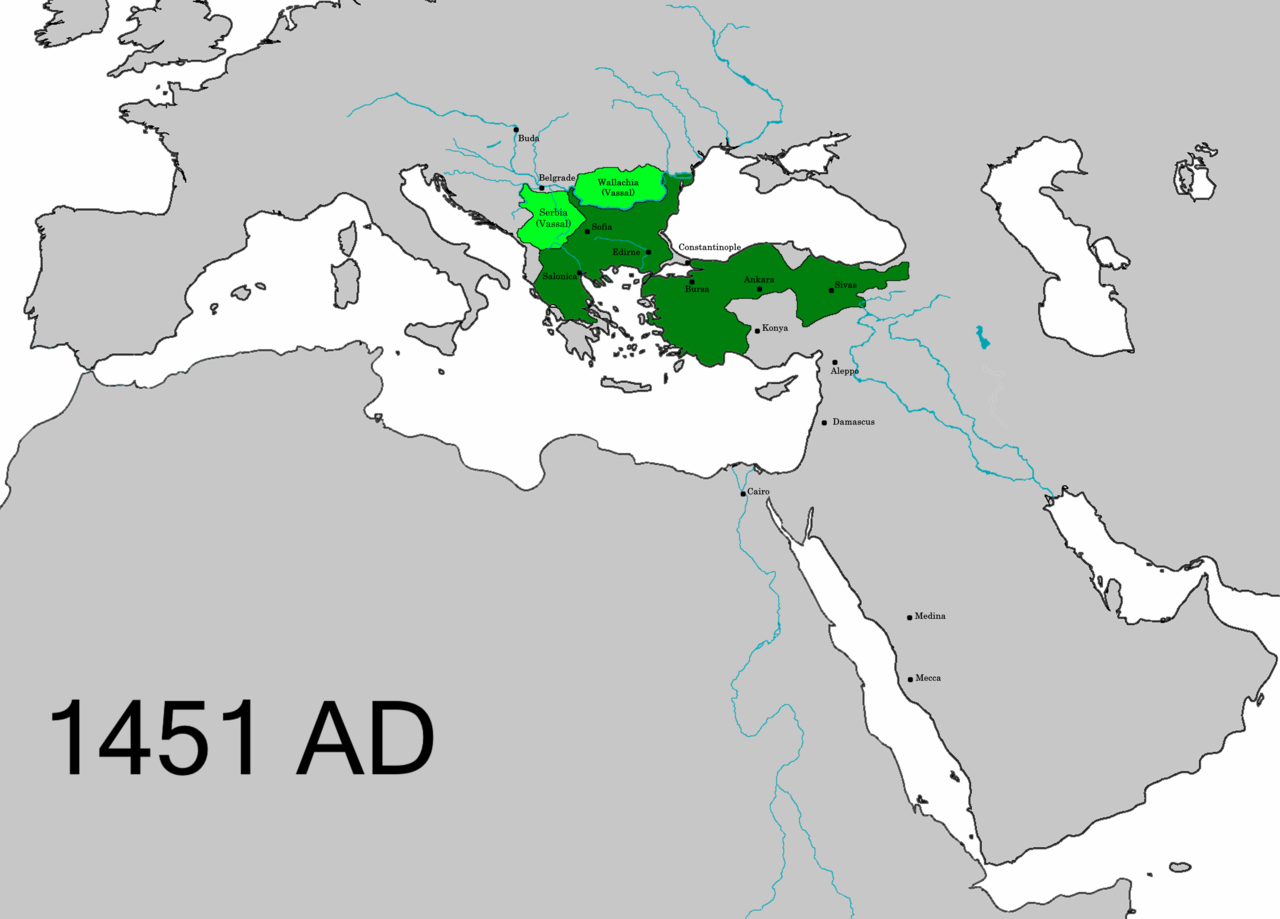
Credit: owlcation.com
Modern-day Countries On Ottoman Land
The Ottoman Empire once stretched across a vast region, covering parts of three continents. Today, its former lands are divided among several modern countries, each holding pieces of this rich history. Understanding where the Ottoman Empire was located helps you appreciate the lasting impact it has on these nations.
Turkey’s Historical Sites
Turkey is the heartland of the Ottoman Empire, where its story began and flourished for centuries. Cities like Istanbul, formerly Constantinople, showcase iconic landmarks such as the Topkapi Palace and the Hagia Sophia. Walking through these sites, you can almost feel the empire’s presence shaping the culture and architecture.
If you visit Turkey, take time to explore lesser-known Ottoman gems like Edirne’s Selimiye Mosque. These places reveal how the empire’s influence spread across urban and rural areas alike.
Balkan Nations’ Ottoman Heritage
The Balkans carry deep Ottoman roots, visible in architecture, language, and cuisine. Countries like Greece, Serbia, Bosnia, and Bulgaria show this legacy through mosques, bazaars, and traditional crafts. You might notice Ottoman styles blended with local traditions, creating unique cultural tapestries.
Have you ever wondered how Ottoman rule shaped the region’s modern identity? Cities such as Sarajevo and Thessaloniki offer a window into centuries of Ottoman presence that still affects daily life today.
Middle Eastern Territories
The Ottoman Empire also covered vast parts of the Middle East, including modern nations like Syria, Iraq, Lebanon, and Palestine. Here, Ottoman influence appears in historic fortresses, bridges, and administrative buildings. These structures tell stories of trade, governance, and cultural exchange under Ottoman rule.
Visiting these countries, you might find Ottoman-era markets still bustling with life. This reminds you that the empire’s history isn’t confined to textbooks—it lives on in the streets and communities around you.
Frequently Asked Questions
Where Was The Ottoman Empire Located Historically?
The Ottoman Empire was centered in modern-day Turkey. It spanned Southeast Europe, Western Asia, and North Africa from the 14th to 20th centuries.
Which Modern Countries Did The Ottoman Empire Cover?
It included parts of Turkey, Greece, Bulgaria, Egypt, Syria, Iraq, and the Balkans. Its vast reach influenced many cultures.
What Was The Capital Of The Ottoman Empire?
The capital was Constantinople, now Istanbul, Turkey. It served as the empire’s political and cultural hub.
How Did The Ottoman Empire’s Location Affect Trade?
Its strategic location bridged Europe and Asia. It controlled key trade routes, boosting economic and cultural exchange.
Conclusion
The Ottoman Empire stood at the crossroads of Europe and Asia. It covered parts of modern Turkey, the Middle East, and Southeast Europe. This location made it powerful and influential for centuries. Its rich history still shapes many cultures today.
Understanding where it was helps us learn about its impact. The empire’s legacy lives on in art, architecture, and traditions. Exploring its location reveals why it mattered so much. The Ottoman Empire’s place in history is truly unforgettable.



