
Are you tired of plain, boring pouf covers that don’t match your style? Imagine creating your own unique pouf cover that perfectly fits your space and personality.
It’s easier than you think, and you don’t need to be a sewing expert. In this guide, you’ll discover simple steps to transform your pouf with a cover made by your own hands. Ready to add a fresh, personal touch to your home?
Keep reading, and let’s get started!
Credit: yarnandchai.com
Materials Needed
Gathering the right materials is key to making a great pouf cover. Choose fabrics and tools that match your style and skill level. Having everything ready makes the process smooth and enjoyable.
Fabric Selection
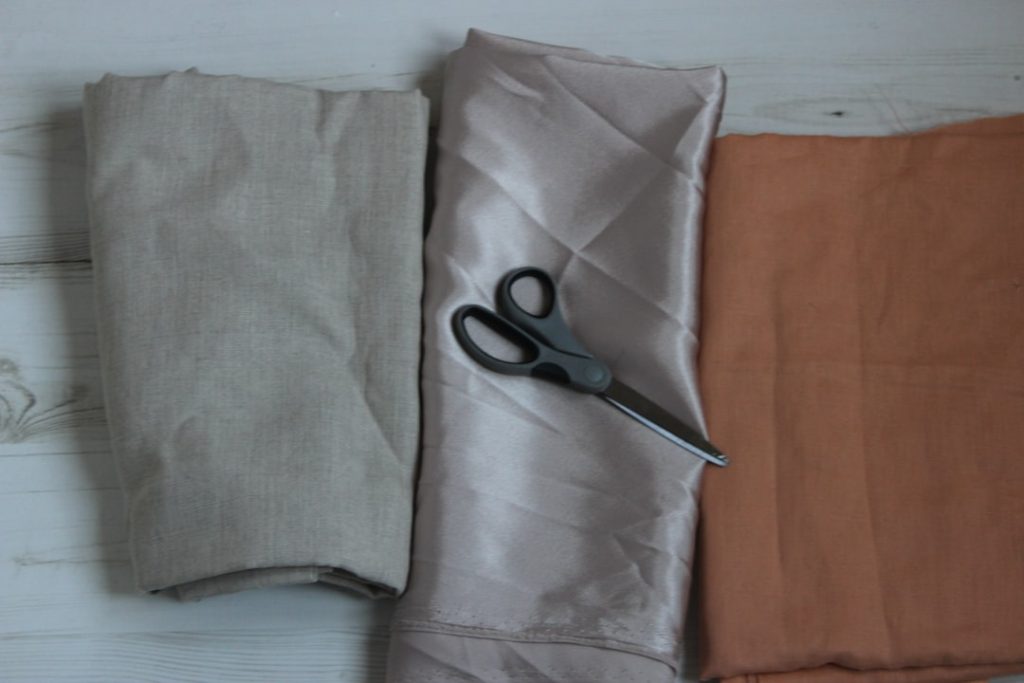
Pick a fabric that feels strong and looks good. Cotton and linen are easy to sew and clean. Canvas or denim adds durability for heavy use. Think about color and pattern to match your room. Measure your pouf before buying fabric to get enough material.
Tools And Accessories
- Measuring tape for accurate size
- Fabric scissors for clean cuts
- Pins to hold fabric pieces together
- Sewing machine or needle and thread
- Zipper or buttons for closure
- Chalk or fabric marker to mark cuts
- Iron to smooth fabric before sewing
Credit: yarnandchai.com
Measuring Your Pouf
Measuring your pouf is a key step before making a cover. Accurate measurements ensure the cover fits snugly and looks neat. Taking careful measurements saves fabric and prevents mistakes. This section explains how to measure your pouf correctly.
Taking Accurate Dimensions
Start by measuring the height of the pouf from the base to the top. Next, measure the width and length across the widest points. Use a flexible tape measure for curved or round poufs. Write down each measurement clearly. Double-check to avoid errors.
For round poufs, measure the diameter across the center. For square or rectangular poufs, measure each side separately. Measuring precisely helps create a well-fitted cover.
Accounting For Seams And Allowance
Add extra space for seams and sewing allowance to your measurements. Usually, add about 1 inch (2.5 cm) on each side. This space allows for sewing the fabric edges together.
Also, add some allowance for ease. This helps the cover fit comfortably without being too tight. Around 0.5 inch (1.3 cm) extra is enough. Mark these allowances clearly on your measurement notes.
Remember, allowance helps your cover last longer and look professional. Take your time to add this step carefully.
Cutting The Fabric
Measure your fabric carefully to match your pouf’s size and shape. Use sharp scissors to cut straight, clean edges for a neat finish. Ensure accuracy to avoid fabric waste and ensure a perfect fit.
Cutting the fabric is a crucial step in making your own pouf cover. Start with the right tools and materials for success. Use sharp scissors or a rotary cutter. This ensures clean edges. Choose fabric that complements your space. Measure your pouf accurately. This prevents wastage and ensures a snug fit.Marking The Patterns
Lay the fabric flat on a large surface. Use a measuring tape for accuracy. Mark the dimensions with tailor’s chalk. This helps in visualizing the pattern. Create clear lines for each piece. Remember to mark seam allowances. These are essential for stitching. Double-check measurements before cutting.Tips For Precise Cutting
Use sharp scissors or a rotary cutter. This provides neat edges. Hold the fabric taut while cutting. This prevents shifting and mistakes. Cut along the marked lines carefully. Maintain a steady hand for precision. Avoid rushing the cutting process. Take breaks if needed for accuracy. A well-cut fabric makes sewing easier.
Credit: makezine.com
Sewing The Cover
Sewing the cover is where your pouf really starts to take shape. This step brings your fabric to life, turning flat pieces into a cozy, stylish accessory for your home. Whether you’re a beginner or have some sewing experience, mastering a few essential techniques will make the process smooth and enjoyable.
Basic Stitching Techniques
Start by choosing a strong thread that matches your fabric color. Use a straight stitch on your sewing machine for most seams—it’s reliable and easy to control. If you don’t have a machine, a backstitch by hand will give you a neat, durable seam.
Remember to sew with the fabric inside out so the seams stay hidden when you flip the cover right side out. Pinning the pieces together before stitching helps keep everything aligned. If you want extra strength, sew a second line of stitching just inside the first.
Adding A Zipper Or Closure
Adding a zipper makes it easier to remove the cover for washing or swapping fabrics. Pick a zipper length that matches one side of your pouf cover, usually around 18 to 24 inches. A concealed zipper looks clean, but a visible one can add a fun design element.
Attach the zipper by placing it face down along the fabric edge and sewing slowly to avoid puckering. If zippers feel tricky, try using hook-and-loop tape (Velcro) or buttons instead—they’re simple and just as effective. Which closure would you find easiest to use regularly?
Fitting The Cover
Fitting the cover onto your pouf is a crucial step that ensures it looks neat and stays in place. A well-fitted cover not only enhances the pouf’s appearance but also protects it from wear and tear. Let’s dive into how to stretch, adjust, and secure your cover for the best results.
Stretching And Adjusting
Start by gently pulling the cover over the pouf, paying close attention to the corners. You want the fabric to sit snugly without overstretching, which could damage the material or cause it to lose shape.
If you notice any wrinkles or loose spots, adjust the fabric by smoothing it with your hands. Stretch the cover evenly around the sides to avoid bunching.
Have you ever tried fitting a cover only to find it too tight or too loose? Take your time here. A little patience can save you from having to redo the work later.
Securing The Cover In Place
Once the cover fits well, it’s time to secure it. Depending on your pouf design, this could mean sewing, using Velcro strips, or adding zipper closures.
If your cover has a zipper, make sure it closes smoothly without forcing it. For Velcro, press firmly to ensure a tight hold that won’t slip over time.
Consider adding a few hand-stitched tacks at the seams for extra security if your pouf gets heavy use. This small step can extend the life of your cover significantly.
Styling Ideas
Styling your pouf cover lets you bring personality to any room. It changes the look and feel of your space with simple touches. Choosing the right colors and patterns makes your pouf stand out or blend in. Adding decorative elements creates texture and interest. These ideas help create a unique piece that fits your style.
Choosing Colors And Patterns
Pick colors that match your room’s palette for harmony. Bright colors add energy and make your pouf a focal point. Soft colors create a calm, cozy vibe. Patterns add character and depth. Stripes give a modern feel. Florals bring a fresh, natural touch. Geometric shapes add a trendy edge. Mix solid colors with patterns for balance.
Adding Decorative Elements
Decorative elements make your pouf cover special. Use buttons to add charm and texture. Tassels create a playful and boho look. Embroidery adds detail and a handmade feel. Piping along the edges gives a neat, finished look. Fabric paint lets you add custom designs. Small mirrors or beads catch the light and add sparkle.
Maintenance Tips
Maintaining your pouf cover keeps it fresh and lasting longer. Proper care avoids stains and damage. Small efforts prevent big problems later. Follow these simple tips to keep your pouf cover looking great.
Cleaning Instructions
Regular cleaning keeps the fabric bright and soft. Dust off your pouf cover often with a soft brush.
For machine-washable covers, use cold water and gentle detergent. Avoid bleach to protect colors.
Spot clean stains quickly using mild soap and a damp cloth. Blot, do not rub, to prevent fabric wear.
Air dry the cover flat to keep its shape. Avoid direct sunlight to stop fading.
Repairing Small Damages
Fix small tears or loose threads early to prevent bigger rips. Use a needle and matching thread for hand stitching.
For holes, patch with fabric glue or a sewn patch inside the cover. This strengthens weak spots.
Replace broken zippers or buttons immediately. This keeps the cover functional and easy to remove.
Check seams regularly and reinforce with extra stitches if needed. Strong seams extend the cover’s life.
Frequently Asked Questions
What Materials Are Needed To Make A Pouf Cover?
You need fabric, scissors, thread, needle or sewing machine, zipper or buttons, and stuffing material. Choose durable and washable fabric for easy maintenance.
How Do I Measure For A Pouf Cover?
Measure the diameter and height of your pouf accurately. Add extra fabric for seams and closures to ensure a snug fit.
Can I Use A No-sew Method For Pouf Covers?
Yes, fabric glue, iron-on adhesive, or safety pins can work. However, sewn covers offer better durability and a neater finish.
How Do I Add A Zipper To A Pouf Cover?
Sew the zipper along one side seam carefully. This allows easy removal of the cover for washing or replacing the stuffing.
Conclusion
Making your own pouf cover is simple and fun. Choose fabric you like and follow easy steps. You save money and add a personal touch to your space. It feels good to create something with your hands. Try different colors or patterns to match your room.
Your pouf will look fresh and unique. Keep practicing, and your sewing skills will grow. Enjoy your cozy, handmade pouf cover every day.



