
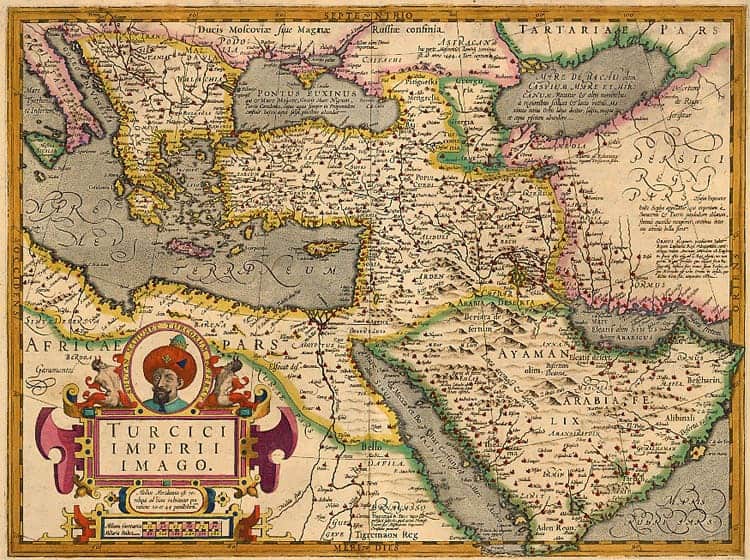
Have you ever wondered what goods traveled across the vast lands of the Ottoman Empire? Understanding what the Ottoman Empire traded opens a window into a world of spices, silk, and treasures that shaped history.
You’re about to discover how these trades influenced cultures, economies, and even your daily life today. Keep reading to uncover the fascinating items that moved through bustling markets and connected continents in ways you never imagined.

Credit: owlcation.com
Key Commodities Traded
The Ottoman Empire thrived through trade, connecting East and West. It traded many valuable goods that fueled its economy and culture. Merchants brought products from distant lands to Ottoman markets. These key commodities shaped daily life and wealth across the empire.
Spices And Herbs
Spices and herbs were highly prized in Ottoman trade. Black pepper, cinnamon, and cloves came from India and Southeast Asia. These spices added flavor to food and had medicinal uses. Herbs like mint and thyme grew locally and were widely traded. The spice trade brought wealth and exotic tastes to Ottoman kitchens.
Textiles And Fabrics
Textiles were a major Ottoman export and import. Cotton and wool fabrics were made in Ottoman workshops. Fine fabrics like silk and velvet were imported from Asia. Colorful patterns and quality materials made Ottoman textiles popular across Europe and Asia. Fabrics were used for clothes, upholstery, and gifts.
Precious Metals And Gems
Gold and silver flowed through Ottoman markets. These metals were used for coins, jewelry, and art. Precious gems like rubies, emeralds, and diamonds came from mines in Asia and Africa. Ottoman craftsmen created intricate jewelry and decorative items. Metals and gems signified wealth and power in the empire.
Ceramics And Pottery
Ceramics were an important Ottoman craft. The empire produced beautiful hand-painted tiles and pottery. Iznik ceramics were famous for their bright colors and designs. Pottery was used in homes, mosques, and palaces. These ceramics were also popular export items to Europe and the Middle East.
Silk And Carpets
Silk was a luxury fabric in the Ottoman world. It came from China and was woven locally into fine cloth. Ottoman silk was used for clothing and decorations. Carpets were another key trade item. They were handwoven with detailed patterns and rich colors. Ottoman carpets were prized for their quality and artistry.
Major Trade Routes
The Ottoman Empire thrived through extensive trade networks that spanned continents. These major trade routes connected diverse regions, allowing goods, ideas, and cultures to flow freely. Understanding these routes reveals how the empire became a key player in global commerce.
Land Routes Across Asia
Land routes crossed vast parts of Asia, linking the empire to Central and East Asia. The Silk Road was a vital path for silk, spices, and precious stones. Caravans traveled through deserts and mountains, carrying valuable goods to Ottoman markets.
These routes supported trade with China, India, and Persia. Merchants exchanged textiles, ceramics, and metals. The land routes helped the empire control important trade hubs and collect taxes.
Maritime Paths In The Mediterranean
The Mediterranean Sea was a busy highway for Ottoman ships. Ports along the coast connected Europe, Asia, and Africa. Ships carried olive oil, wine, grains, and luxury items like glassware and carpets.
Naval power protected these maritime paths. The empire traded extensively with Italian city-states and other Mediterranean powers. Sea routes allowed faster and safer transport of goods.
Connections To Europe
Trade links with Europe grew through overland and sea routes. Ottoman cities like Istanbul became trade centers. Europeans brought silver, wool, and weapons to exchange for spices and silk.
Markets in Venice, Genoa, and other cities thrived from Ottoman trade. These connections influenced European culture and economy. The empire served as a bridge between East and West.
Links With Africa And The Middle East
The empire’s southern borders touched important African and Middle Eastern trade zones. Goods like gold, ivory, and slaves came from Africa. Middle Eastern merchants traded coffee, dates, and textiles.
Caravan routes crossed deserts to connect these regions. Ottoman control ensured safe passage for traders. These links expanded the empire’s reach and wealth.
Trade Partners And Markets
The Ottoman Empire traded spices, silk, and precious metals with Europe, Asia, and Africa. It connected diverse markets through key trade routes. Goods like coffee, textiles, and ceramics were highly valued across its vast territories.
Trade fueled the Ottoman Empire’s growth and prosperity. Its strategic location bridged Europe, Asia, and Africa. This made it a crucial trade hub. The empire’s vast network of trade partners brought in wealth and resources. Let’s explore some of these key partners and markets.European Kingdoms
The Ottoman Empire traded extensively with European kingdoms. They exchanged goods like silk, spices, and coffee. European kingdoms provided silver, wool, and textiles. These exchanges strengthened diplomatic ties and boosted economic growth.Asian Empires
The Ottomans engaged in trade with powerful Asian empires. They imported silk and ceramics from China. Spices and textiles came from India. These items were highly valued in Ottoman markets. The trade routes across Asia enriched both regions.African States
Trade with African states brought ivory, gold, and slaves to the Ottomans. The empire exported textiles, firearms, and metals. This trade created a flow of wealth and resources across the Mediterranean. African goods were integral to the Ottoman economy.Local And Regional Markets
Local markets within the empire thrived with diverse products. Farmers sold grains, fruits, and vegetables. Artisans offered handcrafted goods. These markets supported the empire’s internal economy. Regional trade connected different parts of the vast empire. It ensured the movement of goods and sustained local livelihoods.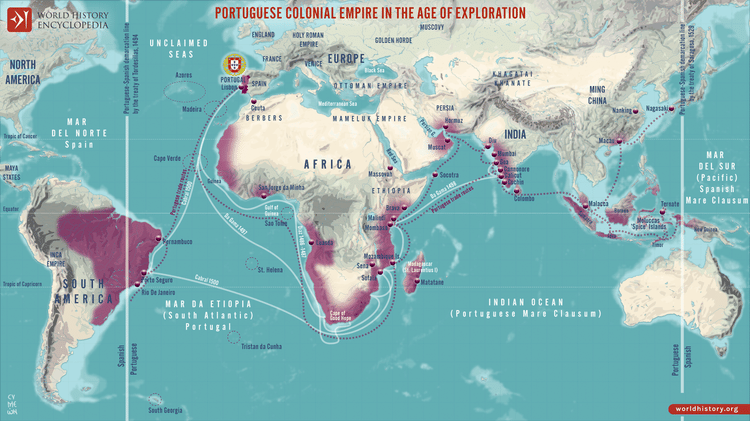
Credit: www.worldhistory.org
Economic Impact Of Trade
Trade shaped the Ottoman Empire’s economy deeply. It connected distant lands and different cultures. Trade routes brought wealth and new goods. This flow of commerce helped cities grow and thrive. It also influenced the empire’s power and culture. The banking system developed to support this expanding trade. The empire became a hub of economic and cultural activity.
Growth Of Cities And Ports
Trade caused cities to expand rapidly. Key ports like Istanbul and Alexandria became bustling centers. Merchants and traders gathered to exchange goods. Cities built markets, warehouses, and docks to handle trade. This growth created jobs and boosted local economies. Ports served as gateways connecting Europe, Asia, and Africa.
Influence On Ottoman Wealth
Trade brought significant wealth to the empire. Valuable goods like silk, spices, and coffee passed through Ottoman lands. Taxes on trade added to the state’s income. Wealth funded the military and public works. The empire’s financial strength helped it maintain power for centuries.
Role In Cultural Exchange
Trade routes carried more than goods. Ideas, art, and technology traveled with merchants. Different cultures mixed in Ottoman markets and cities. This exchange influenced Ottoman architecture, cuisine, and crafts. The empire became a melting pot of traditions and knowledge.
Development Of Banking And Credit
Trade growth led to new financial tools. Merchants needed ways to manage money and credit. Banks and moneylenders began offering loans and letters of credit. These services made long-distance trade easier and safer. The Ottoman financial system grew more complex and efficient.
Trade Regulations And Policies
Trade was vital to the Ottoman Empire’s economy and power. To manage this complex system, the empire set clear trade regulations and policies. These rules helped control goods, merchants, and taxes across vast lands. They also ensured fair practices and protected local industries. The empire’s trade policies balanced state control with merchant freedom, shaping trade routes and market stability.
Customs And Tariffs
The Ottoman Empire applied customs duties on goods entering or leaving its markets. Tariffs varied by product type and origin. These taxes funded the state and protected local businesses. Customs officials inspected goods at borders and ports. Traders had to declare their merchandise and pay fees. These rules kept trade fair and stopped smuggling.
Guilds And Merchant Organizations
Guilds played a key role in regulating trade and craftsmanship. They set quality standards and controlled prices for goods. Guilds protected their members’ interests and resolved disputes. Merchant organizations helped organize caravans and sea voyages. They provided support and shared market information. These groups created trust and order in trade networks.
State Control And Monopolies
The Ottoman government controlled important goods like salt, silk, and weapons. The state often held monopolies on these items. This control ensured steady supply and stable prices. It also increased state revenue and power. Officials monitored trade activities closely. They could limit or promote certain products as needed.
Diplomatic Trade Agreements
The empire signed trade treaties with other nations. These agreements set rules for merchants from both sides. They reduced tariffs and protected traders’ rights abroad. Such treaties opened new markets for Ottoman goods. They also helped avoid conflicts over trade. Diplomacy played a major role in expanding commerce.

Credit: uk.news.yahoo.com
Challenges In Ottoman Trade
Trade was vital for the Ottoman Empire’s economy and growth. Yet, many challenges made trading difficult and risky. These hurdles affected how goods moved across land and sea. The empire faced threats from pirates, rivals, political struggles, and new technology. Each challenge shaped the empire’s trade routes and success.
Piracy And Security Issues
Pirates often attacked Ottoman ships in the Mediterranean Sea. These raids caused loss of goods and lives. The empire had to spend resources on protecting trade routes. Strong naval patrols and fortified ports were necessary. Still, piracy remained a constant danger for merchants and sailors.
Competition From European Powers
European countries like Spain, Portugal, and Venice competed for control of trade. They sought new sea routes to Asia, bypassing Ottoman lands. This competition reduced Ottoman control over key trading paths. European powers offered cheaper goods and new products. Ottoman merchants faced pressure to keep prices and quality high.
Geopolitical Conflicts
The Ottoman Empire was often involved in wars with neighbors and rivals. These conflicts disrupted trade routes and markets. Borders could close suddenly, blocking goods from moving. Alliances and treaties changed frequently, adding uncertainty. Traders needed to adapt quickly to shifting political landscapes.
Technological Changes In Navigation
Advances in navigation technology gave European ships an advantage. Better maps, compasses, and ships allowed longer voyages. Europeans reached new markets and sources of wealth. The Ottomans were slower to adopt these innovations. This gap limited their ability to expand overseas trade. Keeping up with technology was crucial for trade survival.
Legacy Of Ottoman Trade
The legacy of Ottoman trade reaches far beyond the exchange of goods. It shaped cultures, influenced global trade routes, and preserved priceless historical artifacts. Understanding this legacy helps you see how past connections still affect our world today.
Cultural Influences On Art And Cuisine
The Ottoman Empire’s trade brought together diverse cultures, blending traditions in art and food. You can spot this mix in intricate tile work and calligraphy found across former Ottoman lands.
Trade introduced spices like cinnamon and saffron into Ottoman kitchens, creating rich flavors that still inspire dishes today. Have you ever tasted baklava or kebabs? These treats carry stories of trade routes and cultural exchange.
Impact On Modern Trade Routes
Many modern trade routes follow paths once traveled by Ottoman merchants. The empire connected Europe, Asia, and Africa, making cities like Istanbul key hubs.
Understanding these routes can help you appreciate why certain markets thrive and how goods move across continents now. Could your business benefit from tapping into these historic trade corridors?
Preservation Of Historical Artifacts
Trade wealth helped preserve Ottoman architecture, manuscripts, and artifacts. Museums today showcase these items, offering a window into the empire’s rich commercial history.
Visiting these collections lets you experience the tangible legacy of Ottoman trade. What stories do you think these artifacts tell about the people who once traded them?
Frequently Asked Questions
What Goods Did The Ottoman Empire Export?
The Ottoman Empire mainly exported silk, spices, coffee, carpets, and textiles. These goods were highly sought after in Europe and Asia, boosting the empire’s economy and trade influence.
Which Regions Traded With The Ottoman Empire?
The Ottoman Empire traded with Europe, Asia, and North Africa. Key partners included Venice, Persia, India, and Egypt, facilitating a vast network of cultural and commercial exchange.
How Important Was Spice Trade For The Ottomans?
Spice trade was crucial for the Ottomans, as spices were valuable luxury items. Controlling spice routes helped the empire gain wealth and control over key trade passages.
Did The Ottoman Empire Trade In Precious Metals?
Yes, the Ottomans traded gold and silver, which were vital for currency and wealth. These metals supported their economy and enabled extensive international trade.
Conclusion
The Ottoman Empire traded many valuable goods across continents. Spices, silk, and precious metals moved along busy routes. These trades helped shape cultures and economies worldwide. Merchants connected East and West, sharing products and ideas. Trade made the empire rich and powerful for centuries.
Understanding this trade reveals how history links different lands. It shows the importance of exchange in building civilizations. The Ottoman Empire’s trade legacy still interests historians today. A story of goods, people, and cultures coming together.



