
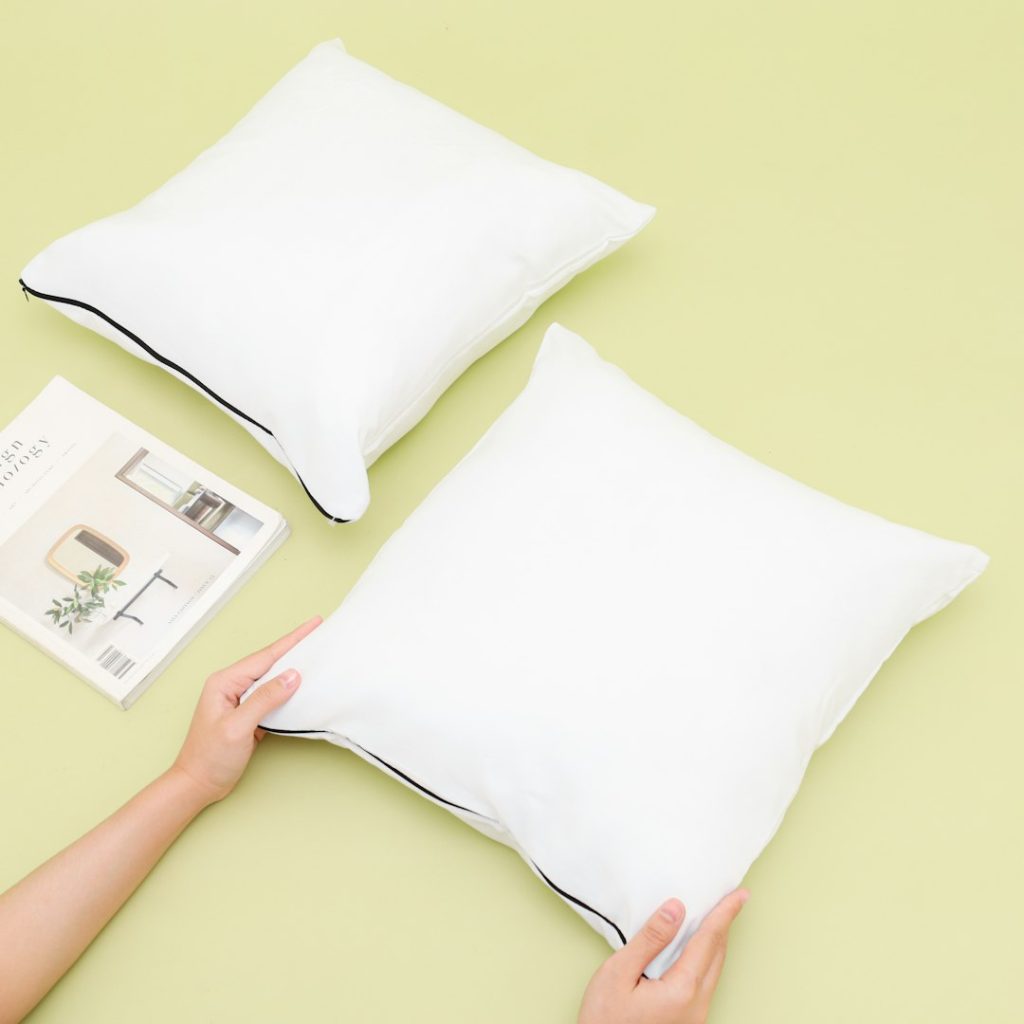
Looking for a quick and easy way to add comfort and style to your living space? You’re in the right place.
Making a no sew floor pillow pouf is simpler than you might think—and you don’t need any special skills or tools. Imagine having a cozy spot to relax that you made yourself, saving money and customizing it exactly how you want.
Stick with me, and I’ll show you step-by-step how to create this perfect addition to your home. Ready to get started? Let’s dive in!
Materials Needed
Gathering the right materials is the first step to creating your no-sew floor pillow pouf. The best part? You don’t need fancy tools or expensive fabrics to get started. Think about what you already have at home or what’s easily available nearby.
Choosing simple, durable supplies makes the project easier and the final product more comfortable. Have you ever tried making something with minimal tools and been surprised by how well it turned out? That’s exactly what this DIY is about—easy, fun, and practical.
Fabric
- Type:Look for thick cotton, canvas, or upholstery fabric for durability.
- Size:At least 2 yards to ensure enough material to wrap and stuff your pouf.
- Pattern:Choose a print or color that matches your room’s vibe or stands out as a statement piece.
Picking the right fabric means your pouf will last longer and feel cozy to sit on. Don’t hesitate to visit thrift stores or fabric outlets where you might find great deals or unique patterns.
Stuffing Material
- Options:Polyester fiberfill, old pillows, foam pieces, or even clean recycled clothes.
- Quantity:Enough to fill your pouf firmly but still soft to sit on.
Using what you have at home can save money and reduce waste. Ever tried repurposing old cushions? It’s rewarding to give them new life in a project like this.
Additional Supplies
- Fabric glue or double-sided fabric tape:Helps keep the fabric edges secure without sewing.
- Scissors:Sharp enough to cut through thick fabric cleanly.
- Measuring tape or ruler:To get precise cuts and folds.
- Chalk or fabric marker:For marking fabric edges before cutting.
Having these items ready will speed up your work and improve your results. Imagine finishing your pouf in an afternoon with just these simple tools!

Credit: www.youtube.com
Choosing The Right Fabric
Choosing the right fabric is key to making a no sew floor pillow pouf. The fabric affects comfort, durability, and style. Picking a good material ensures your pouf stays beautiful and lasts long.
Consider where you will use the pouf. Indoor use allows for softer fabrics. Outdoor poufs need tougher, weather-resistant materials. The fabric should also feel good to sit on.
Fabric Types To Consider
- Cotton:Soft, breathable, and easy to clean. Great for indoor use.
- Canvas:Heavy-duty and strong. Ideal for high-traffic areas.
- Faux leather:Stylish and easy to wipe clean. Works well for modern decor.
- Denim:Durable and casual. Perfect for a relaxed look.
- Outdoor fabric:Water-resistant and UV-protected. Best for patios and gardens.
Choosing The Right Weight And Texture
Heavier fabrics hold shape better. They make the pouf sturdy and long-lasting. Lighter fabrics feel soft but may wear out fast.
Texture adds character. Smooth fabrics create a sleek look. Textured fabrics add coziness and depth.
Color And Pattern Selection
Pick colors that match your room’s style. Neutral tones fit most spaces. Bright colors add a fun pop.
Patterns can hide dirt and stains. Stripes, florals, or geometric shapes bring personality.
Cutting The Fabric
Cut fabric carefully using sharp scissors for clean edges. Measure twice to ensure the right size before cutting. This step sets the base for your no sew floor pillow pouf.
Cutting the fabric is a crucial step in crafting your no sew floor pillow pouf. Precise measurements ensure your pillow looks professional and fits perfectly in your space. Take your time with this stage to achieve a neat result. Select a durable fabric that suits your décor. Cotton, denim, or upholstery fabric works well. Ensure the fabric is thick enough to withstand wear.Gathering Essential Tools
Before cutting, gather your tools. You’ll need sharp fabric scissors or a rotary cutter. A measuring tape and chalk or fabric pen are also essential.Measuring And Marking The Fabric
Measure your fabric with accuracy. Use a tape measure to ensure precise dimensions. Mark the fabric with chalk or a fabric pen. Draw straight lines for clean cuts.Cutting The Fabric Pieces
Cut along the marked lines carefully. Keep your cuts straight for a professional finish. Use fabric scissors for precise edges.Ensuring Enough Fabric For Seams
Leave extra fabric around the edges for seams. This prevents fraying and ensures durability. Aim for at least an inch of extra fabric.Double-checking Measurements
Double-check your measurements before cutting. This saves time and prevents mistakes. Adjust any markings if necessary.Organizing The Cut Pieces
Organize your fabric pieces after cutting. Lay them flat and keep them stacked. This step simplifies the assembly process.
Credit: www.youtube.com
Folding And Securing Edges
Folding and securing the edges of your no sew floor pillow pouf is a key step that shapes the final look and durability of your project. This process ensures the fabric holds together firmly without any stitches, giving you a clean and polished finish. Mastering this part will make your pouf both sturdy and comfortable, ready for everyday use.
Choosing The Right Folding Technique
Start by folding the fabric edges evenly to create neat corners. You want the folds to be smooth and consistent, so the pouf maintains its shape. Pinch the fabric gently to find the best way to fold it before securing—this helps avoid bulky or uneven seams.
Try folding the edges inward about 1 to 2 inches depending on your fabric thickness. Thinner fabrics work well with smaller folds, while thicker ones need a bit more room to avoid bunching. Have you noticed how a simple change in fold width can affect the pouf’s firmness?
Securing Edges With Fabric Glue Or Double-sided Tape
Once your folds are in place, it’s time to keep them secure without sewing. Fabric glue is a fantastic option because it dries clear and stays flexible. Apply a thin line of glue along the fold and press the fabric firmly together for a few seconds.
If you prefer a no-mess alternative, double-sided fabric tape works just as well. It’s quick and clean, ideal for beginners or last-minute projects. Just make sure to press the edges thoroughly to prevent any peeling later on.
Using Safety Pins Or Clips For Extra Hold
In some cases, fabric glue or tape might need extra support while drying or setting. Safety pins or small clips can hold the folds in place temporarily. This trick helped me keep my pouf’s corners sharp without any shifting during assembly.
Be cautious with pins if you plan to use the pouf frequently. Remove them as soon as the glue or tape has dried to avoid any discomfort or damage. Would you consider using clips instead for a gentler hold?
Final Check: Smooth And Secure
After securing, run your fingers along the edges to feel for any loose spots or bumps. Smooth folds improve both the pouf’s look and comfort. Make adjustments now instead of later—it’s easier to fix small issues before stuffing the pouf.
Remember, tight and tidy edges help your no sew floor pillow pouf last longer. What small detail can you focus on today to elevate your handmade projects?
Stuffing The Pouf
Stuffing your no sew floor pillow pouf is where it really starts to take shape. The right stuffing transforms your pouf from a simple fabric bundle into a comfy, supportive piece that invites you to relax. How firm or soft you want your pouf will depend on the kind and amount of stuffing you add, so this part deserves your careful attention.
Choosing The Right Stuffing Material
You have several options for stuffing your pouf, each offering a different feel and durability. Polyester fiberfill is lightweight and soft, making your pouf plush and squishy. If you want a firmer pouf, consider using foam chunks or even recycled fabric scraps.
Think about how you plan to use the pouf. Will it be a footrest, extra seating, or just a decorative piece? Your choice of stuffing affects comfort and shape retention over time.
Filling The Pouf Evenly
Start by adding small amounts of stuffing and pushing it into corners and edges to maintain the shape. Don’t just dump it in the center; uneven stuffing will make your pouf lumpy and uncomfortable. Use your hands to spread the stuffing evenly and create a smooth surface.
Try sitting on your pouf as you stuff it to test firmness. Does it feel too soft or too hard? Adjust by adding or removing stuffing until it feels just right for your needs.
Sealing The Pouf Securely
Once you’re happy with the stuffing, it’s important to close your pouf tightly to keep everything in place. If you’re using a no sew method, tying the fabric edges firmly or using strong fabric glue can work well. Make sure the closure is tight enough to prevent stuffing from escaping but not so tight that it distorts the shape.
Have you checked for any gaps or loose ends? A secure seal ensures your pouf stays comfy and clean for everyday use.
Finishing Touches
Finishing touches can transform your no-sew floor pillow pouf from simple to stunning. These final details give your project personality and ensure it looks polished. Paying attention to these small steps can also boost the pillow’s durability and comfort.
Adding Decorative Elements
Think about adding a few decorative elements that reflect your style. You can use fabric glue to attach buttons, tassels, or patches to the surface. These details make your pouf unique and inviting without needing any sewing skills.
Have you considered using ribbons or fabric strips tied around the pouf? They add texture and can also help hold the stuffing in place. Experiment with colors and patterns that match your room’s vibe.
Securing The Opening
The way you close the opening affects both the look and function of your pouf. Use strong fabric glue or double-sided tape to seal the edges neatly. Press firmly and let it dry completely to avoid gaps or loose stuffing.
If you want a removable cover, try folding the fabric edges inward and securing with Velcro strips. This allows easy washing and keeps your pouf fresh. What closure method will work best for your lifestyle?
Fluffing And Shaping
Once closed, give your pouf a good fluff to distribute the stuffing evenly. Press and shape it by hand to get the perfect balance of firmness and comfort. This step can change how your pouf feels and looks in your space.
Check if the pouf holds its shape or if it needs more filling. Adding extra stuffing can make it cozier and more supportive. How do you like your floor pillow—soft and squishy or firm and structured?
Styling Your Pouf
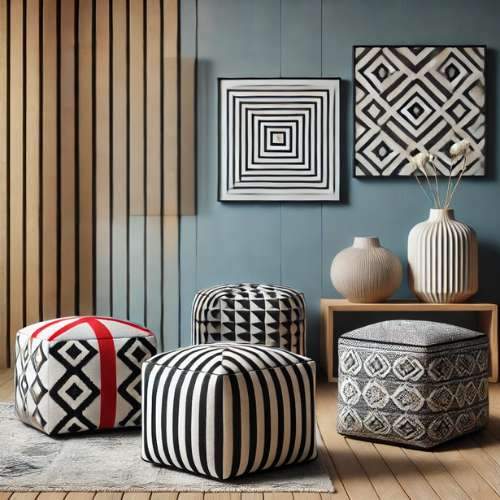
Styling your no sew floor pillow pouf is where creativity meets comfort. This pouf isn’t just a functional piece; it can become a statement in your living space. How you style it can completely change the vibe of your room, making it cozy, chic, or playful.
Choosing The Right Fabric Patterns And Colors
Your pouf’s fabric sets the tone. Bold patterns can make it a focal point, while neutral colors blend seamlessly with existing decor. Think about the colors already in your room—do you want your pouf to contrast or complement them?
Try mixing textures too; a soft velvet look can feel luxurious, while a rustic burlap adds a casual charm. Don’t hesitate to experiment with unexpected colors—you might discover a new favorite combination.
Placement Tips For Maximum Impact
Where you place your pouf affects both style and function. Position it near a sofa for extra seating, or use it as a footrest by your favorite reading chair. You could even place it in an empty corner to fill the space with warmth.
Think about traffic flow in the room—will your pouf be in the way or invite people to gather around? Try moving it around and observe how it changes the room’s energy.
Accessorizing Your Pouf For Added Flair
Adding accessories can elevate your pouf’s look instantly. Consider a small tray on top to hold a book or cup of tea, making it both stylish and functional. You can also drape a lightweight throw over one side for a pop of color and texture.
What about adding a few decorative pillows? They can complement the pouf and create a cozy nook. Remember, accessories are a chance to express your personality—don’t be afraid to play with shapes and sizes.
Credit: www.reasonstoskipthehousework.com
Maintenance Tips
Keeping your no sew floor pillow pouf looking fresh and cozy requires simple yet effective maintenance. Regular care not only extends its life but also keeps it inviting for you and your guests. Let’s dive into easy ways to maintain your pouf without any hassle.
Regular Cleaning And Spot Treatment
Dust and dirt can settle quickly on your pouf, especially if it’s in a high-traffic area. Use a handheld vacuum or a soft brush to gently remove surface dust weekly. For spills or stains, act fast—dab the area with a damp cloth and mild soap. Avoid rubbing hard, as it might push the stain deeper into the fabric.
Fluffing And Reshaping Your Pouf
Your pouf can lose its shape after frequent use. Give it a good fluff every few days by pressing and lifting the filling evenly. This simple step helps maintain its comfort and appearance. Have you noticed how a well-fluffed pouf makes a room feel more welcoming?
Protecting From Sunlight And Moisture
Sunlight can fade fabric colors over time, and moisture can damage the filling. Keep your pouf away from direct sunlight and damp areas like near windows or bathrooms. If you accidentally spill liquid, remove the filling if possible and let it dry completely before reassembling.
Refreshing The Fabric
To keep the fabric smelling fresh, sprinkle baking soda on the surface and let it sit for 15 minutes before vacuuming it off. You can also use fabric fresheners designed for upholstery, but test a small area first to avoid discoloration. This small effort can make your pouf feel brand new again.
When To Replace The Filling
Over time, the filling inside your pouf may become flat or lumpy. If fluffing doesn’t help, consider replacing the filling with new stuffing or foam beads. This upgrade is easy and gives your pouf a second life without needing to make a new cover.
Frequently Asked Questions
What Materials Do I Need For A No Sew Floor Pillow Pouf?
You need fabric, stuffing, fabric glue, scissors, and a ruler. Choose durable fabric for better wear. Use polyester fiberfill or foam for stuffing. Fabric glue replaces sewing, making the process quick and easy.
How Long Does It Take To Make A No Sew Floor Pouf?
It typically takes about 30 to 60 minutes. The time varies by fabric type and your crafting speed. No sewing speeds up assembly, making this a great quick DIY project.
Can I Customize The Size Of My Floor Pillow Pouf?
Yes, you can easily customize the size. Measure and cut fabric pieces according to your preferred dimensions. Larger sizes require more stuffing and glue but are just as simple to make.
Is No Sew Floor Pillow Pouf Durable And Washable?
The durability depends on fabric quality and glue strength. Use strong fabric glue for lasting hold. Most fabric types can be spot cleaned; check fabric care instructions to avoid damage.
Conclusion
Making a no sew floor pillow pouf is simple and fun. You only need a few materials and some patience. This project adds comfort and style to any room. Plus, it saves money compared to buying one. Try different fabrics and colors for a unique look.
Enjoy sitting or resting your feet on your new pouf. Crafting this pillow shows creativity without sewing skills. Give it a try—you might love the result!



