
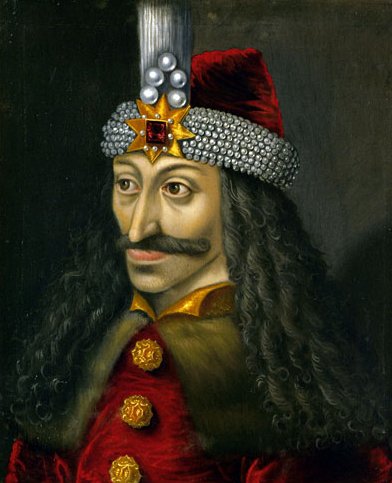
Have you ever wondered if Vlad the Impaler really managed to defeat the mighty Ottoman Empire? His name alone sparks curiosity and fear, but the truth behind his battles is even more fascinating.
If you want to uncover how this fierce ruler stood against one of history’s largest armies, keep reading. By the end, you’ll see why Vlad’s story still captures imaginations and what it means for understanding power and strategy in history.
This isn’t just about old wars—it’s about how determination and tactics can change the course of events. Ready to find out if Vlad truly beat the Ottomans? Let’s dive in.
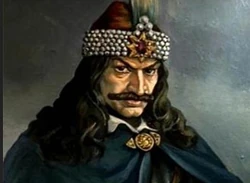
Credit: vampires.fandom.com
Vlad The Impaler’s Rise To Power
Vlad the Impaler’s rise to power is a story of courage and harsh decisions. Born into a noble family, his early years shaped the leader he would become. His fight for Wallachia’s throne happened during a time of great danger. The Ottoman Empire was expanding, and many local rulers struggled to keep control. Vlad’s determination and tactics helped him gain power and defend his land.
Early Life And Background
Vlad was born in 1431 in Transylvania. He was the son of Vlad II Dracul, a Wallachian prince. His family belonged to the Order of the Dragon, a group fighting against the Ottomans. As a child, Vlad spent years as a hostage in the Ottoman Empire. This experience taught him about their power and ways. It also shaped his fierce hatred of the Ottomans. He learned to be both ruthless and smart in battle.
Political Climate In Wallachia
Wallachia was a small but important region. It was caught between Hungary and the Ottoman Empire. Both powers wanted control over Wallachia’s land and people. The local nobility often fought among themselves for the throne. This made the region unstable and vulnerable. Vlad’s rise came during this chaotic time. He used the internal conflicts and external threats to his advantage. His goal was to strengthen Wallachia and resist the Ottomans’ advances.
Ottoman Expansion In The 15th Century
The 15th century marked a period of rapid Ottoman growth. The empire stretched its reach into Eastern Europe. This expansion shaped the region’s political and military landscape. The Ottomans aimed to control key trade routes and fertile lands. Their rise created tension with neighboring states, including Wallachia and Moldavia.
Strong leadership and disciplined armies helped the Ottomans advance. They used siege tactics and strategic alliances to conquer cities. This growth threatened Christian kingdoms and sparked several conflicts. Understanding this context is crucial to grasp the challenges faced by Vlad the Impaler.
Ottoman Ambitions In Eastern Europe
The Ottomans targeted Eastern Europe to secure borders and expand influence. They sought control over the Balkans and Black Sea coast. This region was vital for trade and military access. The empire aimed to weaken local rulers and integrate territories. Their ambition was not only land but also spreading their power and culture.
Many states resisted Ottoman control, leading to frequent clashes. The empire’s strategy included both diplomacy and force. They often installed loyal leaders in conquered lands. The expanding Ottoman presence threatened the independence of small principalities like Wallachia.
Key Battles Before Vlad’s Rule
Several important battles set the stage before Vlad became ruler. The Battle of Kosovo in 1389 was a major Ottoman victory. It opened the door for further Balkan conquests. The Ottomans defeated Hungarian forces at Nicopolis in 1396. This victory solidified their presence in the region.
Wallachia faced multiple invasions and raids during the early 1400s. Local leaders often paid tribute to avoid full conquest. These conflicts weakened the region but did not end resistance. Vlad inherited a tense and unstable situation with the Ottomans.
Vlad’s Military Strategies
Vlad the Impaler used surprise attacks and strong defense to fight the Ottoman Empire. His fierce tactics slowed the Ottomans but did not fully defeat them. These strategies made Vlad a feared and respected leader in his time.
Vlad the Impaler, a name synonymous with fierce resistance, showcased military strategies that were both innovative and terrifying. His approach to warfare was not just about brute force but also cunning tactics that left his enemies baffled. Vlad’s military acumen was instrumental in his resistance against the mighty Ottoman Empire.Guerrilla Tactics And Psychological Warfare
Vlad was a master of guerrilla tactics, utilizing the dense forests and rugged terrain of Wallachia to his advantage. His forces often launched surprise attacks on Ottoman troops, striking swiftly and retreating into the safety of the woods. This approach not only minimized his losses but also kept the larger Ottoman forces on edge. Psychological warfare was another tool in Vlad’s arsenal. He understood the power of fear and used it to demoralize his enemies. Imagine being an Ottoman soldier, marching into a foreign land, only to find your comrades missing and a forest that seemed to move with shadows. Would you not be filled with dread?Use Of Impalement As Deterrence
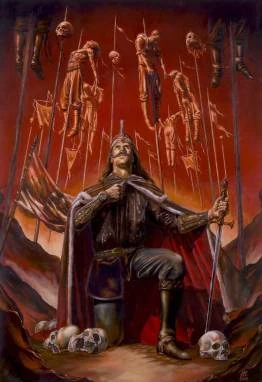
The infamous use of impalement served a dual purpose for Vlad. It was not merely a punishment but a deliberate strategy to instill fear. Columns of impaled victims served as a grim warning to invading forces, a stark reminder of what awaited them. This gruesome tactic was effective in deterring attacks, as it played on the primal fears of Vlad’s enemies. The psychological impact was profound, with many preferring to retreat rather than face such a gruesome fate. The question remains, how far would you go to protect your homeland? Vlad’s strategies, though brutal, were effective in his fight against the Ottomans. His legacy is a testament to the power of unconventional tactics in warfare. Would you consider such strategies effective today, or are they relics of a bygone era?Major Conflicts Between Vlad And The Ottomans
Vlad the Impaler fought many battles against the Ottoman Empire. His efforts were part of a larger struggle to protect Wallachia from Ottoman control. These conflicts shaped his legacy as a fierce and cunning leader. The clashes were marked by unusual tactics and brutal warfare.
The Night Attack At Târgoviște
In 1462, Vlad launched a surprise night attack at Târgoviște. The Ottoman army was camped nearby, resting after a long march. Vlad’s troops moved quietly through the dark forest. They aimed to kill the Ottoman leader, Sultan Mehmed II.
The attack caused chaos in the Ottoman camp. Soldiers woke up to confusion and fear. Vlad’s men used fire and noise to frighten the enemy. Though the Sultan escaped, the attack slowed the Ottoman advance. It showed Vlad’s boldness and willingness to use terror.
Siege Of The Ottoman Forces
After the night attack, Vlad’s forces continued to resist the Ottomans. They used guerrilla warfare and impaled captured enemies as a warning. The Ottomans faced hunger and disease during the long siege. Vlad’s tactics forced many Ottoman soldiers to retreat or die.
The siege tested both sides’ endurance and will. Vlad never allowed the Ottomans to take full control. His harsh methods kept Wallachia free for a time. The siege remains a key example of his fierce defense against a powerful empire.
Impact On Ottoman Campaigns
The impact of Vlad the Impaler on Ottoman campaigns was significant. His fierce resistance slowed down Ottoman advances into Wallachia. This resistance created complications for the Ottoman army, forcing changes in their strategies. Vlad’s tactics made the Ottoman forces rethink their approach to the region. The delays and military challenges affected the overall momentum of the Ottoman expansion.
Delays And Setbacks
Vlad used guerrilla warfare to disrupt Ottoman supply lines. His raids caused confusion and slowed the Ottoman army’s progress. The Ottoman forces faced harsh winters and constant attacks. These conditions made it difficult to maintain strong control over Wallachia. The delays forced the Ottomans to spend more time and resources on the campaign.
- Supply shortages weakened Ottoman troops
- Ambushes caused heavy casualties
- Strong local resistance blocked key routes
Long-term Military Consequences
The challenges Vlad posed influenced Ottoman military planning for years. The empire became more cautious about quick invasions in the region. They increased their focus on securing borders before advancing. Vlad’s resistance showed that local leaders could fight back effectively. This led the Ottomans to strengthen their armies and improve defenses.
- Greater military investment in frontier regions
- More careful diplomatic strategies with Wallachia
- Development of stronger garrisons and fortresses
Credit: vampires.fandom.com
Myths Versus Reality
The story of Vlad the Impaler and his battles against the Ottoman Empire is wrapped in layers of myth and legend. Many tales portray him as an unbeatable warrior who single-handedly stopped the Ottoman advance. But how much of this is true? Understanding the difference between myth and reality helps you see Vlad’s real impact on history.
Separating Legend From Fact
Vlad the Impaler’s reputation for cruelty often overshadows his military role. Stories of impaling enemies and gruesome punishments capture attention, but they don’t always reflect his strategic successes. You might be surprised to learn that Vlad’s main goal was defense, not conquest.
One popular myth is that Vlad defeated the entire Ottoman army alone. The truth is more complex. He led several successful raids and ambushes, which slowed Ottoman forces, but he never won a decisive, large-scale victory. These smaller victories, however, were important in protecting Wallachia and buying time for his people.
Ask yourself: why do you think stories about Vlad’s brutality became so popular? It might be because dramatic tales stick in our minds better than dry facts.
Historical Accounts And Sources
Historical records about Vlad come from different perspectives, which sometimes conflict. Ottoman archives describe him as a fierce enemy but not invincible. European sources often mix admiration with fear and exaggeration.
One valuable source is the “Letters of Vlad,” which reveal his political struggles and military tactics. These documents show he was a shrewd leader, skilled in diplomacy as well as warfare. They challenge the idea that he was just a ruthless tyrant.
Keep in mind that much of what you read today is based on interpretations of these old texts. When you explore history, consider who wrote the story and why. This helps you form your own opinion about Vlad’s true legacy.
Legacy Of Vlad’s Resistance
Vlad the Impaler’s fight against the Ottoman Empire left a deep mark on history. His fierce resistance shaped the future of his land and its people. The legacy of his struggle goes beyond battles. It lives in the identity and culture of Romania today. Vlad’s story is a symbol of courage and defiance against a powerful enemy.
Influence On Romanian National Identity
Vlad’s resistance helped build a strong Romanian identity. He is seen as a hero who defended his homeland. His fight inspired a sense of pride among Romanians. Vlad represents the spirit of standing firm against invaders. His legacy reminds people of their roots and history. Many Romanians view him as a protector of their culture and independence.
Vlad In Popular Culture
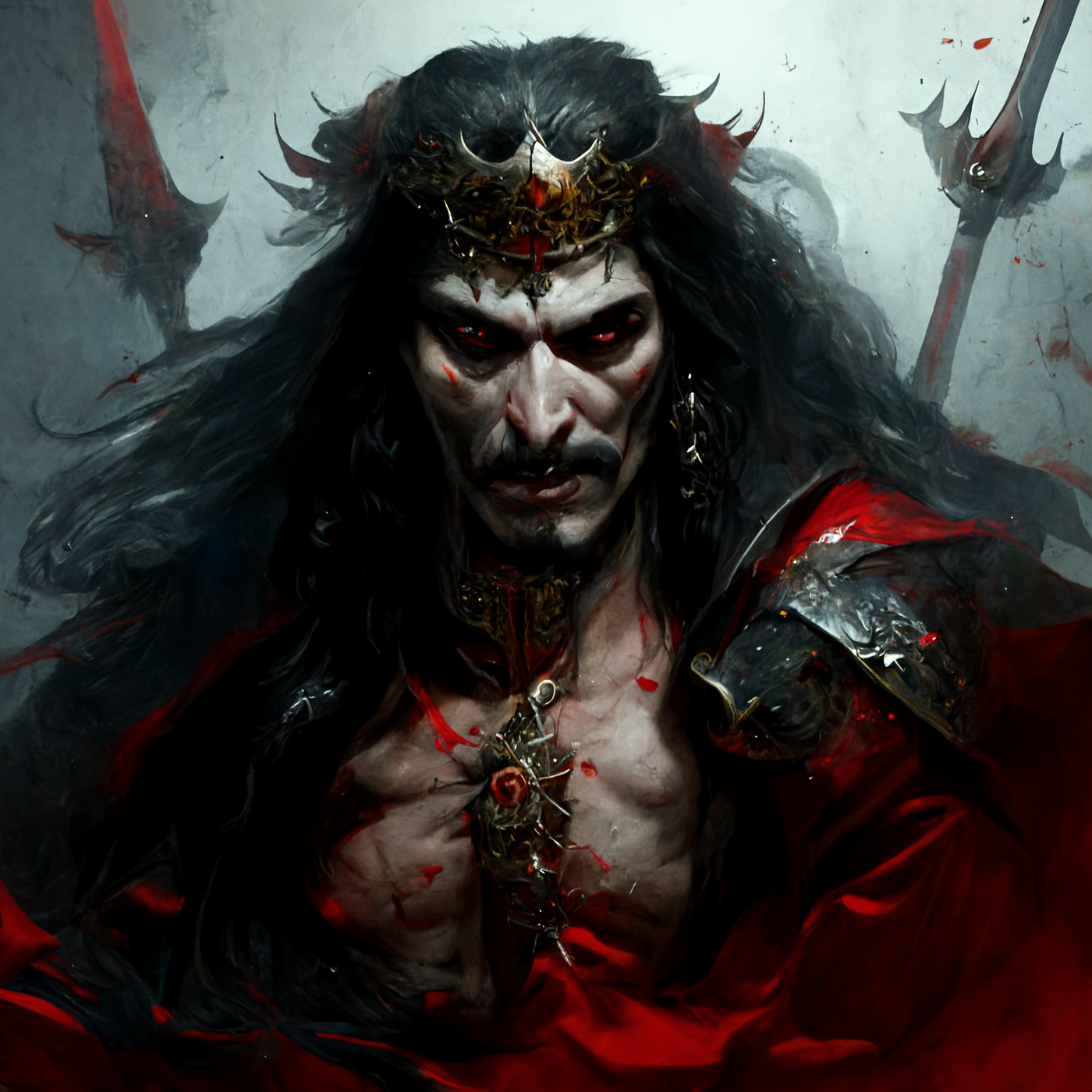
Vlad the Impaler appears often in books, movies, and legends. His story fascinates many worldwide. The tales of his bravery and cruelty blend fact with myth. This mix makes Vlad a mysterious and powerful figure. He inspired the famous Dracula character, adding to his fame. Vlad’s image is used in many ways, from horror stories to historical dramas.
Credit: medium.com
Frequently Asked Questions
Did Vlad The Impaler Defeat The Ottomans In Battle?
Vlad the Impaler had several military successes against the Ottomans. He used guerrilla tactics and ambushes to weaken their forces. While he did not completely defeat the Ottoman Empire, he significantly disrupted their campaigns in Wallachia.
How Did Vlad The Impaler Resist Ottoman Invasions?
Vlad used scorched earth tactics and impalement to intimidate enemies. His knowledge of local terrain helped him launch surprise attacks. These methods slowed Ottoman advances and forced retreats, maintaining Wallachian resistance for years.
Was Vlad The Impaler’s Victory Against Ottomans Permanent?
No, Vlad’s victories were temporary. The Ottoman Empire remained a powerful force in the region. Despite his fierce resistance, Wallachia eventually fell under Ottoman control after his reign.
What Tactics Did Vlad Use Against The Ottomans?
Vlad employed psychological warfare, including mass impalements. He also used guerrilla warfare and fortified defenses. These tactics created fear and confusion, giving him an edge over larger Ottoman forces.
Conclusion
Vlad the Impaler fought the Ottomans fiercely and with great skill. He won many battles and slowed their advance. Still, the Ottomans remained a strong force in the region. Vlad’s courage and tactics left a lasting mark in history. His story blends fact and legend, making it hard to separate truth from myth.
Overall, Vlad’s fight showed the power of determination and strategy. His legacy continues to fascinate people around the world today.



