
Choosing the perfect coffee table can change the entire look and feel of your living space. But before you shop or start building, you need to know exactly how to measure for a coffee table.
Getting the size right means your table will fit perfectly, look balanced, and be comfortable to use. If you’ve ever struggled with a table that’s too big or too small, this guide is for you. Keep reading, and you’ll learn simple steps to measure with confidence, so your coffee table fits your space and lifestyle just right.
Choosing The Right Space
Choosing the right space for your coffee table is key to making your living area feel balanced and inviting. The space needs to fit the table perfectly, without crowding the room or blocking movement. Careful measurement and observation help find the ideal spot that complements your furniture and allows easy access.
Assessing Room Size
Start by measuring the entire room. Note the length and width to understand how much space you have. A small room needs a smaller table, while a large room can handle something bigger. Leave enough empty space around the table for comfort. A good rule is to keep at least 18 inches of space between the table and other furniture.
Considering Traffic Flow
Think about how people move through the room. Paths should stay clear and easy to walk. Avoid placing the table where it blocks doorways or main walkways. Make sure guests can walk around the table without bumping into it. Smooth traffic flow keeps the room functional and safe.
Identifying Furniture Placement
Look at where your main seating is located. The coffee table should be close enough to reach from sofas or chairs. About 12 to 18 inches is a comfortable distance for most people. Check if the table fits well with other pieces like side tables or shelves. The goal is a harmonious arrangement that looks good and works well.
Determining Coffee Table Dimensions
Choosing the right size for your coffee table affects comfort and style. Measuring properly ensures the table fits well with your space and furniture. Consider height, width, length, and how it matches your seating area.
Ideal Height For Comfort
The coffee table height should be close to the sofa seat height. Usually, 16 to 18 inches works best for most sofas. This height allows easy reach for drinks, books, or snacks. Avoid tables that are too tall or too low, as they cause discomfort.
Appropriate Width And Length
Width and length depend on your room size and sofa dimensions. A good rule is to keep the table about two-thirds the length of your sofa. The width should leave enough walking space around the table, usually 18 to 24 inches clearance on each side. This balance keeps the room open and functional.
Proportions Relative To Seating
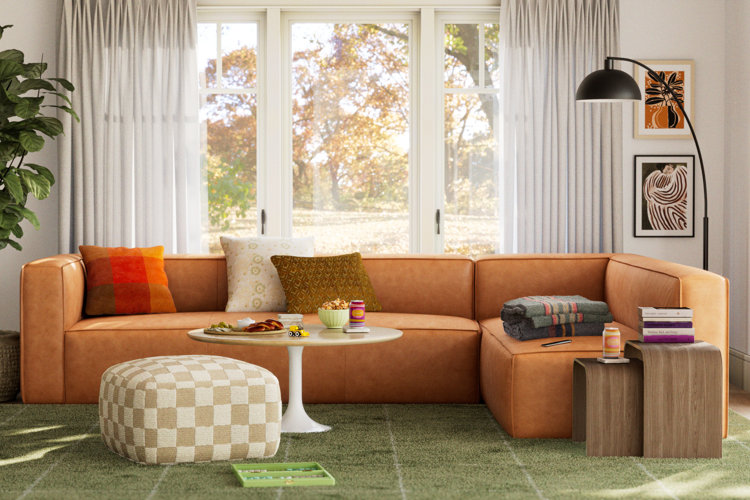
Match the table size with your seating arrangement. For a large sectional, choose a bigger table to fill the space. For smaller couches or chairs, a compact table fits better. Keep enough space for movement and avoid crowding the seating area.
Measuring Your Area
Measuring your area before purchasing a coffee table is crucial to ensure it fits seamlessly into your living space. This task might seem daunting, but with the right approach, it can be both simple and satisfying. Imagine the joy of finding a coffee table that suits your style and fits perfectly in your room.
Tools Needed For Accurate Measurement
Before you start, gather a few essential tools that will make your measuring task straightforward and precise:
- Measuring Tape:A retractable one is ideal for flexibility and ease.
- Notebook and Pen:Handy for jotting down each measurement to avoid confusion later.
- Painter’s Tape:Useful for marking boundaries on the floor, giving you a visual guide.
These tools are often lying around in your home. If not, they’re inexpensive and easy to find. Having them ready will save you time and effort.
Steps To Measure Floor Space
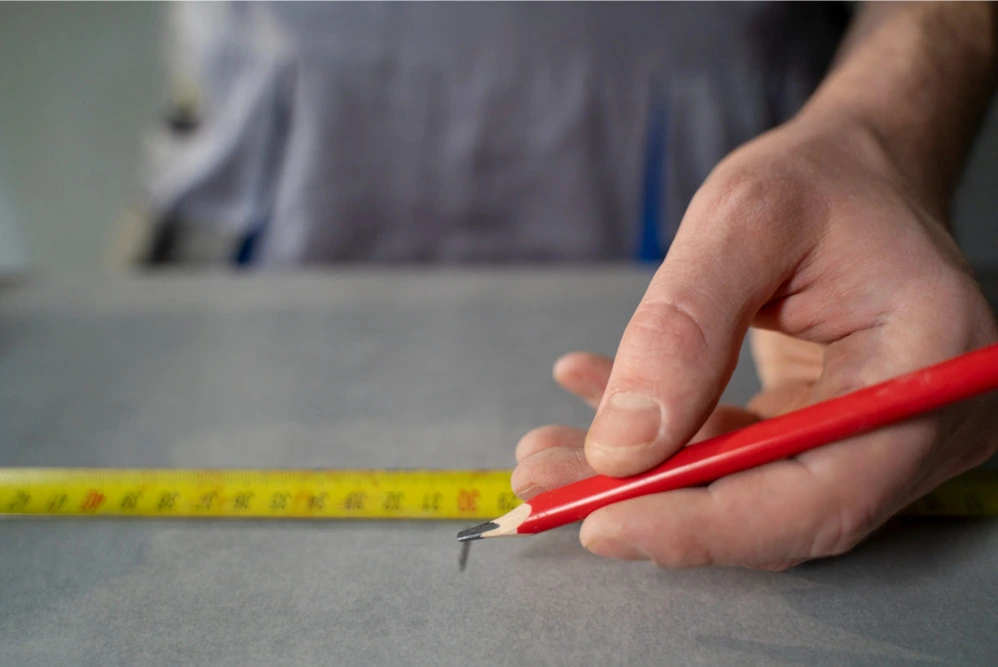
Start by clearing the area where you plan to place the coffee table. This ensures no obstacles interfere with your measurements. Use your measuring tape to measure the length and width of the available space.
Next, consider the surrounding furniture. Ensure there’s enough clearance for movement. A good rule of thumb is to leave at least 18 inches between the coffee table and your seating area.
Don’t forget to account for any other elements like rugs or floor vents. These can affect the placement and stability of your table.
Recording Measurements Properly
Accuracy is key when recording measurements. Write down each measurement immediately to avoid mix-ups. Use your notebook to keep a clear and organized record.
Label each measurement with clear identifiers, such as “living room length” or “couch to TV stand distance.” This specificity prevents confusion when you review your notes.
Finally, double-check your measurements. Small errors can lead to significant mismatches, and it’s easier to correct them now than later. By being diligent, you ensure a perfect fit for your new coffee table.
Credit: www.wayfair.com
Visualizing The Fit
Visualizing the fit of a coffee table in your living space can save you from costly mistakes and awkward arrangements. It’s about more than just numbers; it’s about imagining how the table will blend with your furniture and flow with your daily movements. Getting a feel for size and placement before you buy helps ensure your new coffee table feels just right.
Using Templates Or Tape
Create a physical outline of your desired coffee table size using painter’s tape on the floor. This simple trick lets you see the exact footprint without any guesswork.
Cut cardboard or paper templates if you want a portable option to move around the room. This hands-on approach helps you check if the table will block pathways or crowd your sofa.
Have you tried walking around the taped shape? It often reveals if the size feels cramped or spacious in ways measurements alone can’t.
Testing Different Sizes
Don’t settle on one size before experimenting. Use cushions, boxes, or stools as stand-ins to test how different dimensions affect the room’s balance.
Try arranging these mock tables at various distances from seating to find your ideal clearance. Typically, you want 16 to 18 inches between the sofa and the table for comfort and accessibility.
How does changing the table size influence your interaction with the space? Playing with sizes may even inspire a style you hadn’t considered.
Adjusting For Room Layout
Consider the shape and flow of your room when visualizing the coffee table’s fit. A rectangular table might suit a long, narrow room, while a round one can soften sharp corners in a compact space.
Think about where natural light falls and how the table might reflect or absorb it. Placement near a window or under a light fixture can either highlight or hide your table’s features.
Have you noticed how a small change in angle or position can open up the room or make it feel cluttered? Adjusting for these subtle factors ensures your coffee table complements the entire layout.
Additional Tips For Selection
Choosing the right coffee table involves more than just size. These additional tips help you select a table that fits your space and lifestyle. Consider factors like material, style, and function to make a smart choice.
Considering Material And Style
Materials affect both look and feel. Wood offers warmth and classic charm. Glass creates a modern and airy vibe. Metal adds an industrial edge and strength.
Think about your room’s style. Match the table’s design to your furniture. Choose colors and shapes that blend well. A cohesive look improves room harmony.
Multi-functional Table Options
Tables with storage add value. Shelves or drawers keep items organized. Some tables convert into desks or seats. These save space and add convenience.
Consider your daily needs. A table that works for multiple uses fits busy homes well. Flexibility helps keep the room tidy and functional.
Maintenance And Durability Factors
Maintenance matters for long-term use. Wood may need polishing or sealing. Glass requires frequent cleaning to avoid smudges. Metal can resist wear but may scratch.
Think about durability too. Select a table that withstands your lifestyle. Kids, pets, or heavy use need tougher materials. A sturdy table stays beautiful longer.
Credit: www.wayfair.com

Credit: cafesolutions.com.au
Frequently Asked Questions
How Do I Measure The Ideal Coffee Table Height?
Measure your sofa seat height first. The coffee table should be 2-4 inches lower than the sofa seat for comfort and accessibility.
What Is The Best Coffee Table Length For My Sofa?
Choose a coffee table about two-thirds the length of your sofa. This size balances space and functionality well.
How Wide Should A Coffee Table Be?
A coffee table should be 18-24 inches wide. This width allows enough surface area without crowding your seating area.
How Much Space Should Be Around A Coffee Table?
Leave 18 inches of space between the coffee table and surrounding furniture. This ensures easy movement and comfort.
Conclusion
Measuring your coffee table correctly saves time and effort. Start with the room size and seating area. Keep enough space around the table for easy movement. Measure the height to match your sofa or chairs. Use a tape measure and note down numbers carefully.
Double-check your measurements before buying or building. A well-measured table fits your space perfectly and looks great. Taking these simple steps helps you choose the right coffee table with confidence.



