
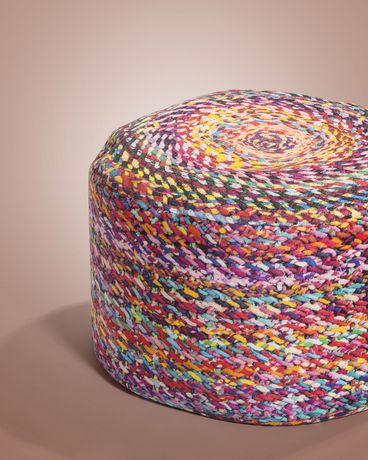
Are you ready to create a stylish and functional pouf that fits perfectly in your space? Making a pouf with a zipper is easier than you think, and it gives you the freedom to remove the cover for washing or changing whenever you want.
Imagine having a cozy, personalized piece that adds comfort and charm to your room, all made by your own hands. In this guide, you’ll discover simple steps and insider tips to sew a pouf with a zipper that looks professional and lasts long.
Let’s dive in and turn your creative idea into a beautiful, practical pouf you’ll love!
Materials Needed
Gathering the right materials sets the foundation for crafting a pouf with a zipper that looks great and lasts long. The choices you make here affect the final look, feel, and functionality of your pouf. Let’s break down what you’ll need to get started.
Fabric Selection
Choose a fabric that matches your style and suits your pouf’s use. Durable fabrics like canvas, denim, or upholstery fabric work well for everyday seating. If you want a softer feel, cotton blends or linen are good options but consider how easily they clean and wear over time.
Think about where your pouf will live. Will it sit in a high-traffic area? If yes, pick a fabric that resists stains and fading. You don’t want to redo your project after a few months.
Choosing The Right Zipper
Select a zipper that blends with your fabric and offers strong performance. A heavy-duty nylon zipper works well for poufs because it’s flexible and tough. Avoid metal zippers unless you want a decorative touch, as they can be stiff and harder to sew into thick fabric.
The zipper length depends on the size of your pouf opening. A 16 to 22-inch zipper usually fits most poufs comfortably. You’ll want a zipper with a large pull tab so it’s easy to open and close, especially if you’ll refill your pouf often.
Filling Options
The filling shapes your pouf and defines its comfort level. Polystyrene beads are lightweight and mold easily but can shift around inside. Foam chunks provide firmer support but add more weight.
Another choice is shredded memory foam, which offers a balance of softness and support. You could also mix fillings for a custom feel. What kind of comfort do you want to sit on for hours? Your answer will guide your filling choice.

Credit: www.walmart.com
Tools Required
Gathering the right tools is key before you start making your pouf with a zipper. Having everything at hand saves time and keeps your project smooth. Let’s look at what you’ll need to sew like a pro and handle the details by hand.
Sewing Machine Tips
Your sewing machine is the heart of this project. Make sure it’s clean and oiled to avoid skipped stitches or fabric jams.
Use a heavy-duty needle designed for thicker fabrics. This helps when sewing through layers and the zipper area.
Adjust the stitch length to about 2.5 to 3 mm for strong seams. A zipper foot attachment is essential for sewing close to the zipper teeth without damage.
Essential Hand Tools
Besides the machine, your hands need the right tools. Sharp fabric scissors are a must for clean cuts that prevent fraying.
Pins or clips will hold fabric pieces in place while you sew, especially around tricky zipper curves.
Don’t forget a seam ripper to fix any mistakes easily. A measuring tape and chalk or fabric marker help keep your dimensions exact.
What tool do you find most helpful when working on detailed sewing projects? Having your favorites ready makes a huge difference.
Measuring And Cutting Fabric
Measure fabric carefully to ensure all pouf pieces fit together well. Use sharp scissors to cut straight edges for a neat finish. Accurate cutting helps the zipper fit smoothly and the pouf look tidy.
Measuring and cutting fabric for your pouf project is an essential step that sets the foundation for the entire crafting process. Whether you’re using a bold pattern or a subtle shade, the precision in your measurements can make the difference between a snug fit and a loose, unkempt look. Let’s dive into how you can ensure your pouf has the perfect fit by exploring the key aspects of measuring and cutting fabric.Determining Pouf Size
The first step is deciding how big you want your pouf to be. Will it be a compact footrest or a larger seat? Consider the space where you’ll place it. Measure the area to ensure it fits comfortably without overwhelming the room. Once you’ve determined the dimensions, add a little extra for seam allowances. These allowances are crucial for sewing and will give your pouf a polished finish.Cutting Patterns
With measurements in hand, it’s time to cut the fabric. Lay the fabric flat on a clean surface. Use a ruler or a measuring tape to mark out the dimensions clearly with chalk or a fabric marker. Cut the fabric using sharp scissors to ensure clean edges. If you’re using a patterned fabric, align the pattern before cutting to maintain visual harmony. Don’t forget to cut an additional strip for the zipper. This will make assembly easier and help in achieving a seamless closure. As you work through this process, remember: precision is key. A well-measured and cut fabric is the first step towards a professionally crafted pouf. Are you ready to transform your space with your unique creation?
Credit: www.amazon.ca
Sewing The Pouf Panels
Sewing the pouf panels is a crucial step that shapes the overall look and durability of your pouf. Precision and patience during this phase ensure that your pouf holds its form well and looks professionally crafted. Let’s dive into the stitching techniques and how to attach the zipper seamlessly.
Stitching Techniques
Choosing the right stitch is key to making strong and neat pouf panels. A straight stitch with a medium length works well for most fabrics, giving you a clean seam that holds under pressure.
Remember to backstitch at the beginning and end of each seam to lock your stitches. This prevents your seams from unraveling when the pouf is in use.
If you’re working with thicker fabric or multiple layers, consider using a heavy-duty needle and thread. This small adjustment can save you from broken threads and uneven seams.
Attaching The Zipper
Adding a zipper to your pouf gives it a practical edge, making it easy to remove the cover for cleaning. Position the zipper carefully along one edge of the panel, ensuring it’s aligned with the seam allowance.
Pin the zipper in place, then sew slowly to avoid misalignment. Using a zipper foot on your sewing machine helps you stitch close to the zipper teeth for a neat finish.
Test the zipper before finishing your seams to catch any issues early. Can you imagine the frustration of sewing the entire pouf only to find the zipper sticks or doesn’t close properly?
Inserting The Zipper
Inserting the zipper into your pouf cover is a crucial step that can elevate both its look and functionality. Done right, the zipper will blend seamlessly, allowing easy removal for washing or refilling. Let’s break down how to position and secure the zipper for the best results.
Zipper Placement
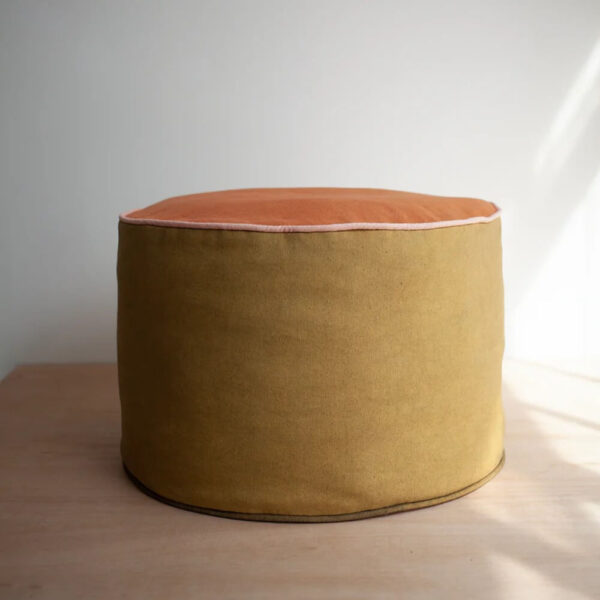
Choosing the right spot for your zipper makes a big difference. Most poufs look best with the zipper placed along one side or the bottom edge. This placement keeps the zipper discreet while giving you full access to the inside.
Measure your fabric carefully before pinning the zipper. Make sure the zipper length matches the opening you want. If your zipper is too short, stuffing the pouf becomes a hassle.
Think about how you’ll use the pouf. Do you want quick access for frequent cleaning, or is the cover mostly decorative? Your answer will guide where the zipper should go.
Securing The Zipper
Once you’ve pinned the zipper in place, it’s time to sew it securely. Use a zipper foot on your sewing machine to get close to the teeth without jamming the needle. This precision helps your zipper sit flat and look professional.
Backstitch at both ends to prevent the zipper from pulling loose over time. It’s tempting to rush this part, but a few extra seconds can save you from a broken zipper later.
If you’re hand-sewing, use small, tight stitches along the zipper tape. This keeps it firmly attached and prevents gaps where stuffing might sneak out.
Have you noticed how much easier it is to refill your pouf when the zipper is perfectly placed and sewn? That small detail can transform your entire DIY experience.
Credit: goodfabric.co.uk
Assembling The Pouf
Assembling the pouf is a key part of your project. This stage brings all the fabric pieces together into one sturdy shape. Careful stitching ensures a neat and durable pouf. Take time to align edges and keep seams straight. This will make your pouf look professional and last longer.
Joining Panels
Start by placing the fabric panels with right sides facing each other. Pin the edges to hold them in place. Use a sewing machine to stitch along the pinned edges. Keep the seam allowance consistent, about half an inch. Sew slowly around curves to maintain the shape. Leave an opening where you will insert the zipper. This opening allows you to turn the pouf inside out and add stuffing later.
Finishing Seams
After stitching, trim excess fabric from the seams to reduce bulk. Use pinking shears or a zigzag stitch to prevent fraying. Press the seams flat with an iron for a crisp finish. Turn the pouf right side out through the zipper opening. Check all seams for any gaps or loose threads. Reinforce weak spots with extra stitching. Proper seam finishing keeps your pouf strong and neat over time.
Filling The Pouf
Filling the pouf is a key step that affects its shape and comfort. The right filling gives the pouf a soft but sturdy feel. Too little filling makes it flat. Too much makes it hard. Choosing and stuffing the filling well ensures your pouf looks great and feels good to sit on.
Choosing The Right Filling
Choose filling based on comfort, durability, and cost. Common fillings include:
- Polystyrene beads: Lightweight, moldable, and soft.
- Foam chunks: Provide firm support and shape.
- Old clothes or fabric scraps: Eco-friendly and cheap.
- Polyester fiberfill: Soft and fluffy for a plush feel.
Consider the pouf’s use and size to pick the best option.
Stuffing Tips For Comfort
Fill the pouf evenly to avoid lumps. Use these tips:
- Add filling in small amounts through the zipper.
- Shake and press the pouf to distribute filling.
- Test softness by sitting or pressing on it.
- Adjust filling amount for your preferred firmness.
- Close the zipper securely to keep filling inside.
Final Touches
Finishing your pouf with a zipper is the last step that brings the entire project together. These final touches ensure your pouf looks neat and functions well for everyday use. Paying attention to these details will make your creation both beautiful and durable.
Closing The Zipper
After stuffing your pouf to the desired firmness, carefully align the edges of the fabric around the zipper. Gently pull the zipper closed, making sure the fabric doesn’t get caught in the teeth. If you notice any resistance, pause and adjust the fabric to avoid damage.
Once zipped, give the seam a quick press with a warm iron to smooth out any wrinkles. This simple step helps the zipper blend seamlessly into the pouf’s shape. If your zipper pull tends to snag, consider adding a small fabric tab to make opening and closing easier.
Maintenance And Care
Keeping your pouf clean extends its life and keeps it looking fresh. Since the zipper allows you to remove the cover, you can wash it separately—check the fabric care instructions to avoid shrinking or fading.
Spot clean minor stains with a mild detergent and a soft cloth. Avoid harsh chemicals that could weaken the zipper or fabric. Regularly check the zipper’s function and fabric seams for any signs of wear; repairing early prevents bigger problems later.
Have you ever ignored small fabric tears only to regret it later? Taking a few minutes for upkeep now saves hours of hassle down the road. Your pouf will stay comfy and stylish with just a little care.
Frequently Asked Questions
How Do I Choose Fabric For A Pouf With A Zipper?
Select durable, thick fabric like canvas or upholstery material. It should withstand wear and support stuffing weight. Choose a fabric that complements your room decor for a stylish look.
What Type Of Zipper Is Best For Pouf Covers?
Use a heavy-duty zipper that matches fabric color. A zipper length should fit the pouf size. Metal or plastic zippers both work well for durability.
How Do I Insert A Zipper Into Pouf Fabric?
Sew the zipper onto one side of the fabric pieces. Use a zipper foot on your sewing machine for accuracy. Ensure zipper teeth align with fabric edges for smooth opening.
Can I Stuff A Pouf Without A Zipper?
Yes, but a zipper allows easy removal of stuffing. Without a zipper, stuffing is permanent and cleaning is difficult. A zipper makes your pouf cover removable and washable.
Conclusion
Making a pouf with a zipper is simple and fun. You can choose any fabric you like. The zipper helps to remove the cover easily. It makes cleaning quick and keeps your pouf fresh. Follow the steps carefully and take your time.
Soon, you will have a cozy, stylish pouf for your home. This project saves money and adds a personal touch. Try it yourself and enjoy the comfort and style it brings.



