
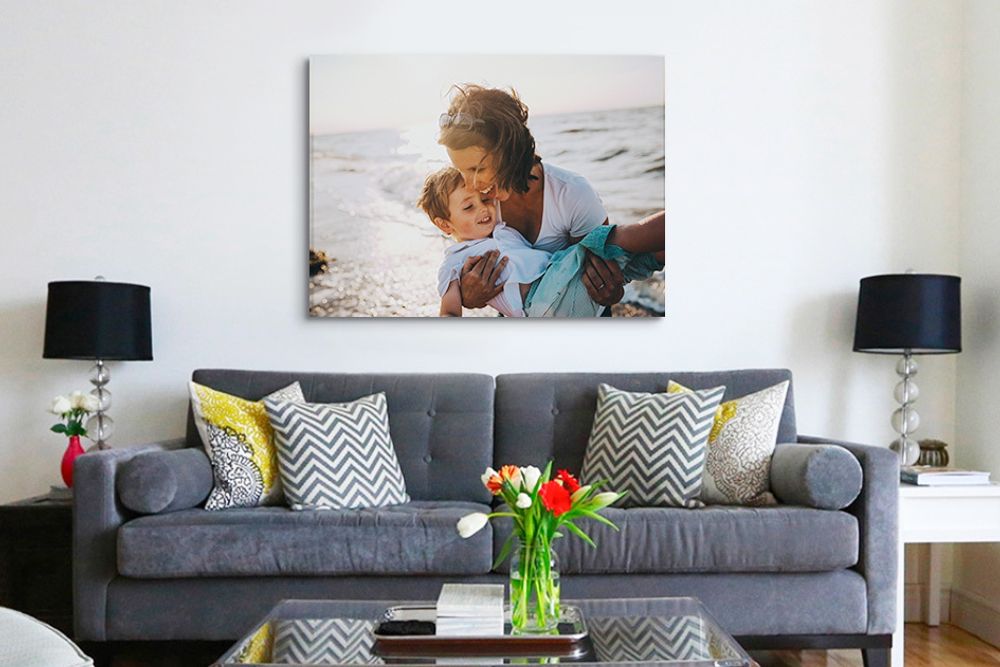
Have you ever wondered what a framed canvas really looks like and how it can change the feel of your space? Imagine your favorite artwork or photo brought to life with a stylish frame that adds depth and personality.
A framed canvas isn’t just a picture on the wall—it’s a statement that draws attention and sparks emotion. You’ll discover exactly what to expect when you choose a framed canvas, how it enhances your decor, and why it might be the perfect addition to your home or office.
Keep reading to see how this simple detail can make a big impact on your walls.

Credit: www.shutterfly.com
Canvas Frame Styles
Framed canvases display artwork neatly wrapped in wood or metal edges. This style adds depth and a polished look to any painting or photo. Edges can be simple or decorative, enhancing the overall appearance without overpowering the art.
Canvas frames enhance the beauty of artwork. They provide a polished look. Choosing the right frame style is important. It complements both the artwork and the room. There are various frame styles to consider. Each style offers a unique appearance.Classic Wood Frames
Classic wood frames offer timeless elegance. They add warmth and depth. These frames come in various finishes. From rich mahogany to light oak, options abound. The texture of wood enhances the canvas. It blends well with traditional decor.Modern Metal Frames
Modern metal frames are sleek and stylish. They offer a contemporary feel. These frames are often thin and minimal. Available in silver, black, or gold. Metal frames suit modern art pieces. They create a clean, sophisticated look.Floating Frames
Floating frames create an illusion of depth. The canvas appears to float within the frame. This style highlights the artwork. It suits both modern and traditional art. Floating frames are usually simple in design. They enhance the visual impact of the canvas.Minimalist Frame Options
Minimalist frames are understated. They focus attention on the artwork. These frames are often thin and unadorned. White, black, or natural wood are common. Minimalist frames suit any art style. They provide a clean, contemporary appearance.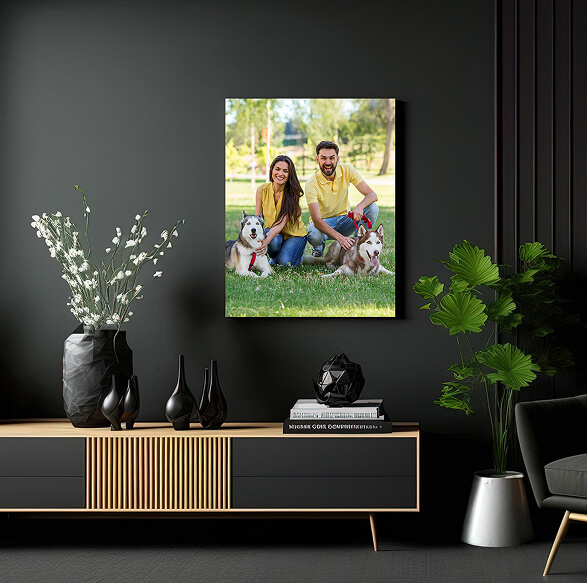
Credit: www.canvaschamp.com
Frame Colors And Finishes
Frame colors and finishes shape the overall look of a framed canvas. They set the tone and mood of the artwork. Choosing the right color and finish can highlight details and create harmony with the room’s decor.
Frames come in many styles, from natural wood to shiny metallics. Each finish offers a unique effect. The choice depends on the art style and personal taste.
Natural Wood Tones
Natural wood frames bring warmth and a classic touch. They often show wood grain patterns for added texture. These tones work well with nature-themed or rustic art. Light woods brighten spaces, while dark woods add depth. The organic feel of wood suits many decorating styles.
Bold Black Frames
Bold black frames create a sharp, modern look. They provide strong contrast against colorful canvases. Black frames help focus attention on the artwork itself. They fit well in minimalist and contemporary rooms. Their sleek appearance adds elegance and simplicity.
White And Neutral Frames
White and neutral frames offer a clean, subtle border. They blend easily with most wall colors. These frames give a fresh and airy vibe. Neutral tones do not overpower the artwork. They work best with bright or pastel paintings, enhancing softness.
Metallic And Glossy Finishes
Metallic frames add a touch of luxury and shine. Gold, silver, or bronze finishes create eye-catching accents. Glossy frames reflect light and add vibrance. These finishes suit modern or glamorous interiors. They highlight details and add a polished look to any canvas.
Framing Techniques
Framing techniques shape the final look of a framed canvas. They affect style, protection, and how the artwork fits your space. Different methods suit different tastes and interiors. Each technique highlights the canvas uniquely. Understanding these styles helps in choosing the right frame for your art.
Gallery Wrap Method
The gallery wrap method stretches the canvas around thick wooden bars. The edges of the canvas wrap tightly and staple at the back. This method shows the artwork on the front and sides. No extra frame is needed, giving a clean and modern look. The depth of the canvas adds a 3D effect to the art.
Traditional Framing With Matting
Traditional framing uses a wooden or metal frame around the canvas. Matting is a paper or fabric border inside the frame. Mats create space between the art and glass, protecting the canvas. This style suits classic and formal decor well. It adds elegance and draws attention to the artwork.
Shadow Box Frames
Shadow box frames create depth by setting the canvas inside a deep frame. The canvas is separated from the glass by a small space. This technique gives a floating effect to the artwork. It protects delicate canvases from dust and damage. Shadow boxes work great for three-dimensional or textured art.
Custom Frame Designs
Custom frames offer unique shapes, colors, and materials. They match personal style and specific room decor. Custom framing can include carved wood, metal, or mixed media. This option allows full control over the look and feel. It makes the canvas stand out as a unique piece.

Credit: rootedandgrounded.com
Placement Ideas For Framed Canvases
Placing a framed canvas in the right spot can transform your space instantly. The key is to think about how the art interacts with the room’s function and mood. Let’s dive into some creative ways to showcase your framed canvases throughout your home and workspace.
Living Room Displays
The living room is often the heart of your home, making it a prime spot for framed canvases. Positioning a large canvas above your sofa creates a strong focal point that anchors the space. Smaller framed pieces can be grouped on a sidewall to add interest without overwhelming the room.
Think about the color palette of your furniture and walls. Choose canvases that either complement or provide a striking contrast to enhance the overall vibe. Ever tried placing a canvas behind a floor lamp? It adds depth and unexpected layers to your decor.
Bedroom Wall Art
In the bedroom, framed canvases help set a calm or inspiring mood. Hanging one above your headboard brings a personal touch to your sleeping area. You can also lean a canvas on a dresser or shelf for a casual yet stylish look.
Consider the size and theme carefully—art that’s too bold may disrupt your relaxation, while subtle tones can create a serene atmosphere. How does the canvas make you feel when you wake up? That’s a good sign it’s in the right place.
Office And Workspace
Your workspace benefits from framed canvases that boost creativity and focus. Place art at eye level where you frequently look to refresh your mind during work breaks. A motivational quote or abstract design can spark new ideas.
Don’t be afraid to switch canvases seasonally or as your projects change. This keeps your environment dynamic and keeps you engaged. Have you noticed how a simple change in wall art can shift your work mood?
Gallery Wall Arrangements
Creating a gallery wall with framed canvases allows you to tell a story through multiple pieces. Mix sizes and frame styles for a curated, personal collection that reflects your taste. Layout your canvases on the floor first to find the best arrangement before hanging.
Use consistent spacing between frames to keep the display neat and balanced. Adding mirrors or small shelves can introduce variety and dimension. What stories do your canvases tell when they’re displayed together?
Complementary Decor Styles
Framed canvases bring an added layer of sophistication and charm to any room. They don’t just showcase art; they interact with your decor, enhancing the overall vibe. Understanding which decor styles pair best with framed canvases can help you create a space that feels both cohesive and inspired.
Rustic And Vintage Themes
Framed canvases fit perfectly in rustic or vintage settings, where natural textures and aged finishes dominate. Wooden frames with distressed or weathered looks echo the warmth of reclaimed furniture and worn fabrics. Imagine a landscape canvas framed in rough-hewn wood hanging above a farmhouse table—instantly, the room feels inviting and authentic.
Try mixing frames with antique mirrors or vintage clocks for a layered, nostalgic effect. What type of frame finish do you think would bring out the best in your vintage finds?
Contemporary And Minimalist Spaces
In minimalist or contemporary rooms, clean lines and simplicity rule. A sleek, thin frame in black, white, or metallic tones highlights the canvas without overwhelming it. This approach keeps the focus on the artwork’s colors and shapes while complementing modern furniture and uncluttered layouts.
Choosing frames with subtle textures, like matte or satin finishes, can add quiet depth. How might a framed canvas balance your room’s minimalism without stealing the spotlight?
Bohemian And Eclectic Looks
Bohemian and eclectic styles thrive on mixing colors, patterns, and cultural influences. Framed canvases with ornate or colorful frames enhance this playful atmosphere. You could pair a vibrant, patterned frame with a canvas featuring bold, abstract art or travel scenes.
Grouping multiple framed canvases in varying sizes creates a gallery wall that reflects your personality. Which frames would you pick to tell your unique story through your wall art?
Industrial And Urban Interiors
Industrial spaces often feature raw materials like metal, exposed brick, and concrete. Framed canvases with metal or dark wood frames fit right in, echoing the room’s rugged aesthetic. A canvas framed with a simple black metal edge can stand out against a brick wall, adding artful contrast.
Think about frames that emphasize structure and simplicity to complement your industrial vibe. How could your framed canvas bridge the gap between art and architecture in your space?
Maintenance And Care Tips
Keeping your framed canvas looking fresh and vibrant takes a bit of attention, but it’s easier than you might think. Proper care not only preserves the colors and texture but also protects the frame itself. Let’s dive into some practical tips to help you maintain your framed canvas art effortlessly.
Cleaning Framed Canvas Art
Dust can settle quickly on the surface, dulling its appearance. Use a soft, dry microfiber cloth to gently wipe the canvas and frame—avoid using water or cleaning sprays that might damage the paint or fabric.
If you notice stubborn spots, try a barely damp cloth with plain water, but test it on a small, hidden area first. Avoid rubbing too hard to prevent stretching or tearing the canvas.
Protecting From Sunlight
Sunlight can fade colors and weaken canvas fibers over time. Place your framed canvas away from direct sunlight or use UV-protective glass for the frame to reduce damage.
Have you ever noticed a painting looking dull after sitting near a window for years? That’s a sign of sun damage. Adjusting the location can make a big difference in longevity.
Handling And Storage
When moving your framed canvas, hold it by the frame edges to avoid touching the painted surface. Avoid stacking canvases face to face; instead, store them upright in a dry, cool place.
Humidity and temperature swings can cause warping or mold growth. Consider using silica gel packets near storage areas to keep moisture levels low.
Repairing Frame Damage
Frames can get scratched, chipped, or loose over time. Small scratches on wooden frames can be touched up with a matching stain or marker made for furniture repair.
If the frame becomes loose, tighten the corner joints carefully or add small nails for reinforcement. For significant damage, a local framing shop can often restore it without replacing the entire frame.
Frequently Asked Questions
What Does A Framed Canvas Typically Look Like?
A framed canvas usually features stretched artwork on a wooden frame. The outer frame adds depth and complements the canvas. It enhances the art’s visual appeal and protects the edges. Frames can be simple or ornate, matching various decor styles.
How Does Framing Enhance A Canvas Painting?
Framing adds structure and focus to the canvas. It protects the painting from damage and dust. Frames also improve the artwork’s presentation, making it look polished and complete. The frame’s color and style can highlight the painting’s colors and theme.
What Materials Are Used For Canvas Frames?
Canvas frames are mostly made from wood or metal. Wooden frames offer a classic, warm look. Metal frames provide a modern, sleek finish. Both materials can be painted or stained to suit different art styles and room decors.
Can Framed Canvas Art Fit In Any Room Style?
Yes, framed canvas art suits various room styles. Choosing the right frame style blends the art with your decor. Classic frames work well in traditional rooms. Minimalist frames complement modern interiors. Framed canvas adds character and charm to any space.
Conclusion
A framed canvas adds style and depth to any artwork. It creates a finished look that draws the eye. Frames come in many shapes, colors, and sizes to fit your taste. They protect the canvas from damage and dust. The right frame can highlight the colors and details of the painting.
Choosing a frame is simple but makes a big difference. It turns a plain canvas into a beautiful display. A framed canvas feels complete and ready to hang anywhere. This small change can brighten up your room instantly.



