
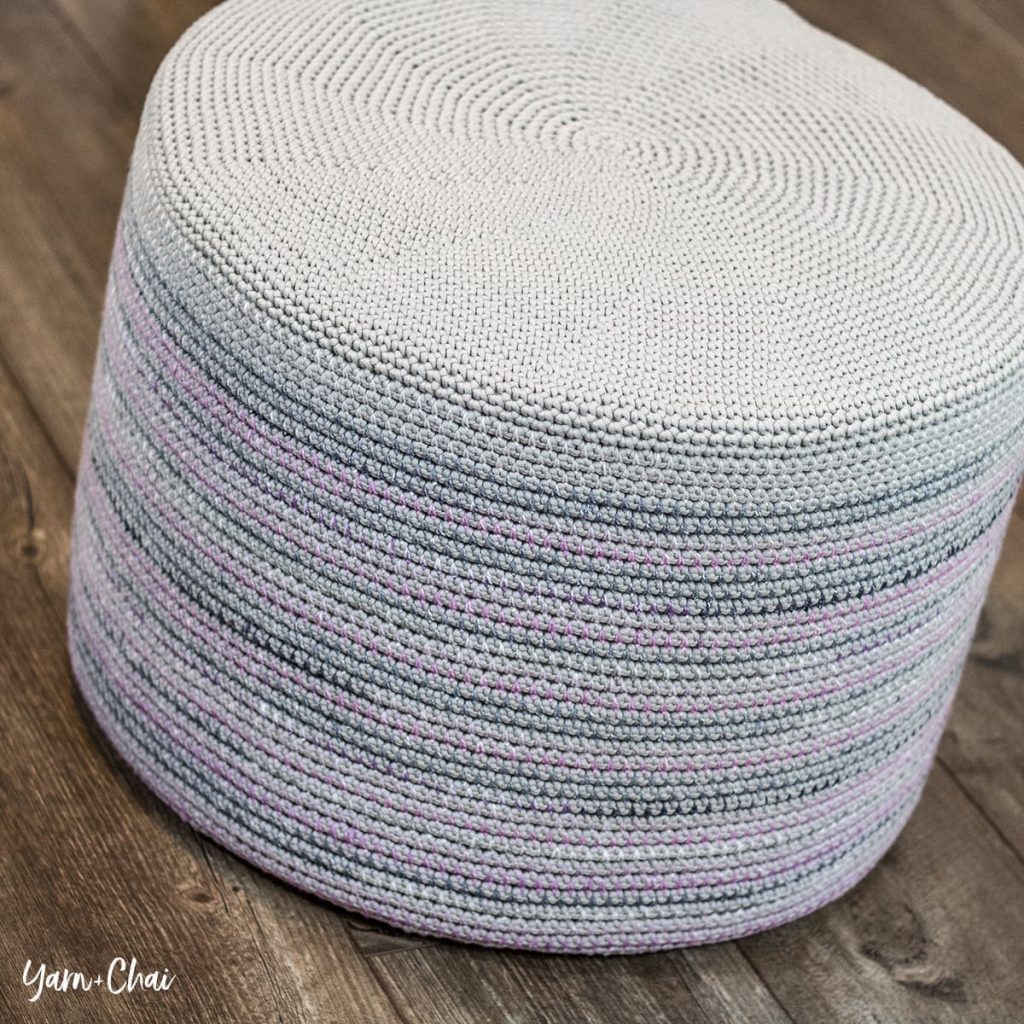
Are you ready to complete your knitted pouf but unsure what to fill it with? Choosing the right stuffing can make all the difference in how your pouf looks, feels, and holds up over time.
Whether you want it soft and squishy or firm and supportive, this guide will help you find the perfect filling for your project. Keep reading to discover easy, affordable, and practical stuffing options that will bring your knitted pouf to life exactly the way you want.
Choosing The Right Filling
Choosing the right filling for your knitted pouf affects its look and feel. The filling determines how firm or soft your pouf will be. It also impacts the shape and durability. Picking the right material helps your pouf last longer and stay comfortable.
Factors To Consider
- Weight: Choose a filling that is light enough to move easily.
- Durability: Some fillings hold shape better over time.
- Allergies: Select hypoallergenic materials if allergies matter.
- Cost: Fillings vary in price depending on quality and type.
- Availability: Some materials may be easier to find locally.
Impact On Comfort And Shape
Soft fillings make the pouf comfortable to sit on. Firmer fillings keep the pouf’s shape sharp and neat. Loose fillings allow more movement but can flatten quickly. Dense fillings offer strong support but may feel stiff at first. The right balance keeps the pouf cozy and attractive.
Natural Filling Options
Choosing natural filling options for your knitted pouf adds a unique touch of comfort and sustainability. These materials not only provide a cozy feel but also keep your pouf eco-friendly and safe for your home. Let’s look at some excellent natural fillers that can make your pouf both stylish and practical.
Cotton And Wool
Cotton and wool are soft, breathable, and perfect for a plush pouf. Wool naturally resists dust mites and odors, making it great if you want a pouf that stays fresh. Cotton is lightweight and easy to shape, offering a smooth finish inside your knitted cover.
If you’ve ever held a wool pillow, you know the comforting warmth it offers. Have you thought about how natural fibers can affect the feel and longevity of your pouf?
Buckwheat Hulls
Buckwheat hulls are an unusual but popular natural filling choice. They create a firm yet flexible base that molds to your body, providing excellent support. Plus, they allow air to circulate, which helps prevent moisture buildup.
Many people love buckwheat-filled cushions for their firmness and eco-friendliness. Would you prefer a pouf that supports your posture or one that’s softer and more malleable?
Dried Beans And Rice
Dried beans and rice offer an affordable and natural way to fill your pouf. They add weight and structure, making the pouf stable enough to sit on without losing shape. Just remember to keep the pouf dry to avoid any moisture damage.
This option might remind you of homemade bean bags or sensory toys, which are both fun and functional. Have you ever considered using kitchen staples as pouf fillers for a rustic and practical design?
Synthetic Filling Choices
Polyester fiberfill offers soft, lightweight support for knitted poufs. Foam beads provide firm, moldable filling that holds shape well. Both options are affordable and easy to find in craft stores.
When choosing what to stuff a knitted pouf with, synthetic options stand out. They offer affordability, durability, and ease of use. These materials are perfect for creating a plush and supportive pouf. Let’s explore the various synthetic filling choices available.Polyester Fiberfill
Polyester fiberfill is a popular choice for stuffing. It’s lightweight and easy to find in stores. Fiberfill gives a pouf a soft and bouncy feel. It retains its shape well even after extended use. This makes it ideal for poufs that get regular use. Polyester fiberfill is also hypoallergenic. It’s suitable for homes with allergy concerns.Foam Pieces
Foam pieces provide excellent support for a knitted pouf. They are firmer than fiberfill, offering more structure. Foam pieces are available in various densities. This allows customization of the pouf’s firmness. The pieces fit snugly, filling every corner of the pouf. Foam is also long-lasting, maintaining shape over time.Microbeads
Microbeads are tiny, lightweight pellets. They offer a unique filling choice for poufs. These beads create a moldable and responsive texture. They allow the pouf to contour to the body, enhancing comfort. Microbeads are often used in travel pillows for their adaptability. They provide a distinct experience compared to other fillings.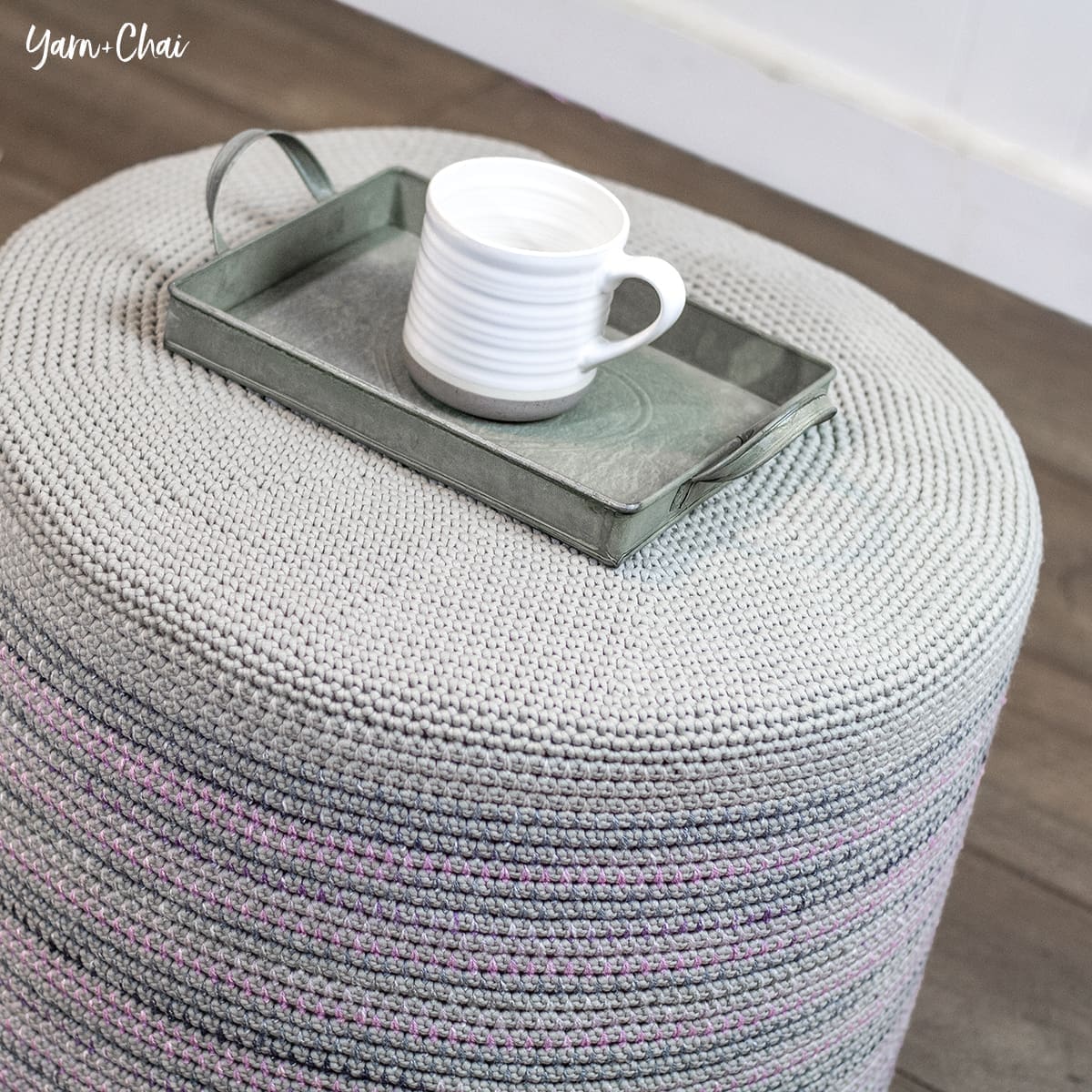
Credit: yarnandchai.com
Recycled And Eco-friendly Fillings
Choosing recycled and eco-friendly fillings for your knitted pouf not only supports sustainability but also adds unique texture and comfort. These options help reduce waste and give new life to materials that might otherwise be discarded. You can create a pouf that’s soft, durable, and environmentally conscious by selecting the right filling.
Fabric Scraps
Fabric scraps are an excellent choice for filling your knitted pouf. They come from leftover pieces of cloth from sewing projects and can be easily gathered from local tailors or craft stores.
Using fabric scraps reduces textile waste and provides a soft, cushioned feel. Try mixing different types of fabric to add a bit of firmness or fluffiness, depending on what you prefer.
Recycled Plastic Pellets
Recycled plastic pellets are small, dense beads made from melted-down plastic waste. They offer great support and maintain the shape of your pouf over time.
Because they are lightweight and moldable, these pellets make your pouf easy to move and comfortable to sit on. Plus, they help keep plastic out of landfills, making your project truly green.
Upcycled Materials
Upcycled materials like old clothes, worn-out cushions, or even shredded paper can be fantastic pouf fillings. These materials often have different textures, giving your pouf a unique look and feel.
Using what you already have at home saves money and reduces environmental impact. Have you checked your closet for items that could be repurposed into a cozy pouf filling?
Combining Fillings For Best Results
Combining different fillings inside a knitted pouf can create the perfect balance of comfort and support. Using just one type of stuffing might make the pouf too soft or too firm. Mixing materials allows you to customize the feel and durability. This method also helps maintain the pouf’s shape over time.
Mixing Soft And Firm Materials
Soft materials like polyester fiberfill give the pouf a plush, cushy feel. Firm materials such as foam beads or shredded memory foam add structure. Mixing both types creates a cozy yet stable pouf. You can start with a base layer of firm filling to provide support. Then, fill the rest with soft stuffing for comfort.
- Use shredded foam or foam beads for firmness.
- Add polyester fiberfill or cotton for softness.
- Combine in layers or mix evenly for best results.
Layering Techniques
Layering fillings inside the pouf helps maintain shape and comfort. Place firmer materials at the bottom or center for strong support. Surround these layers with softer stuffing to cushion the surface. This technique prevents lumps and keeps the pouf looking full. It also allows easier adjustments when adding or removing stuffing.
| Layer | Material | Purpose |
|---|---|---|
| Bottom | Foam beads or shredded memory foam | Provides strong base and shape |
| Middle | Soft polyester fiberfill | Adds softness and comfort |
| Top | Loose fiberfill or cotton | Ensures plush, cushy feel |
Credit: diyjoy.com
Tips For Filling Your Knitted Pouf
Filling your knitted pouf properly makes all the difference in comfort and durability. The right stuffing ensures it holds its shape and feels just right when you sit or rest your feet on it. Here are some practical tips to help you choose and manage the filling for your knitted pouf.
Filling Density
Think about how firm or soft you want your pouf to be. A denser filling gives more support but can make the pouf harder to move around. Softer fillings create a cushier feel but might lose shape quickly.
Try combining different materials to get the perfect balance. For example, use foam beads for bulk and polyester fiberfill on top for softness. Testing a small sample before filling the entire pouf can save you from surprises.
Maintenance And Cleaning
Choose fillings that are easy to clean or replace. Some materials, like memory foam or polyester fiberfill, can be spot cleaned or aired out to keep fresh. Others, like old clothes or natural fibers, might trap dust and require more effort.
If you expect your pouf to get heavy use, consider using a removable liner inside. This makes washing easier and extends the life of both the pouf and the filling. Have you thought about how often you’ll clean your pouf before selecting the stuffing?
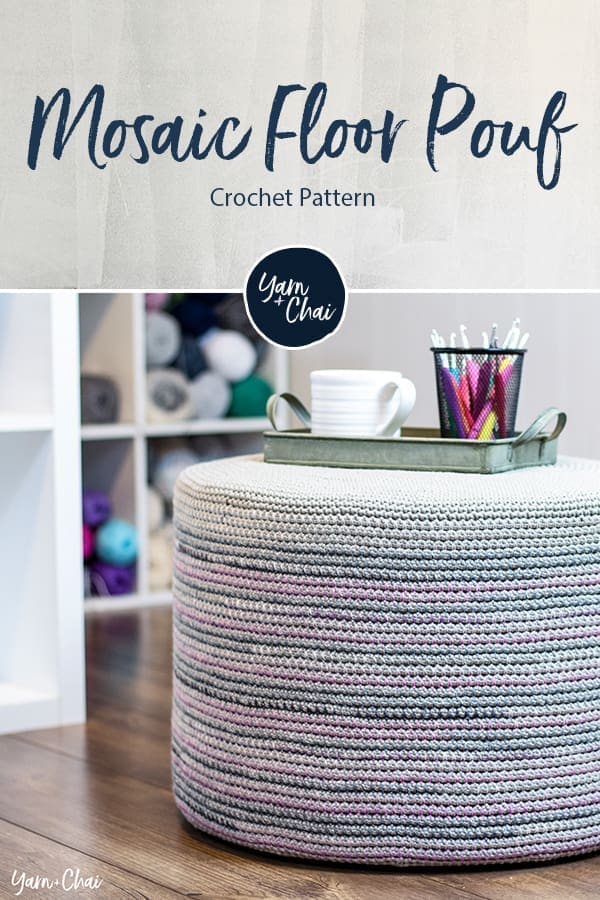
Credit: yarnandchai.com
Frequently Asked Questions
What Materials Are Best For Stuffing A Knitted Pouf?
The best materials for stuffing a knitted pouf include polyester fiberfill, foam beads, old clothes, or recycled fabric scraps. These options provide softness, shape retention, and durability, ensuring your pouf stays comfortable and maintains its form over time.
Can I Use Foam Beads To Fill A Knitted Pouf?
Yes, foam beads are lightweight and moldable, making them ideal for filling knitted poufs. They offer good support and allow the pouf to retain its shape while providing a comfortable seating surface.
How Much Stuffing Do I Need For A Knitted Pouf?
Fill the pouf tightly but not overly firm to maintain softness and shape. Generally, use enough stuffing to fill the pouf’s volume without making it hard or losing its knitted texture.
Is Recycled Fabric Good For Pouf Stuffing?
Recycled fabric is an eco-friendly, cost-effective stuffing option. It offers decent cushioning and helps reduce waste while giving your knitted pouf a comfortable, soft feel.
Conclusion
Choosing the right stuffing makes your knitted pouf comfy and sturdy. Lightweight beads add shape without weight. Old clothes or fabric scraps work well for a soft feel. Foam pieces offer extra support and durability. Think about where you will use the pouf most.
Easy-to-find materials save time and money. Your pouf will look great and feel cozy. Enjoy your handmade creation every day.



