
Choosing the right watt light bulb for your lamp might seem simple, but it can make a big difference in how your space feels and functions. Are you struggling to find the perfect balance between brightness and energy use?
Or wondering if a higher watt bulb will damage your lamp or just waste electricity? This guide will help you understand exactly what wattage works best for your lamp, so you get the light you need without any hassle. Keep reading to discover easy tips that will brighten your room and save you money.
Choosing Bulb Brightness
Choosing the right bulb brightness for your lamp is essential. Brightness affects how well you see and the room’s mood. The right light can make reading easier and spaces feel cozy or lively. Understanding a few key factors helps pick the best bulb for your needs.
Watts Vs Lumens
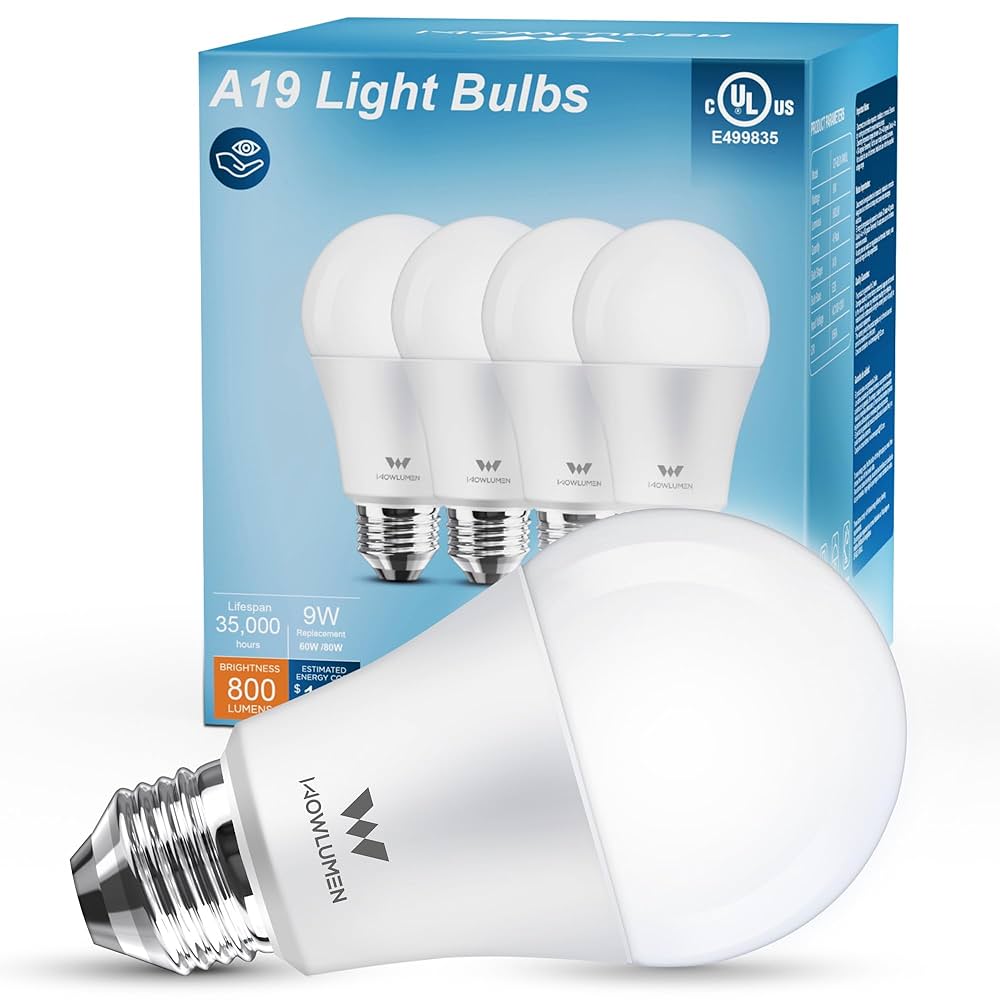
Watts show how much energy a bulb uses. Lumens measure the light a bulb gives off. More lumens mean a brighter light. For lamps, focus on lumens rather than watts. A 60-watt bulb uses more energy than a 10-watt LED but may not be brighter. Choose bulbs by lumens to get the perfect brightness.
Energy Efficiency
Energy-efficient bulbs use less power for the same brightness. LED bulbs save energy and last longer than traditional ones. They lower electricity bills and reduce heat output. Picking an energy-efficient bulb is good for the environment and your wallet.
Color Temperature
Color temperature affects the light’s feel. It is measured in Kelvins (K). Lower Kelvin numbers give warm, yellow light. Higher numbers produce cool, white or blue light. Warm light suits relaxing spaces. Cool light works well for work or study areas. Choose the color temperature that matches your lamp’s purpose.

Credit: www.amazon.ca
Living Room Lighting
Lighting in your living room sets the mood and functionality of the space. Choosing the right watt light bulb for your lamp can transform how you feel and interact in this central area of your home. Let’s break down how to pick the best bulbs for different lighting needs in your living room.
Ambient Lighting Needs
Ambient lighting is your room’s main source of light. It should be bright enough to see clearly but soft enough to create a welcoming atmosphere.
For lamps, bulbs between 40 to 60 watts often work well, providing a warm, cozy glow without harshness. If you prefer LED bulbs, look for equivalents around 450 to 800 lumens to maintain that gentle brightness.
Do you find your living room feels too stark or too dim? Adjusting the wattage here can make your space more inviting without overwhelming your eyes.
Task Lighting Tips
Task lighting helps you focus on activities like reading or working on your laptop. It needs to be brighter and more direct than ambient light.
Choose bulbs between 60 and 75 watts for your task lamps. LEDs with a daylight or cool white color temperature (around 4000K) help reduce eye strain and improve concentration.
Think about where you need the most light. Position your lamp so it shines directly on your task without casting shadows. Have you noticed how better lighting improves your productivity?
Accent Lighting Options
Accent lighting highlights specific features like artwork, plants, or architectural details in your living room.
Lower watt bulbs, around 25 to 40 watts, work great here. They add subtle brightness without overpowering the room’s overall lighting.
Consider using bulbs with a warm color temperature (2700K) to create a cozy, inviting glow. You might be surprised how a simple lamp bulb change can elevate your room’s style instantly.
Bedroom Bulb Choices
Choosing the right watt light bulb for your bedroom lamp affects comfort and brightness. A 40 to 60-watt bulb usually provides soft, warm light ideal for relaxing. Brightness depends on the lamp’s purpose, whether for reading or ambient lighting.
Choosing the right bulb for your bedroom lamp is crucial. It affects your comfort and mood. You need a bulb that offers both functionality and ambiance. This guide will help you make the best choice.Soft And Warm Light
Soft and warm light creates a cozy bedroom atmosphere. It helps you relax after a long day. Look for bulbs that offer a warm color temperature. Around 2700K is ideal. This warmth is gentle on the eyes and promotes calmness.Dimmable Bulbs
Dimmable bulbs give you control over brightness. Adjust the light to suit different activities. They are perfect for bedtime reading or winding down. Ensure your lamp supports dimmable bulbs. This feature adds versatility to your lighting.Reading Lamp Brightness
Reading lamps need optimal brightness. You want clear and focused light. A bulb between 400-600 lumens is best. It provides enough light without straining your eyes. Proper brightness enhances your reading experience.
Credit: www.amazon.ca
Kitchen Illumination
The kitchen is the heart of your home, where clear and focused lighting plays a huge role in how you prepare meals and enjoy time with family. Choosing the right watt light bulb for your kitchen lamp can make all the difference. It’s not just about brightness; it’s about creating the perfect environment for cooking, cleaning, and gathering.
Bright And Clear Lighting
Bright, clear light helps you see every detail while chopping vegetables or reading recipes. For general kitchen lighting, bulbs between 60 and 100 watts (or equivalent LED wattage around 9-15 watts) work well. They offer enough brightness without harsh glare, making your kitchen feel inviting and practical.
Have you ever struggled to see clearly when preparing food? Upgrading to a bulb that provides crisp, white light can reduce eye strain and improve your accuracy. The goal is to mimic natural daylight as much as possible, so your colors and textures appear true.
Under Cabinet Lamps
Under cabinet lamps brighten countertops where you do most of your prep work. Using lower watt bulbs, around 20 to 40 watts (or 3-6 watts LED), prevents shadows and adds focused light exactly where you need it. These smaller lamps complement your main kitchen light without overwhelming the space.
Think about the last time you tried to slice ingredients under poor lighting. Adding under cabinet lighting with the right wattage can transform this experience. It’s a simple fix that enhances safety and efficiency.
Adjusting For Task Areas
Different kitchen zones require different lighting intensities. Task areas like the stove and sink benefit from brighter bulbs, while dining or casual spots can use softer lighting. Consider adjustable lamps or bulbs with dimming features to switch between these needs easily.
What if you had the flexibility to change your kitchen’s lighting mood? Using bulbs with wattage that supports dimming lets you create bright, clear light for cooking and a cozy ambiance for meals. This adaptability improves your kitchen’s functionality and comfort.
Bathroom Lighting
Bathroom lighting plays a key role in daily routines. It helps with tasks like shaving, makeup, and grooming. Choosing the right watt light bulb for your lamp can improve visibility and comfort. Proper lighting also enhances the overall bathroom ambiance, making the space feel fresh and inviting.
Natural Light Mimicking
Bulbs that mimic natural light create a bright and clear environment. They show true colors, making makeup and skin tones look accurate. Aim for bulbs with a color temperature between 5000K and 6500K. These bulbs reduce shadows and eye strain, improving task performance.
Vanity Lamp Brightness
Vanity lamps need enough brightness for detailed work. A bulb around 40 to 60 watts is ideal for most bathrooms. LED bulbs offer bright light with lower wattage and save energy. Choose bulbs with a high lumen count for clear illumination.
Moisture Resistant Bulbs
Bathrooms are humid spaces, so use moisture-resistant bulbs. These bulbs last longer and work well in damp conditions. Look for bulbs with a damp or wet location rating. This prevents damage and keeps your lighting safe and reliable.
Office And Study Lamps
Choosing the right watt bulb for your office or study lamp helps reduce eye strain and improves focus. A 40 to 60-watt bulb usually works well for clear, comfortable lighting. Bright but soft light keeps your workspace inviting and productive.
Office and study lamps are essential for creating an efficient and comfortable workspace. Whether you’re tackling a mountain of paperwork or diving deep into a new book, the right light bulb can make all the difference. Choosing the correct wattage isn’t just about brightness; it’s about creating an environment that fosters productivity and comfort.High Brightness For Focus
When you’re working late or studying for an exam, you need a lamp that provides enough brightness to keep you alert. A 60 to 75-watt bulb typically delivers adequate illumination for most desks. However, if your task requires detailed work like sketching or reading fine print, consider a 100-watt bulb for sharper focus.Reducing Eye Strain
Prolonged exposure to inadequate lighting can lead to eye strain, headaches, and fatigue. To mitigate these issues, opt for a bulb that mimics natural daylight. LED bulbs with a cool white or daylight spectrum are excellent choices. They not only reduce eye strain but also enhance your concentration.Adjustable Lighting Options
Flexibility in lighting can be a game-changer in your workspace. Consider lamps with dimmer switches or adjustable arms. This allows you to customize the light based on your task or the time of day. Imagine adjusting your lamp to a softer light for relaxed reading or a brighter setting for intense work sessions. Isn’t it time you considered how your lighting affects your productivity and well-being? With the right bulb and lamp setup, your office or study space can become a haven of efficiency and comfort.Kids’ Room Lighting
Lighting in your child’s room plays a bigger role than just illumination. It affects their mood, focus, and even sleep quality. Choosing the right wattage and type of bulb for lamps in kids’ rooms can make a noticeable difference.
Soft But Sufficient Light
You want light that is gentle on young eyes but bright enough for activities like reading or playing. A bulb around 40 to 60 watts (or equivalent LED) usually hits the sweet spot.
Soft white bulbs with a warm color temperature (2700K to 3000K) create a cozy, inviting atmosphere. Avoid harsh, bright white lights that can cause eye strain and make the room feel cold.
Night Light Bulbs
Night lights offer comfort and safety during bedtime without disturbing sleep. Choose bulbs with very low wattage, typically 4 to 7 watts, or low-lumen LED night lights.
Colors like amber or soft red are less likely to interrupt melatonin production, helping your child fall asleep more easily. Have you noticed how a dim night light can make a big difference in calming a scared child?
Safe And Durable Options
Kids can be rough on their surroundings, so durability is key. Opt for LED bulbs—they stay cool, use less energy, and last much longer than traditional incandescent bulbs.
Look for shatterproof bulbs or those with protective coatings to prevent accidents. It’s smarter to pick bulbs that combine safety with efficiency, so you don’t have to worry about frequent replacements or broken glass hazards.
Outdoor And Patio Lamps
Outdoor and patio lamps create a warm and inviting atmosphere. They brighten your space for evening gatherings and enhance safety. Choosing the right watt light bulb ensures the perfect balance of light and energy use. Consider durability and light quality for outdoor settings.
Bright And Weatherproof
Outdoor lamps need bulbs that shine bright enough for visibility. Look for bulbs with at least 60 watts or equivalent LED output. Weatherproof bulbs resist rain, wind, and temperature changes. Choose bulbs rated for outdoor use to avoid damage and short life.
Solar And Led Choices
Solar bulbs save energy by using sunlight to recharge. They work well in sunny spots without wiring. LED bulbs use less power and last longer than traditional bulbs. LEDs are cool to touch and come in many brightness levels. Both solar and LED options reduce electricity bills.
Security Lighting Tips
Bright lights deter unwanted visitors and improve safety. Use bulbs with 70 to 100 watts or LED equivalent for security lamps. Position lights near entrances and dark corners. Motion sensor bulbs save energy by turning on only when needed. Choose bulbs with a warm or neutral white color for clear visibility.
Bulb Types And Compatibility
Choosing the right light bulb for your lamp goes beyond just picking a wattage. Understanding bulb types and their compatibility with your lamp can save you from poor lighting and wasted energy. Let’s break down the main options and what fits where, so you can make a confident choice.
Incandescent Vs Led
Incandescent bulbs have been around for ages, offering warm light but using more energy and burning out faster. On the other hand, LED bulbs use a fraction of the power and can last up to 25 times longer. If you want bright light without hiking your electricity bill, LEDs are usually the smarter pick.
Think about your lamp’s purpose. Do you want soft, cozy light, or something brighter for reading? LEDs now come in various color temperatures, so you can get that warm glow or daylight effect easily.
Smart Bulbs Benefits
Smart bulbs add more than just light; they bring control to your fingertips. You can adjust brightness, change colors, and even set schedules from your phone or voice assistant. This flexibility means you can tailor the lighting to your mood or activity without moving from your spot.
Using smart bulbs can also help reduce energy waste. Imagine your lamp turning off automatically when you leave the room. Plus, some models track energy usage, helping you stay aware of your consumption.
Lamp Socket Sizes
Not all bulbs fit every lamp. Socket sizes vary, so it’s crucial to check your lamp’s socket before buying bulbs. Common sizes include E26 (standard screw base) and E12 (candelabra base), but smaller or specialty lamps might use others.
| Socket Size | Description | Common Uses |
|---|---|---|
| E26 | Standard medium screw base | Most table lamps, floor lamps, and ceiling fixtures |
| E12 | Smaller candelabra screw base | Chandeliers, night lights, and some decorative lamps |
| B22 | Bayonet base, twist and lock | Common in UK and other regions |
Have you ever bought a bulb that didn’t fit? Double-checking socket size can save frustration and extra trips to the store. Your lamp’s manual or a quick measurement can clarify what you need.

Credit: www.amazon.ca
Tips For Energy Savings
Saving energy with your lamp light bulbs helps lower electric bills. It also reduces environmental impact. Simple changes in how you use lamps can make a big difference. Small habits add up to significant energy savings over time.
Using Timers And Sensors
Timers turn lamps off automatically after a set time. Sensors detect when no one is in the room and switch lights off. These tools prevent lights from staying on by mistake. They keep energy use low without needing extra effort.
Choosing Long-lasting Bulbs
Bulbs like LEDs last much longer than traditional bulbs. They use less electricity for the same brightness. Choosing long-lasting bulbs means fewer replacements and less waste. This choice saves money and helps the planet.
Adjusting Brightness For Use
Dimming lamps reduces the light level and energy used. Lower brightness works well for relaxing or watching TV. Using just the right brightness avoids wasting power. Adjustable lamps give control over light and savings.
Frequently Asked Questions
What Watt Light Bulb Is Best For Reading Lamps?
A 40 to 60-watt equivalent LED bulb is ideal for reading lamps. It provides bright, focused light without glare. This wattage ensures comfortable reading without straining your eyes or consuming excessive energy.
Can I Use Higher Watt Bulbs In Table Lamps?
Using higher watt bulbs than recommended can cause overheating and damage. Always check the lamp’s maximum watt rating. Exceeding this limit risks fire hazards and shortens the lamp’s lifespan.
How To Choose Wattage For Bedside Lamp Bulbs?
Choose bulbs between 40 and 60 watts for bedside lamps. This range offers soft, warm light suitable for relaxation. LED bulbs are energy-efficient and last longer than incandescent bulbs.
Does Watt Affect Lamp Brightness Or Energy Use?
Yes, wattage influences energy consumption, not brightness directly. Brightness depends on lumens, while wattage indicates power use. Choose bulbs with higher lumens and lower watts for energy-efficient brightness.
Conclusion
Choosing the right watt light bulb for your lamp matters a lot. It affects brightness, energy use, and lamp safety. Always check the lamp’s label for the maximum watt allowed. Use bulbs that fit your room’s needs and your comfort.
A good bulb helps create a cozy and well-lit space. Keep it simple and safe for the best lighting experience.



