
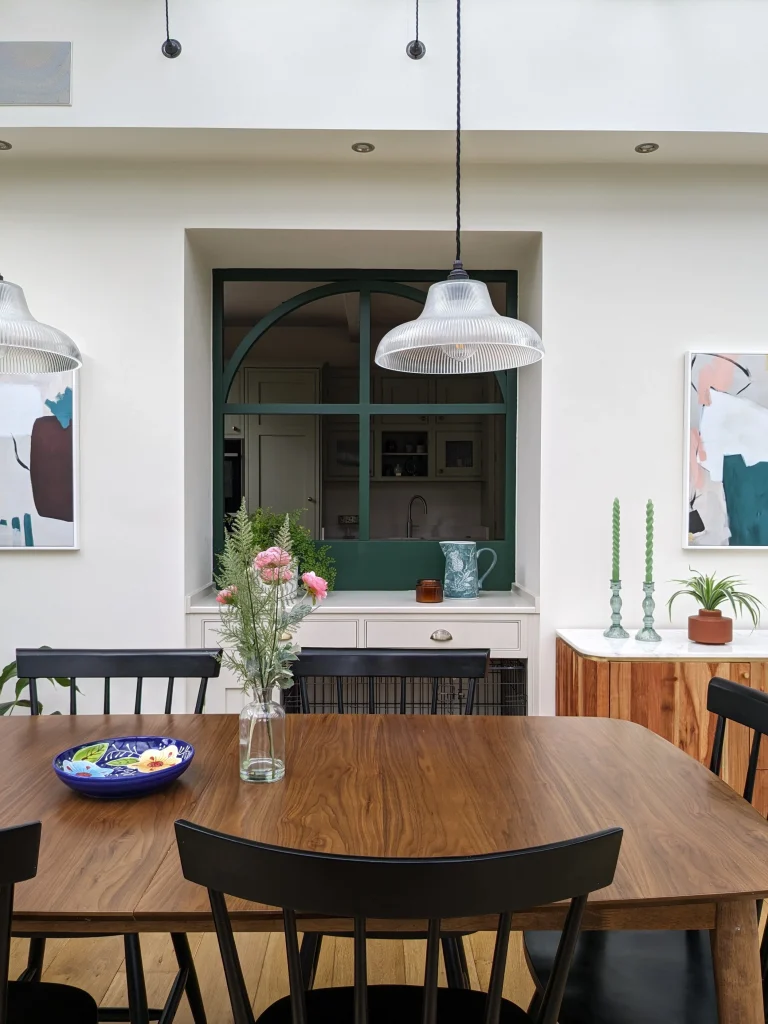
Choosing the right distance between your pendant lights can transform the entire look and feel of your space. If you’re wondering how much space to leave between pendant lights, you’re not alone.
Getting this right isn’t just about aesthetics—it affects how well your room is lit and how comfortable it feels. You’ll discover simple, practical tips that make your lighting both beautiful and functional. Keep reading to find out how a few inches can make a big difference in your home.
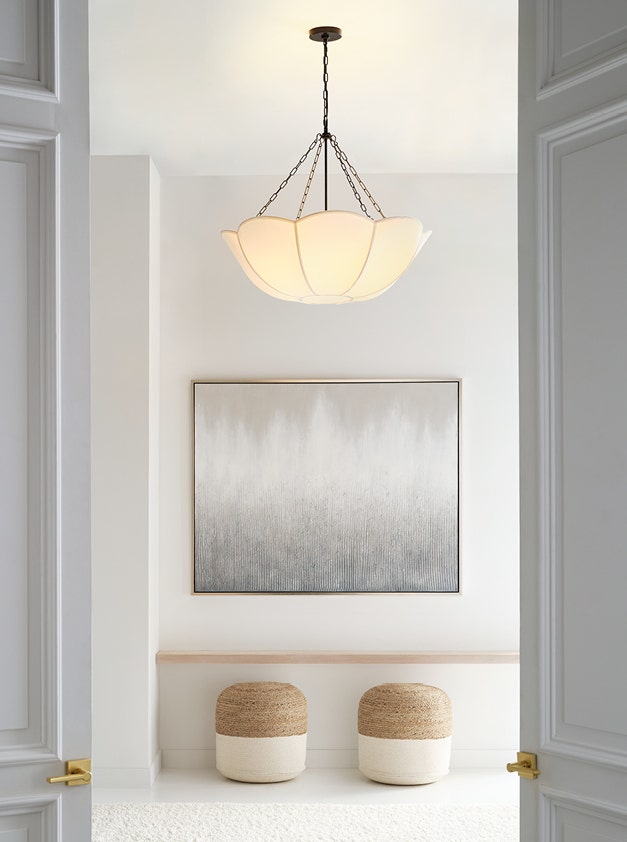
Credit: www.visualcomfort.com
Choosing Pendant Light Size
Choosing the right size for your pendant lights can transform the atmosphere of your room. It’s not just about style; the size impacts how light spreads and how the fixture fits into your space. Understanding the balance between pendant size and room dimensions helps you avoid overpowering or underwhelming your décor.
Matching Pendant Size To Room
Start by measuring your room’s length and width. A simple way to find the ideal pendant size is to add these two numbers together and convert the total to inches. For example, if your room is 12 feet by 10 feet, 12 + 10 = 22 feet, which translates to 22 inches for your pendant diameter.
This guideline ensures your pendant complements the room without dominating it. If you want multiple pendants, divide the total recommended width evenly among them. This helps maintain balance and prevents clutter.
Considering Ceiling Height
Ceiling height plays a crucial role in how your pendant looks and functions. For standard 8-foot ceilings, hang pendants 30 to 34 inches above tables or counters to avoid blocking views or creating shadows.
If your ceiling is higher, add about 3 inches of hanging height for every extra foot of ceiling height. This adjustment keeps the pendant proportionate and prevents it from looking too small or too low.
Have you noticed how a pendant that’s too low can feel intrusive, or one too high seems disconnected? Adjusting for ceiling height ensures your lighting feels just right and enhances your space’s comfort.
Spacing Between Pendant Lights
Getting the spacing right between pendant lights can change the entire feel of your room. Too close, and the area feels cluttered; too far apart, and you lose the cozy, inviting glow. Finding the perfect gap helps balance style and function, so you get both good lighting and a beautiful setup.
Standard Distance Guidelines
Most designers suggest hanging pendant lights about 28 to 34 inches apartwhen installing multiple fixtures in a row. This spacing works well over kitchen islands or dining tables, providing even light without overcrowding the space.
For a quick reference, here’s a simple guideline table:
| Area | Recommended Spacing |
|---|---|
| Over Kitchen Island | 28-34 inches apart |
| Over Dining Table | 30-36 inches apart |
| Hallways or Walkways | 36-48 inches apart |
Remember, these are starting points. Your room’s size and pendant size can shift the perfect space a little. Have you measured your space yet?
Adjusting For Light Intensity
Not all pendant lights shine with the same brightness. If your pendants have strong bulbs or multiple lights, you might want to increase the gap to avoid harsh, overlapping light.
On the other hand, softer or smaller bulbs can be placed a bit closer. This helps create a warm, inviting atmosphere without leaving dark spots.
- Bright, high-wattage bulbs: space 34+ inches apart
- Moderate brightness bulbs: 28-34 inches apart
- Soft, low-wattage bulbs: 24-28 inches apart
Think about how you use the space. Do you need bright, focused light for cooking? Or softer lighting for casual dining? Adjust your pendant spacing to match your lifestyle and lighting needs.
Spacing Above Surfaces
Proper spacing above surfaces is crucial when installing pendant lights. It ensures both functionality and aesthetic appeal. The right height can transform your space, making it more inviting and practical for everyday use.
Height Above Kitchen Islands
When hanging pendant lights over kitchen islands, consider the height of your ceiling and the activities you do there. Generally, a gap of 30 to 36 inches from the countertop to the bottom of the pendant is ideal. This spacing provides ample light for meal prep without obstructing views or conversation.
Imagine preparing a meal with a beautiful pendant light casting just the right glow. It enhances both your cooking experience and the ambiance of your kitchen. Measure your space and adjust accordingly to ensure optimal light distribution.
Height Above Dining Tables
Pendant lights over dining tables should create a warm and inviting atmosphere for meals. A common guideline is to hang the light 28 to 34 inches above the table surface. This height maintains an intimate setting while providing sufficient illumination for dining.
Picture a cozy dinner with friends, where the pendant light softly highlights the meal and conversation. Proper spacing ensures your light fixture is a centerpiece without overpowering the dining experience. Adjust your light height to complement your table and room dimensions.
Aligning With Room Layout
Aligning pendant lights with your room layout is key to creating a balanced and inviting space. The placement of these fixtures should complement the furniture and the overall flow of the room. Thoughtful positioning can enhance both aesthetics and functionality, helping you avoid awkward gaps or overcrowding.
Centering Over Furniture
Placing pendant lights directly over furniture anchors the lighting to the space. For a dining table, position the light so it hangs centered along the table’s length and width. This not only highlights the table but also ensures even illumination across the surface.
When centering over a kitchen island, consider the island’s shape and size. If it’s long and narrow, you might need two pendants spaced evenly rather than one large fixture. Think about how you use the furniture—does it serve multiple people or functions? Align your lighting to support those activities.
Balancing Multiple Fixtures
When using more than one pendant light, spacing becomes crucial to avoid crowding or empty spots. A good rule is to leave about 24 to 30 inches between each pendant, depending on their size. This spacing allows each light to shine without competing for attention.
Consider the room’s dimensions and the height of your ceiling. Taller ceilings can handle wider spacing, while smaller rooms benefit from closer placement. Imagine walking under the lights—do they feel evenly distributed or clustered? Adjust until the balance feels natural to your eyes.
Spacing For Different Pendant Styles
Different pendant light styles need different spacing to look their best. Proper spacing helps balance the room and avoid clutter. It also improves lighting and enhances the design.
Consider the size and shape of the pendants. Think about the room size and the task lighting needed. Each style has its own spacing rules for a perfect setup.
Clustered Pendants
Clustered pendants group several lights close together. Space them about 6 to 10 inches apart. This keeps the cluster tight but avoids crowding.
Clusters work well over small tables or kitchen islands. Use different heights for a dynamic look. Keep the cluster centered to create a focal point.
Linear Pendant Arrangements
Linear arrangements line up pendants in a row. Space them evenly, usually 12 to 18 inches apart. This spacing creates a clean, balanced look.
Ideal for long counters or dining tables. The distance between the first and last pendant should cover about two-thirds the length of the surface below. Adjust height to avoid glare and maintain good light spread.

Credit: www.mooboohome.co.uk
Common Mistakes To Avoid
Choosing the right space between pendant lights matters a lot. Many make simple errors that spoil the room’s look. Avoiding these mistakes helps your lighting feel balanced and pleasant. This section highlights common pitfalls to watch out for while spacing pendant lights.
Overcrowding Fixtures
Placing pendant lights too close creates clutter. Overcrowding makes the lights lose their charm. Each fixture needs room to shine and stand out. Tight spacing causes shadows and uneven lighting. Give enough space so each pendant complements the others. This ensures a clean, airy feel in your space.
Ignoring Room Proportions
Every room has its own size and shape. Ignoring these proportions leads to awkward spacing. Large rooms need wider gaps between pendants. Small rooms require fixtures placed closer but not crowded. Consider ceiling height and furniture placement too. Proper spacing respects the room’s scale and style. This keeps your lighting harmonious and functional.
Tips For Customizing Spacing
Customizing the space between pendant lights lets you create the perfect atmosphere. Adjusting spacing changes the room’s look and how light spreads. Small tweaks can make a big difference in style and function.
Consider your room’s size, ceiling height, and furniture layout. These factors guide how far apart your pendants should hang. Experiment with spacing to match your needs and taste.
Using Dimmer Controls
Dimmer controls help control the brightness of pendant lights. You can set a soft glow or bright light based on the task. This flexibility allows you to adjust spacing visually without moving fixtures.
Lower light levels make closer pendants feel cozy. Bright light needs wider spacing to avoid harsh glare. Dimmer switches add mood and style with easy adjustments.
Combining Pendant With Other Lighting
Pair pendant lights with other light sources for balance. Use recessed lights or wall sconces to fill dark spots. This mix reduces the need for tight pendant spacing.
Layering light creates depth and interest in the room. It also makes the space feel larger and more inviting. Match the style and color temperature of all lights for harmony.
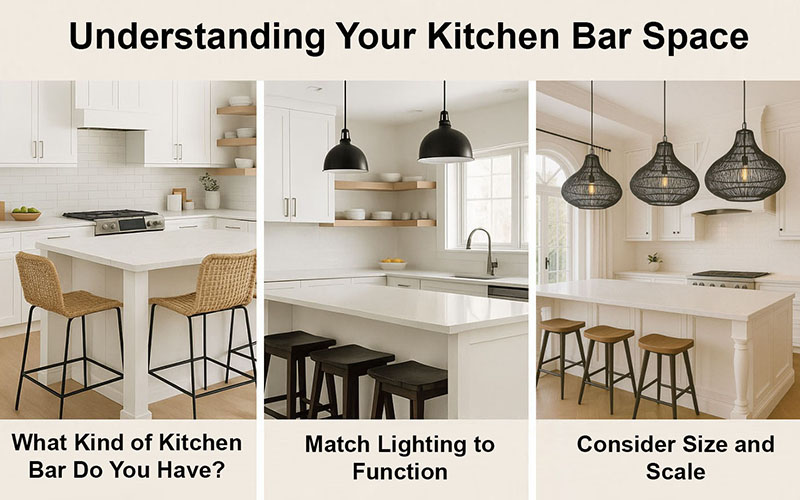
Credit: vietshopdesign.com
Frequently Asked Questions
How Much Space Between Pendant Lights Is Ideal?
The ideal spacing between pendant lights is 24 to 30 inches. This distance ensures balanced light distribution and visual appeal. It avoids overcrowding and shadows on surfaces below. Adjust spacing based on ceiling height and fixture size for best results.
Why Is Spacing Important For Pendant Lights?
Proper spacing prevents glare and uneven lighting. It enhances room aesthetics and functionality. Correct spacing also avoids fixture overcrowding and maintains balance. This improves task lighting and overall ambiance in your space.
How To Measure Space Between Pendant Lights?
Measure from the center of one fixture to the center of the next. Use a tape measure and mark spots on the ceiling. Ensure spacing matches recommended distances for your pendant size and room layout.
Can Pendant Light Spacing Vary By Room Size?
Yes, larger rooms need wider spacing, 30 inches or more. Smaller rooms or narrow spaces require closer spacing, around 24 inches. Adjust based on ceiling height and light fixture dimensions for optimal effect.
Conclusion
Choosing the right space between pendant lights changes a room’s feel. Keep lights even and balanced for best results. Too close can feel crowded; too far can seem empty. Think about the room size and light purpose. Try simple measuring rules to guide your setup.
Good spacing helps light shine where you want. It makes your space look tidy and bright. Small changes can create big improvements in your room. Use these tips to find the perfect pendant light gap. Your space will look warm and inviting.



