
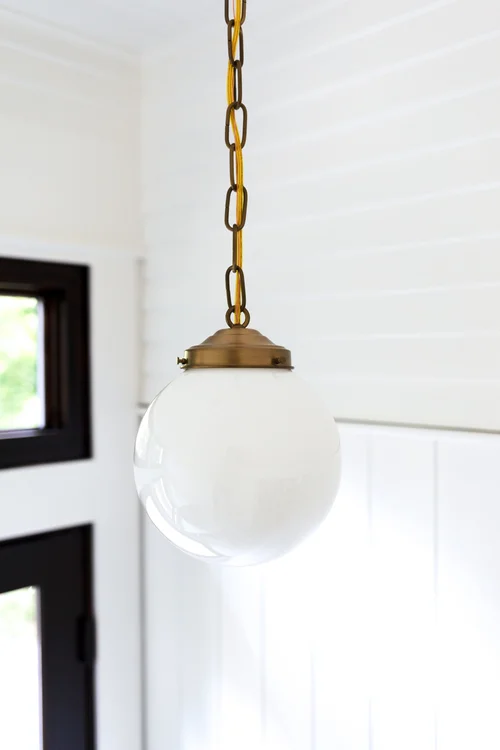
Are you ready to transform your room with a stylish pendant light but unsure where to start? Hanging a pendant light from your ceiling might seem tricky, but with the right steps, you can do it yourself and add a beautiful touch to your space.
Imagine the warm glow and modern look your new light will bring—making your room feel cozy and inviting. In this guide, you’ll discover simple, clear instructions that anyone can follow. Keep reading to learn how to hang your pendant light safely and easily, turning your vision into reality.
Choosing The Right Pendant Light
Choosing the right pendant light can completely change the mood and functionality of your space. It’s not just about picking a beautiful fixture; it’s about finding one that fits your room’s unique personality and needs. Think about how the light will interact with your space before you make a decision.
Selecting The Appropriate Style
Your pendant light should echo your personal taste and the room’s purpose. Are you aiming for a modern, sleek look or something more rustic and cozy? For a kitchen, a minimalist metal pendant might work best, while a living room could benefit from a warm, fabric shade.
I once chose a glass pendant for my dining area. It added elegance and didn’t overpower the room’s calm vibe. What style do you want your light to express?
Considering Size And Scale
Size matters when hanging a pendant light. Too big, and it overwhelms the room; too small, and it looks lost. Measure your ceiling height and room dimensions to find the sweet spot.
A good rule is to pick a pendant about one-third the width of the table or area it lights. For example, a 12-inch wide pendant suits a 36-inch wide kitchen island perfectly. Does your space call for a bold statement or subtle illumination?
Matching With Room Decor
Your pendant light should complement the existing decor, not clash with it. Look at your furniture, wall colors, and other fixtures to find a light that blends well. If your room has warm tones, a pendant with brass or gold accents might enhance the vibe.
In contrast, a cool-toned room may benefit from a chrome or black fixture. Think about the texture and finish too; a matte pendant might add softness, while a glossy one adds shine. How will your pendant light tie everything together?
Gathering Tools And Materials
Gathering the right tools and materials is key to hanging a pendant light safely and efficiently. Preparation saves time and prevents frustration during installation. Knowing what you need helps avoid multiple trips to the hardware store. Focus on quality tools to make the job easier and ensure a secure fit.
Essential Tools Needed
- Electric drill with drill bits
- Voltage tester
- Screwdrivers (flathead and Phillips)
- Wire strippers
- Measuring tape
- Wire nuts or connectors
- Adjustable wrench or pliers
- Step ladder
Safety Equipment
- Insulated gloves
- Safety goggles
- Dust mask
- Non-slip shoes
Replacement Parts And Accessories
- Mounting bracket compatible with your light
- Electrical box if old one is damaged
- Light bulbs matching your fixture
- Ceiling hooks or anchors if needed
- Decorative canopy cover
Preparing The Ceiling
Clear the ceiling area and turn off the power before starting. Locate a strong ceiling joist or use a suitable anchor to support the pendant light securely.
Preparing the ceiling for a pendant light involves several key steps. Each step ensures safety and stability for your new fixture. Follow these guidelines to prepare your ceiling correctly.Locating The Electrical Box
First, identify the electrical box in the ceiling. This box holds the wires for your light. Check if the box is securely attached. A loose box can cause the light to sag or fall. If the box is not visible, use a stud finder to locate it.Checking Ceiling Support
Ensure the ceiling can support the pendant light. Some ceilings need reinforcement for heavy lights. Check if there’s a ceiling joist near the electrical box. Joists provide strong support. For extra safety, consult a professional if unsure.Turning Off Power
Before starting any work, turn off the power. Go to your home’s breaker box. Flip the switch for the room where you’ll install the light. Use a voltage tester to confirm the power is off. Safety first to avoid electrical shocks.Installing The Mounting Bracket
Installing the mounting bracket is a crucial step in hanging a pendant light. This bracket holds the entire fixture, so it needs to be firmly and accurately positioned. Taking the time to do this properly ensures your pendant light will stay secure and look great for years.
Attaching The Bracket Securely
Start by checking the mounting bracket for any signs of damage. A bent or weak bracket can cause instability.
Use the screws provided with your pendant light kit to attach the bracket. Make sure you tighten them well, but avoid over-tightening, which can strip the screw holes.
If your ceiling is drywall, locate a ceiling joist using a stud finder. Attaching the bracket directly to a joist offers the strongest hold. If you can’t find a joist, use appropriate drywall anchors rated for the weight of your light.
Aligning With Ceiling Box
The mounting bracket must line up perfectly with the electrical ceiling box. This alignment ensures that the fixture can be wired safely and mounted flush against the ceiling.
Before securing the bracket, hold it up and check if the screw holes match the box’s holes. Adjust the position until it fits snugly.
Ask yourself: Is the bracket level and centered? Using a small level tool can save you from uneven hanging later.
Wiring The Pendant Light
Wiring your pendant light correctly is essential for both safety and functionality. It might seem tricky if you haven’t handled electrical work before, but with the right approach, it becomes manageable. Understanding how to connect wires safely and secure them properly ensures your new light fixture works perfectly and lasts for years.
Connecting Wires Safely
Before you start, always turn off the power at the circuit breaker. This simple step can prevent serious accidents. Check that the wires you’re connecting match in color: typically, black or red wires are “hot,” white wires are “neutral,” and green or bare copper wires are ground.
Hold the matching wires side by side and twist them together clockwise. This tight connection helps maintain a strong electrical flow. If you’re unsure about wire colors, use a voltage tester to confirm which wire carries current.
Using Wire Nuts And Electrical Tape
Once the wires are twisted, secure them with a wire nut. Twist the nut clockwise until it’s snug and the wires are tightly held. A loose wire nut can cause flickering or worse, an electrical short.
For extra security, wrap electrical tape around the base of the wire nut and the wires. This keeps everything firmly in place and prevents the nut from loosening over time. Have you ever experienced a light that flickers unexpectedly? This step often fixes that problem.
Remember, neat and secure wiring is the foundation of a safe pendant light installation. Taking your time here pays off every time you switch on your new light.

Credit: www.youtube.com
Attaching The Pendant Light
Attaching the pendant light is a crucial step that ensures your fixture hangs safely and looks great. This part is about more than just connecting wires; it’s about making sure the light stays secure and sits exactly where you want it. With careful attention, you’ll avoid common pitfalls like a crooked fixture or unstable mounting.
Securing The Fixture To The Bracket
Start by aligning the pendant light’s mounting plate with the ceiling bracket. You’ll usually find screws or bolts that fit through the mounting plate holes into the bracket. Tighten these screws firmly but don’t overtighten, as this could strip the threads or damage the fixture.
It’s helpful to hold the fixture steady as you secure it, especially if it’s heavy. If you’re working alone, a temporary support like a hook or a helper can make this easier. Double-check that the fixture doesn’t wobble once attached—stability is key for safety.
Adjusting Height And Position
Next, adjust the pendant light’s height to fit your space perfectly. Many pendant lights have adjustable cords or rods that allow you to shorten or lengthen the drop. Think about the room’s purpose: you might want the light closer to a dining table but higher in a hallway.
To get the right position, test how the light falls on surfaces before finalizing. You can do this by temporarily hanging the pendant and turning it on. Notice if there are any shadows or if the light feels too harsh or dim where you need it most.
Have you ever considered how the pendant’s position influences the room’s atmosphere? Small tweaks can make a big difference in mood and functionality. Don’t hesitate to adjust until it feels just right.
Testing And Final Adjustments
After securing your pendant light, it’s essential to make sure everything works perfectly. Testing and making final adjustments ensure your new fixture not only looks great but functions safely and effectively. This step can save you from future hassles and enhance your room’s ambiance.
Restoring Power And Testing Light
Before turning the power back on, double-check all wiring connections are tight and secure. Once confident, restore the power at the circuit breaker to avoid any electrical hazards.
Switch on your pendant light and observe how it illuminates the space. Does the light turn on without flickering or unusual sounds? If not, turn the power off immediately and inspect your wiring again.
Think about the brightness level—does it meet your needs? If your pendant has a dimmer switch, test it to ensure smooth operation through all brightness levels.
Fine-tuning Placement
Look at how the pendant light hangs in the room. Is the height comfortable for your space? Too low, and it might obstruct movement; too high, and it could lose its impact.
Adjust the chain or cord length if possible. Sometimes, just a few inches make a big difference in appearance and function.
Consider the light’s angle and whether it highlights your desired area. You might want to rotate or slightly shift the fixture to get the perfect glow.
Ask yourself: Does the pendant complement the room’s layout and furniture? Your goal is balance, not just illumination.

Credit: 100things2do.ca
Troubleshooting Common Issues
Hanging a pendant light can brighten up your space instantly, but sometimes things don’t go as smoothly as planned. Troubleshooting common issues can save you time and frustration, especially when it comes to flickering lights or fixtures that won’t stay put. Let’s dive into how you can tackle these problems effectively and get your pendant light shining perfectly.
Fixing Flickering Lights
Flickering lights are not just annoying; they can indicate underlying problems that need your attention. Start by checking the bulb itself—sometimes a loose or incompatible bulb causes flickering. Swap the bulb with a new one that matches the fixture’s recommended wattage and type.
If the bulb isn’t the issue, examine the wiring connections inside the ceiling box. Loose wires or poor connections can cause intermittent flickering. Turn off the power, then tighten any loose wire nuts or screws to secure the wiring firmly.
Have you noticed flickering only when using a dimmer switch? Not all bulbs work well with dimmers. Use LED bulbs labeled as “dimmable,” or try replacing the dimmer with one designed for your bulb type.
Dealing With Loose Fixtures
A loose pendant light can swing or wobble, making it look unstable and potentially unsafe. First, check that the mounting bracket is attached securely to the ceiling joist or support box. If it’s mounted on drywall alone, consider using anchors designed for heavy fixtures.
Sometimes the fixture’s canopy isn’t tightened all the way against the ceiling, causing movement. Loosen the screws, reposition the canopy snugly against the ceiling, then tighten the screws firmly. Avoid over-tightening, which could damage the fixture.
Have you ever felt your pendant sway every time you walk by? Adding a small piece of rubber or felt between the canopy and ceiling can reduce vibrations and keep the light steady.

Credit: cometlighting.co.uk
Frequently Asked Questions
How Do I Safely Hang A Pendant Light From Ceiling?
Turn off power before installation. Use a sturdy ceiling hook or bracket. Secure the light fixture with proper wiring and mounting hardware. Follow the manufacturer’s instructions and local electrical codes for safety.
What Tools Are Needed To Hang A Pendant Light?
You need a drill, screwdriver, wire stripper, voltage tester, and a ladder. Also, use mounting brackets, electrical tape, and wire connectors for secure installation.
How High Should A Pendant Light Hang From Ceiling?
Pendant lights should hang 28 to 34 inches above a table or counter. For general room lighting, 7 feet from the floor is ideal. Adjust height for room size and fixture style.
Can I Install A Pendant Light Without Electrical Experience?
It’s possible but not recommended. Incorrect wiring risks safety hazards. Hire a licensed electrician for a safe and code-compliant installation. Always prioritize safety over DIY.
Conclusion
Hanging a pendant light from the ceiling can change a room’s look. It takes some care but is not too hard. Follow each step slowly and check your work. Use the right tools to stay safe and get the best result.
A well-hung pendant light adds style and brightens your space. Try it yourself and see how easy it can be. Enjoy the new light and the fresh feel it brings to your home.



