
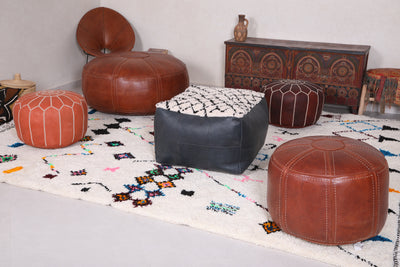
Are you ready to create a cozy, stylish pouf ball but unsure what to fill it with? The stuffing you choose can make all the difference in comfort, shape, and durability.
Whether you want something soft and squishy or firm and supportive, knowing the right materials to use will help you get the perfect pouf every time. Keep reading, and you’ll discover simple, budget-friendly options that will bring your pouf ball to life exactly the way you want it.
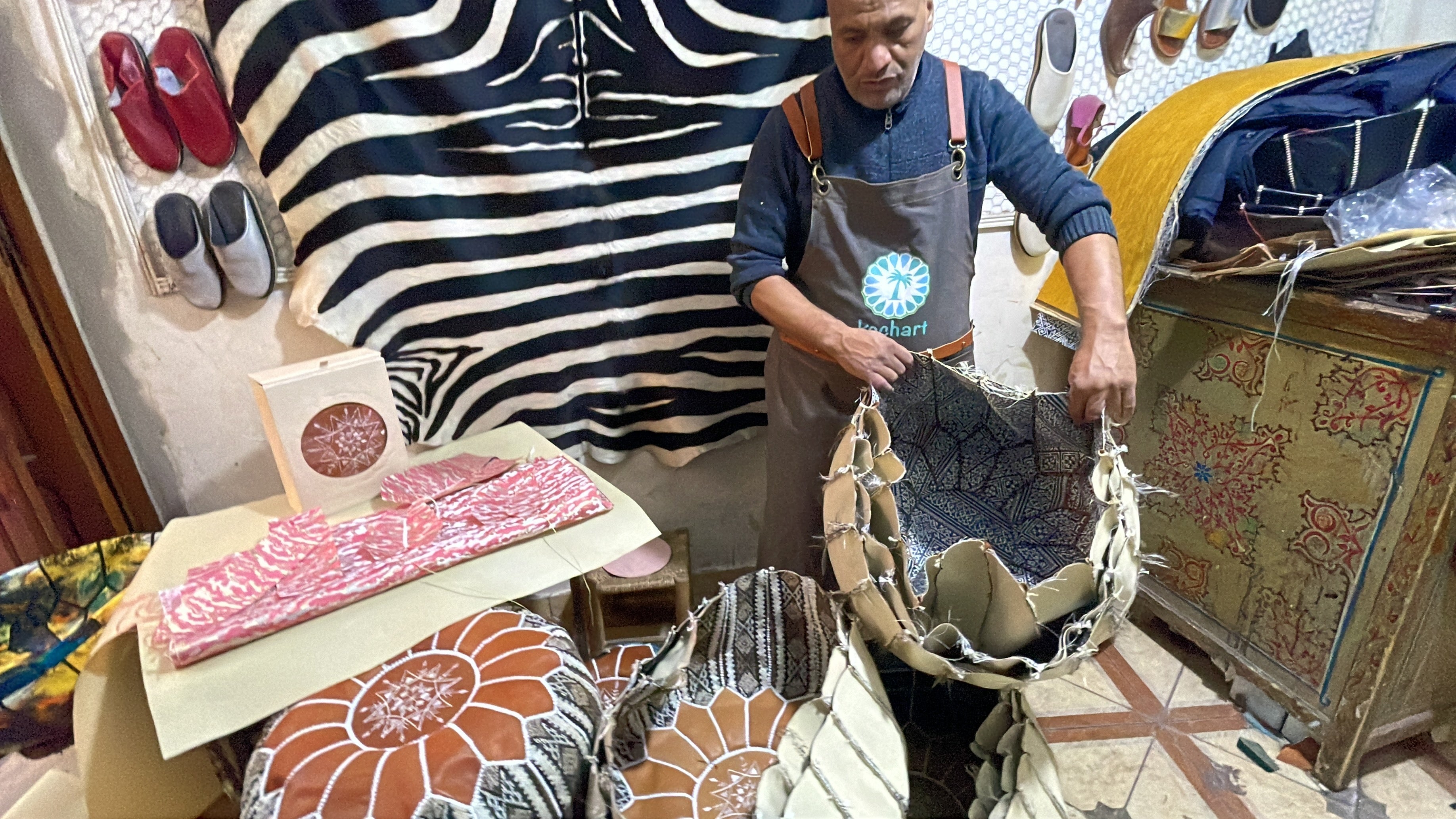
Credit: kechart.com
Types Of Pouf Ball Fillings
Pouf balls need the right filling to be comfortable and durable. The type of filling affects the look, feel, and weight. Different materials offer unique benefits. Some are soft, while others keep their shape better. Choosing the right filling depends on how you want to use the pouf and your budget.
Natural Fillings
Natural fillings come from plants or animals. They are eco-friendly and biodegradable. Common natural fillings include:
- Wool: Soft and warm, great for cozy poufs.
- Cotton: Lightweight and breathable, perfect for indoor use.
- Kapok: A fluffy fiber from seed pods, very light and soft.
- Rice hulls: Provide firm support but can be noisy.
Natural fillings often feel comfortable but may need more care.
Synthetic Fillings
Synthetic fillings use man-made materials. They are usually affordable and easy to clean. Popular synthetic fillings are:
- Polyester fiberfill: Soft, fluffy, and holds shape well.
- Foam beads: Provide good support and durability.
- Memory foam: Contours to the body, very comfortable.
- Plastic pellets: Add weight and stability to the pouf.
Synthetics are good for heavy use and last longer.
Recycled Materials
Recycled fillings help reduce waste and protect the environment. These materials are gaining popularity. Examples include:
- Recycled foam: Made from repurposed foam scraps.
- Plastic bottle flakes: Crushed into small pieces for stuffing.
- Fabric scraps: Leftover textile pieces shredded for filling.
Recycled fillings combine eco-friendliness with good comfort and support.
Benefits Of Different Fillings
Choosing the right filling for a pouf ball changes its feel and use. Different materials offer unique benefits. Some fillings focus on comfort, others on durability or cost. Understanding these helps pick the best stuffing for your needs.
Comfort And Support
Soft fillings like polyester fiber or foam provide great comfort. They mold to the body shape, offering gentle support. Memory foam adapts well and reduces pressure points. Beads or pellets give a firmer, more supportive feel. They keep the pouf’s shape better than fluff.
Durability And Longevity
High-quality foam retains shape longer than loose fibers. Beads or microbeads resist flattening and last through frequent use. Natural fillers like buckwheat hulls are strong but may compress over time. Synthetic fibers can break down quicker but replace easily. Durable fillings save money by avoiding frequent refills.
Cost And Accessibility
Polyester fiber is affordable and easy to find in stores. Foam pieces cost more but offer better durability. Beads and pellets vary in price depending on quality and size. Natural fillers may be pricier and less common. Choose a filling that fits your budget and is easy to buy locally.
How To Choose The Right Filling
Choosing the right filling affects comfort and shape. Lightweight beads offer softness, while foam pieces provide more support. Consider durability and ease of refilling for long-lasting use.
Choosing the right filling for your pouf ball can transform it from a simple decorative piece to a functional and cozy addition to your home. The type of filling you choose will significantly impact the comfort, durability, and overall look of your pouf. To make an informed decision, consider the following aspects: purpose and usage, size and shape considerations, and allergies and sensitivities.Purpose And Usage
Think about how you plan to use your pouf. Is it primarily for seating, or will it serve as a footrest? If comfort is a priority, soft fillings like polyester fiberfill or foam beads might be ideal. For a firmer seat, consider using old clothes or upcycled textiles. Your choice should align with how often and in what manner you intend to use the pouf.Size And Shape Considerations
The size and shape of your pouf will dictate the type of filling that works best. Larger poufs may require a mix of fillings to maintain shape and support. For a round, plump pouf, lightweight materials like bean bag filler can help retain its structure. Don’t hesitate to experiment with a combination of different fillings to achieve your desired look and feel.Allergies And Sensitivities
If you or anyone in your household has allergies, it’s crucial to choose hypoallergenic materials. Natural fillings like cotton or wool can be great options. However, ensure they are treated to prevent allergens like dust mites. Always consider the health and comfort of your family when selecting a filling, and look for materials that are easy to clean and maintain. The right filling can make your pouf more than just a piece of furniture—it’s an opportunity to express your style while ensuring comfort and practicality. What will you choose to stuff your pouf with?
Credit: www.amazon.ca
Step-by-step Filling Process
Filling a pouf ball properly can make all the difference in comfort and durability. Taking your time during the filling process ensures you get a pouf that’s both supportive and cozy. Let’s break down the filling process into manageable steps so you can achieve the best results.
Preparing The Pouf Cover
Start by checking your pouf cover for any openings or zippers. Make sure the cover is clean and dry before you begin filling it. If your cover has a zipper, unzip it fully to avoid any hassle while stuffing.
Lay the cover flat on a clean surface. This helps you evenly distribute the filling later. You might want to smooth out any wrinkles to get a better idea of the pouf’s shape.
Adding Filling Material
Choose the right filling for your needs: foam beads, polyester fiberfill, or old clothes can work well. If you want firm support, foam beads are a good choice. For a softer feel, polyester fiberfill is ideal.
Use small handfuls to add filling gradually. Push the filling into the corners first to maintain the pouf’s shape. Keep checking the firmness by pressing on the pouf as you fill it. This helps you avoid overfilling or leaving it too loose.
- Tip: Use a funnel or a clean plastic bottle with the bottom cut off to guide smaller filling like beads inside.
- Tip: If using fiberfill, separate clumps before stuffing to avoid lumps.
Sealing And Finishing
Once you’ve reached the desired firmness, carefully zip or sew the pouf cover closed. Double-check the seal to ensure no filling escapes. If your pouf cover doesn’t have a zipper, consider using a strong needle and thread to hand-stitch it securely.
Give the pouf a few gentle shakes and presses to help the filling settle evenly. If you notice any soft spots, add a bit more filling and adjust as needed. How does your pouf feel now? Adjusting the filling might take a couple of tries to get just right.
Maintaining And Refilling Pouf Balls
Maintaining and refilling pouf balls keeps them comfortable and long-lasting. Proper care ensures the pouf stays full and supportive. Check the filling regularly to avoid flattening and discomfort. Clean and store your pouf correctly to protect the fabric and filling material.
Signs To Refill Or Replace Filling
- The pouf feels flat or lumpy.
- It loses shape quickly after sitting.
- Filling shifts or clumps inside the cover.
- Unpleasant odors come from the filling.
- The pouf feels less supportive or soft.
Cleaning Tips
- Remove the outer cover before cleaning.
- Spot clean stains with mild soap and water.
- Avoid soaking the filling material to prevent damage.
- Use a vacuum with a brush attachment to remove dust.
- Let the filling dry completely before refilling.
Storage Advice
- Keep poufs in a dry, cool place away from direct sunlight.
- Store poufs in breathable bags to avoid moisture buildup.
- Do not compress poufs for long periods to maintain shape.
- Check filling before storing to ensure it is clean and dry.
- Fluff poufs regularly to keep the filling evenly distributed.

Credit: www.marrakeche.com
Creative Filling Alternatives
Choosing the right filling for your pouf ball can change its comfort and style. Creative filling alternatives offer unique textures and benefits. These options can make your pouf more durable, eco-friendly, or soft. Exploring different materials helps you find the perfect match for your needs.
Eco-friendly Options
Eco-friendly fillings protect the planet and reduce waste. Natural fibers like cotton, wool, and kapok are soft and biodegradable. Recycled materials such as shredded fabric or old clothes also work well. These options keep your pouf green and comfy.
Diy Filling Ideas
DIY fillings add a personal touch to your pouf. Use foam scraps or old pillows for softness. Plastic bags can create a lightweight, moldable shape. Even dried beans or rice provide firmness and a unique feel. These materials save money and recycle household items.
Combining Materials
Mixing different fillings balances comfort and support. For example, blend shredded foam with cotton for softness and shape. Combine plastic pellets with fabric scraps for weight and texture. Layering materials helps customize the pouf’s feel and lifespan.
Frequently Asked Questions
What Materials Can I Use To Stuff A Pouf Ball?
Common stuffing materials include polyester fiberfill, shredded foam, old clothes, or bean bag beads. Choose based on comfort and firmness needs.
Is Polyester Fiberfill Good For Pouf Ball Stuffing?
Yes, polyester fiberfill is soft, lightweight, and hypoallergenic. It provides a comfortable and resilient filling for pouf balls.
Can I Use Recycled Materials To Fill A Pouf Ball?
Absolutely! Shredded fabric, old clothes, or foam scraps are eco-friendly stuffing options. They reduce waste and add firmness.
How Much Stuffing Do I Need For A Pouf Ball?
Fill the pouf ball until it feels firm yet squeezable. Typically, 2-4 pounds of stuffing material works well.
Conclusion
Choosing the right stuff for your pouf ball can make a big difference. Soft fillings like polyester fiberfill offer comfort and shape. Beans or pellets add weight and firmness. Old clothes or fabric scraps work well for a budget option.
Remember to pick a stuffing that fits your needs and budget. A well-stuffed pouf ball stays cozy and lasts longer. Enjoy making your pouf perfect for your space and style. Simple choices can bring great comfort and charm to your home.



