
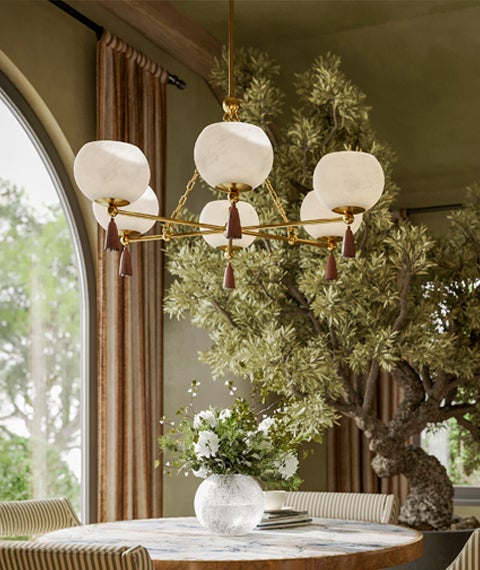
Choosing the right chandelier size for your dining table can transform your entire room. You might wonder, “How big should the chandelier be over my dining table?” This question matters because the perfect size creates balance, enhances your space, and sets the mood for every meal.
If your chandelier is too small, it can get lost in the room. Too big, and it can overwhelm your space. You’ll discover simple, practical tips to find the ideal chandelier size that fits your dining area perfectly. Keep reading to make your dining room look stunning and inviting every time you gather around the table.

Credit: www.hgtv.com
Choosing The Right Chandelier Size
Choosing the right chandelier size for your dining table is key to creating a balanced and inviting space. The right size not only enhances the room’s look but also ensures proper lighting without overwhelming the area. Let’s break down how to measure your table and calculate the perfect chandelier dimensions to fit your dining area.
Measuring Your Dining Table
Start by measuring the length and width of your dining table. Use a tape measure to get precise numbers in inches or centimeters. Write down these measurements because they are the foundation for selecting the right chandelier size.
Think about the shape of your table too. A round table might need a different approach than a rectangular one. Knowing these details will help you avoid choosing a chandelier that looks out of place.
Calculating Ideal Chandelier Dimensions
A simple formula can guide you here: add the length and width of your dining table in feet, and the result is the ideal diameter of your chandelier in inches. For instance, if your table is 6 feet long and 3 feet wide, your chandelier should be about 9 inches in diameter.
Height matters as well. Your chandelier should hang 30 to 36 inches above the table surface to avoid blocking views or causing glare. If your ceiling is higher than 8 feet, you can add 3 inches for every additional foot of ceiling height.
Have you ever walked into a room where the chandelier felt too big or too small? That discomfort often comes from ignoring these measurements. Paying attention to size creates harmony and improves your dining experience.
Chandelier Width Guidelines
Choosing the right width for a chandelier over your dining table is key to creating a balanced and inviting space. The size of your chandelier shouldn’t overpower the table, nor should it appear too small to make an impact. Understanding how to match the chandelier width with your table size ensures your lighting looks intentional and enhances your dining experience.
Width Relative To Table Size
The chandelier’s width should complement the width of your dining table. A good rule of thumb is to select a chandelier that is about two-thirds the width of your table. This proportion maintains visual harmony and prevents the fixture from looking either too bulky or too delicate above your table.
If your dining table is 36 inches wide, aim for a chandelier around 24 inches wide. For wider tables, you can increase the chandelier size accordingly. This helps the light spread evenly and highlights the table’s shape without overwhelming the space.
Common Size Ratios To Follow
Using size ratios can simplify your decision. Here are some common guidelines:
- Table width x 0.6 to 0.75:Ideal width range for your chandelier
- Table length x 0.5 to 0.7:Often used to determine the chandelier length or diameter
For example, a 48-inch wide table pairs well with a chandelier between 29 and 36 inches wide. These ratios keep the fixture proportional and ensure the room feels balanced.
Have you noticed how a too-small chandelier fades into the background, while a too-large one can feel like it’s dominating the room? Sticking to these width guidelines helps you avoid both extremes and get that perfect fit every time.
Chandelier Height And Hanging Distance
Choosing the right chandelier for your dining table is not just about style; it’s also about getting the dimensions right. The chandelier’s height and hanging distance can greatly influence the room’s ambiance and functionality. A well-placed chandelier can transform your dining experience, adding elegance and drama, while a poorly placed one can make the space feel awkward or cramped. So, how do you find the perfect balance?
Optimal Height Above Table
The ideal height for a chandelier above a dining table is typically between 30 to 36 inches. This measurement is taken from the table surface to the bottom of the chandelier. This distance ensures that the light fixture provides ample illumination without obstructing views across the table.
Imagine hosting a dinner party where guests can comfortably converse without bumping their heads into the chandelier. Keeping this height range in mind can help you maintain a harmonious and functional dining space.
Adjusting For Ceiling Height
Ceiling height plays a crucial role in determining the chandelier’s position. If your ceiling is higher than the standard 8 feet, consider adding 3 inches to the hanging height for every additional foot of ceiling height. This adjustment ensures that the chandelier remains visually proportional and accessible.
Think about a grand dining room with soaring ceilings. A chandelier hung too low might seem out of place, whereas adjusting its height can complement the room’s grandeur. Are you ready to create a dining space that’s both stunning and practical?
Style And Scale Considerations
Choosing the right chandelier size involves more than just measurements. Style and scale play major roles in creating harmony above your dining table. The fixture should complement the room without overpowering it. Proper balance enhances both the chandelier and the dining space. Consider the room’s decor and the visual weight of the lighting piece. This approach ensures a cohesive and inviting atmosphere.
Matching Chandelier Style To Room Decor
Pick a chandelier style that fits your dining room’s theme. A modern room suits sleek, simple designs. Traditional spaces work well with ornate, classic fixtures. Rustic rooms call for natural materials and earthy tones. The chandelier acts as a centerpiece. It should echo the room’s mood and colors. This connection makes the room feel complete and unified.
Balancing Visual Weight And Space
The chandelier’s size affects the room’s balance. A too-large fixture can overwhelm the table and space. A too-small one may seem lost or insignificant. Visual weight matters as much as physical size. Consider the chandelier’s shape and materials. Heavy designs need more space, while airy ones fit smaller areas. Leave enough room around the fixture for comfort and flow.
Lighting Needs And Functionality
Choosing the right chandelier size is more than just aesthetics—it’s about meeting your lighting needs and enhancing functionality. Your dining area should feel welcoming and well-lit, making meals and conversations enjoyable. Think about how much light you need and how the chandelier complements other light sources in the room.
Brightness And Bulb Types
Brightness matters more than you might expect. A chandelier that’s too dim can make your dining space feel gloomy, while one that’s too bright might cause glare and discomfort.
Consider the lumens, which measure light output, rather than just wattage. For a dining table, aim for about 3000 to 4000 lumens total to provide enough illumination without overwhelming the space.
Choosing the right bulbs also affects both brightness and ambiance. LED bulbs save energy and last longer, while dimmable options give you control over the mood. Have you tested different bulb types to see what works best with your fixture?
Layering Light With Other Fixtures
A single chandelier rarely meets all your lighting needs. Layering light with wall sconces, recessed lights, or table lamps creates depth and flexibility.
This approach allows you to adjust lighting based on the activity—brighter for dinner prep, softer for intimate meals. Combining overhead and accent lighting helps avoid harsh shadows and bright spots.
Think about the function of your dining space beyond meals. Adding a dimmable chandelier paired with other fixtures lets you set the perfect tone whether hosting a lively gathering or enjoying a quiet dinner.
Common Mistakes To Avoid
Choosing the right chandelier size over a dining table can be tricky. Many people make common mistakes that affect the room’s look and feel. Avoid these errors to create a balanced and stylish dining area. Proper size and placement matter a lot for harmony and comfort.
Oversized Vs. Undersized Fixtures
An oversized chandelier can overpower the dining space. It blocks sightlines and feels heavy. It can also make the room look cramped and cluttered. On the other hand, a chandelier that is too small might go unnoticed. It fails to provide enough light or visual interest. Striking a balance is key. The fixture should be large enough to make a statement but not overwhelm the table or room.
Ignoring Room Proportions
Ignoring the size and shape of the room is a common mistake. A chandelier should complement the room’s height and width. In a small room, a large fixture can feel too dominant. In a large room, a small chandelier may seem lost. Measure the room carefully before choosing the chandelier size. Consider ceiling height and table size together to find the perfect fit. Room proportions guide the scale and style of the fixture.
Tips For Installation And Adjustment
Installing and adjusting a chandelier over the dining table needs care and precision. Proper installation ensures safety and enhances the room’s look. Adjusting the height and securing the fixture correctly makes the chandelier a perfect centerpiece.
Securing Proper Fixture Support
Ensure the ceiling can hold the chandelier’s weight. Use a strong electrical box made for heavy fixtures. Attach a support brace between ceiling joists if needed. Check that all screws and mounting brackets are tight. This prevents the chandelier from wobbling or falling.
Fine-tuning Height After Installation
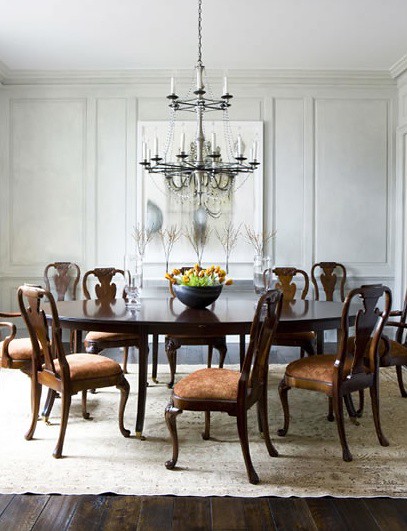
The chandelier should hang at the right height for comfort and style. Measure from the table surface to the bottom of the fixture. Ideal height is usually 30 to 36 inches above the table. Adjust the chain or rod length carefully. Make small changes and step back to check the look.
Credit: www.thingsthatinspire.net

Credit: www.hgtv.com
Frequently Asked Questions
How To Measure Chandelier Size For Dining Table?
Measure your dining table’s length and width in inches. Add those two numbers together. Convert the total to inches for chandelier diameter. This ensures the chandelier complements the table without overpowering the space. Proper sizing balances proportion and aesthetics.
What Is Ideal Chandelier Height Above Dining Table?
The chandelier should hang 30 to 36 inches above the dining table surface. This height provides adequate lighting without obstructing views. It maintains comfortable head clearance and creates a balanced visual effect in the dining area.
Can Chandelier Size Affect Dining Room Ambiance?
Yes, chandelier size impacts room ambiance. A well-sized chandelier enhances elegance and lighting balance. Oversized fixtures can overwhelm the space, while small ones may lack presence. Choose a size that suits the room dimensions and desired mood.
Should Chandelier Size Match Dining Table Shape?
Matching chandelier shape to the dining table enhances harmony. Rectangular tables suit linear or rectangular chandeliers. Round tables pair well with circular fixtures. Shape coordination creates a cohesive and visually pleasing dining space.
Conclusion
Choosing the right chandelier size makes your dining space look great. A chandelier too big can overwhelm the table and room. Too small, and it might go unnoticed. Measure your table and leave space for balance and light. Keep the chandelier about half to two-thirds the width of your table.
This helps the light spread evenly and creates a cozy feel. Remember, simple and clear choices work best for a beautiful dining area. Your chandelier should fit the room, not crowd it.



