
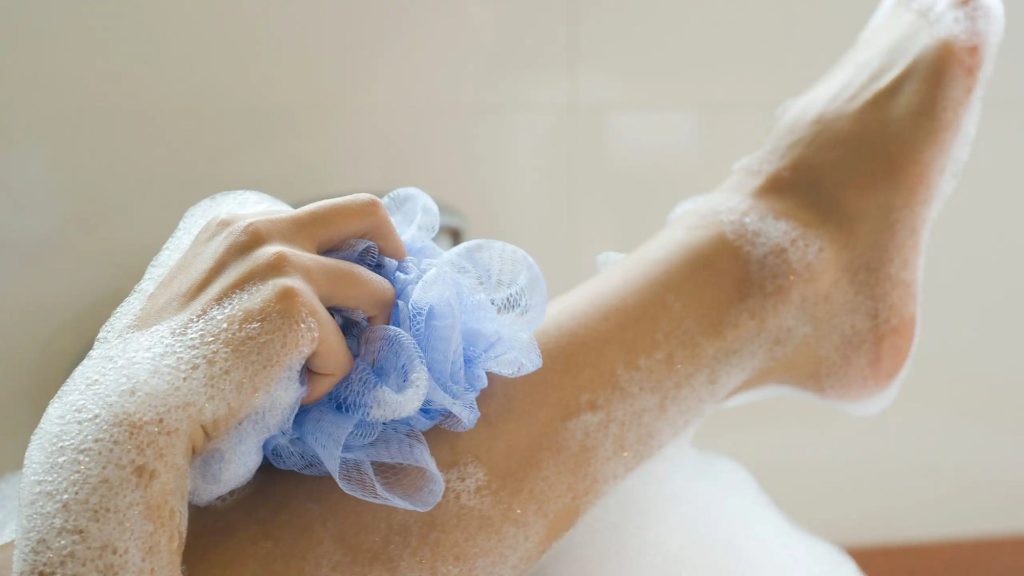
Your bath pouf is a simple tool that helps keep your skin fresh and clean every day. But have you ever stopped to wonder how often you should change it?
Using the same bath pouf for too long can lead to bacteria buildup, making your daily shower less healthy than you think. If you want to protect your skin and get the most out of your cleansing routine, it’s important to know the right time to replace your bath pouf.
Keep reading to discover easy tips that will help you stay clean and safe, without any guesswork.
Why Change Your Bath Pouf Regularly
Changing your bath pouf regularly is important for hygiene and skin care. Bath poufs trap water and soap, creating a moist space. This environment can quickly become a home for germs. Using a clean pouf ensures a better and safer bathing routine.
Bacteria And Mold Risks
Bath poufs stay damp long after use. This moisture allows bacteria and mold to grow. These germs can cause infections and unpleasant odors. A dirty pouf spreads these harmful microbes on your skin. Regular replacement stops this buildup and keeps your bath area cleaner.
Skin Health Impact
Using an old bath pouf can harm your skin. Bacteria and mold irritate the skin and cause redness. They can worsen acne or other skin problems. A fresh pouf helps keep your skin clear and healthy. It also prevents itching and dryness caused by contaminated materials.
Effect On Bathing Experience
A worn-out pouf loses its softness and effectiveness. It does not create good lather for cleaning. This makes your bath less enjoyable and less effective. A new pouf feels gentle and helps remove dirt better. It improves your daily self-care and refreshes your skin.
Credit: health.clevelandclinic.org
Signs It’s Time To Replace Your Bath Pouf
Knowing when to replace your bath pouf is key to maintaining good hygiene and skin health. Bath poufs tend to wear out quietly, so you might not notice the signs immediately. Paying attention to certain changes can save you from using a dirty or ineffective scrubber.
Visible Wear And Tear
Check your pouf regularly for frayed edges, holes, or thinning mesh. These signs show it’s breaking down and won’t clean your skin properly anymore. A worn-out pouf can also trap more dirt and bacteria because it doesn’t rinse well.
Unpleasant Odors
If your bath pouf starts smelling bad even after rinsing, it’s a red flag. A persistent musty or sour odor means bacteria and mold might be growing inside. No amount of washing will fix this, so it’s time to get a fresh one to avoid skin irritation.
Loss Of Effectiveness
Notice your pouf isn’t creating as much lather or scrubbing as well as it used to? It might feel flat or less springy. This drop in performance means the material is breaking down, reducing its ability to cleanse and exfoliate properly.
Recommended Replacement Frequency
Bath poufs should be replaced every three to four weeks to prevent bacteria buildup. Regular changes keep your skin clean and healthy. Using a fresh pouf ensures better hygiene during showers.
Changing your bath pouf regularly is crucial for maintaining good hygiene and ensuring your skin stays healthy. These seemingly small shower accessories can harbor bacteria, mold, and mildew due to their frequent exposure to moisture. Understanding the recommended replacement frequency can prevent skin irritations and keep your bathing routine fresh and effective.General Guidelines
Most experts suggest replacing your bath pouf every 3 to 4 weeks. This timeframe helps minimize the risk of bacterial buildup and ensures you are using a clean tool on your skin. If you notice any unusual odors or discoloration, it’s wise to replace it sooner.Factors That Influence Timing
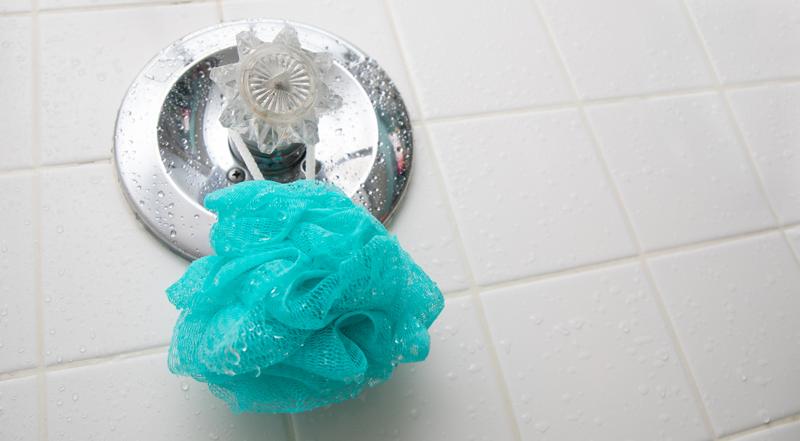
Several factors can affect how often you should change your bath pouf. – Usage Frequency: If you’re using it daily, it might wear out faster, necessitating more frequent replacements. – Storage Conditions: Keeping your pouf in a humid environment like a steamy shower can lead to quicker degradation. – Material Quality: Higher quality materials might last longer, but always prioritize hygiene over durability. Consider your personal hygiene habits and the environment of your bathroom. Does your pouf dry out completely between uses? If not, it might be a breeding ground for bacteria. Taking these factors into account will help you decide when it’s time for a new one.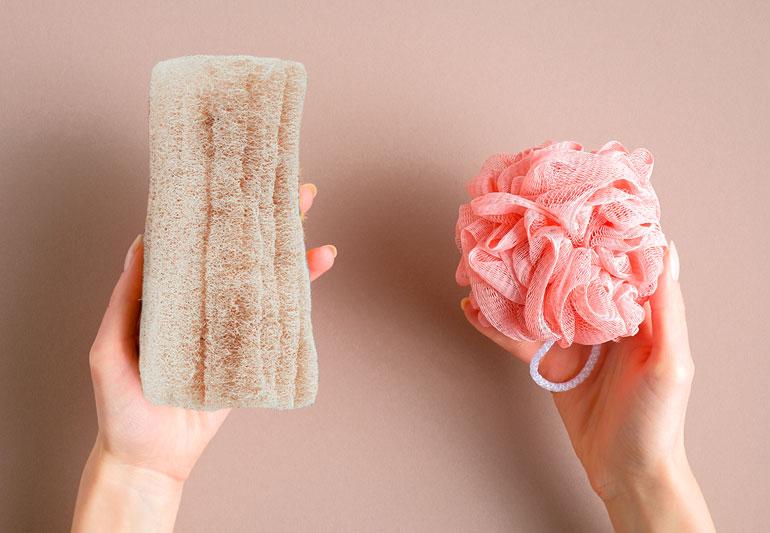
Credit: health.clevelandclinic.org
Tips To Extend Bath Pouf Lifespan
Extending the lifespan of your bath pouf saves money and keeps it fresh longer. Proper care prevents bacteria buildup and unpleasant odors. Simple habits can make a big difference in how long your bath pouf stays usable and clean.
Proper Cleaning Methods
Rinse your bath pouf thoroughly after each use to remove soap and dirt. Use warm water to break down oils and residue. Once a week, soak it in a mixture of water and white vinegar for 5 minutes. This disinfects and removes bacteria. Avoid harsh chemicals that can damage the fabric. Replace the soak with a gentle laundry detergent wash if preferred. Make sure to rinse well to remove cleaning agents.
Drying And Storage Tips
After cleaning, squeeze out excess water gently. Avoid twisting or wringing to prevent damage. Hang your bath pouf in a well-ventilated area to air dry completely. Avoid damp or dark places that encourage mold growth. Do not leave it in the shower or near the tub. Store it in a dry spot to maintain freshness. Keeping it dry reduces the chance of bacterial growth and extends its life.
Alternative Bathing Tools To Consider
Changing your bath pouf regularly keeps your skin healthy and clean. Some people prefer other bathing tools for variety or skin needs. These alternatives offer different textures and benefits. They might last longer or be easier to clean than poufs. Consider trying these to find what suits you best.
Natural Sponges
Natural sponges come from the sea and feel soft on skin. They hold water well and create a gentle lather. These sponges are biodegradable and eco-friendly. They suit sensitive skin and help exfoliate without irritation. Clean them often and let them dry completely to avoid bacteria.
Washcloths And Loofahs
Washcloths are simple and easy to use. They dry quickly and can be washed with your laundry. Loofahs are made from dried plant fibers and offer firm exfoliation. Both tools help remove dead skin cells effectively. They need regular washing and replacement every few weeks.
Silicone Scrubbers
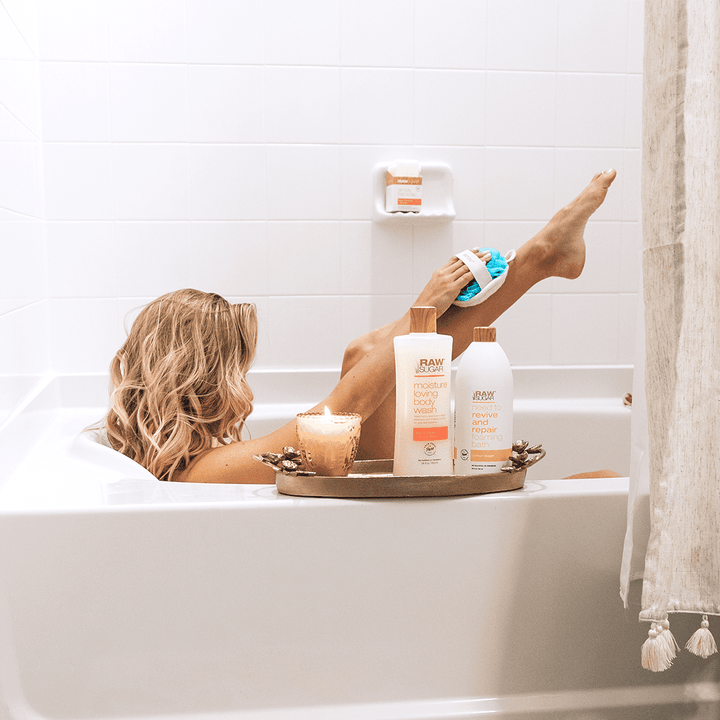
Silicone scrubbers are soft and durable. They resist bacteria and dry fast after use. These scrubbers have small bristles that massage skin gently. They work well with soap or body wash. Silicone scrubbers last longer and require less frequent replacement.
Credit: rawsugarliving.com
Frequently Asked Questions
How Often Should You Replace Your Bath Pouf?
Replace your bath pouf every 3 to 4 weeks to prevent bacteria buildup. Frequent replacement ensures hygiene and skin safety. Regularly check for signs of wear or mold, which indicate immediate replacement is needed.
Can Bath Poufs Harbor Harmful Bacteria?
Yes, bath poufs can harbor bacteria if not dried properly. Moist environments promote bacterial growth. Clean and dry your pouf regularly to reduce risks and maintain skin health.
How Do I Clean My Bath Pouf Effectively?
Soak your bath pouf in warm water with vinegar or bleach weekly. Rinse thoroughly and air dry completely to kill germs. This routine keeps your pouf fresh and safe for use.
What Are The Signs My Bath Pouf Needs Changing?
Look for mold, discoloration, unpleasant odor, or fraying strands. These signs mean bacteria or fungi have grown. Replace your pouf immediately to avoid skin infections.
Conclusion
Changing your bath pouf regularly keeps your skin clean and healthy. Old poufs collect germs and bacteria that can cause irritation. A good rule is to replace it every three to four weeks. Dry your pouf fully after each use to help it last longer.
Remember, a fresh pouf means better hygiene and a nicer shower experience. Taking small steps like this improves your daily routine easily. Keep your bath pouf fresh and enjoy cleaner skin every day.



