
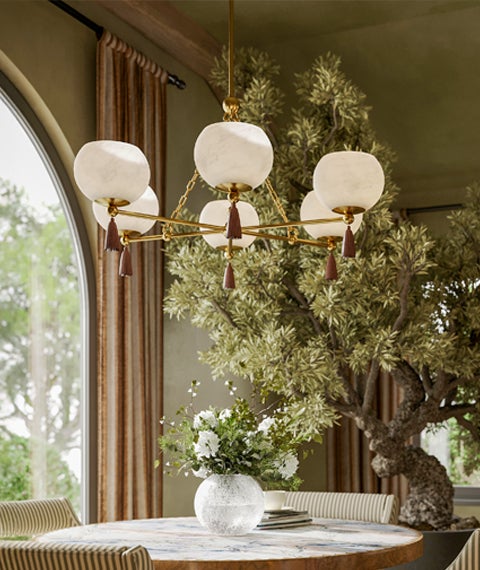
Choosing the perfect height for your chandelier above the dining room table can transform your entire space. You want it to look stunning, but also feel comfortable and practical every time you sit down for a meal.
Too high, and it might lose its charm; too low, and it could get in the way. Finding that sweet spot isn’t just about measurements—it’s about creating the right mood and balance in your room. Keep reading, and you’ll discover simple tips that help you hang your chandelier just right, making your dining area both beautiful and inviting.
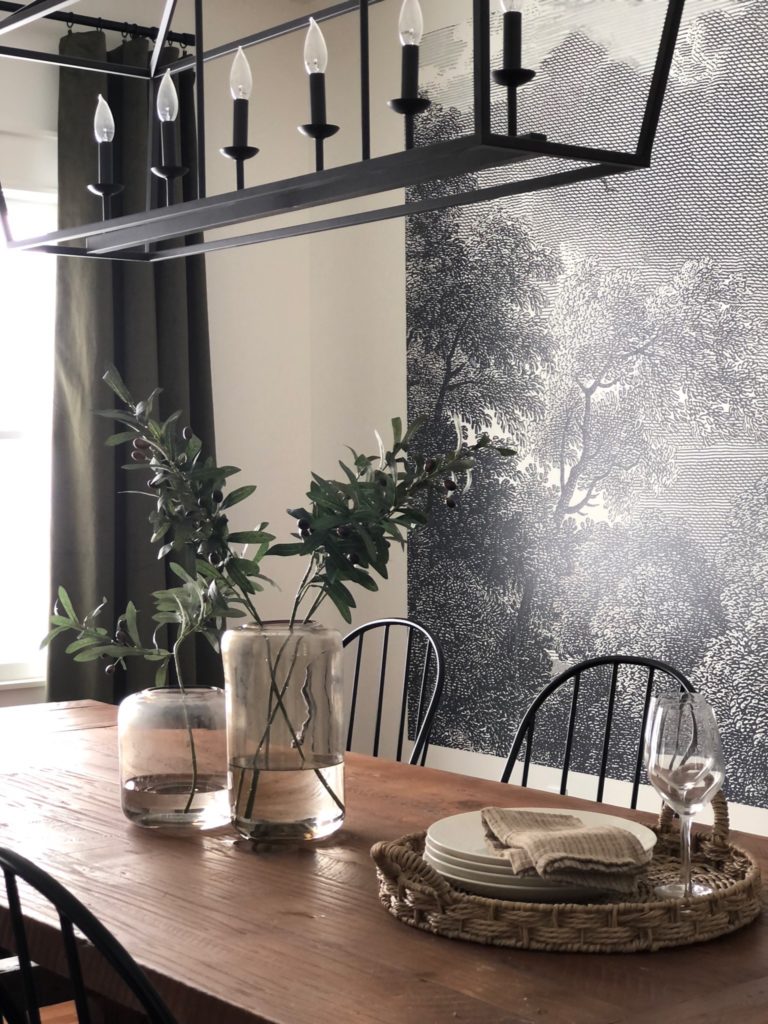
Credit: www.kylieminteriors.ca
Ideal Height For Chandeliers
Finding the ideal height for your chandelier above the dining room table can transform your space from ordinary to stunning. The right height balances functionality and style, ensuring the light is neither too harsh nor too dim. Let’s break down how to get this just right for your room.
Standard Height Guidelines
A good rule of thumb is to hang the chandelier so the bottom sits about 30 to 36 inches above the dining table surface. This height allows enough clearance for people to see each other comfortably without the light fixture blocking the view.
Keep in mind, this guideline works best for standard 8-foot ceilings. If your chandelier is too low, it might feel cramped; too high, and the lighting won’t be effective.
Adjusting For Ceiling Height
Higher ceilings need a different approach. For every additional foot above 8 feet, add about 3 inches to the hanging height. For instance, if your ceiling is 10 feet high, aim to hang the chandelier 36 to 42 inches above the table.
This adjustment keeps the chandelier proportional to the room and prevents it from looking like it’s floating too high or dangling awkwardly low.
Considering Table Size
The size of your dining table plays a key role in chandelier placement. A larger table calls for a bigger chandelier hung slightly higher to avoid overwhelming the space. Smaller tables need smaller fixtures hung a bit lower to create an intimate atmosphere.
Ask yourself: Does the chandelier feel balanced over the table, or does it dominate the room? Your answer will guide the final height and size choice.

Credit: www.youtube.com
Impact On Room Aesthetics
The height at which your chandelier hangs above the dining table directly shapes the room’s overall look and feel. It influences how balanced the space appears, where your eyes are drawn, and how comfortable the area feels during meals. Paying close attention to this detail can transform your dining room from ordinary to stunning.
Balancing Proportions
Your chandelier should complement the size of your dining table and the height of the ceiling. Hanging it too low can make the room feel cramped, while placing it too high may cause the fixture to seem disconnected from the table below.
Think about the scale: a large table calls for a bigger or multiple chandeliers hung slightly lower, while a smaller table needs a more modest fixture at a higher position. Getting this balance right helps maintain harmony and prevents the room from feeling off-kilter.
Creating Visual Focus
The chandelier often acts as the centerpiece of your dining area. Positioning it at the right height ensures it catches attention without overwhelming the space.
Have you noticed how some chandeliers seem to “float” just above the table, inviting you to gather beneath? That’s the sweet spot where the light draws you in, highlighting the table and everything on it, including food and decor.
Avoiding Obstructions
Clear sightlines and comfortable movement are key during meals. Hanging your chandelier too low can block views and interfere with serving dishes or conversations.
Keep in mind the average height of people seated around the table and the tallest items you might place on it, like flower arrangements. Your fixture should hang high enough to avoid collisions but low enough to keep the room connected.
Lighting And Functionality
The right height for a chandelier above a dining table is crucial. It affects both lighting and functionality in the dining space. A well-placed chandelier enhances the dining experience, providing sufficient light and creating ambiance. Let’s explore how to achieve the best lighting and functionality.
Ensuring Adequate Illumination
The chandelier’s height impacts how well it lights the table. It should be neither too dim nor too bright. Ideally, the bottom of the chandelier should hang 30 to 36 inches above the table. This height helps spread light evenly across the table, making meals more enjoyable.
Minimizing Glare
Proper height reduces glare, ensuring comfort for diners. A chandelier hung too low can cause harsh shadows and glare. This distracts and discomforts guests. Ensure the light bulbs are not directly in the line of sight. This enhances the dining experience by providing a soothing light.
Layering With Other Light Sources
Combining a chandelier with other light sources adds depth. Consider wall sconces or pendant lights. These can complement the chandelier, balancing the light in the room. They create a layered lighting effect, enhancing mood and functionality. Use dimmers to adjust light levels for different occasions. This offers flexibility and control over the dining atmosphere.

Credit: s3da-design.com
Special Considerations
Deciding how high to hang a chandelier above your dining table isn’t always straightforward. Several special considerations can affect the perfect height and placement. These factors ensure your lighting looks balanced and functions well in your specific space.
Chandeliers In Open Floor Plans
Open floor plans blend dining areas with living rooms or kitchens. This makes chandelier placement trickier since the fixture is visible from multiple angles. You might need to hang the chandelier slightly higher to maintain sightlines and avoid blocking views.
Think about how the light interacts with the whole space. Will the chandelier create glare on nearby seating? Adjust the height to complement the openness rather than overwhelm it.
Hanging Multiple Fixtures
If you have a long dining table, a single chandelier might not provide enough light or visual balance. Using multiple smaller fixtures evenly spaced can be more effective. Each fixture should hang at the same height to create a unified look.
Consider the distance between fixtures carefully. Too far apart, and the lighting feels disconnected; too close, and it looks cluttered. Consistency is key to keeping the dining area inviting and well-lit.
Adjustable Height Fixtures
Chandeliers with adjustable heights offer flexibility, especially if you like to rearrange your dining setup or host different types of gatherings. You can lower the fixture for intimate dinners or raise it when you need more headroom.
Many adjustable models include easy-to-use mechanisms, making height changes quick and safe. This feature can save you from frequent rewiring or rehanging, giving you more control over your lighting ambiance.
Installation Tips
Installing a chandelier above a dining table needs care and precision. Proper installation ensures the chandelier hangs at the right height and stays secure. This section covers important tips to guide you through the process safely and accurately.
Measuring And Marking
Start by measuring the height from the floor to the bottom of the chandelier. The ideal distance is usually between 30 to 36 inches above the table surface. Use a tape measure to mark the exact spot on the ceiling where the fixture will hang. Double-check your measurements to avoid mistakes. Mark the center point clearly to align the chandelier perfectly above the table.
Using Proper Hardware
Choose hardware that supports the chandelier’s weight. Use a strong ceiling hook or mounting bracket designed for light fixtures. Secure the mounting plate firmly to the ceiling joist for stability. If the chandelier is heavy, consider using additional anchors or support braces. Always use hardware specified by the chandelier manufacturer to prevent accidents.
Safety Precautions
Turn off the power at the circuit breaker before starting installation. Use a sturdy ladder or step stool for better reach and balance. Wear gloves to protect your hands from sharp edges or broken glass. Avoid installing the chandelier alone; ask someone to assist you. Check all electrical connections to ensure they are tight and secure. Test the fixture carefully after installation to confirm it works properly.
Frequently Asked Questions
How High Should Chandelier Hang Above Dining Table?
The chandelier should hang 30 to 36 inches above the dining table. This height allows optimal lighting without obstructing views. Adjust based on ceiling height and chandelier size for perfect balance and comfort.
What Chandelier Size Suits A Dining Room Table?
Choose a chandelier width about half to two-thirds the table’s width. This ensures proportional lighting and aesthetics. Oversized or small fixtures can disrupt room harmony and function.
Can Chandelier Height Vary With Ceiling Height?
Yes, for standard 8-foot ceilings, 30-36 inches above the table works. For taller ceilings, add 3 inches per extra foot. This maintains scale and proper illumination.
Should Chandelier Height Change For Rectangular Tables?
For rectangular tables, center the chandelier lengthwise and hang it 30-36 inches above. Ensure the fixture length is about one-half to two-thirds the table length for balance.
Conclusion
Choosing the right height for your chandelier makes a big difference. Hang it about 30 to 36 inches above the dining table. This height keeps the light bright without blocking views. It also helps create a cozy and inviting space.
Remember, the size of your table and room matters too. A well-placed chandelier adds style and comfort to your dining area. Take your time to adjust and enjoy the perfect glow during meals. Simple steps lead to a beautiful dining room atmosphere.



