
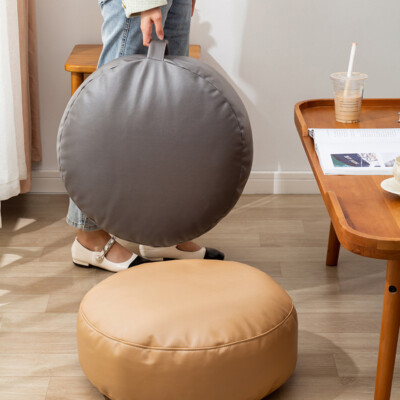
Have you ever wanted to add a cozy, stylish touch to your living space without spending a fortune? Making your own pouf ottoman is easier than you think, and it gives you the freedom to customize its shape and size exactly how you want.
Imagine sinking your feet into a soft, handmade pouf that matches your room perfectly. In this guide, you’ll discover simple steps to create pouf ottoman forms that fit your style and comfort needs. Ready to turn your home into a personal comfort zone?
Keep reading and let’s get started!
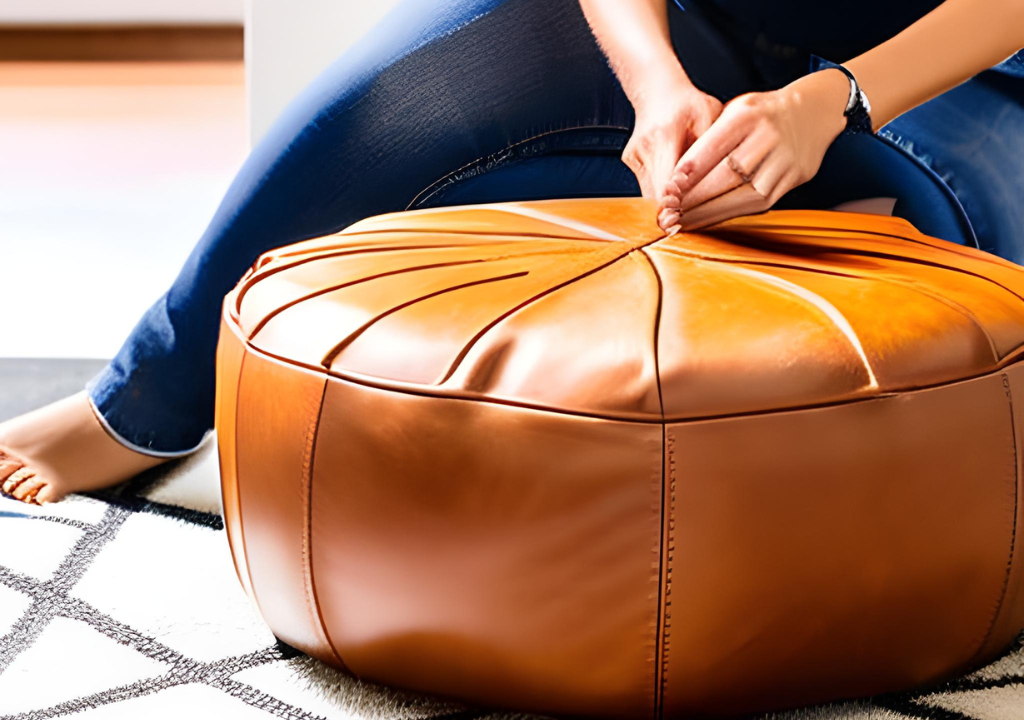
Credit: medium.com
Materials Needed
Gathering the right materials sets the foundation for making a pouf ottoman form that lasts and looks great. Choosing quality supplies not only impacts the final appearance but also your comfort and the piece’s durability. Knowing what you need before you start saves time and helps avoid costly mistakes.
Fabric Choices
Pick a fabric that suits your style and how you plan to use the pouf. Durable options like canvas or denim work well for everyday use and high-traffic areas. If you want a softer look, consider velvet or linen, but keep in mind they may need more care.
Think about color and pattern too. Darker fabrics hide stains better, while bright colors can add a bold touch to your room. Have you considered mixing textures for a unique feel?
Filling Options
The filling determines how firm or soft your pouf will be. Polyfill stuffing is lightweight and easy to shape, perfect if you want a plush, cushy feel. For more support, try using foam or a combination of foam and batting.
Don’t forget recycled options like old clothes or fabric scraps—they’re eco-friendly and budget-friendly. What kind of comfort do you want when you sit or rest your feet on your pouf?
Tools Required
Having the right tools makes the process smoother and more enjoyable. Basic tools include scissors, a sewing machine, and pins or clips to hold fabric pieces together. A measuring tape and fabric marker help you get precise cuts.
Consider a zipper or Velcro if you want a removable cover for easy cleaning. Do you have a staple gun? It’s handy for attaching fabric to any internal frame you might build.
Selecting The Shape
Choosing the shape of your pouf ottoman is a crucial step that affects both its look and function. The shape you pick will determine how the pouf fits into your space and complements your existing decor. Think about how you plan to use it—whether for seating, footrest, or a decorative piece—and let that guide your choice.
Round Pouf Designs
Round poufs offer a soft, welcoming look that fits well in almost any room. Their curved edges make them safer around kids and pets, reducing the chance of sharp corners causing bumps. If you want a versatile piece that blends with casual or modern styles, round shapes are a smart pick.
Imagine placing a round pouf in your living room as a cozy footrest or an extra seat during gatherings. Their shape encourages easy movement around the room, making your space feel more open and inviting. Have you noticed how a round pouf can soften the lines of a room filled with angular furniture?
Square Pouf Styles
Square poufs bring structure and a modern vibe to your space. Their clean edges create a sense of order and can double as small tables when topped with a tray. If you prefer sharp lines and a geometric look, square poufs fit naturally into minimalist or contemporary decor.
Think about using a square pouf next to your sofa, where it can act as both a seat and a surface for drinks or books. Their shape makes stacking or grouping multiple poufs easy, which is great if you need flexible seating options. Could a square pouf be the practical addition your room is missing?
Unique Shapes
Stepping beyond basic shapes lets your pouf become a statement piece. Hexagons, triangles, or even irregular forms catch the eye and add personality to your room. These shapes are perfect if you want to show creativity and break away from traditional designs.
Choosing a unique shape means thinking about how it interacts with your furniture’s layout. Does it create interesting angles or help fill awkward spaces? Have you ever considered how a pouf’s shape can become a conversation starter?
Measuring And Cutting
Measure the foam carefully to fit your pouf shape. Use a sharp knife to cut straight, clean edges for a neat finish. Precision in cutting ensures a comfortable and well-shaped ottoman form.
Creating a pouf ottoman is a fun and rewarding project. The process starts with careful measuring and cutting. These steps ensure your pouf looks neat and professional. Accurate measurements and precise cutting are crucial. Let’s dive into these steps.Taking Accurate Measurements
Start by determining the size of your ottoman. Decide on the height, width, and depth. Use a measuring tape for exact dimensions. Write down each measurement carefully. This will guide your fabric cutting. Remember, precision is key to a perfect fit. Measure twice to avoid mistakes.Cutting Fabric Pieces
Choose a durable fabric that complements your décor. Spread the fabric on a flat surface. Mark your measurements with chalk or a fabric pen. Use sharp scissors for clean cuts. Follow the lines closely. Cut all pieces needed for the top, bottom, and sides. Ensure all pieces match your dimensions. This will make assembly easier.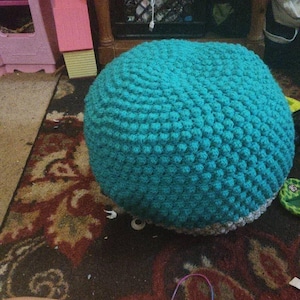
Credit: www.etsy.com
Sewing The Pouf
Sewing the pouf is where your project really starts to take shape. This stage requires attention to detail and some patience, but seeing the pieces come together is incredibly rewarding. How you join and shape your fabric will determine the final look and durability of your pouf.
Joining Fabric Pieces
Start by aligning your fabric pieces with the right sides facing each other. Pin or clip them securely to avoid shifting while sewing.
Use a straight stitch with a medium stitch length for durability. Remember to backstitch at the beginning and end to lock your seams.
Take your time with curves and corners; sewing slowly here prevents puckering. Have you noticed how a smooth seam instantly makes a project look professional?
Creating The Base And Top
Cut out your base and top pieces carefully, ensuring they match the dimensions of your pouf form. These pieces provide structure, so accuracy matters.
Sew the base and top pieces to the side panels, keeping the seams neat and consistent. You might find it easier to sew in sections, especially if your fabric is thick or bulky.
Leave a small opening unstitched for stuffing or inserting the pouf form later. This little gap is your gateway to making the pouf soft and comfortable, so don’t forget it!
Filling The Pouf
Filling the pouf is a key step in making it comfortable and durable. The filling gives shape and support to the pouf. Choosing the right filling affects how soft or firm the pouf will feel. It also influences the pouf’s weight and usability. Different materials offer various textures and levels of support. Understanding the options helps create a pouf that suits your needs and style.
Stuffing Techniques
Stuffing the pouf evenly is important for a balanced shape. Start by loosely filling the pouf to avoid lumps. Use your hands to spread the filling across the interior. Press down gently to pack the filling without making it too tight. Add more filling as needed to reach the desired firmness. Rotate the pouf while stuffing to ensure even distribution. This method keeps the pouf comfortable and stable for sitting or resting feet.
Using Foam Or Beans
Foam and beans are popular filling choices for poufs. Foam offers firm support and keeps the pouf’s shape well. It comes in different densities to match your comfort level. Beans, like polystyrene beads, provide a soft and flexible feel. They conform to the body’s shape but can shift inside the pouf. Combining foam and beans can create a mix of support and softness. Choose the filling based on how you want to use the pouf and the look you prefer.
Finishing Touches
Finishing touches turn your pouf ottoman from a simple form into a stylish, functional piece. These final details not only improve the look but also add practical features that make your pouf easier to use and maintain. Paying attention to these elements can make a big difference in how your creation fits into your space.
Adding Zippers Or Closures
Adding a zipper or closure allows you to remove the cover for cleaning or replace the stuffing easily. Choose a durable zipper that matches the fabric color to keep the look seamless. If you prefer a hidden option, try a zipper sewn along one edge or under a flap.
Velcro or buttons are alternatives to zippers and can add a different style element. Think about where you want the closure: on the side, bottom, or top. Each spot affects how you access the inside and how the pouf looks when finished.
Decorative Elements
Decorations give your pouf personality and can reflect your style. You might add tassels, embroidery, or fabric paint to make it unique. Small touches like piping around the edges or contrasting fabric panels can also make a simple pouf stand out.
Consider the room where your pouf will live. Does it need to blend in or be a statement piece? Your decorative choices should match that goal. Have you thought about using recycled fabric scraps for a patchwork effect? It’s a great way to add charm and keep costs down.
Care And Maintenance
Keeping your pouf ottoman looking fresh and lasting longer depends on how you care for it daily. Regular maintenance not only preserves its appearance but also strengthens its structure over time. Think of your pouf as a piece of art that benefits from gentle care and attention.
Cleaning Tips
Start by checking the material of your pouf before cleaning. Different fabrics and fillings require different approaches.
- Vacuum regularlyto remove dust and debris, especially in seams and folds.
- Spot clean stains immediatelyusing a mild detergent mixed with water. Use a soft cloth and dab gently without rubbing.
- Avoid harsh chemicalsthat can damage the fabric or fade colors.
- If your pouf has a removable cover, wash it according to the care label instructions.
Ever noticed how a small stain ignored for days becomes harder to clean? Acting quickly saves you effort and maintains the pouf’s charm.
Repairing Common Issues
Wear and tear can happen, but you don’t have to replace your pouf right away.
- Loose threadscan be trimmed or carefully sewn back to prevent unraveling.
- Flattened fillingoften benefits from shaking or adding extra stuffing to bring back its shape.
- Small tearscan be patched with fabric glue or sewn with matching thread for a neat fix.
Have you ever hesitated to fix minor damage, thinking it’s too complicated? Simple repairs can extend the life of your pouf and keep it looking great.

Credit: www.mcgeeandco.com
Frequently Asked Questions
What Materials Are Needed To Make A Pouf Ottoman Form?
To make a pouf ottoman form, you need fabric, stuffing, thread, scissors, and a sewing machine. Optional materials include foam or batting for extra comfort and a zipper for removable covers.
How Do You Choose The Right Shape For A Pouf Ottoman?
Select a shape based on room style and function. Common forms include round, square, or cylindrical shapes. Consider comfort and space when choosing the ottoman’s shape.
What Is The Best Stuffing For A Pouf Ottoman Form?
Polyester fiberfill, foam beads, or recycled foam are popular stuffing choices. They provide comfort, maintain shape, and are easy to work with for DIY ottomans.
How Do You Sew A Pouf Ottoman Form?
Cut fabric pieces according to your pattern. Sew edges inside out, leaving an opening. Stuff the form, then sew the opening closed or add a zipper.
Conclusion
Making a pouf ottoman form is simple and fun. You only need a few materials and some patience. Start by shaping the foam or stuffing into the size you want. Cover it with fabric that matches your style. This project adds comfort and style to any room.
Try different shapes and colors to fit your space. With practice, your pouf ottoman will look great and feel cozy. Enjoy creating a unique piece for your home!



