
Are you wondering what size light bulb you need for your lava lamp? Choosing the right bulb is more important than you might think.
The wrong size can affect how your lava lamp heats up and even how it looks. You’ll discover exactly which bulb works best for your lamp. Keep reading to make sure your lava lamp shines brightly and moves perfectly every time.

Credit: www.amazon.ca
Choosing The Right Bulb Size
Choosing the right bulb size for your lava lamp is essential for its proper function. The bulb not only lights up the lamp but also heats the wax inside. The correct size ensures the wax flows smoothly and creates the classic lava effect. Using the wrong size can cause poor performance or damage the lamp.
Common Bulb Sizes For Lava Lamps
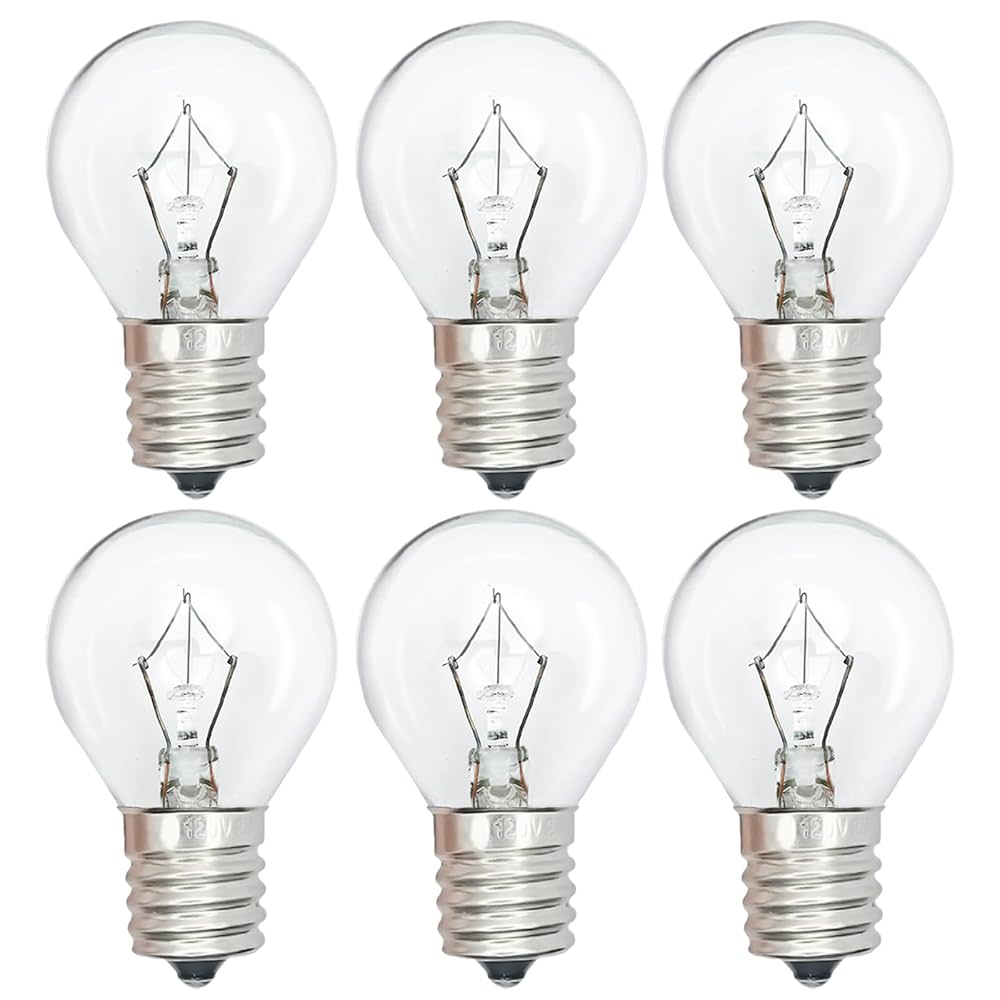
Lava lamps use specific bulb sizes to fit their design and heating needs. The most common sizes include:
- 25-watt bulb – often found in smaller lamps
- 40-watt bulb – standard size for many medium lava lamps
- 60-watt bulb – used in larger or taller lamps
These bulbs usually have an E12 or E14 base. Check your lamp’s base type before purchasing a bulb.
Matching Bulb Wattage To Lamp Model
Each lava lamp model requires a specific wattage to function well. Using a bulb with too low wattage may not heat the wax enough. This results in slow or no movement of the wax. Too high wattage can overheat the lamp and damage it.
Always check the lamp’s instructions or label for the recommended wattage. This helps maintain the lamp’s lifespan and keeps it safe to use.

Credit: www.amazon.com
Impact Of Bulb Size On Lava Lamp Performance
The size of the light bulb you use in your lava lamp directly affects how well it works and looks. Choosing the right bulb size isn’t just about fitting the lamp; it impacts the heat the lamp produces and the visual effect you get. Understanding this connection helps you get the best performance and enjoyment from your lava lamp.
Heat Production And Wax Movement
Heat is the key to making the wax inside your lava lamp flow smoothly. A bulb that’s too small won’t generate enough warmth, causing the wax to stay clumped at the bottom. On the other hand, a bulb that’s too large can overheat the wax, breaking its delicate balance and possibly damaging your lamp.
Think about the last time you used a bulb that was too weak—you likely saw sluggish or no movement at all. The right size bulb provides consistent heat, which keeps the wax rising and falling rhythmically. You want a bulb that reaches the optimal temperature without overheating, usually specified by the lamp manufacturer.
Brightness And Aesthetic Glow
The brightness of your bulb shapes the ambiance your lava lamp creates. A bulb with too low wattage might make your lamp look dull and underwhelming, while a bulb that’s too bright can overpower the soft, calming glow that lava lamps are known for.
Your goal is to find that perfect balance where the light gently illuminates the wax blobs, enhancing their colors and shapes. This balance transforms your lamp from just a light source into a captivating piece of décor. Have you noticed how a slightly brighter bulb can reveal subtle color shifts you hadn’t seen before?
Types Of Bulbs Suitable For Lava Lamps
Lava lamps need bulbs that provide enough heat to melt the wax inside. Common choices are 15 to 25-watt incandescent bulbs. Using the right size ensures the lamp glows properly and the wax flows smoothly.
When choosing the right bulb for your lava lamp, it’s important to consider the types of bulbs that are suitable. Selecting the wrong bulb can affect the lamp’s performance, altering both the visual appeal and the iconic floating lava effect. Different bulbs offer varying benefits and drawbacks, making it crucial to understand your options.Incandescent Vs Led Bulbs
Incandescent bulbs are the traditional choice for lava lamps. They provide the necessary heat to get the wax flowing, creating the classic lava effect. However, they tend to be less energy-efficient and have a shorter lifespan. LED bulbs, on the other hand, are known for their longevity and energy efficiency. But they may not generate enough heat for all lava lamps, potentially affecting the movement of the wax. It’s important to ensure that the LED bulb you choose is compatible with your lamp’s requirements.Energy Efficiency Considerations
Energy efficiency is a significant factor when choosing a bulb. Incandescent bulbs consume more power, which can add up on your electricity bill if you use your lamp frequently. LED bulbs, though initially more expensive, consume less energy and last longer. This can save you money in the long run and is a better choice if you’re environmentally conscious. Have you noticed a spike in your energy bill? Switching to an LED bulb might just be the solution you need. Consider how often you use your lamp and weigh the benefits of each bulb type.How To Replace A Lava Lamp Bulb
Replacing a lava lamp bulb is simple and keeps your lamp glowing beautifully. Knowing the right bulb size and how to change it safely helps maintain your lamp’s charm. Follow clear steps to replace the bulb without any trouble.
Safety Tips Before Replacement
- Unplug the lava lamp and let it cool completely.
- Do not touch the bulb when it is hot.
- Use gloves or a cloth to handle the bulb.
- Make sure the replacement bulb matches the lamp’s specifications.
- Keep the work area dry and clean to avoid electric shock.
Step-by-step Replacement Guide
- Remove the lamp base carefully by unscrewing or lifting it.
- Locate the old bulb inside the base.
- Gently twist or pull the bulb out of its socket.
- Check the new bulb size and wattage before installing.
- Insert the new bulb firmly into the socket.
- Reattach the lamp base securely.
- Plug in the lamp and test to ensure the bulb works.
Troubleshooting Common Bulb Issues
Troubleshooting common bulb issues in a lava lamp helps keep it glowing beautifully. Problems with the bulb can stop the lamp from heating or lighting correctly. Checking the bulb size and condition solves many issues. Quick fixes save time and avoid lamp damage.
Lamp Not Heating Properly
If the lava lamp stays cool, the bulb might be too weak. Use the correct wattage bulb recommended by the manufacturer. A low watt bulb won’t heat the wax enough to flow. Sometimes, the bulb may be loose or not screwed in fully. Tighten the bulb gently but firmly. Dirt or dust on the bulb can reduce heat. Clean the bulb with a soft cloth when cool. Avoid using bulbs with the wrong base size. This causes poor contact and heating problems.
Flickering Or Dim Light
A flickering or dim light signals a bulb issue. The bulb might be old or near the end of its life. Replace it with a new one of the same size and wattage. Loose bulb connections cause flickering. Ensure the bulb is properly seated in the socket. Faulty wiring inside the lamp can also cause flicker. Inspect the lamp cord and plug for damage or wear. Avoid using bulbs with higher wattage than recommended. This can cause overheating and shorten bulb life.

Credit: www.amazon.ca
Maintaining The Perfect Glow
Keeping your lava lamp glowing perfectly isn’t just about picking the right bulb size. Regular care and timely upgrades play a huge role in maintaining that mesmerizing flow and warm light. A bit of attention can make your lamp last longer and shine brighter, making your space feel just right.
Cleaning And Care Tips
Dust and grime can dull your lava lamp’s glow. Gently wipe the glass with a soft, damp cloth to keep it crystal clear. Avoid harsh chemicals—they can damage the lamp’s surface or affect the liquid inside.
Make sure your lamp is cool before cleaning to prevent any cracks or burns. Also, keep it away from direct sunlight and extreme temperatures to avoid cloudiness or slow lava movement. Have you noticed your lamp’s flow getting sluggish? Cleaning could be the simple fix you need.
When To Upgrade Your Bulb
A bulb that’s too weak won’t heat the wax properly, while one that’s too strong can overheat and damage the lamp. Check the manufacturer’s recommended wattage—usually between 15 to 25 watts for most lava lamps.
Replace your bulb if you see dim light or if the wax stops moving as smoothly as before. Also, bulbs have a lifespan; if yours flickers or burns out frequently, it’s time for a new one. Have you ever let your bulb run too long and noticed the wax turning cloudy? That’s a sign it’s time to switch.
Frequently Asked Questions
What Size Bulb Is Best For A Lava Lamp?
A 25-watt bulb is typically best for standard 14-inch lava lamps. It provides the right heat to melt the wax and create flow.
Can I Use A 40-watt Bulb In A Lava Lamp?
Using a 40-watt bulb may overheat the lamp. It can cause wax to overheat and damage the lamp’s function.
How Do I Know My Lava Lamp Bulb Size?
Check the lamp’s label or manual. It usually specifies the exact bulb size and wattage required for proper use.
What Happens If The Bulb Is Too Small?
A smaller bulb won’t heat the wax properly. This results in poor wax movement and reduced visual effect.
Conclusion
Choosing the right light bulb size keeps your lava lamp bright and safe. A bulb that fits well helps the wax move smoothly. Too big or too small bulbs can cause problems. Always check your lava lamp’s instructions before buying.
Using the correct bulb extends your lamp’s life. Enjoy the calming glow and cool shapes with the right bulb. Simple care makes your lava lamp shine beautifully every time.



