
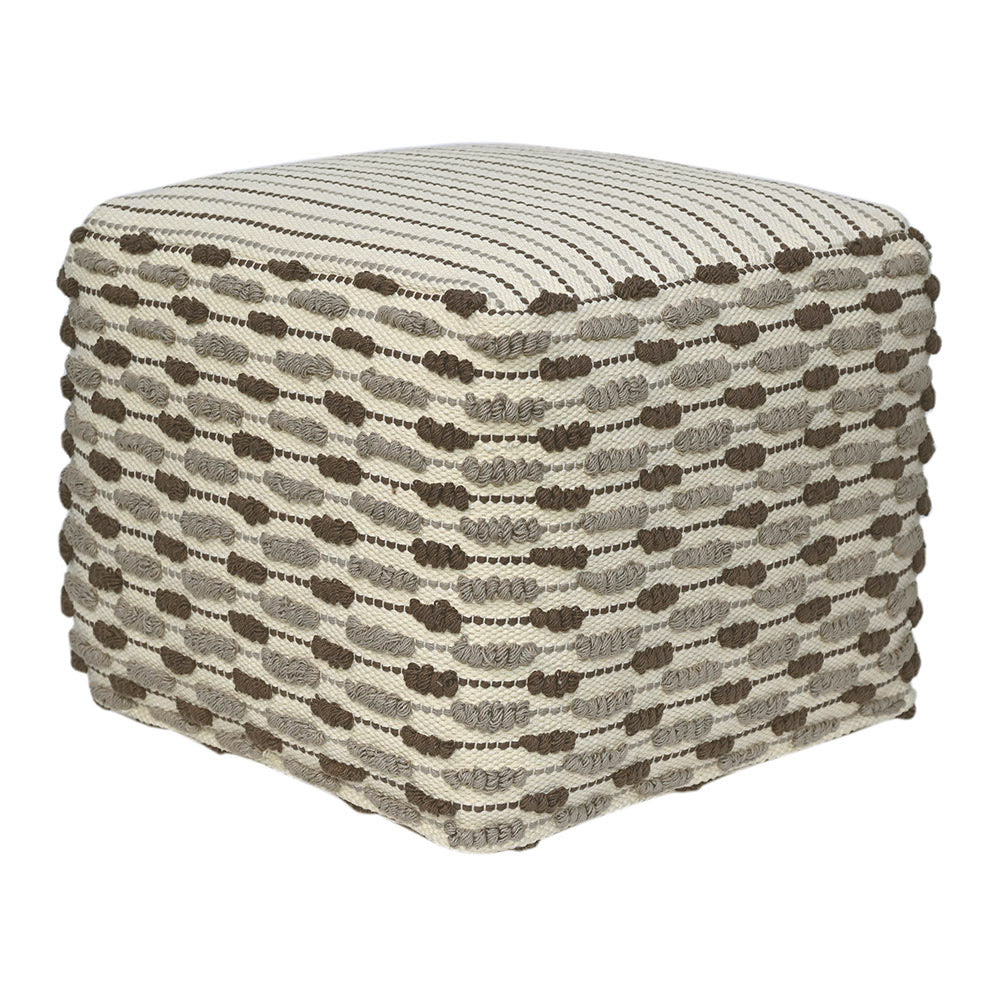
Are you looking for a stylish and comfy addition to your living space? A square pouf ottoman might be just what you need.
Making one yourself is easier than you think, and it lets you customize the size, fabric, and color to match your style perfectly. Imagine having a cozy spot to rest your feet or extra seating when guests arrive—all made by your own hands.
Keep reading, and you’ll discover simple steps to create your very own pouf ottoman that looks great and feels amazing.

Credit: www.amazon.com
Materials And Tools Needed
Before you start making your square pouf ottoman, gathering the right materials and tools is crucial. The choices you make here affect not only the look but also the comfort and durability of your final piece. Let’s break down what you need to get started.
Choosing The Right Fabric
Pick a fabric that fits your room’s style and stands up to daily use. Durable options like canvas, denim, or upholstery fabric work well, especially if your pouf will get a lot of use. Soft textures like velvet add a cozy touch but might need extra care.
Think about color and pattern too. Do you want a bold statement or something neutral? Remember, lighter colors show stains faster, so consider where your ottoman will live.
Selecting Filling Options
The filling determines how firm or soft your pouf feels. Polyfill stuffing is lightweight and fluffy, making your ottoman soft and comfortable. If you want a sturdier pouf, consider using foam or old cushions.
Another practical choice is a mix of foam and fiberfill, giving both structure and softness. Have you thought about using recycled materials? Old clothes or fabric scraps can be an eco-friendly and budget-friendly option.
Essential Tools Checklist
- Sewing machine:Speeds up stitching and gives a strong seam.
- Fabric scissors:Sharp scissors ensure clean cuts without fraying.
- Measuring tape:Accuracy matters to get the perfect square shape.
- Pins or clips:Keep fabric pieces aligned while sewing.
- Needle and thread:For hand stitching areas the machine can’t reach.
- Chalk or fabric marker:Mark your cutting lines clearly.
- Zipper or buttons (optional):If you want a removable cover for washing.
Having all these ready means fewer interruptions and a smoother crafting experience. Are you ready to gather your supplies and start creating your custom pouf ottoman?
Preparing The Frame
Preparing the frame for your square pouf ottoman sets the foundation for a sturdy and stylish piece. This stage demands precision and patience, as a solid frame ensures your ottoman will hold up to regular use. Taking the time to carefully measure and assemble the structure will save you from frustration later.
Measuring And Cutting The Base
Start by deciding the exact size of your ottoman. Use a tape measure to mark the dimensions on your wood or plywood base. Accurate measurements here are crucial — even a small mistake can throw off the entire frame.
Use a pencil to clearly mark cutting lines. If you don’t have a cutting tool at hand, consider asking for help at your local hardware store. Remember, clean, straight cuts make assembly much easier.
Assembling The Structure
Lay out all your cut pieces on a flat surface to visualize how they fit together. Use wood glue for extra strength before nailing or screwing the parts together. This combo prevents wobbling and keeps the frame tight.
Check each corner with a carpenter’s square to ensure right angles. Are your edges flush and aligned? Taking a moment now prevents uneven sides that affect the final shape.
- Attach the side panels to the base first
- Secure corners with screws or nails
- Add internal supports if you want extra durability
Does your frame feel solid when you press on it? If yes, you’re ready to move on. If not, reinforce weak spots before continuing.
Cutting And Sewing The Fabric
Begin by measuring and cutting fabric pieces precisely for the square pouf shape. Sew edges carefully to create clean seams and a sturdy cover. Ensure all corners are sharp for a neat finish.
Cutting and sewing the fabric for a pouf ottoman square can be a fun and rewarding project. This essential part of the process transforms your fabric into a stylish piece of furniture. Precision and attention to detail are key. Let’s dive into the steps involved.Creating Pattern Pieces
Start by measuring your fabric. Ensure each piece matches the dimensions of your pouf ottoman. Use a ruler or measuring tape for accuracy. Draw your pattern directly onto the fabric. Use a fabric chalk or pencil for clear lines. Cut out the pattern pieces with sharp scissors. This prevents fraying and ensures clean edges.Stitching The Cover
Align your fabric pieces with their right sides together. Pin them in place to prevent slipping. Use a sewing machine to sew along the edges. Leave a small seam allowance for durability. Sew straight lines to keep the cover neat. Check your stitches regularly for any loose threads. Trim excess fabric to reduce bulk.Adding Zippers Or Closures
Zippers or closures make your pouf easy to assemble. Decide where you want the zipper or closure. Mark the spot clearly on the fabric. Use a zipper foot on your sewing machine for precision. Sew the zipper or closure securely into place. Test the zipper to ensure it glides smoothly. Close the cover and admire your work.
Credit: www.marrakeche.com
Stuffing The Pouf
Stuffing your pouf ottoman square properly is crucial for comfort and durability. The right filling gives your pouf the perfect balance between firmness and softness. It also helps the pouf keep its shape over time, making it both functional and stylish.
Choosing The Right Filling Material
Think about how you plan to use your pouf. If it will be a footrest, softer materials like polyester fiberfill or shredded foam work well. For seating, denser fillings like firm foam or a mixture of foam and batting provide better support.
Consider allergy concerns too. Natural fillings such as wool or cotton can be breathable and eco-friendly, but they may cause allergies for some. Synthetic options are easier to clean and maintain, making them a practical choice for busy households.
Techniques For Even Stuffing
Start by adding small amounts of filling at a time. Push the stuffing into the corners and edges first to maintain the square shape. This prevents lumps and uneven surfaces, which can make your pouf uncomfortable.
Use your hands or a flat tool to distribute the filling evenly. Pause often to press down and check firmness. If the pouf feels too soft or too hard, adjust the amount of stuffing accordingly.
Finishing Touches
Finishing touches are what transform your pouf ottoman from a simple project into a charming piece that fits perfectly in your space. This stage is all about securing your work and adding personality. Paying attention to these details can make a big difference in both durability and style.
Attaching The Cover
Start by carefully fitting the cover over your pouf’s frame. You want it snug but not too tight, so the fabric looks smooth without any wrinkles. Use a staple gun or upholstery tacks to secure the edges inside the ottoman, making sure the fabric stays in place when you sit or rest your feet.
Think about whether you want the cover to be removable for easy cleaning. Adding a zipper or Velcro strip along one side lets you take it off whenever needed without hassle. Have you considered how often you might need to wash the cover? Planning for this now saves frustration later.
Adding Decorative Elements
Now comes the fun part—adding details that reflect your style. You can sew or glue on decorative trims like pom-poms, piping, or tassels around the edges. These small touches add texture and visual interest, making your pouf stand out.
If you prefer a simpler look, try painting or stenciling a design on the fabric. This personalizes the pouf without adding bulk. What colors or patterns do you think would best complement your room’s decor?
- Attach buttons or fabric-covered buttons for a tufted effect
- Add embroidered patches or fabric appliqués for a unique flair
- Use contrasting thread to stitch visible seams as a design feature
These finishing touches not only enhance your pouf’s appearance but also show off your creativity. How will you make your square pouf truly your own?
Care And Maintenance Tips
Keeping your square pouf ottoman in great shape requires a bit of care and attention. How you clean it and maintain its form will decide how long it stays comfy and stylish. Let’s look at simple yet effective tips that help your pouf look fresh and feel cozy for years.
Cleaning The Pouf
Start by checking the material of your pouf. Different fabrics need different cleaning methods. For example, a cotton cover can usually be machine washed, but a leather pouf needs a damp cloth and special cleaner.
To remove dust and dirt, vacuum your pouf regularly using a brush attachment. This stops dirt from settling deep into the fabric. If there are stains, act quickly. Blot spills gently with a clean cloth rather than rubbing, which can spread the stain.
For stubborn stains, mix mild soap with water and test on a hidden spot first. Avoid harsh chemicals—they can damage the fabric or color. Have you ever ruined furniture by using the wrong cleaner? Taking a moment to test can save you from that.
Maintaining Shape And Comfort
Over time, your pouf may lose its firmness or shape. To prevent this, give it a good fluff and reshape it regularly. If your pouf has removable stuffing, open it up and redistribute the filling evenly.
Consider adding extra stuffing if your pouf feels flat. Materials like polyester fiberfill or foam inserts work well. Also, rotate the pouf’s position in the room to avoid uneven wear from constant sitting on one side.
Does your pouf often sit in direct sunlight? This can fade colors and weaken the fabric. Moving it occasionally can keep it looking vibrant and help maintain its structure longer.

Credit: dwalinam.com
Frequently Asked Questions
What Materials Are Needed To Make A Pouf Ottoman Square?
To make a square pouf ottoman, you need fabric, foam, thread, scissors, a sewing machine, and stuffing. Choose durable fabric and high-density foam for comfort and longevity. These materials ensure a sturdy and stylish pouf ottoman.
How Do I Sew A Square Pouf Ottoman Cover?
Cut fabric squares with seam allowances, sew three sides, stuff with foam, then sew the last side. Use a sewing machine for strong seams. Adding a zipper allows easy cover removal for cleaning or changing fabric.
What Type Of Foam Is Best For Pouf Ottomans?
High-density foam is best for pouf ottomans because it offers firm support and durability. It retains shape well and provides comfortable seating. Avoid low-density foam as it compresses quickly and loses form.
Can I Customize The Size Of My Pouf Ottoman?
Yes, you can customize the size by adjusting fabric and foam dimensions. Measure the desired height and width before cutting. This flexibility lets you create a pouf ottoman that fits your space perfectly.
Conclusion
Creating a square pouf ottoman is easier than you think. With simple steps and basic tools, you can build one yourself. Choose the right materials and measure carefully for the best fit. Take your time sewing and assembling each part.
The result will add style and comfort to any room. Enjoy your handmade pouf and the satisfaction it brings. Try customizing colors and patterns to match your space. DIY projects like this make your home unique and cozy. Keep practicing, and your skills will improve quickly.



