
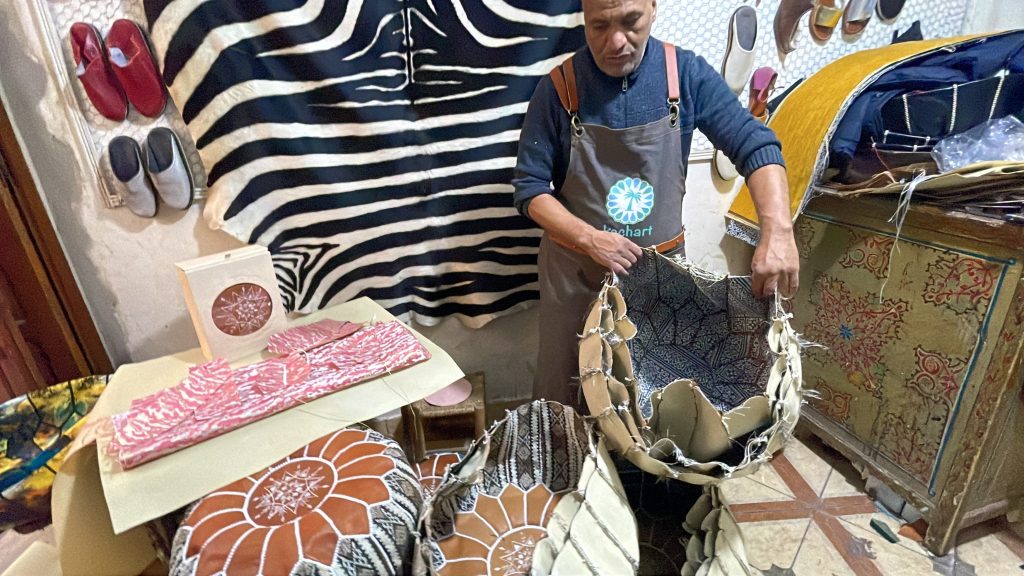
Are you wondering what to use to stuff your pouf pillow? Choosing the right filling can make all the difference in comfort, shape, and durability.
Whether you want something soft and cozy or firm and supportive, the options can feel overwhelming. But don’t worry—this guide will help you find the perfect stuffing that suits your style and needs. Keep reading to discover simple, affordable, and effective materials that will bring your pouf pillow to life.
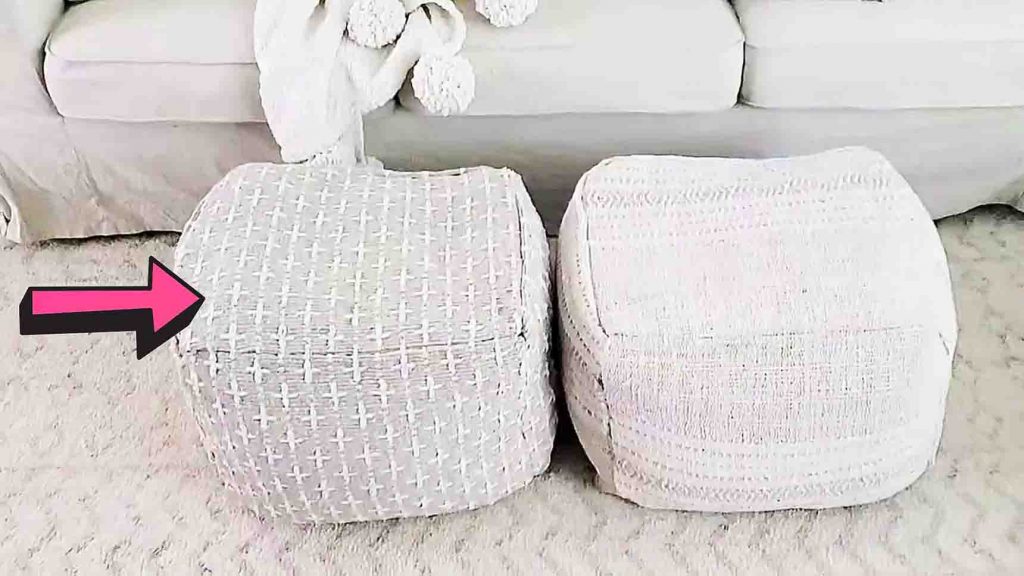
Credit: diyjoy.com
Types Of Pouf Fillings
Choosing the right filling for your pouf pillow can change how it feels, looks, and lasts. Different fillings offer unique benefits, whether you want something soft, firm, or environmentally friendly. Knowing your options helps you pick the best fit for your comfort and style.
Natural Fillings
Natural fillings give poufs a cozy and organic feel. Materials like cotton, wool, or buckwheat hulls provide good support and breathability. I once used wool in a pouf, and it stayed comfortable even during warm summers.
Natural options are often hypoallergenic and biodegradable, but they may require occasional fluffing to keep their shape. If you prefer a pouf with a natural touch, these fillings might be just what you need.
Synthetic Fillings
Synthetic fillings like polyester fiberfill or foam beads are popular for their affordability and durability. These materials make poufs lightweight and easy to move around your space. I found that polyester fiberfill keeps a pouf soft and fluffy over time without much maintenance.
Synthetic options are less breathable than natural ones but often more resistant to moisture and pests. If you want a low-maintenance pouf that holds its shape well, synthetic fillings are a great choice.
Eco-friendly Options
Eco-friendly fillings combine comfort with sustainability. Recycled polyester or natural latex are examples that reduce environmental impact. I switched to a pouf filled with recycled materials and noticed it felt just as comfy while supporting greener living.
These options appeal to those who care about the planet but don’t want to compromise on quality. Are you ready to make your pouf part of a more sustainable home?
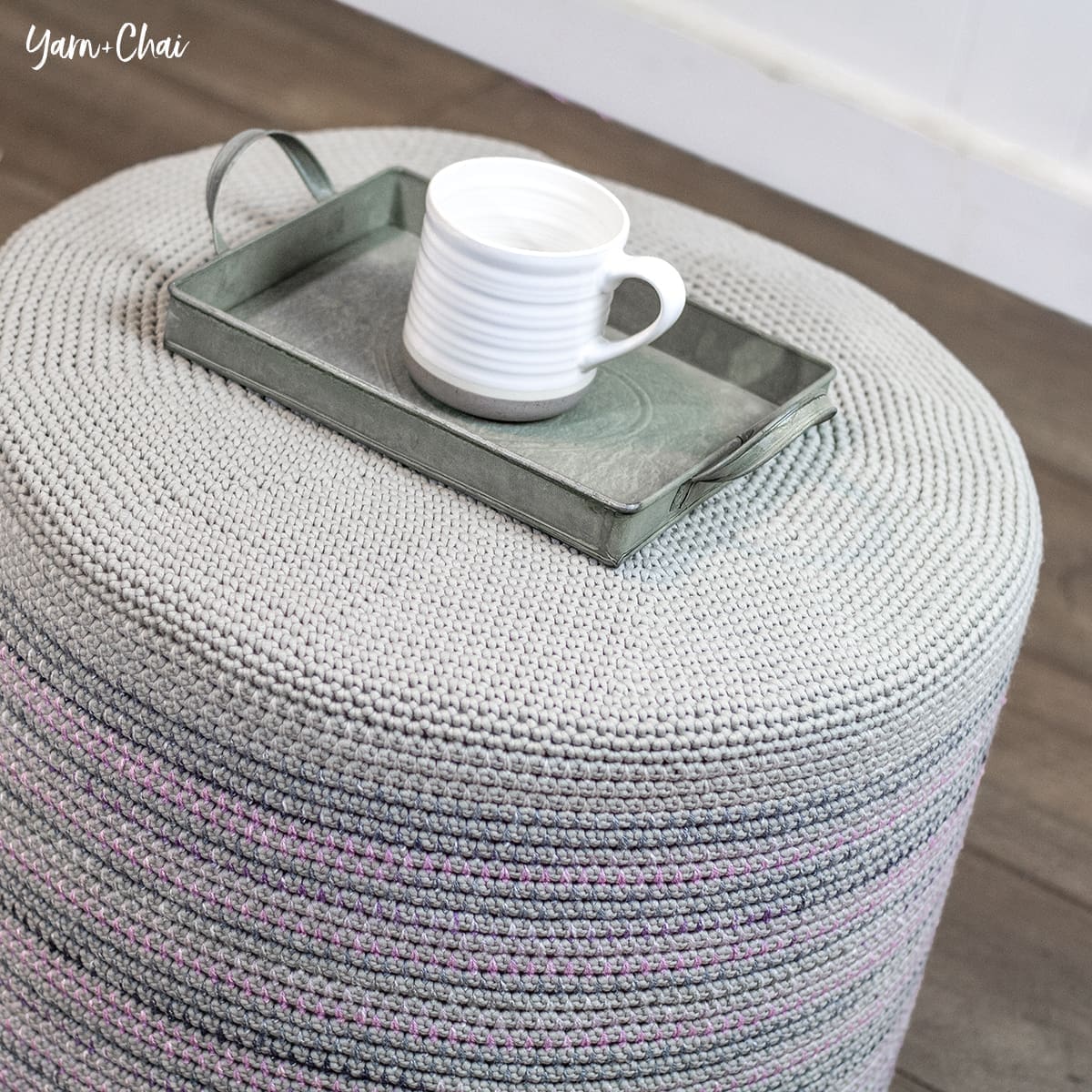
Credit: yarnandchai.com
Advantages Of Different Fillings
Choosing the right filling for a pouf pillow affects how it feels and lasts. Different fillings offer unique benefits in comfort, durability, and cost. Understanding these advantages helps pick the best option for your needs.
Comfort And Support
Some fillings provide soft, plush comfort, while others offer firm support. Foam beads and shredded memory foam mold to your body shape for cozy seating. Polyester fiberfill is lighter and fluffier, giving a cushy feel. Natural fillings like buckwheat hulls create firm, supportive poufs that keep shape well.
Durability And Maintenance
Foam and bead fillings resist flattening and keep poufs firm longer. Polyester fiberfill can clump over time and may need frequent fluffing. Natural fillings often last longer but might require occasional airing to stay fresh. Some synthetic fillings are easy to wash or replace, making maintenance simple.
Cost And Availability
Polyester fiberfill is usually the cheapest and easy to find in stores. Foam beads and shredded foam cost more but last longer. Natural materials like buckwheat hulls can be pricier and less common but offer eco-friendly options. Budget and access to materials influence the final choice for stuffing pouf pillows.
How To Choose The Right Filling
Choosing the right filling affects comfort and shape. Foam beads offer firmness, while polyester fiber gives softness. Consider how you plan to use the pouf to pick the best stuffing.
Choosing the right filling for your pouf pillow is important. It affects comfort, appearance, and longevity. The filling type depends on several factors. Consider how you plan to use your pouf, its location, size, shape, and any allergy concerns. Let’s explore these aspects in more detail.Intended Use And Location
The filling choice depends on where the pouf will be used. For outdoor areas, choose a water-resistant material. For a living room, comfort might be the priority. Think about who will use the pouf. Kids need softer fillings for safety. Adults might prefer firmer options for support.Size And Shape Considerations
The pouf’s size and shape affect the filling needed. Larger poufs need more filling. This ensures they remain firm and durable. Consider the shape too. Round poufs may need flexible materials for even distribution. Square or rectangular poufs might need structured fillings for shape retention.Allergy And Safety Factors
Allergies are an important consideration. Some fillings might cause allergic reactions. Choose hypoallergenic materials if needed. Safety is crucial, especially for homes with children. Avoid small filling parts that could pose a choking risk. Always check the safety labels of the filling materials.Diy Filling Ideas
Choosing the right filling for your pouf pillow can transform its comfort and style. DIY filling ideas let you customize both the feel and eco-friendliness of your pouf. Let’s look at some practical, budget-friendly options you can try at home.
Using Old Clothes Or Fabric Scraps
Old clothes and fabric scraps are perfect for stuffing a pouf pillow. They’re soft, easy to work with, and give new life to materials you might otherwise throw away. You can cut them into small pieces or shred them for a fluffier feel.
Think about that old sweater you never wear or leftover fabric from past projects. These items add a unique texture and can make your pouf surprisingly comfortable. Plus, using fabric scraps helps reduce waste, making your pouf eco-friendly.
Recycling Foam And Cushions
Recycling foam from old cushions or mattresses gives your pouf firm support and durability. Cut the foam into small chunks to fill the pouf evenly, ensuring it holds shape well. This option is excellent if you want a pouf that’s sturdy enough to sit on.
Before cutting, check the foam for any damage or odors. Using foam can sometimes make the pouf heavier, so consider this if you plan to move it around often. Have you ever tried repurposing an old chair cushion? It’s a simple way to breathe new life into your pouf.
Combining Fillings For Custom Comfort
Mixing different fillings lets you create a pouf that’s just right for you. Combine soft fabric scraps with firmer foam pieces to balance softness and support. This way, you get the best of both worlds.
Try layering foam chunks at the bottom and fabric scraps on top for a cushioned feel that holds up well. You can also add polyester stuffing for extra fluffiness. What combination would make your pouf feel like the perfect spot to relax?
Tips For Stuffing Your Pouf Pillow
Stuffing a pouf pillow needs care and the right approach. Proper stuffing gives it comfort and style. It also helps the pouf keep its shape for a long time. These tips will guide you through filling your pouf pillow correctly and easily.
Filling Techniques
Use soft, lightweight materials like polyester fiberfill or foam beads. Fill the pouf evenly to avoid lumps. Add stuffing in small amounts and press down gently. This makes the pillow firm but still squishy. Consider layering different materials for extra comfort and support. Use a funnel or scoop to reach tight corners.
Avoiding Common Mistakes
- Don’t overfill; it makes the pouf hard and stiff.
- Don’t underfill; the pouf will look flat and saggy.
- Avoid stuffing that clumps or spills easily.
- Check the fabric’s strength before filling to prevent tears.
- Keep the filling dry to stop mold or bad smells.
Maintaining Shape Over Time
Fluff the pouf regularly to keep it bouncy. Add more stuffing if the pouf loses shape. Store it in a dry, cool place to protect the filling. Use a removable cover for easy cleaning. Rotate the pouf to avoid uneven wear. These small steps help your pouf stay fresh and firm longer.
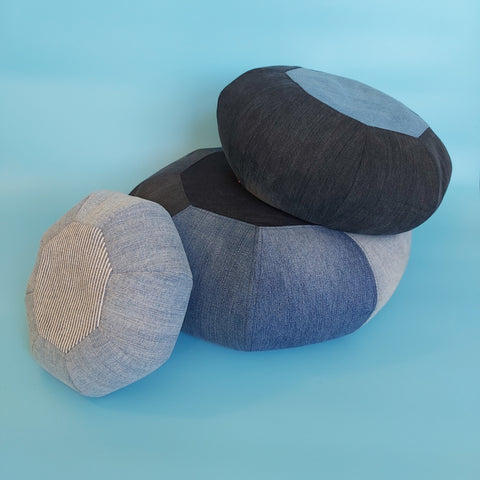
Credit: www.frecklesandco.com
Frequently Asked Questions
What Materials Can I Use To Stuff A Pouf Pillow?
You can use polyester fiberfill, foam beads, shredded memory foam, or old clothes. These materials provide comfort and shape retention for your pouf pillow.
Is Polyester Fiberfill Good For Pouf Pillow Stuffing?
Yes, polyester fiberfill is lightweight, soft, and hypoallergenic. It offers excellent cushioning and is easy to work with for pouf pillows.
Can I Use Foam Beads To Stuff A Pouf Pillow?
Foam beads are ideal for pouf pillows because they mold to your body. They offer good support and maintain the pillow’s shape over time.
How Does Shredded Memory Foam Work For Pouf Stuffing?
Shredded memory foam provides a soft, supportive feel. It conforms to your body and is durable, making it a great stuffing choice.
Conclusion
Choosing the right stuffing makes your pouf pillow comfy and durable. Common fillers include foam beads, polyester fiber, and old clothes. Each option offers different support and softness. Think about how you will use the pouf and what feels best.
Stuffing it well helps keep its shape longer. Try small amounts first to find the perfect fill. Your pouf will look great and feel cozy in any room. Enjoy creating a unique and comfy pillow that fits your style.



