
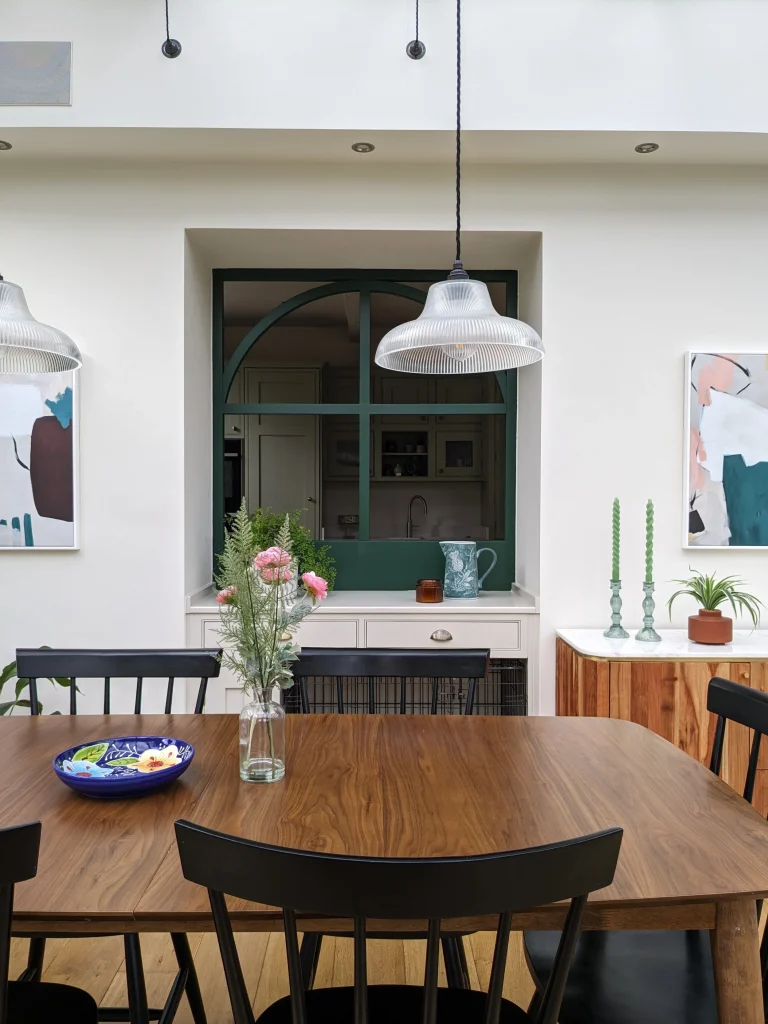
Are you wondering how far apart your pendant lights should be to create the perfect look and feel in your space? Getting the spacing just right can change everything—from the way your room feels to how well it functions.
Too close, and your lights might feel cluttered or harsh; too far, and you could end up with dark spots or awkward gaps. You’ll discover simple, clear guidelines to help you space your pendant lights perfectly every time. Keep reading to find out how to transform your room with the right lighting setup that suits your style and needs.
Credit: www.nospacelikehome.uk
Choosing Pendant Light Size
Choosing the right size for your pendant lights is crucial to creating a balanced and inviting space. The size you pick affects not only the look but also how the light fills the room. Let’s break down how small and large pendants impact your room and what you should consider for the perfect fit.
Small Vs Large Pendants
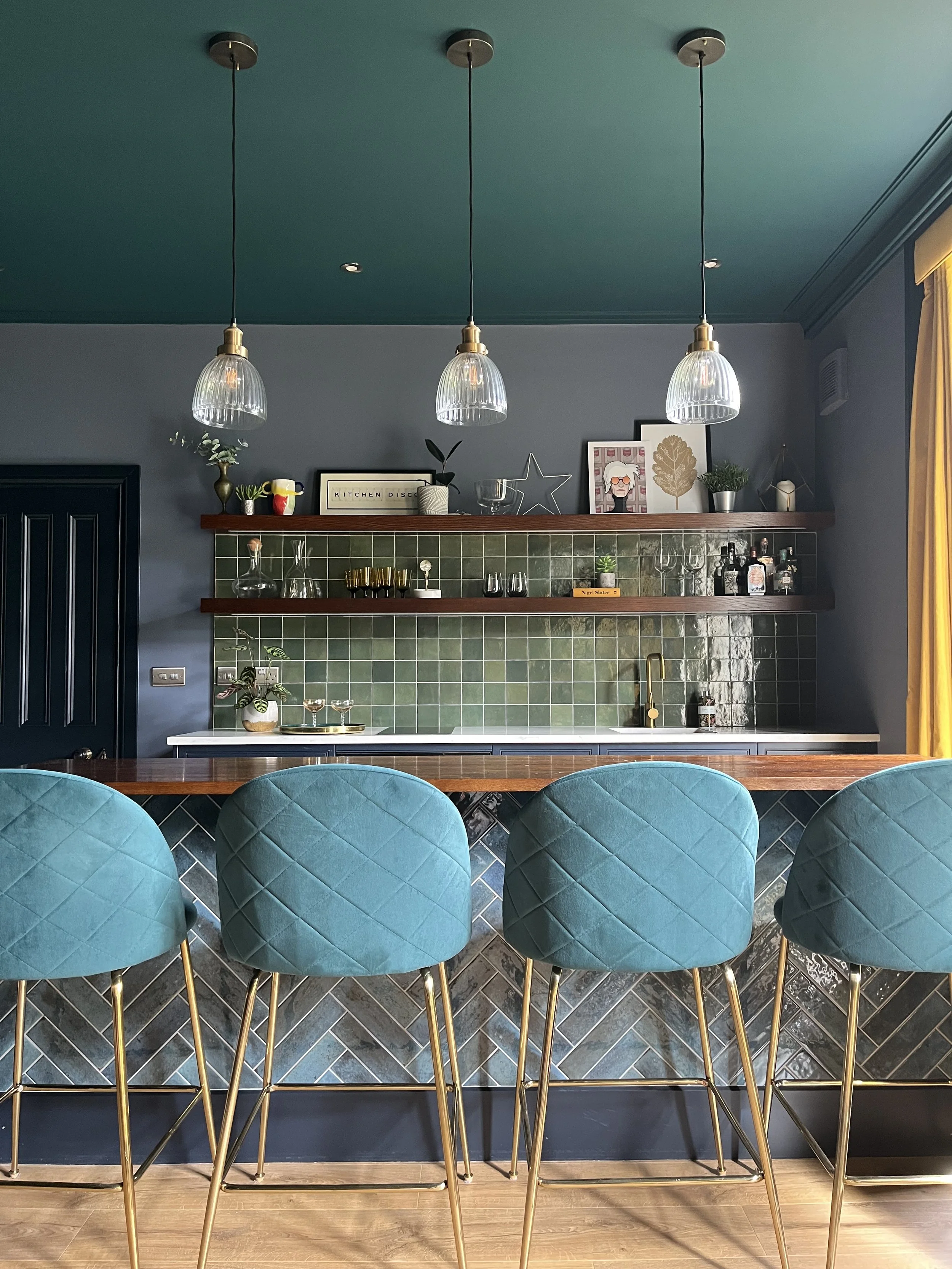
Small pendants work well in clusters or rows, especially over kitchen islands or dining tables. They provide focused light without overwhelming the space. If your room is compact, smaller pendants keep things airy and open.
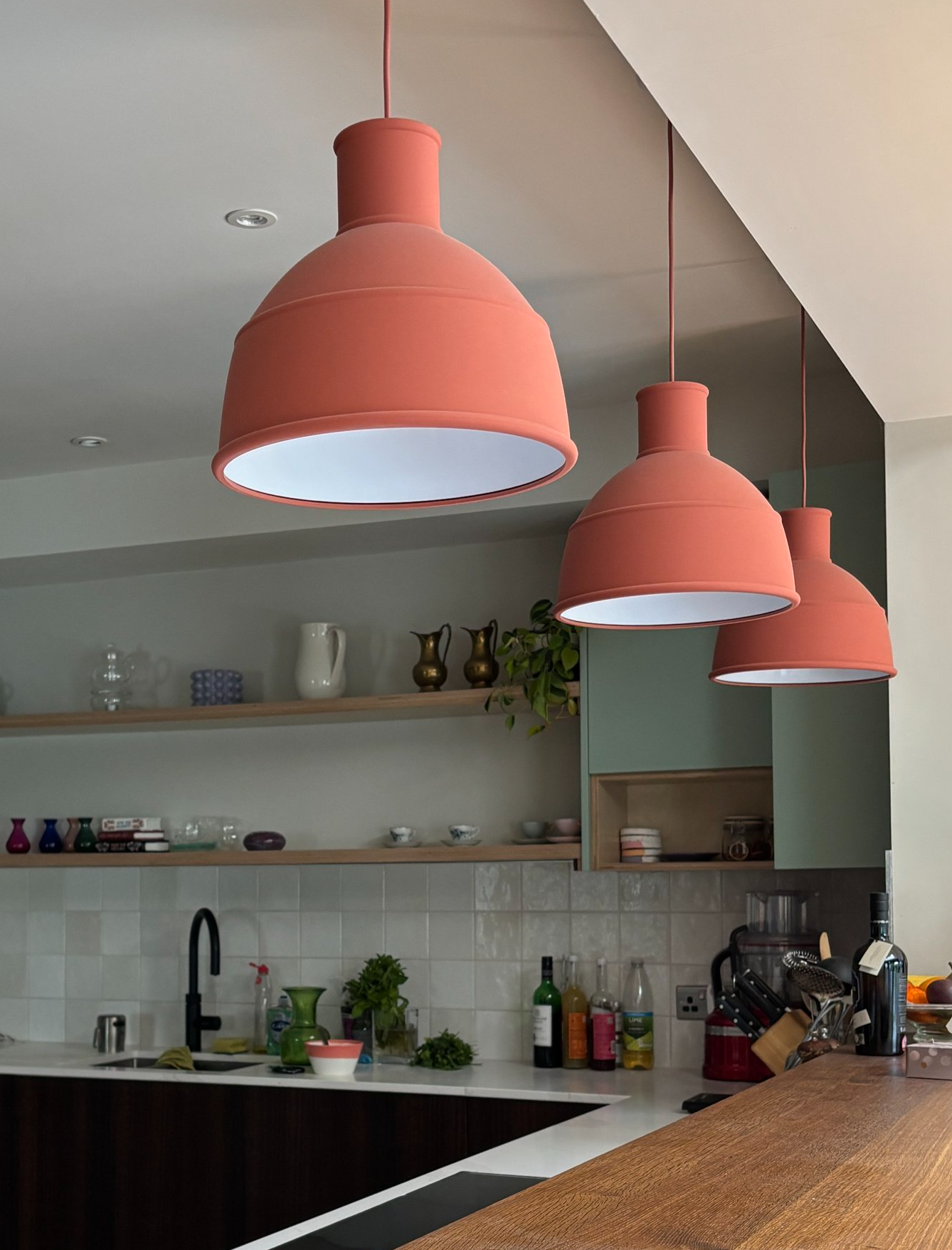
Large pendants make a bold statement and can act as a centerpiece. They work best in rooms with high ceilings or open floor plans where they have room to breathe. But be careful—oversized pendants in a small area can feel heavy and cluttered.
- Small pendants: ideal for task lighting and subtle accents
- Large pendants: perfect for ambient lighting and dramatic effect
- Mixing sizes can add depth but requires careful spacing
Impact On Room Scale
Think about your room’s size and ceiling height before choosing pendant size. A large pendant in a small room can dominate and make the space feel cramped. Conversely, too many small pendants might look busy and disorganized in a large room.
Ask yourself: Does the pendant balance with your furniture and other fixtures? Your light should complement, not compete. For example, a large pendant above a dining table anchors the area, while smaller pendants spaced evenly can guide the eye along a kitchen counter.
Spacing also changes depending on pendant size. Larger pendants need more room between them to avoid crowding. Small pendants can be closer but still require breathing space to maintain visual harmony.
Determining Pendant Height
Determining the right height for your pendant lights can transform the look and feel of your space. It’s not just about aesthetics; the height affects both functionality and comfort. Setting your pendants at the correct level ensures they provide enough light without obstructing views or movement.
Standard Hanging Heights
Most pendant lights over kitchen islands or dining tables hang between 28 and 34 inches from the surface below. This range offers a balance between sufficient illumination and an unobstructed line of sight. If your pendant is too low, it can block views and create glare. Too high, and it might not provide enough focused light.
- For kitchen islands, aim for about 30 inches above the countertop.
- Over dining tables, 28 to 34 inches usually works well.
- In open areas without a surface below, pendants should hang 7 feet or more from the floor.
I once installed pendants too low over a breakfast bar, and guests kept bumping their heads. Raising them by just a few inches made the space feel open and comfortable.
Adjusting For Ceiling Height
Ceiling height plays a big role in deciding your pendant’s drop. If you have vaulted or extra-high ceilings, you can hang pendants a bit higher, but keep them proportionate to the room size.
For ceilings over 9 feet, add about 3 inches to the standard hanging height for every additional foot. This keeps the lighting balanced and the room feeling cozy, not cavernous.
| Ceiling Height | Recommended Pendant Drop Above Surface |
|---|---|
| 8 feet | 28-34 inches |
| 9 feet | 31-37 inches |
| 10 feet | 34-40 inches |
Consider the height of people who’ll use the space. Would you feel comfortable walking around without ducking? Your pendant height should invite ease, not caution.
Spacing Between Pendant Lights
Pendant lights should be spaced about 24 to 30 inches apart for balanced lighting. This distance helps avoid shadows and ensures even light distribution. Adjust spacing based on fixture size and room layout for best results.
Spacing between pendant lights is crucial for both functionality and aesthetics. The right distance ensures even light distribution, enhances the room’s ambiance, and prevents any visual clutter. Whether you’re installing them over a kitchen island or a dining table, understanding the correct spacing can make a significant difference in your home.Recommended Distance For Kitchen Islands
When hanging pendant lights over a kitchen island, aim for a spacing of 24 to 30 inches apart. This distance allows for ample light coverage across the countertop, ensuring no shadowy areas when you’re chopping veggies or setting out snacks. Consider the island’s length as well; if it’s particularly long, you might need more fixtures to maintain consistent illumination. Always keep in mind the height of the island and the ceiling when deciding on the pendant light’s drop length.Spacing Over Dining Tables
For dining tables, it’s essential that the pendant lights complement the table’s dimensions and do not overwhelm the space. A good rule of thumb is to hang pendants 28 to 34 inches apart. This provides a balanced look while ensuring that the table is well-lit. Think about how your family and guests interact at the dining table; the lighting should enhance the experience, not hinder conversations or line of sight.Balancing Light Distribution
Achieving the right balance in light distribution is more than just aesthetics; it’s about creating a comfortable environment. Ensure that the pendant lights are at a uniform height to avoid uneven lighting. If your room has multiple functional areas, like a kitchen-dining combo, consider how the light from each fixture interacts across the space. Are shadows being cast where you don’t want them? Adjustments might be necessary to perfect the ambiance. Ultimately, the spacing of pendant lights can have a profound impact on your home’s atmosphere. Have you ever walked into a room and felt instantly comfortable or slightly uneasy? Lighting could be the reason. Making informed choices about pendant light placement can transform your living spaces, making them more inviting and functional..png?w=1312&h=736)
Credit: www.homdiyhardware.com
Factors Affecting Pendant Spacing
Choosing the right distance between pendant lights depends on several key factors. These factors help balance light distribution and style. Understanding them ensures your space looks great and functions well.
Room Size And Layout
The size of your room influences pendant spacing significantly. Larger rooms need wider spacing to cover more area. Smaller rooms require closer fixtures to avoid dark spots.
The layout also matters. Open floor plans allow more flexibility in spacing. Narrow or segmented rooms need careful placement to maintain even lighting.
Light Fixture Style
Different pendant designs affect how far apart they should hang. Large, bold fixtures need more space to avoid crowding. Small, delicate pendants can be placed closer together for impact.
The shape of the fixture changes light spread. Wide shades cast light over a bigger area. Narrow shades focus light downward and need closer spacing for full coverage.
Purpose And Functionality
Consider what the light will be used for. Task lighting, like over a kitchen island, needs focused light and closer pendants. Ambient lighting allows wider spacing for softer light.
Multiple pendants can work together to brighten a space evenly. Single pendants might need to be positioned carefully to avoid shadows. Think about how you use the room to decide spacing.
Practical Tips For Installation
Installing pendant lights at the right distance can transform your space, but getting it right requires more than guesswork. Careful planning and precise execution help ensure your lights not only look great but also provide the perfect illumination. These practical tips will guide you through the process, making your installation smooth and effective.
Measuring And Marking
Start by measuring the total length of the area where you want to hang your pendant lights. Divide this space based on how many pendants you have to get an even spacing. Don’t forget to consider the size of each light and the height at which it will hang.
Use a tape measure and a pencil to mark the spots on the ceiling. Double-check your measurements before drilling any holes. Accurate marks save you from unnecessary repairs and give your installation a polished look.
Using Templates
Templates can be a game-changer for pendant light placement. Create or download a template that matches your light’s base size and spacing requirements. This lets you visualize the setup and maintain consistent distances between fixtures.
Attach the template temporarily with painter’s tape and step back to see how it looks. Adjust as needed before committing to any installation. This hands-on approach reduces errors and makes your project less stressful.
Adjusting After Installation
Once your pendant lights are installed, take time to evaluate their appearance and functionality. Are the lights evenly spaced? Is the brightness balanced across your space? If something feels off, many fixtures allow for easy height adjustment or slight repositioning.
Don’t hesitate to fine-tune your setup. Small tweaks can make a big difference in ambiance and comfort. Have you ever noticed how a slight shift in lighting changes the whole mood of a room?
Credit: www.nospacelikehome.uk
Common Spacing Mistakes
Spacing pendant lights properly is key to creating a balanced and inviting space. Many people make common mistakes that affect the look and function of their lighting. These errors can cause clutter, uneven light, or a mismatch with the room size. Avoiding these pitfalls helps your lights shine at their best.
Overcrowding Fixtures
Placing pendant lights too close makes the space feel busy and cramped. Crowded fixtures compete for attention and reduce each light’s impact. Leave enough room so each pendant can stand out without overlapping its neighbor.
Uneven Light Coverage
Uneven spacing leads to dark spots or overly bright areas. Poor light distribution creates discomfort and shadows. Evenly space pendants to spread light smoothly across the room and avoid harsh contrasts.
Ignoring Room Proportions
Large rooms need wider spacing, while small rooms require closer placement. Using the wrong spacing for your room size throws off balance and scale. Match pendant distance to the room’s dimensions for harmony and style.
Frequently Asked Questions
How Far Apart Should Pendant Lights Hang?
Pendant lights should hang 28 to 34 inches apart for balanced lighting. This spacing prevents shadows and ensures even illumination on surfaces below.
What Is Ideal Height For Pendant Lights?
Pendant lights should hang 28 to 34 inches above the countertop or table. This height offers optimal lighting and maintains clear sightlines.
How To Space Multiple Pendant Lights Evenly?
Measure your fixture area and divide by the number of pendants plus one. This method ensures even spacing and a harmonious look.
Can Pendant Lights Be Too Close Together?
Yes, placing pendant lights too close causes glare and clutter. Maintain at least 28 inches between each for comfortable lighting.
Conclusion
Choosing the right distance between pendant lights makes a big difference. It helps balance light and style in any room. Too close, and the space feels crowded. Too far, and the light may look sparse. Aim for about 24 to 30 inches apart for most areas.
Adjust based on room size and ceiling height. This simple tip brightens your space and adds charm. Keep it simple, practical, and stylish. Your room will feel warm and inviting with well-placed pendant lights.



