

Choosing the right chandelier size can transform your room from ordinary to stunning. But how big should your chandelier be?
If it’s too small, it might go unnoticed. Too large, and it could overwhelm your space. You want a chandelier that fits perfectly, adding just the right amount of elegance and charm. You’ll discover simple tips and tricks to find the ideal chandelier size for your room.
Keep reading, and soon you’ll know exactly how to light up your space beautifully.
Choosing Chandelier Size
Choosing the right size chandelier can transform your room from ordinary to stunning. It’s not just about picking a beautiful fixture; it’s about balance and proportion. The right size makes your space feel inviting and well-thought-out, while the wrong size can overwhelm or underwhelm your room.
Factors Affecting Size
Several factors influence the chandelier size you should choose. Consider the room’s square footage, the style of your furniture, and the existing light fixtures. A large, open living room can handle a bigger chandelier, but a small dining nook needs something more modest.
Think about your chandelier’s purpose too. Is it the main light source or just an accent? This will affect how big and bright your fixture should be.
Measuring Your Space
Measuring your room before shopping helps avoid costly mistakes. Start by measuring the length and width of the room in feet.
Add these two numbers together and convert the sum to inches to get a general chandelier diameter. For example, a 12-foot by 14-foot room adds up to 26, so a chandelier around 26 inches wide fits well.
Remember, this is a guideline, not a strict rule. If your furniture layout is unusual, adjust accordingly.
Ceiling Height Considerations
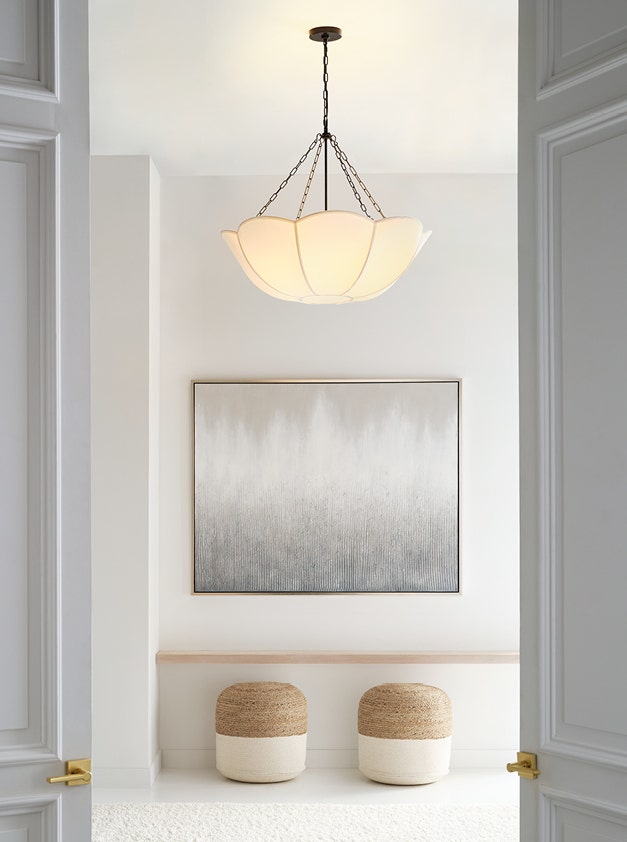
Ceiling height plays a crucial role in chandelier size and placement. Higher ceilings allow for larger fixtures and longer drops without crowding the space.
For standard 8-foot ceilings, keep the chandelier’s bottom at least 7 feet above the floor. If your ceiling is taller, you can hang the chandelier lower to create a dramatic effect.
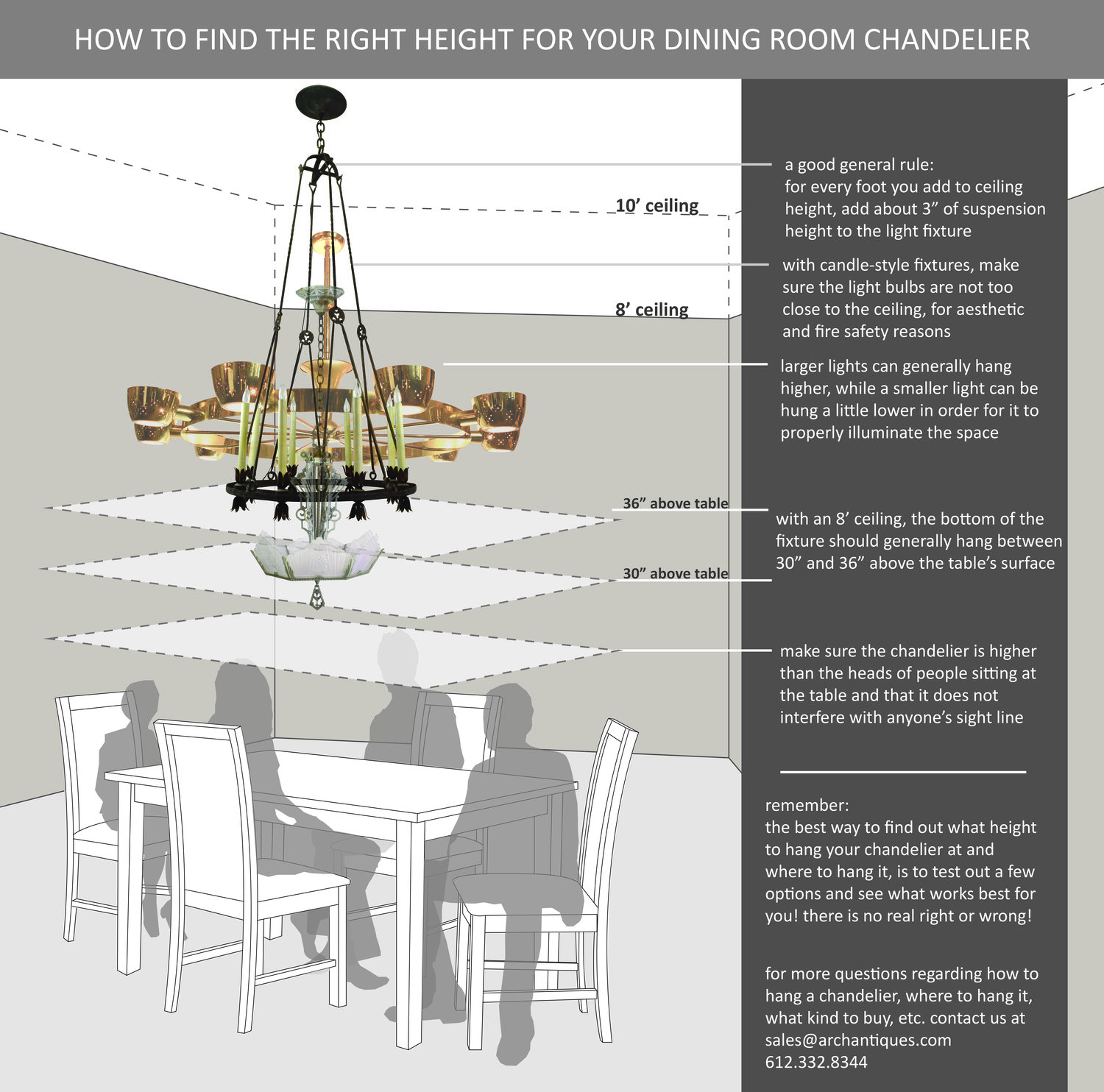
In dining rooms, hang the chandelier about 30 to 36 inches above the table surface, no matter the ceiling height. This keeps it at eye level while providing ample light.
Credit: www.visualcomfort.com
Chandelier Size For Living Rooms
Choosing the right chandelier size for your living room can transform the space from ordinary to stunning. The chandelier should complement the room’s dimensions and furniture without overwhelming or underwhelming the area. Let’s break down how to find the perfect balance.
Ideal Diameter And Height
The diameter of your chandelier should generally be about one-half to two-thirds the width of your living room. For example, if your room is 15 feet wide, a chandelier between 7.5 and 10 feet in diameter works well. This keeps the fixture proportional without dominating the space.
Height matters too. If your ceiling is 8 feet or higher, aim for a chandelier that hangs about 30 to 36 inches above the surface of your coffee table or seating area. This height allows enough clearance while making the chandelier a focal point.
Balancing With Furniture
Your chandelier should feel connected to the furniture below it, especially the main seating area. A large sectional or a big coffee table calls for a larger chandelier to maintain visual balance. Conversely, smaller seating areas need more delicate fixtures.
Think about the shape and layout of your furniture. Round chandeliers pair well with round tables, while linear or rectangular chandeliers suit longer sofas or benches. This alignment helps the room feel cohesive and thoughtfully designed.
Styles That Fit Living Areas
Living rooms are social spaces, so your chandelier style should reflect your personal taste while enhancing the atmosphere. Crystal chandeliers add elegance and sparkle, perfect for formal living rooms.
For casual or modern spaces, consider minimalist or industrial styles. These can create striking statements without overpowering your décor. Have you thought about mixing styles? A vintage chandelier in a contemporary room can add unique character.
Dining Room Chandelier Sizes
Choosing the right chandelier size for your dining room is crucial. It enhances the room’s look and provides proper lighting. The chandelier should complement the table and the room’s overall design. Understanding the appropriate dimensions can transform your dining space.
Matching Table Dimensions
The chandelier should match the size of the dining table. A simple rule is that the chandelier’s diameter should be half to two-thirds the table’s width. This proportion ensures balance and harmony. For example, a 48-inch table suits a chandelier between 24 and 32 inches wide.
Height Above The Table
Proper chandelier height enhances dining ambiance. Hang the chandelier 30 to 36 inches above the table. This height provides ample light without obstructing views. Adjust the height slightly based on ceiling height and room size.
Multiple Chandeliers For Large Tables
Large tables can benefit from more than one chandelier. Two smaller chandeliers offer even light distribution. Position them evenly along the table’s length. Ensure they are spaced evenly and aligned properly.
Bedroom Chandelier Dimensions
Choosing the right chandelier size for your bedroom enhances both style and comfort. Bedroom chandelier dimensions depend on room size and ceiling height. A well-sized chandelier adds charm without overwhelming the space.
Lighting plays a big role in bedroom mood. Soft, warm light creates a peaceful atmosphere. The chandelier should complement the room’s size and purpose.
Choosing Soft Lighting
Soft lighting helps create a calm bedroom space. Look for chandeliers with dimmable bulbs or frosted shades. These options prevent harsh glare and promote relaxation. Warm white bulbs are ideal for a cozy feel.
Size For Different Bedroom Types
| Bedroom Size | Recommended Chandelier Diameter |
|---|---|
| Small (up to 10×10 ft) | 12-16 inches |
| Medium (11×12 to 14×16 ft) | 18-24 inches |
| Large (over 16×16 ft) | 26-36 inches |
The chandelier size should balance the room without crowding it. For low ceilings, choose a flush or semi-flush mount style.
Placement Tips
- Center the chandelier over the bed for a focal point.
- Maintain at least 7 feet of clearance from the floor.
- Align the fixture with other room elements for balance.
- Consider the chandelier’s weight and ceiling support.
Kitchen And Entryway Fixtures
The kitchen and entryway are two of the most important spaces in your home to choose the right chandelier size. These areas set the tone for your entire house and need lighting that balances style and function. Picking the perfect fixture here can be a challenge because these spaces often have different lighting needs and design goals compared to living rooms or dining areas.
Small Vs. Statement Pieces
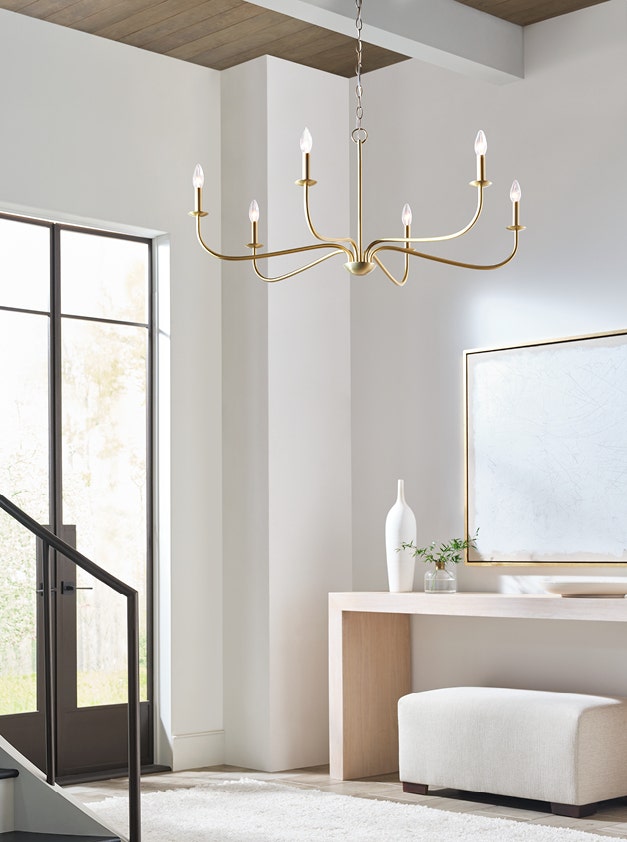
In kitchens and entryways, chandelier size plays a key role in how the space feels. Small chandeliers work well in tight or narrow entryways where you want to avoid overwhelming the space. They provide just enough sparkle without crowding the room.
On the other hand, a statement chandelier can become a focal point that impresses guests the moment they walk in. If your entryway is spacious or your kitchen has an island, a larger chandelier can add drama and style. But be careful—too big, and it can block views or feel out of place.
Functional Lighting Needs
Chandeliers in kitchens and entryways aren’t just about looks; they must also provide proper lighting. Think about how you use the space. In the kitchen, you need bright, even light for cooking and prep work.
Entryways often need softer, welcoming light that still allows you to see clearly when entering or leaving your home. Consider the height of your ceiling and the chandelier’s brightness to avoid shadows or glare. A dimmer switch can help you adjust the lighting based on the time of day or mood.
Combining Chandeliers With Other Lights
Relying on a chandelier alone might not meet all your lighting needs. Kitchens especially benefit from layered lighting. You can pair a chandelier with recessed lights or under-cabinet lights to brighten work areas.
In entryways, combining chandeliers with wall sconces or table lamps creates a balanced and inviting atmosphere. Mixing different light sources also adds depth and flexibility, so you can highlight architectural features or artwork.
Have you ever noticed how a single chandelier sometimes feels too harsh or too dim? Layering your lights gives you control and enhances the overall look of your kitchen and entryway.
Credit: www.visualcomfort.com
Adjusting For Ceiling Types
Choosing the right chandelier size isn’t just about the room’s dimensions. Your ceiling type plays a huge role in how the fixture looks and functions. Adjusting your chandelier to fit the ceiling ensures both style and safety, creating the perfect balance in your space.
Low Ceilings
Low ceilings limit how far your chandelier can hang. You want enough clearance to move comfortably without knocking into the fixture. Opt for flush mount or semi-flush mount chandeliers that sit closer to the ceiling.
In rooms with ceilings under 8 feet, keep the chandelier’s height to about 12 inches or less. This prevents the space from feeling cramped. Have you ever walked into a room and had to duck? That’s what you want to avoid here.
Vaulted And High Ceilings
Vaulted or high ceilings give you more freedom to choose larger, dramatic chandeliers. The challenge is making sure the chandelier doesn’t get lost in the vertical space. A chandelier that’s too small will look out of place and fail to provide enough light.
For ceilings over 9 feet, consider a chandelier that’s about 12 to 20 inches wide per every 10 feet of ceiling height. This rule helps maintain balance and keeps your room feeling cohesive. What’s the point of a huge ceiling if your lighting doesn’t match?
Using Chains And Rods
Chains and rods offer flexibility in adjusting chandelier height, especially for vaulted ceilings. They let you customize how low or high the fixture hangs based on your room’s needs.
Use a longer chain or rod for high ceilings and shorten it for rooms with lower ceilings. Remember to leave at least 7 feet clearance from the floor to the bottom of the chandelier in living areas, and 30-36 inches above tables.
Have you measured your ceiling height and the room’s focal points before choosing your chain length? If not, it’s time to grab a tape measure and get precise.
Calculating Chandelier Size
Choosing the right chandelier size can transform your space, making it feel balanced and inviting. Calculating the perfect size isn’t guesswork—it’s about simple math and understanding your room’s layout. Let’s break down how you can find the ideal chandelier size that fits perfectly above your dining table, in your foyer, or anywhere you want to add a stunning focal point.
Simple Formulas
Start with a basic formula that adds your room’s length and width in feet. The sum you get, measured in inches, suggests the diameter your chandelier should be. For instance, if your room is 12 feet by 14 feet, adding them gives 26, so a chandelier about 26 inches wide fits nicely.
This formula keeps things straightforward and helps avoid chandeliers that are too small or overwhelming. Have you tried this quick calculation before picking a fixture? It can save you from common sizing mistakes.
Room Dimensions To Diameter
Besides the simple sum, consider the room’s shape and purpose. A long, narrow room might need an oval chandelier or multiple smaller fixtures instead of one big piece. For square rooms, a round chandelier with a diameter close to the sum of the room’s length and width works best.
Think about how the chandelier will interact with other elements like furniture and ceiling height. Would a wider chandelier create a cozy atmosphere, or would it crowd the space? Measure carefully and imagine the fixture in place before buying.
Height Recommendations
Height plays a crucial role in how your chandelier looks and functions. In rooms with standard 8-foot ceilings, hang the chandelier so its bottom is about 30 to 34 inches above a table surface. This keeps it low enough to create intimacy but high enough to avoid head bumps.
For ceilings higher than 8 feet, add 3 inches of hanging height for every extra foot of ceiling height. In entryways or open spaces, the chandelier should be at least 7 feet above the floor. How do you want your chandelier to feel—grand and dramatic or subtle and charming? Adjust the height accordingly to match your vision.
Common Mistakes To Avoid
Choosing the right chandelier size can be tricky. Many people make simple mistakes that affect the room’s look and feel. Avoid these common errors to get a perfect fit for your space.
Oversized Fixtures
Large chandeliers can overwhelm a room. They block sightlines and make the space feel crowded. A chandelier too big steals attention from other design elements. Balance size with ceiling height and room width.
Ignoring Room Scale
Ignoring room dimensions leads to poor chandelier choices. A small room needs a smaller fixture. Large rooms require bigger, more substantial chandeliers. Measure your room carefully before buying.
Neglecting Lighting Purpose
Chandeliers serve more than decoration. They provide lighting for tasks and ambiance. A fixture too dim won’t light the room well. Too bright can cause glare. Match chandelier style and brightness to the room’s needs.
Material And Style Impact
The material and style of your chandelier play a crucial role in deciding its ideal size. These factors affect not only the visual balance but also the room’s overall feel. Choosing the right combination helps your chandelier enhance the space without overwhelming it.
Heavy Vs. Light Materials
Heavy materials like crystal or wrought iron tend to make a chandelier feel larger and more imposing. If your room has high ceilings, a heavier chandelier can anchor the space beautifully.
On the other hand, light materials such as acrylic or thin metal create a more delicate and airy look. These are perfect for smaller rooms or spaces where you want the light fixture to blend in rather than dominate.
Think about your ceiling’s strength and height before choosing a heavy chandelier. Have you checked if your ceiling can safely hold a large, heavy fixture?
Traditional Vs. Modern Designs
Traditional chandeliers often feature elaborate details and multiple tiers, naturally requiring more space. These designs call for a larger size to avoid looking cramped or cluttered.
Modern chandeliers tend to be minimalist with sleek lines and open shapes. They can appear substantial even if they are physically smaller, thanks to their bold designs.
Which style matches your room’s vibe? Sometimes a modern chandelier’s clean look can make a room feel more spacious, while a traditional one adds warmth and character.
Color And Finish Effects
Dark finishes like black or bronze absorb light and make chandeliers seem heavier and more prominent. They work well if you want your chandelier to be a bold statement piece.
Light finishes such as brushed nickel, chrome, or white can make a chandelier feel lighter and less intrusive. These finishes reflect light and help the fixture blend with the ceiling and walls.
Consider how your chandelier’s color interacts with your room’s palette. Could a lighter finish help your fixture look larger without taking up more space?
Credit: www.archantiques.com
Frequently Asked Questions
How Do I Measure Chandelier Size For A Room?
Measure the room’s length and width in feet. Add the two numbers. Convert the sum to inches. That number is the ideal chandelier diameter.
What Chandelier Size Suits A Dining Table?
Choose a chandelier about half to two-thirds the width of your table. This balance ensures proper lighting without overwhelming the space.
How High Should A Chandelier Hang From The Ceiling?
Hang a chandelier 30 to 36 inches above the dining table. For rooms without tables, maintain 7 feet clearance from floor.
Can A Chandelier Be Too Big For A Room?
Yes, an oversized chandelier can overpower a space. It may block sightlines and cause discomfort.
Conclusion
Choosing the right chandelier size shapes your room’s look and feel. A well-sized chandelier adds light and style without crowding space. Measure your room and consider ceiling height for the best fit. Balance is key—too big or too small can disrupt harmony.
Trust your eyes and take your time picking the perfect piece. Brighten your home with a chandelier that fits just right.



