
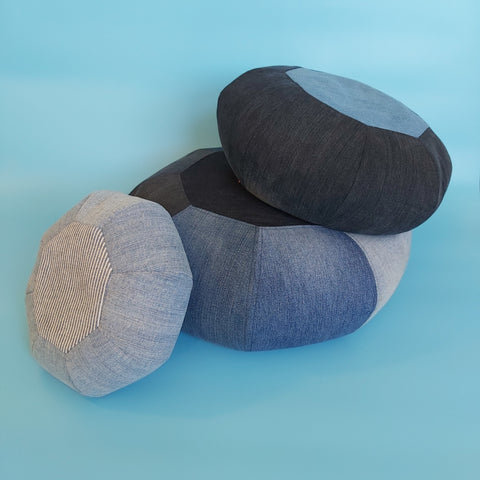
Are you wondering what to fill your pouf with to make it comfortable and long-lasting? Choosing the right filling can transform your pouf from just a decoration to your favorite spot to relax.
But with so many options available, it’s easy to feel overwhelmed. You’ll discover the best fillings for your pouf, how each one affects comfort and durability, and tips to find the perfect match for your home. Keep reading to find out exactly what will make your pouf both stylish and cozy.
Types Of Pouf Fillings
Choosing the right filling for a pouf affects its comfort and durability. Different materials offer various levels of support and softness. Some fillings make the pouf lightweight and easy to move. Others provide firm support, suitable for sitting or resting feet. Understanding each type helps pick the best option for your needs.
Bean Bag Fillers
Bean bag fillers are small, lightweight beads made of polystyrene. They offer excellent flexibility and mold to the body’s shape. These fillers make the pouf soft and easy to move. They also provide good ventilation, preventing heat buildup. However, they may compress over time and need refilling.
Foam Inserts
Foam inserts create a firm and supportive pouf. They hold their shape well and last longer than bean bag fillers. Foam comes in various densities, allowing customization of softness. It offers stable seating and is less noisy. Foam inserts are ideal for those who want structure and comfort.
Polyester Fiberfill
Polyester fiberfill is a soft, fluffy material often used in cushions. It gives a plush feel and good bounce-back. This filling is lightweight and hypoallergenic. It suits decorative poufs or light seating options. Over time, it may flatten but can be fluffed up again.
Natural Fillings
Natural fillings include materials like cotton, wool, or dried beans. They provide an eco-friendly and breathable option. These fillings offer moderate firmness and comfort. Natural fillers are biodegradable and safe for sensitive skin. They may require occasional maintenance to keep their shape.
Pros And Cons Of Each Filling
Choosing the right filling for a pouf affects its comfort, look, and lifespan. Different fillings offer unique benefits and drawbacks. Understanding these helps pick the best option for your needs. Below is a breakdown of the pros and cons of common pouf fillings.
Comfort And Support
Bean bag pellets provide a soft, moldable feel that adapts to your body shape. Foam offers firmer support and keeps its shape longer. Polyester fiberfill gives a plush, cushiony texture but may flatten over time. Natural fillings like cotton or buckwheat hulls give a balanced firmness with natural breathability.
Durability And Maintenance
Foam fillings last longer and resist wear better than others. Bean bag pellets can compress or break down, needing refills. Polyester fiberfill is easy to wash but loses shape quickly. Natural fillings may attract pests or moisture and require more care.
Allergy Considerations
Synthetic fillings like foam and polyester are hypoallergenic and resist dust mites. Natural fillings can trigger allergies or mold if not kept dry. Always check material quality and consider allergy sensitivity before choosing.
Cost Factors
Polyester fiberfill is usually the cheapest option. Bean bag pellets fall in the mid-price range. Foam and natural fillings often cost more but offer better durability or eco-friendliness. Budget affects choice but balance it with quality and comfort needs.
Choosing The Right Filling For Your Pouf
Poufs can be filled with materials like foam beads, polyester fiber, or shredded foam for comfort and shape. Each filling offers different softness and support levels. Choosing the right filling depends on how you want to use your pouf and the feel you prefer.
Choosing the right filling for your pouf is crucial. It affects comfort, functionality, and aesthetics. With various options available, understanding key factors can guide your decision. Whether you desire a firm seat or a soft footrest, the filling choice matters.Intended Use And Placement
Consider where you will place the pouf. In a living room, a firmer filling suits seating. In a bedroom, softer fillings enhance relaxation. Outdoor poufs need weather-resistant fillings. Identify the primary use first. This shapes the filling choice.Weight And Portability
Lightweight fillings, like polystyrene beads, make poufs easy to move. Ideal for flexible spaces. Heavier fillings offer stability but limit portability. Decide if you need the pouf to be mobile. Balance weight with function.Aesthetic Preferences
Your pouf’s look depends on the filling. Foam or polyester create smooth finishes. Beads or natural materials give a textured look. Select a filling that aligns with your style. It should complement your decor theme.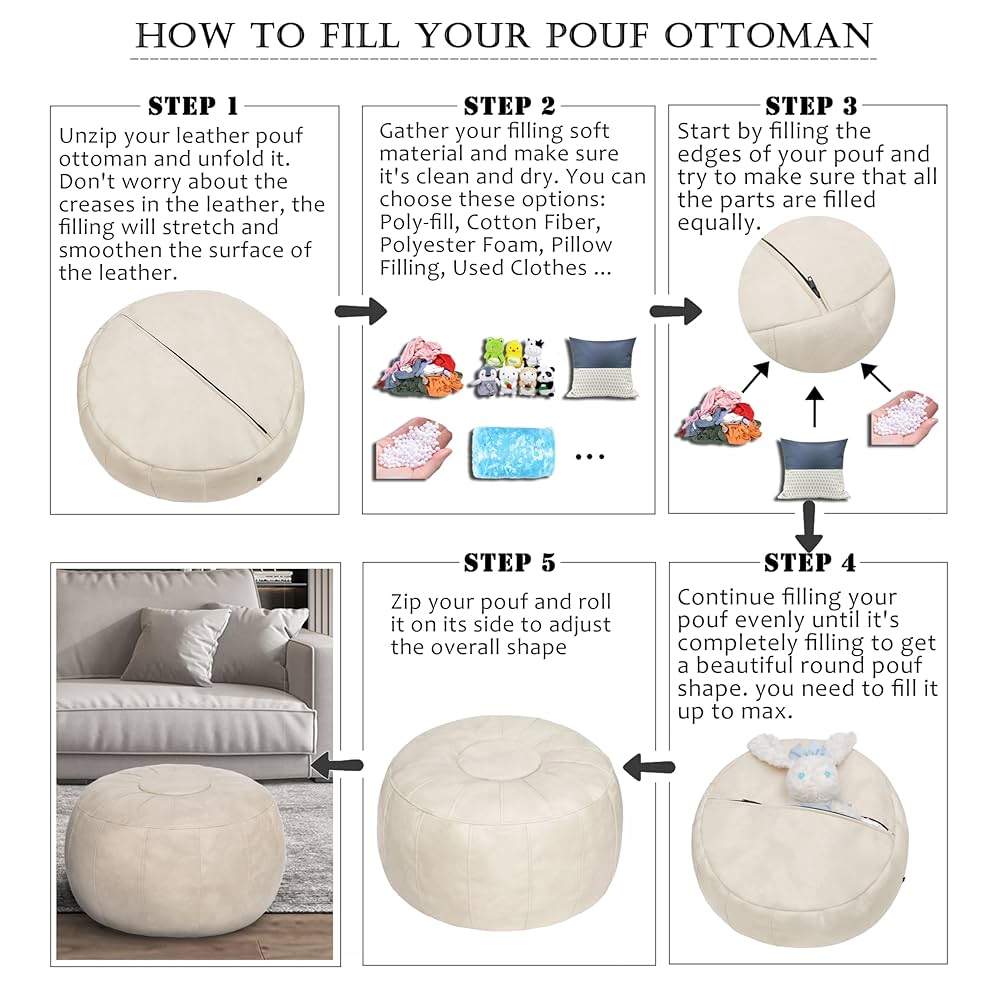
Credit: www.amazon.ae
How To Fill A Pouf Step-by-step
Filling a pouf might seem straightforward, but doing it right takes a bit of care and technique. The way you fill your pouf affects not just its look but also how comfortable and durable it is. Let’s break down how to fill your pouf step-by-step to get the perfect balance of firmness and softness.
Preparing The Pouf Cover
Start with a clean pouf cover that’s easy to work with. Make sure the zipper or opening is fully unzipped or wide open to avoid any struggle while filling. Check the fabric for any weak spots or damage before you begin, as filling a damaged cover can cause tearing.
If your cover is new, consider washing it first to remove any factory chemicals or dust. This step ensures your pouf smells fresh and feels comfortable right away. Have a clear, flat space ready to lay out the cover fully, so you can fill it evenly.
Adding The Filling
Choose your filling material based on the firmness you want. Common options include polystyrene beads, shredded foam, or even old clothes and fabric scraps. Polystyrene beads give a classic pouf feel—light and moldable, while shredded foam offers more support and softness.
Fill the pouf slowly and evenly. Pour or stuff your chosen filling in small batches, then press and shape it as you go. This helps avoid lumps and empty spots. Don’t overfill; a pouf that’s too stuffed will be stiff and uncomfortable.
Ask yourself: How will you use this pouf? For lounging, softer filling works best. For extra seating support, add more dense material. Adjust the amount and type of filling until you find your ideal comfort level.
Sealing And Shaping
Once filled, carefully close the zipper or sew the opening shut if needed. Make sure the closure is secure to prevent any filling from escaping. After sealing, shape the pouf with your hands—push and mold it into the form you want.
Spend a few minutes sitting or leaning on the pouf to test its feel. If it’s too soft or too firm, you can reopen and adjust the filling. Remember, a well-shaped pouf offers both style and comfort, so take your time with this final step.
Tips For Maintaining Your Filled Pouf
Keeping your pouf in great shape means more than just filling it once. Regular care helps maintain its comfort and appearance over time. Let’s look at some practical tips that make your pouf last longer and feel just right every day.
Regular Fluffing And Reshaping
Fluff your pouf often to keep it looking full and inviting. Pressing and reshaping help prevent lumps and uneven spots. Try giving it a good shake or a few firm punches to redistribute the filling evenly.
Have you noticed your pouf losing its bounce after months of use? Fluffing restores its original shape and comfort, making it feel like new again. This simple step can save you from early refilling.
Cleaning Guidelines
Keep the pouf clean by checking the care label first. Most covers can be spot cleaned with a mild detergent and a soft cloth. Avoid soaking the filling, as moisture can cause clumping or mold.
If the cover is removable, wash it separately according to instructions. For non-removable covers, regular vacuuming helps remove dust and dirt. Clean poufs not only look better but also last longer.
Refilling And Replacement
Over time, filling materials like foam beads or polyester fiber may compress or break down. Notice your pouf feels less supportive? It might be time to add more filling or replace it entirely.
Consider the type of filling you originally used before refilling. Adding the same material ensures consistent comfort. You can also mix different fillers to customize softness or firmness to your liking.
How often do you check the state of your pouf’s filling? Keeping an eye on it helps you decide when a refill is needed, preventing discomfort and prolonging its life.

Credit: www.amazon.ca
Creative Filling Ideas
Filling a pouf creatively can give it a unique look and feel. Different materials change its comfort and style. Experimenting with unusual fillings can make your pouf stand out and be more functional. Here are some creative ideas to try.
Recycled Materials
Recycled materials offer an eco-friendly and affordable way to fill a pouf. Old clothes, fabric scraps, and worn-out cushions work well. Shredded denim or cotton can create a soft, squishy pouf. Using clean plastic bags or foam pieces from old furniture adds firmness and support. These materials reduce waste and give your pouf a new life.
Hybrid Fillings
Mixing different fillings creates a balanced pouf. Combine soft materials like polyester fiberfill with firmer ones such as foam chunks. This mix provides both comfort and structure. Another idea is to layer fillings: use beads at the bottom and fluffier material on top. Hybrid fillings customize the pouf’s feel to match your needs.
Seasonal Alternatives
Seasonal fillings make your pouf versatile throughout the year. In summer, try filling with dried beans or rice for a cool, firm seat. In winter, use wool scraps or fleece pieces for extra warmth. These natural materials adjust the pouf’s texture and comfort based on the season. They also add a cozy and fresh vibe to your space.
Credit: medium.com
Frequently Asked Questions
What Are Common Fillings For A Pouf?
Common pouf fillings include polystyrene beads, shredded foam, cotton batting, or old clothes. These provide softness and shape while being lightweight and comfortable.
Can I Use Foam Scraps To Fill A Pouf?
Yes, foam scraps can be used as pouf filling. They offer good cushioning and are eco-friendly by recycling foam waste.
Is Bean Bag Filling Suitable For Poufs?
Bean bag filling like EPS beads works well for poufs. It molds easily, offers comfort, and keeps the pouf lightweight.
How Do I Refill A Pouf When It Gets Flat?
To refill, unzip the pouf cover and add more filling like beads or foam. Adjust the amount for desired firmness.
Conclusion
Choosing the right filling makes your pouf comfortable and durable. Common options include foam beads, polyester fiber, or old clothes. Each filling type offers different softness and support. Think about how you will use the pouf before filling it. Filling it properly keeps the shape and makes sitting pleasant.
Small adjustments can improve comfort a lot. Now, you have the basics to fill your pouf with confidence. Enjoy creating a cozy spot in your home.



