
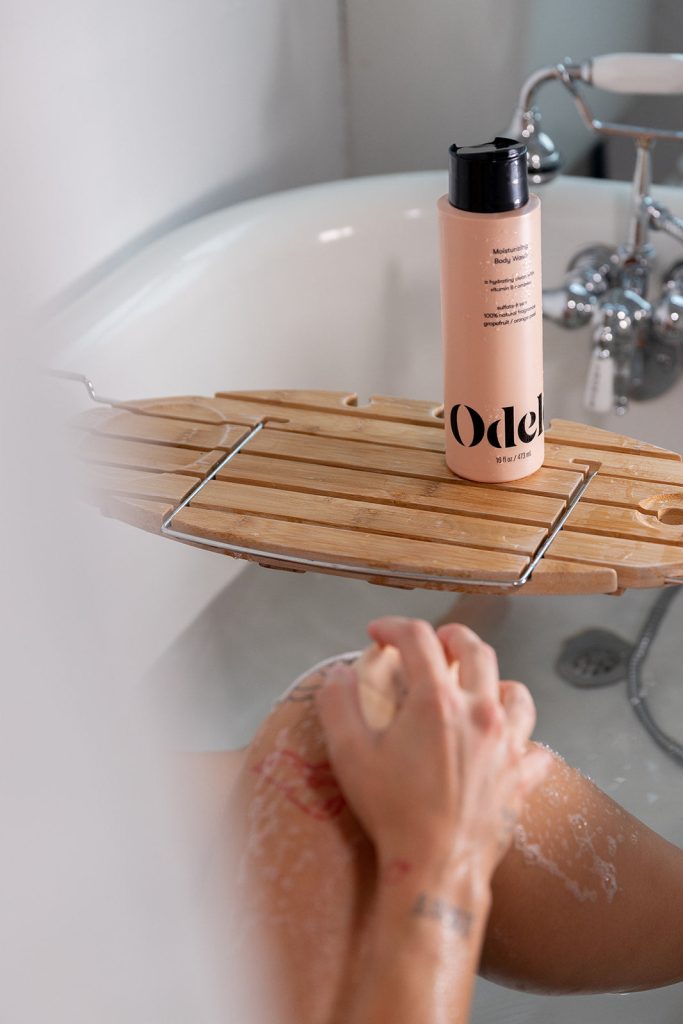
Have you ever stopped to think about how long you should be using your shower pouf? You might be surprised to learn that keeping the same pouf for too long can affect your skin and hygiene.
But how do you know when it’s time to replace it? You’ll discover the signs to watch for, why it matters, and simple tips to keep your shower routine fresh and safe. Keep reading—you’ll never look at your shower pouf the same way again!
Shower Pouf Basics
The shower pouf is a common bathroom item. It helps clean your skin gently and effectively. Knowing its basics can improve your daily shower routine. Understanding what it is, the materials it is made from, and its benefits helps you make the best use of it.
What Is A Shower Pouf
A shower pouf is a small, netted sponge. It creates a rich lather with soap or body wash. This lather cleans the skin by removing dirt and oils. Its soft texture exfoliates the skin gently. Shower poufs are easy to use and hang in the shower for drying.
Materials Used
Most shower poufs are made from synthetic fibers like nylon or polyester. These materials are durable and quick to dry. Some poufs use natural fibers such as cotton or sisal. Synthetic materials create more foam, while natural ones are eco-friendly. Choosing the right material depends on your skin type and preferences.
Benefits In Daily Use
- Produces a rich, creamy lather that cleans well.
- Gently exfoliates dead skin cells.
- Helps soap or body wash last longer.
- Easy to handle and quick to dry after use.
- Lightweight and takes up little space in the shower.

Credit: www.yahoo.com
Lifespan Of A Shower Pouf
Understanding the lifespan of your shower pouf is essential for maintaining good hygiene and getting the best value from your purchase. These small bath accessories might seem durable, but they wear out faster than you might expect. Knowing how long you can safely use one helps prevent skin issues and keeps your shower routine fresh.
Average Usage Time
Most shower poufs last between 3 to 4 weeks with regular use. This timeframe allows you to enjoy its exfoliating benefits without risking bacteria buildup. If you use your pouf daily, sticking to this period is a good rule of thumb to avoid skin irritation.
Have you ever noticed your pouf smelling odd or feeling slimy? That’s often a sign it’s past its prime, even if it hasn’t been a full month yet.
Factors Affecting Durability
Several factors can shorten or extend the life of your shower pouf:
- Material Quality:High-quality nylon or mesh poufs tend to last longer than cheaper alternatives.
- Drying Conditions:Poufs that dry completely between uses resist bacteria and mold growth better.
- Frequency of Use:The more you use it, the faster it will wear out.
- Storage:Keeping your pouf in a damp environment speeds up deterioration.
Think about where you hang your pouf after a shower. Could better airflow extend its lifespan?
Signs It’s Time To Replace
Knowing when to toss your shower pouf is key to healthy skin. Watch out for these warning signs:
- Unpleasant or musty odor that doesn’t go away after washing.
- Visible mold or mildew spots.
- Fraying or thinning mesh that loses its texture and exfoliating power.
- Skin irritation or breakouts after use, which might indicate bacteria buildup.
Replacing your shower pouf regularly might seem like extra work, but your skin will thank you. When was the last time you switched yours out?
Cleaning And Maintenance
Shower poufs usually last about three to four weeks with regular use. Rinsing and drying them well helps prevent mold and bacteria growth. Replace them promptly if they start to smell or fall apart.
Maintaining the cleanliness of your shower pouf is crucial for ensuring it serves you well and remains hygienic. By following a consistent cleaning routine, you can extend the life of your pouf and keep it free from harmful bacteria. Let’s explore some practical tips for keeping your shower pouf in top condition.Daily Care Tips
To start, always rinse your pouf thoroughly with warm water after each use. This simple habit removes soap residue and lingering skin cells. Squeeze out excess water and hang your pouf in a well-ventilated area to dry. Good airflow is key to preventing mildew and bacteria growth. Consider alternating between two poufs. This allows one to dry completely while you use the other, reducing the chance for bacterial buildup.Deep Cleaning Methods
Deep cleaning your pouf once a week ensures it’s thoroughly sanitized. Soak it in a solution of equal parts water and white vinegar for about 15 minutes. If you prefer a different method, washing the pouf in the washing machine with a gentle cycle is effective. Just place it in a mesh laundry bag to prevent tangling. Add a few drops of tea tree oil to your cleaning solution for an antibacterial boost. Its natural properties fight bacteria and leave a fresh scent.Avoiding Bacteria Buildup
Replace your shower pouf every few months. Over time, they can become a breeding ground for bacteria, even with regular cleaning. Be mindful of where you store your pouf. Hanging it outside the shower when not in use helps it dry faster and stay cleaner. Ask yourself, how often do you actually replace your pouf? If it’s been a while, it might be time to get a new one to ensure your hygiene routine is effective. Engaging in these cleaning and maintenance practices keeps your shower pouf in optimal condition, protecting your skin and enhancing your shower experience.Health Risks Of Overuse
Using a shower pouf for too long can cause health problems. The damp environment of a pouf makes it easy for germs to grow. These germs can harm your skin and overall health. Understanding the risks helps keep your skin safe and clean.
Skin Irritations
Old poufs can cause redness and itching. Dead skin and soap build-up on the pouf irritate sensitive skin. Using a dirty pouf may worsen conditions like eczema or acne. Clean skin feels better and looks healthier.
Bacterial Infections
Moisture in a pouf creates a perfect place for bacteria. These bacteria can cause infections on cuts or broken skin. Using the same pouf for months increases this risk. Bacterial infections can lead to redness, swelling, and pain.
Preventing Common Issues
- Replace your shower pouf every 3 to 4 weeks.
- Let the pouf dry completely between uses.
- Wash the pouf regularly with hot water and soap.
- Avoid sharing your pouf with others.
- Use natural or antibacterial poufs if possible.
Choosing The Right Pouf
Choosing the right shower pouf makes a big difference in your daily shower routine and how long your pouf lasts. The right pouf feels good on your skin, cleans effectively, and stays fresh longer. Let’s look at what to consider before picking your next shower pouf.
Material Considerations
The material of your pouf affects both its durability and how gentle it is on your skin. Synthetic materials like nylon dry quickly but can wear out faster and trap bacteria if not cared for properly. Natural materials such as sisal or cotton offer a softer touch and tend to be more breathable, reducing mildew risk.
Think about your skin type too—if you have sensitive skin, a natural fiber pouf might prevent irritation better than a rough synthetic one. Have you noticed how some poufs start to smell after a week? That’s usually the material holding onto moisture.
Size And Texture
Size matters because a larger pouf can hold more soap and create a richer lather, but it may take longer to dry. Smaller poufs dry faster but might require more soap to get the same effect. Texture plays a big role in how your skin feels after showering.
If you prefer exfoliation, look for a coarser texture. If you want something gentle for daily use, a softer texture is better. Ask yourself if your skin needs a scrub or just a light cleanse. Your choice here impacts not only comfort but also how often you’ll need to replace the pouf.
Eco-friendly Options
Choosing eco-friendly poufs helps reduce waste and environmental impact. Materials like bamboo fiber or recycled plastic are good alternatives that break down faster or reuse resources. These options often last just as long as traditional poufs but come with the bonus of being kinder to the planet.
Consider how often you replace your pouf—switching to a biodegradable option means less plastic waste in the landfill. Would you be willing to pay a bit more for a pouf that’s better for the environment? Many find it worth the investment once they see the quality and feel.

Credit: www.amazon.com
Alternatives To Shower Poufs
If you’re wondering how to keep your skin fresh without constantly replacing your shower pouf, there are several alternatives that might suit your routine better. These options can offer different textures and benefits, while sometimes lasting longer and being easier to clean. Let’s look at some practical choices you can try in your bathroom.
Washcloths And Sponges
Washcloths are a simple and budget-friendly alternative that you likely already have at home. They are easy to wash and dry, which helps prevent bacteria buildup. Sponges, especially synthetic ones, offer gentle exfoliation and can last longer if properly maintained.
Using a washcloth gives you more control over pressure and coverage during your shower. You can switch to a fresh one every few days without much hassle. Have you noticed how much cleaner your skin feels after using a soft washcloth compared to a pouf?
Exfoliating Gloves
Exfoliating gloves fit over your hands, allowing you to scrub your body thoroughly. They provide a stronger exfoliation than poufs, which can be great if you want to remove dead skin cells more effectively. Plus, gloves dry quickly and are easy to toss in the washing machine.
Many people find gloves improve circulation as they massage the skin. If you want to amp up your shower game, gloves could be the tool you didn’t know you needed. Have you ever tried gloves and felt the difference in smoothness afterward?
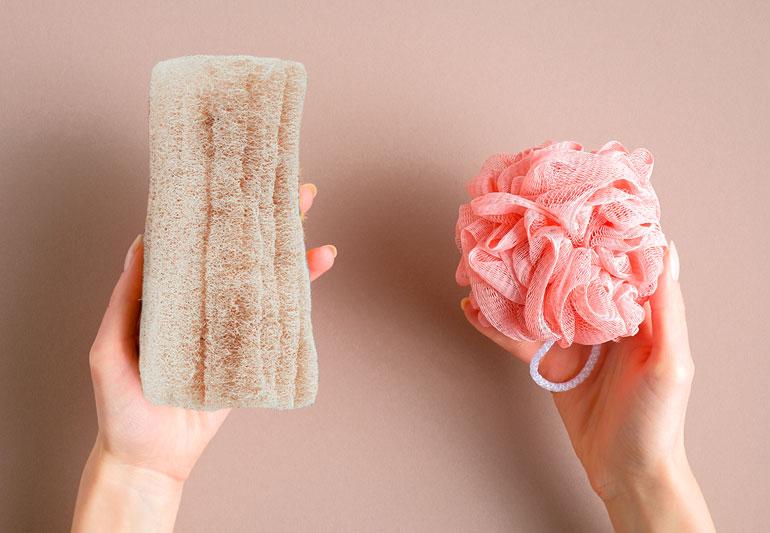
Natural Loofahs
Natural loofahs come from a plant and offer a firm, textured surface for scrubbing. Unlike synthetic poufs, they are biodegradable and can be composted after use. Their rough texture is excellent for stimulating your skin and improving blood flow.
However, natural loofahs require more care to keep clean and dry. They might not last as long as synthetic options but give a refreshing, earthy feel to your shower routine. Could switching to a natural loofah be a small change with a big impact on your skin health?
Credit: health.clevelandclinic.org
Frequently Asked Questions
How Often Should You Replace A Shower Pouf?
Replace your shower pouf every 3 to 4 weeks. This prevents bacteria buildup and keeps your skin healthy. Frequent replacement ensures cleanliness and extends the pouf’s effectiveness.
Can A Shower Pouf Cause Skin Irritation?
Yes, old or dirty poufs can cause irritation. Bacteria and mold grow in damp environments. Replace poufs regularly and rinse them after each use to avoid skin issues.
How Do You Clean A Shower Pouf Properly?
Clean your pouf weekly by soaking it in hot water with vinegar or bleach. Rinse thoroughly and let it dry completely. This kills germs and prolongs its lifespan.
Is It Safe To Share A Shower Pouf?
Sharing a pouf is not recommended. It spreads bacteria and fungi between users. Use individual poufs to maintain personal hygiene and prevent infections.
Conclusion
Using a shower pouf for too long can cause germs to grow. It’s best to replace it every three to four weeks. Always rinse and dry your pouf after each use. This keeps it clean and fresh. A clean pouf helps your skin stay healthy.
Don’t wait for it to smell bad or look worn out. Taking care of your shower pouf is simple and smart. Your skin will thank you for it. Keep your shower routine safe and easy.



