
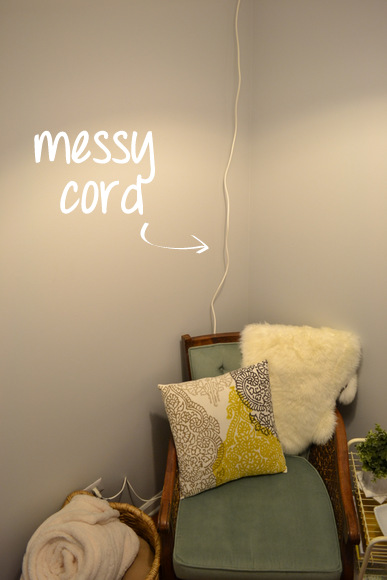
Looking to brighten up your space with a stylish pendant light but worried about complicated wiring? You’re in the right place.
Hanging a pendant light with a plug is easier than you think, and you don’t need to be an expert to do it. Imagine transforming your room quickly and safely, adding both charm and warmth. In this guide, you’ll discover simple steps that make the process smooth and stress-free.
Keep reading, and you’ll have your pendant light glowing in no time.

Credit: www.amazon.ca
Choosing The Right Pendant Light
Choosing the right pendant light with a plug is essential to enhance both the look and function of your space. The right light doesn’t just brighten a room—it sets the mood, complements your decor, and fits your lifestyle. Think about the type, style, size, and placement before making your choice to ensure it works perfectly in your home.
Types Of Pendant Lights With Plug
Pendant lights with plugs come in several styles to suit different needs and tastes. You’ll find:
- Single bulb pendants– Simple and versatile, ideal for focused lighting over a desk or kitchen island.
- Multi-light pendants– Feature several bulbs for broader illumination, perfect for larger spaces or dining areas.
- Lantern-style pendants– Add a rustic or vintage touch, often with glass and metal designs.
- Modern minimalistic pendants– Sleek and clean lines, great for contemporary rooms.
Choosing the right type depends on your lighting needs and the atmosphere you want to create. What kind of light feels right for your daily routine?
Selecting The Perfect Style And Size
Style and size matter as much as function. If your room has lots of patterns and colors, a simple pendant will balance the look. In contrast, an eye-catching fixture can serve as a centerpiece in a plain room.
Size affects both aesthetics and lighting quality. A pendant too large can overwhelm a small space, while a tiny one might get lost in a big room. Measure your space and consider the height of your ceilings to find the right fit.
Think about the shape too—round pendants soften edges, while angular designs add structure. What style speaks to your personality and complements your furniture?
Considering Room Placement
Where you hang your pendant light changes everything. Over kitchen counters or dining tables, pendants should be low enough to provide good light but high enough not to block views or movement.
In living rooms or bedrooms, placing a pendant near a reading nook or bedside can create cozy, focused lighting. Remember, plug-in pendants offer flexibility—try different spots before committing.
Ask yourself: How will the light interact with the room’s layout and daily activities? Finding the perfect spot can transform your space instantly.
Tools And Materials Needed
Gathering the right tools and materials makes hanging a pendant light with a plug easier and safer. Having everything ready helps the process go smoothly. This section lists what you need for a successful installation.
Essential Tools For Installation
- Screwdriver (flathead and Phillips)
- Drill with bits
- Wire stripper
- Measuring tape
- Level
- Pliers
- Voltage tester
- Step ladder
Safety Equipment
- Safety goggles to protect your eyes
- Insulated gloves to avoid electric shock
- Dust mask if drilling into ceilings
- Non-slip shoes for stable footing
Additional Materials
- Pendant light with plug included
- Wall anchors or ceiling hooks
- Electrical tape
- Cord clips to manage wires
- Extension cord if needed
Preparing The Installation Area
Clear the space where the pendant light will hang. Ensure the surface is clean and dry for easy installation. Check the power outlet is accessible for the plug connection.
Preparing the installation area is an essential step in hanging a pendant light with a plug. Ensuring your space is ready not only makes the installation process smoother but also enhances the final appearance of your lighting fixture. Let’s dive into the key considerations to set up your pendant light successfully.Finding The Power Source
First, identify the nearest power outlet for your pendant light. This will determine how far the cord can stretch and where the light will ultimately hang. Consider the path of the cord—will it be tucked neatly along a wall or ceiling, or does it need an extension? It’s crucial to plan this out beforehand to avoid any awkward placements or tangled messes. Think about how you can make the cord blend seamlessly into your room’s decor.Measuring And Marking Placement
Accurate measurements are key to a balanced and visually pleasing setup. Use a tape measure to determine the desired height of the pendant light from the floor. Consider the function of the room: over a dining table, you might want the light lower, while in a hallway, higher placement is better. Mark the spot on the ceiling where the light will hang using a pencil or painter’s tape for easy adjustments. This step prevents unnecessary drilling and ensures the light is centered and aligned with your vision.Checking Ceiling Support
Ceiling support is crucial for safety. Ensure the ceiling can handle the weight of the pendant light. If you’re unsure, a stud finder can help locate beams that offer better support. For drywall ceilings, you might need to use anchors for additional stability. Double-check these aspects to avoid any mishaps once the light is hung. Remember, the goal is a secure installation that not only looks great but also stands the test of time.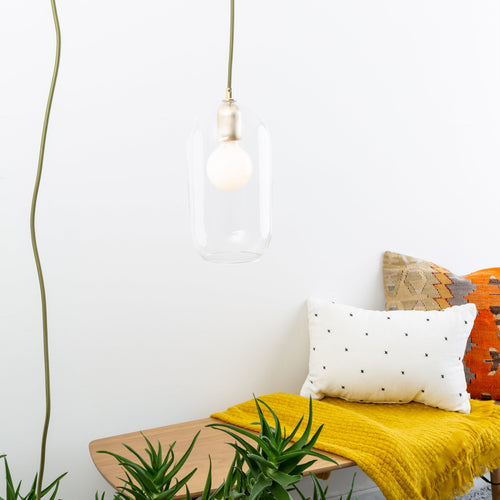
Credit: www.colorcord.com
Step-by-step Hanging Process
Hanging a pendant light with a plug might seem tricky at first, but breaking the process down makes it manageable and even enjoyable. Each step builds on the last, ensuring your light fixture is secure, functional, and adds style to your space. Let’s dive into the practical actions you’ll take to get your pendant light up and glowing.
Installing The Mounting Bracket
Start by locating a sturdy spot on your ceiling or wall where the pendant light will hang. Use a stud finder if possible to ensure the bracket attaches to a solid surface, which supports the weight safely.
Hold the mounting bracket against your chosen spot and mark the screw holes with a pencil. Drill pilot holes to prevent the screws from splitting the material, then secure the bracket tightly with screws.
Don’t rush this part—if the bracket isn’t firmly installed, your pendant light could wobble or fall. Have you checked that your mounting surface can hold the fixture’s weight?
Securing The Pendant Light
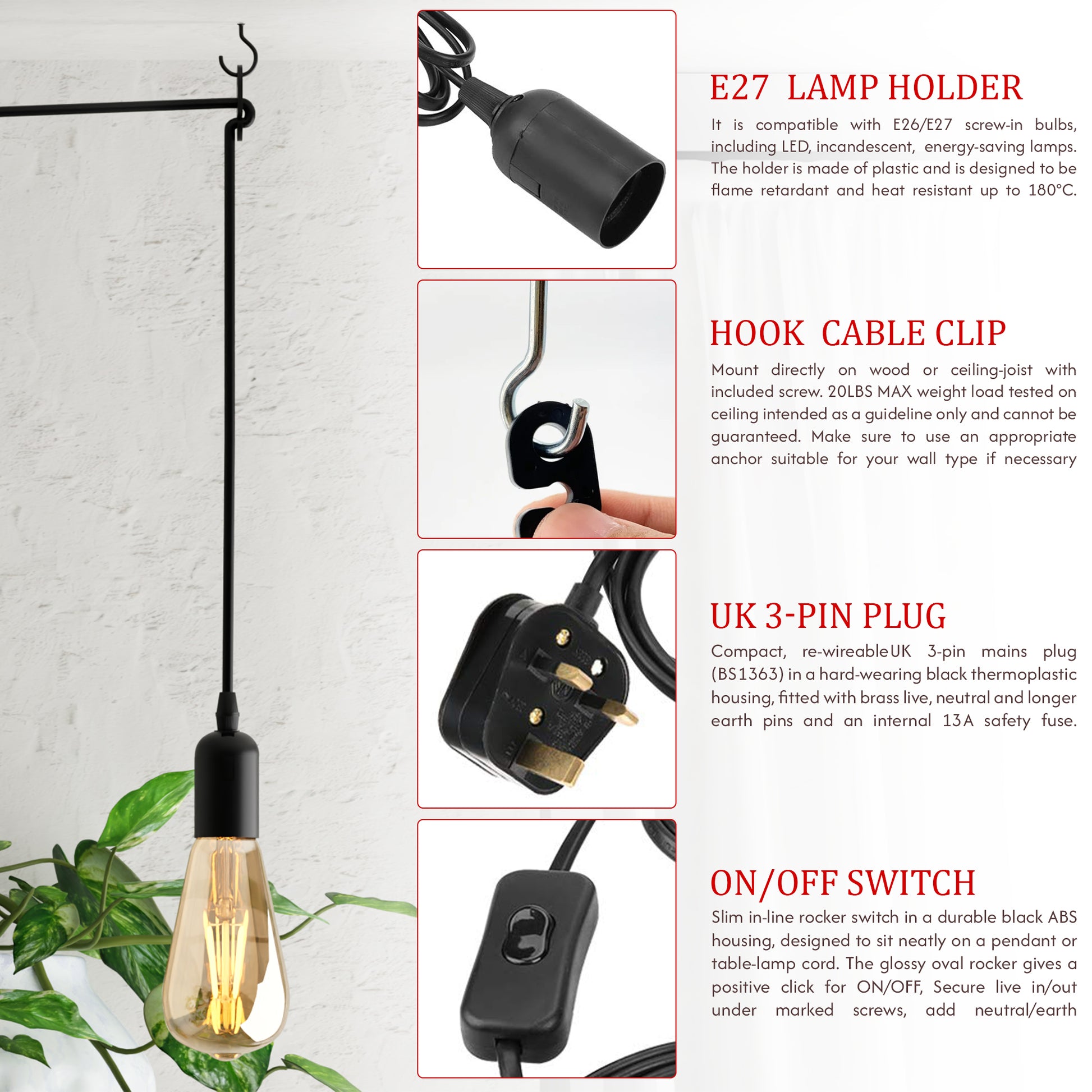
Next, connect the pendant light’s cord to the mounting bracket. Most models come with hooks or clips designed for this purpose. Make sure the cord length suits your space before securing it.
Adjust the pendant’s height by pulling or releasing the cord, then lock it in place according to the instructions. This lets you customize the ambiance and functionality of your light.
If your fixture has a cover or canopy, attach it now to conceal the mounting hardware and wiring. This step not only improves safety but also gives your installation a polished look.
Plugging In And Testing
With the light securely hung, plug it into a nearby outlet. Avoid using extension cords if possible, as they can be a tripping hazard and may affect the electrical flow.
Turn on the switch and watch your space transform with new lighting. If the pendant doesn’t light up, double-check the bulb, plug connection, and switch.
Have you considered how your new pendant light fits with your room’s existing lighting? Sometimes, repositioning can enhance both style and brightness.
Safety Tips For Plug-in Lights
Hanging a pendant light with a plug can instantly change the vibe of your space, but safety should never take a backseat. Plug-in lights are convenient, but they come with their own set of risks if not handled properly. Taking some simple precautions can protect your home and ensure your new light fixture brightens your room without any trouble.
Avoiding Electrical Hazards
Always inspect the plug and cord for any signs of damage before installation. A frayed cord or loose plug can lead to shocks or fires, so don’t ignore even small cracks or exposed wires.
Make sure the outlet you use is grounded and fits the plug securely. Loose connections can cause sparks or overheating, which are major safety hazards.
Have you ever thought about how often you check your cords? Regularly unplug the light when not in use to reduce the risk of electrical issues.
Proper Cord Management
Keep the cord tidy and out of high-traffic areas to avoid tripping or accidental yanks. Use cable clips or cord covers to secure loose cables along walls or furniture edges.
Never run the cord under rugs or carpets. This traps heat and increases fire risk, something I learned the hard way after a close call in my own home.
Consider the length of the cord before buying your pendant light. A cord that’s too short might tempt you to use extension cords, which can overload circuits if not chosen carefully.
Using Suitable Bulbs
Check the maximum wattage rating for your pendant light and never exceed it. Using a bulb with higher wattage can cause the fixture to overheat.
LED bulbs are a smart choice—they use less energy and generate less heat compared to traditional bulbs. This helps keep your pendant light cooler and safer to touch.
Have you noticed how some bulbs flicker or feel hot after a short time? That’s often a sign the bulb isn’t a good fit or is faulty. Replace it promptly to avoid damage.
Enhancing Your Decor With Pendant Lights
Pendant lights bring style and charm to any space. They create a cozy and inviting atmosphere. Hanging a pendant light with a plug offers flexibility without complicated wiring. These lights serve as both functional and decorative elements. Their design can complement various interior styles, from modern to rustic.
Layering Light For Ambiance
Layering light adds depth and warmth to a room. Combine pendant lights with floor lamps and wall sconces. Use dimmable bulbs to control brightness. Position pendants over dining tables or reading nooks. This setup creates a soft, welcoming glow that changes with your mood.
Pairing With Other Fixtures
Mix pendant lights with other fixtures for balance. Match finishes to create a unified look. Use pendant lights to highlight key areas like kitchen islands. Blend different light shapes to add visual interest. This approach enhances room style without cluttering the space.
Maintaining And Cleaning
Keep pendant lights clean to maintain their glow. Dust regularly with a soft cloth or feather duster. For glass shades, use a mild soap solution and dry thoroughly. Check plugs and cords for wear to ensure safety. Proper care extends the life and beauty of your lights.
Credit: ledsone.co.uk
Frequently Asked Questions
How Do I Safely Hang A Pendant Light With A Plug?
First, turn off power at the outlet. Use a sturdy hook or bracket to support the light. Securely plug the light into the outlet. Avoid overloading the circuit. Follow manufacturer instructions for proper installation and safety.
What Tools Are Needed To Hang A Pendant Light?
You will need a drill, screwdriver, measuring tape, and a sturdy hook or bracket. A ladder helps with reaching the ceiling. Use wire clips to manage cords neatly. Always wear safety gear during installation.
Can I Hang A Pendant Light Without Wiring?
Yes, plug-in pendant lights don’t require hardwiring. They connect directly to an outlet with a plug. This makes installation easier and safer, especially in rental spaces. Ensure the cord length suits your space.
How High Should I Hang A Pendant Light?
Hang the pendant light 28 to 34 inches above the table or countertop. This height offers optimal lighting and avoids glare. Adjust based on ceiling height and room size for best results.
Conclusion
Hanging a pendant light with a plug is simple and practical. Follow the steps carefully for safety and style. Choose the right spot and secure the light properly. Use the plug to avoid complex wiring. Enjoy the cozy, bright space you create.
Small changes make a big difference in your room. Try this easy project to add charm and light. Your home feels warmer and more inviting with pendant lights.



