
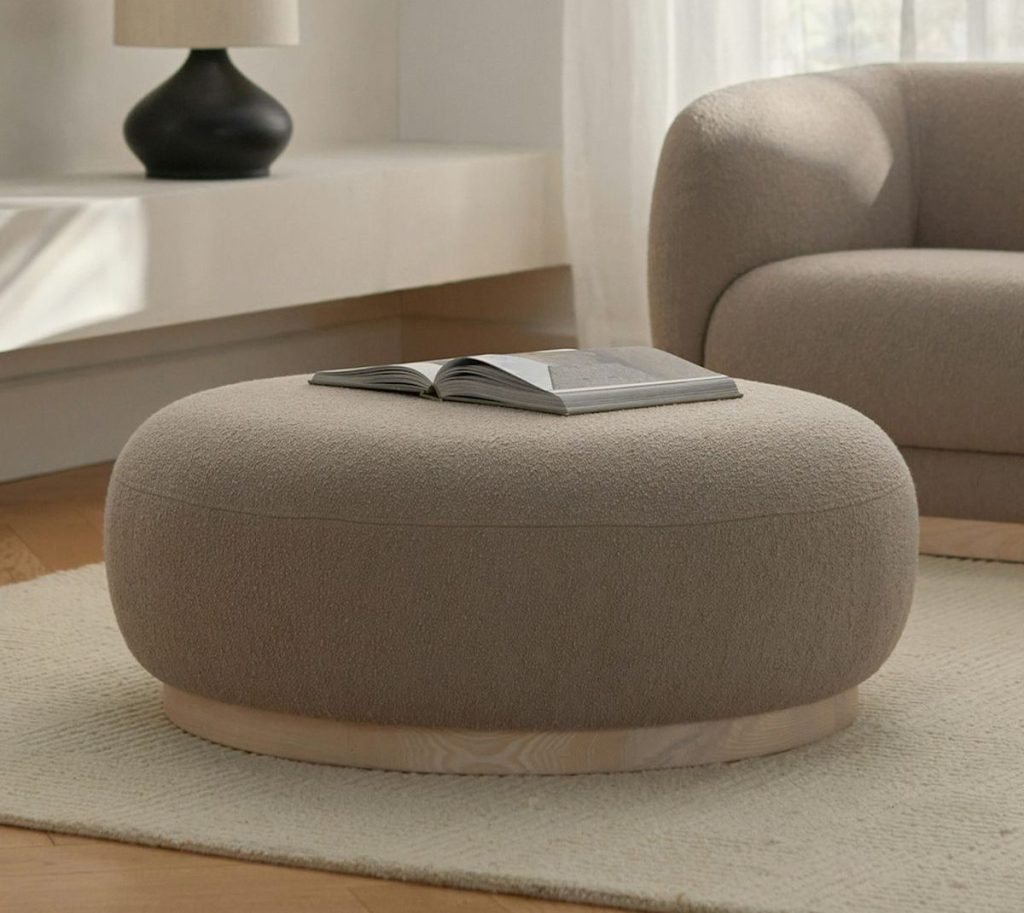
Are you confused about choosing between a pouf and an ottoman for your living space? You’re not alone.
Both pieces add style and comfort, but they serve different purposes that can change how your room feels and functions. Understanding the difference can help you pick the perfect item that matches your needs and enhances your home. Keep reading to discover what sets a pouf apart from an ottoman—and why knowing this could transform your space in ways you didn’t expect.
Pouf Basics
Understanding the basics of a pouf helps you decide if it fits your space better than an ottoman. Poufs are versatile, cozy, and often add a casual vibe to any room. They come in different styles and uses, making them a popular choice for flexible seating and decor.
Design And Shape
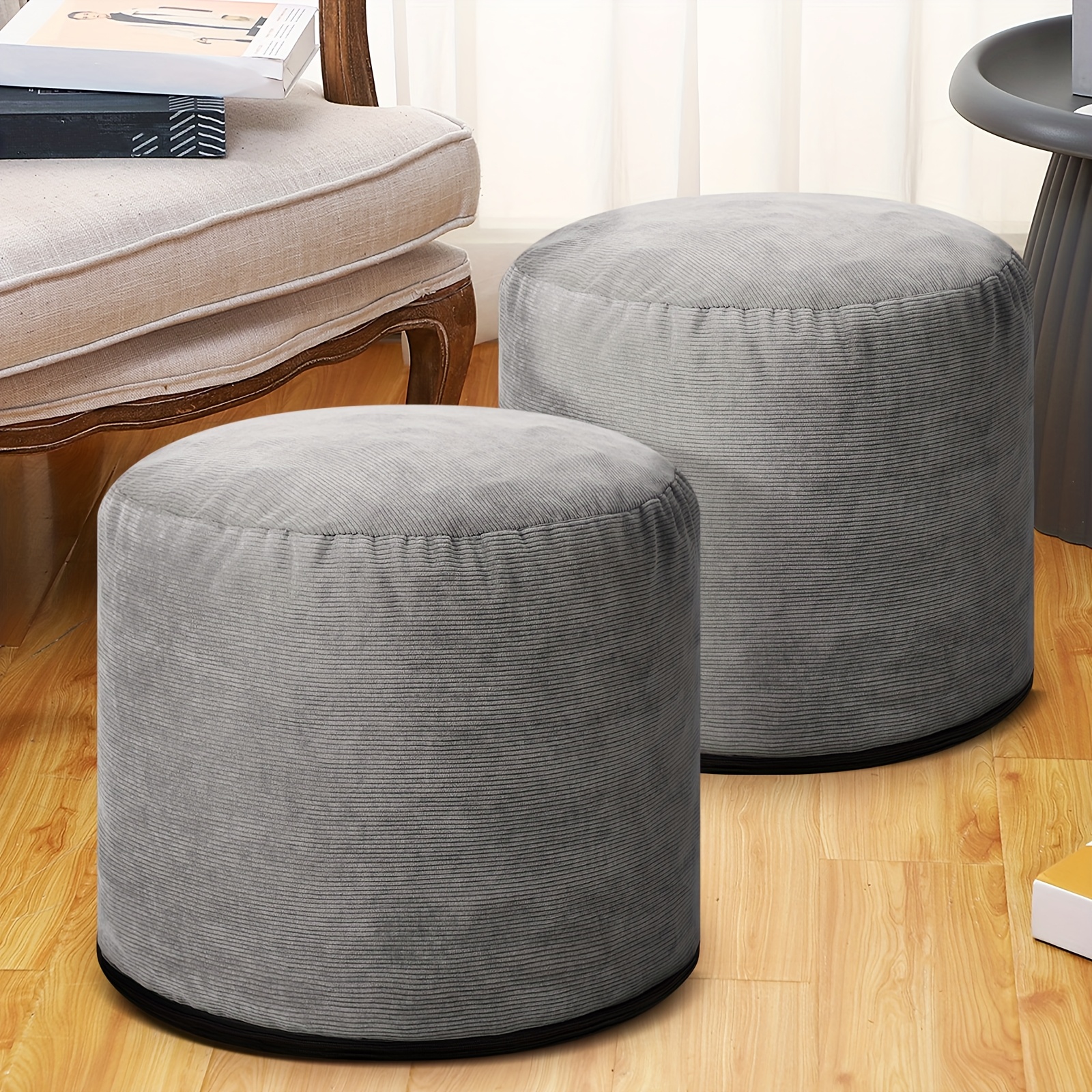
Poufs typically have a soft, rounded design that invites you to sink in. Unlike ottomans, which often have a solid frame, poufs are usually pillow-like and lightweight. You’ll find them in shapes like cubes, cylinders, or even irregular forms that add a fun touch to your room.
Materials Used
Poufs are made from a wide variety of fabrics such as cotton, wool, leather, or knitted yarn. Many come stuffed with beads, foam, or polyester filling, which makes them easy to move around. Their materials often give a handmade, artisanal feel that can warm up your living space.
Common Uses
People use poufs as extra seating, footrests, or even low tables when paired with a tray. They are perfect for casual lounges, kids’ rooms, or anywhere you want a relaxed atmosphere. Have you considered how a pouf could replace bulky chairs and instantly make your room feel more inviting?
Ottoman Essentials
Ottomans are versatile pieces of furniture found in many homes. They add comfort and style to living spaces. Understanding their essentials helps in choosing the right one.
Structure And Form
Ottomans have a solid frame made of wood or metal. They often feature a flat, cushioned top for sitting or resting feet. Some models include storage space inside. Shapes vary from square to round or rectangular. Their sturdy build supports weight well.
Material Choices
Common fabrics for ottomans include leather, velvet, and linen. These materials offer durability and comfort. Leather adds a classic look, while velvet feels soft and plush. Linen gives a casual, breathable finish. Filling usually consists of foam or polyester for softness.
Functional Roles
Ottomans serve many purposes in a room. They can act as extra seating during gatherings. Some double as coffee tables with a tray on top. Storage ottomans help keep spaces tidy by hiding items inside. They also provide a comfortable footrest. Their multifunctional nature adds value to any space.
Comparing Poufs And Ottomans
Understanding the differences between poufs and ottomans can help you choose the right piece for your living space. Both add comfort and style but serve slightly different purposes. Let’s compare them across key features to see which fits your needs best.
Size And Weight Differences
Ottomans tend to be larger and heavier than poufs. They often have a solid frame inside, which gives them more structure and weight.
Poufs, on the other hand, are usually smaller and lighter. They are often made from soft materials filled with beads or foam, making them easy to move around.
Think about how often you’ll want to shift your furniture. Do you need something stable or more portable? This can guide your choice between the two.
Style Variations
Ottomans come in a wide range of styles, from classic leather pieces to contemporary fabric options. Their design often complements sofas and armchairs, creating a cohesive look.
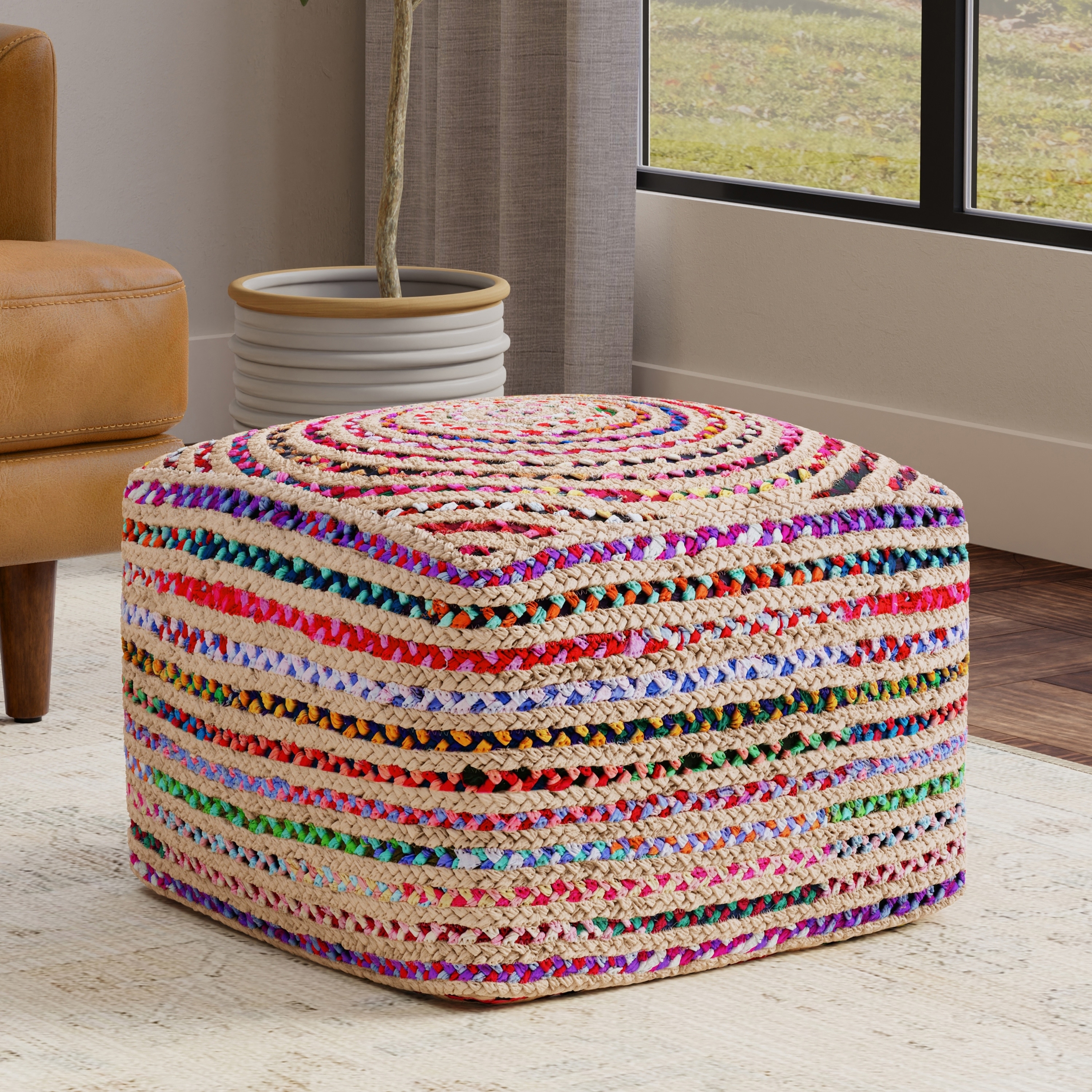
Poufs offer more playful and casual styles. You’ll find them in vibrant colors, patterns, and textures like knitted, embroidered, or woven fabrics.
Which style matches your room’s vibe better? Poufs can add a pop of personality, while ottomans often blend smoothly with existing furniture.
Versatility In Use
Ottomans are multifunctional. Besides serving as footrests, many have hidden storage, making them practical for stashing blankets or magazines.
Poufs mostly act as extra seating or footrests. Their lightweight nature means you can easily move them to different rooms or use them as small side tables with a tray on top.
Consider how you like to use your furniture. Do you want storage and stability, or flexibility and ease of movement? Your daily habits will help you decide which option adds the most value to your space.
Credit: www.temu.com
Choosing Between Pouf And Ottoman
Poufs are soft, round, and usually made from fabric, while ottomans are sturdier with a flat top and often have storage inside. Both offer extra seating or footrests, but ottomans tend to be more structured and multifunctional. Choosing depends on style and use needs.
Choosing between a pouf and an ottoman can be challenging. Both are stylish and functional. They bring unique qualities to any living space. Understanding their differences helps in making a choice.Space Considerations
Consider the size of your room. Poufs are compact and fit in tight spaces. They are lightweight and easy to move. Ottomans, usually larger, need more room. Choose based on the available space in your room.Decor Style Match
Think about your decor style. Poufs offer a casual and relaxed look. They come in various textures and colors. Ottomans add a touch of elegance. They often have more structured designs. Select what complements your existing decor.Practical Needs
Consider your practical needs. Poufs are great for extra seating. They are soft and comfortable. Ottomans can serve as coffee tables. Some have storage, adding functionality. Decide based on how you plan to use the item.Care And Maintenance Tips
Proper care keeps poufs and ottomans looking fresh and lasting longer. Both pieces need regular attention to maintain their shape and color. Small efforts in cleaning and repair help preserve their charm and function.
Cleaning Techniques
- Vacuum fabric surfaces gently to remove dust and debris.
- Spot clean spills immediately using mild soap and water.
- For leather poufs or ottomans, use a damp cloth and leather cleaner.
- Avoid harsh chemicals that can damage fabric or finish.
- Use a soft brush to clean textured or woven materials.
Durability Factors
- Choose materials like leather or dense fabric for longer use.
- Check the frame strength; solid wood frames last longer than particleboard.
- Keep poufs and ottomans out of direct sunlight to prevent fading.
- Rotate cushions or covers regularly to avoid uneven wear.
- Avoid placing heavy objects on top to maintain shape.
Repair Options
- Patch small tears in fabric with matching material and fabric glue.
- Replace damaged stuffing to restore firmness and comfort.
- Fix loose stitching by sewing with strong thread.
- Consult a professional for repairing broken frames or legs.
- Regularly tighten screws or bolts to keep ottomans stable.

Credit: georgefurniture.com
Credit: www.bedbathandbeyond.com
Frequently Asked Questions
What Is A Pouf Used For In Home Decor?
A pouf serves as a versatile piece for seating, footrest, or decoration. It adds texture and style to any room. Poufs are lightweight and easy to move, making them practical for small spaces and casual settings.
How Does An Ottoman Differ From A Pouf?
An ottoman is usually sturdier and often includes storage space inside. It can function as a coffee table, footrest, or extra seating. Poufs are typically softer, round, and lack internal storage, focusing more on aesthetics and comfort.
Can A Pouf Be Used As Extra Seating?
Yes, poufs provide comfortable extra seating in living rooms or bedrooms. They are lightweight, making them easy to reposition for guests. Poufs work well in casual and cozy settings due to their soft structure.
Are Ottomans Good For Storage Purposes?
Many ottomans offer hidden storage, ideal for blankets, toys, or magazines. This dual function helps save space in smaller homes. Poufs generally do not have storage capabilities, focusing more on style and comfort.
Conclusion
Poufs and ottomans both add style and comfort to rooms. Poufs are soft, round, and easy to move. Ottomans often have storage and a firm top. Each serves different needs in your home. Choose the one that fits your space best.
Both pieces bring warmth and function. Small details make a big difference in decor. Now, you can pick wisely for your living area. Simple and practical options work well anywhere. Enjoy adding comfort with a pouf or ottoman.



