
Have you ever stopped to think about how often you replace your bath pouf? It might seem like a small detail, but using an old, worn-out pouf can affect your skin and overall hygiene.
You use it every day, yet it can hide bacteria and dead skin cells that you don’t want lingering on your body. Knowing when to swap it out can make a big difference in your bathing routine and skin health.
Keep reading to find out exactly how often you should replace your bath pouf and why it matters more than you might think.
Signs You Need A New Bath Pouf
Knowing when to replace your bath pouf is important for hygiene and skin care. A worn-out pouf can harbor bacteria and cause skin problems. Watch for clear signs that your bath pouf needs changing. These signs help keep your bathing routine fresh and safe.
Visible Wear And Tear
Look closely at your bath pouf. If the mesh is torn or frayed, it is time to replace it. Loose threads and holes reduce its cleaning power. A damaged pouf can also trap dirt and germs more easily.
Unpleasant Odors
A bad smell coming from your bath pouf shows bacteria growth. Even after washing, persistent odors mean it is no longer clean. Using a smelly pouf can irritate your skin and cause infections.
Change In Texture
Notice if your bath pouf feels different. If it becomes rough, hard, or slimy, throw it away. A change in texture often means soap residue and bacteria buildup. A soft and clean pouf works best for gentle exfoliation.
Credit: health.clevelandclinic.org
Health Risks Of Old Bath Poufs
Bath poufs are a staple in many showers, offering a gentle scrub and a rich lather. Yet, their frequent use in a damp environment makes them a breeding ground for unwanted guests. Ignoring the signs of wear and tear can lead to significant health risks, turning your relaxing shower into a potential hazard. Let’s dive into the specific dangers lurking in old bath poufs.
Bacteria And Mold Growth
Old bath poufs are perfect homes for bacteria and mold. The combination of moisture, dead skin cells, and soap residue creates an ideal environment for these microorganisms. Over time, your pouf can harbor harmful bacteria like E. coli and Staphylococcus. Have you ever noticed a musty smell from your pouf? That’s a sign of mold growth, which can be harmful to your respiratory health.
Skin Irritations And Infections
Using a bath pouf past its prime can lead to skin irritations and infections. The rough texture of an old pouf can cause micro-tears on your skin, making it easier for bacteria to enter. This can result in rashes, redness, or even more severe infections. Have you experienced unexplained skin issues recently? Your bath pouf might be the culprit.
Replacing your bath pouf regularly can help prevent these health risks. So, how often should you make the switch? Experts suggest every three to four weeks. This simple habit can ensure your shower routine remains a safe and refreshing experience.
Recommended Replacement Frequency
Knowing how often to replace your bath pouf can save you from skin issues and keep your shower routine fresh. The recommended replacement frequency depends on several factors, but there are general guidelines you can follow to maintain hygiene and effectiveness.
General Guidelines
Most experts suggest replacing your bath pouf every 3 to 4 weeks. This timeframe helps prevent bacteria and mold buildup, which thrive in wet environments. If you notice any unpleasant smell, discoloration, or fraying sooner, it’s a clear sign to swap it out.
Think about your own experience: have you ever kept a bath pouf too long and ended up with irritated skin? Changing it regularly can help you avoid that discomfort.
Factors That Affect Replacement Time
- Frequency of Use:If you shower daily, your bath pouf wears out faster and needs more frequent replacement.
- Drying Conditions:Poufs that dry quickly in a well-ventilated area last longer than those that stay damp.
- Material Quality:Higher-quality poufs might last a bit longer, but they still need regular replacement.
- Personal Skin Sensitivity:If your skin reacts to your bath pouf, consider replacing it more often to avoid irritation.
Ask yourself: Are you storing your pouf in a place where it dries properly? Small changes in care can extend its life and protect your skin.
Credit: rawsugarliving.com
Tips To Extend Bath Pouf Lifespan
Extending the lifespan of your bath pouf is easier than you might think. Small habits can make a big difference in keeping it fresh and durable. Let’s look at some practical tips that help you get the most out of your bath pouf without compromising hygiene.
Proper Drying Techniques
After each use, squeezing out excess water is crucial. But simply wringing it out isn’t enough.
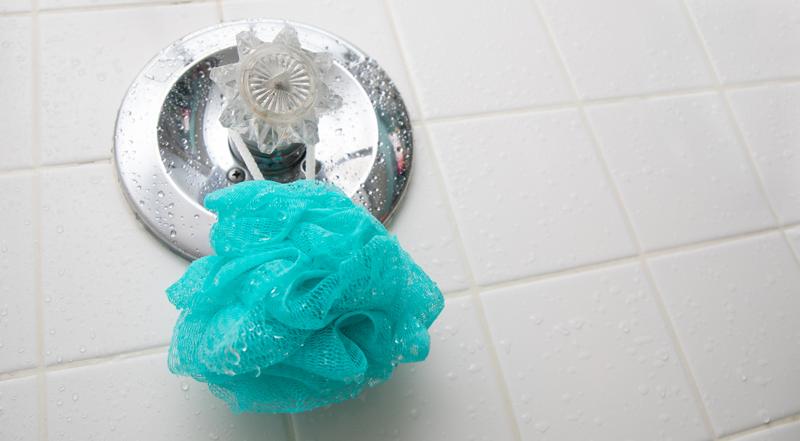
- Hang your pouf in a well-ventilated area where air can circulate freely.
- Avoid leaving it in a damp, enclosed space like the shower stall or a closed cabinet.
- Consider using a hook or a suction cup holder to keep it away from wet surfaces.
Have you noticed how a wet pouf left in a shower corner starts to smell quickly? Proper drying prevents mold and bacteria buildup, which not only shortens the pouf’s life but also affects your skin.
Regular Cleaning Methods
Cleaning your bath pouf regularly is just as important as drying it properly. Skipping this step can lead to grime and germs settling deep into the fibers.
- Rinse thoroughly after each use to remove soap residue and dead skin cells.
- Once a week, soak it in a mixture of warm water and white vinegar for 5-10 minutes to disinfect.
- Alternatively, you can wash it gently by hand with mild detergent, then rinse and dry thoroughly.
Does your bath pouf feel rough or look discolored? That’s a sign it’s time to clean or replace it. Keeping it clean not only preserves its texture but also protects your skin from irritation.
Choosing The Right Bath Pouf
Choosing the right bath pouf can improve your shower experience. A good pouf cleans skin gently and lasts longer. Picking the best material and understanding care tips helps maintain hygiene. This section covers material options and durability factors to guide your choice.
Material Options
Bath poufs come in various materials. Each offers a different feel and cleaning effect.
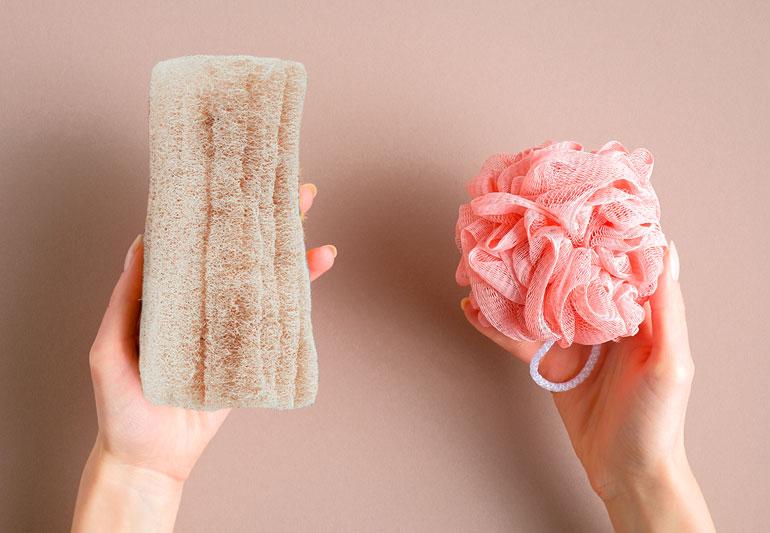
- Mesh Nylon:Common and affordable. Creates rich lather quickly. Dries fast to avoid bacteria.
- Natural Loofah:Made from plant fibers. Exfoliates skin well. Biodegradable and eco-friendly.
- Silicone:Soft and non-porous. Easy to clean. Resists mold and bacteria growth.
- Cotton:Gentle on skin. Less common but biodegradable. Needs careful drying.
Choose based on your skin type and personal preference.
Durability And Care
Durability depends on material quality and care habits. Regular cleaning extends pouf life.
- Rinse thoroughly after use to remove soap and dirt.
- Hang in a dry place to prevent mold and mildew.
- Replace synthetic poufs every 3 to 4 weeks.
- Natural loofahs last longer but need drying after each use.
- Silicone poufs can last months with proper cleaning.
Proper care ensures a clean, safe bath pouf and healthy skin.
Credit: health.clevelandclinic.org
Frequently Asked Questions
How Often Should You Replace A Bath Pouf?
Replace your bath pouf every 3 to 4 weeks. This prevents bacteria buildup and keeps your skin healthy. Frequent replacement ensures cleanliness and reduces the risk of skin infections.
What Signs Show A Bath Pouf Needs Replacing?
A bath pouf needs replacing if it smells bad, looks worn, or feels slimy. These signs indicate bacteria growth and reduced effectiveness. Regularly check your pouf to maintain hygiene and skin safety.
Can Using An Old Bath Pouf Cause Skin Issues?
Yes, an old bath pouf can cause skin irritation and infections. Bacteria and mold thrive in damp, used poufs. Replacing it regularly helps avoid these skin problems and promotes better hygiene.
How To Extend The Life Of A Bath Pouf?
To extend your bath pouf’s life, rinse and dry it thoroughly after each use. Store it in a dry, ventilated area to prevent mold. Clean it weekly with vinegar or bleach solution to reduce bacteria.
Conclusion
Replacing a bath pouf regularly keeps your skin clean and healthy. Old poufs can hold bacteria that cause irritation. Change it every three to four weeks for best results. Using a fresh pouf helps remove dead skin better. It also prevents bad smells and mold growth.
Keep your bathing routine safe and fresh. Small habits like this make a big difference. Stay comfortable and enjoy your shower every day.



