
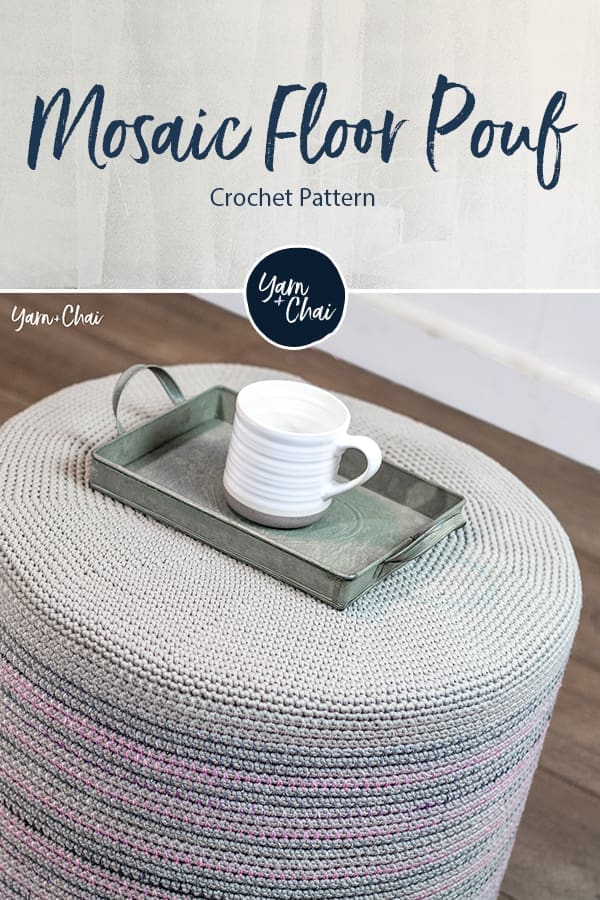
Have you ever wondered what makes a pouf so comfy and stylish? Whether you use it as a footrest, extra seating, or a decorative piece, what you put inside your pouf matters a lot.
Choosing the right filling can change how your pouf feels, how it lasts, and even how it looks. You’ll discover the best materials to fill your pouf with, so you can enjoy maximum comfort and durability. Keep reading—you’re about to find out exactly what your pouf needs to become your favorite spot in the room.
Types Of Pouf Fillings
Choosing the right filling for your pouf can change how it feels and lasts. Different materials offer different levels of comfort, support, and sustainability. Knowing the types of pouf fillings helps you pick what fits your space and lifestyle best.
Natural Fillings
Natural fillings like cotton, wool, or feathers provide a soft and breathable feel. They tend to be eco-friendly and can add a cozy touch to your pouf. However, they might require more care to avoid clumping or allergens.
Hemp and buckwheat hulls are also popular natural options. Buckwheat, for example, molds to your body, offering firm support that’s great if you prefer a pouf that holds shape well. Have you ever tried sitting on something that adjusts perfectly to your posture?
Synthetic Fillings
Synthetic fillings include foam beads, polyester fiberfill, and memory foam. These materials often provide consistent support and are easy to maintain. Foam beads, in particular, allow your pouf to stay lightweight and moldable.
Memory foam offers excellent comfort by contouring to your body, making it ideal for long seating sessions. The downside? Some synthetics can trap heat or feel less breathable. Would you trade a bit of breathability for extra cushioning?
Recycled Materials
Recycled fillings are gaining popularity as eco-conscious choices. Old fabric scraps, shredded foam from other products, or recycled plastic beads can be used to stuff your pouf. These options reduce waste and give new life to materials that would otherwise end up in landfills.
Using recycled materials might affect the texture and durability of your pouf, but it’s a meaningful way to contribute to sustainability. Would you consider a pouf filling that supports environmental responsibility?
Foam Options For Poufs
Choosing the right foam for a pouf affects comfort and durability. Foam types vary in softness, support, and shape retention. Understanding these options helps pick the best filling for your needs.
Memory Foam
Memory foam molds to the body shape for personalized comfort. It offers excellent pressure relief and support. This foam returns slowly to its original form after use. Great for relaxing, it adds a plush feel to poufs.
High-density Foam
High-density foam provides firm support and holds its shape well. It is durable and resists sagging over time. This foam is ideal for poufs used as extra seating. Its firmness ensures long-lasting structure and comfort.
Shredded Foam
Shredded foam consists of small foam pieces packed inside the pouf. It offers flexibility and allows easy adjustment of firmness. This filling is lightweight and breathable. Perfect for poufs that need a soft but supportive feel.
Bead And Pellet Fillings
Bead and pellet fillings offer soft support and shape to poufs, making them comfortable and lightweight. These tiny beads fill the inside, allowing the pouf to mold to your body easily. Ideal for casual seating, they help keep the pouf flexible and durable.
Bead and pellet fillings are popular choices for stuffing poufs due to their versatility and comfort. They provide a plush seating experience while maintaining shape and structure. Understanding the different types of beads can help you choose the perfect filling for your pouf.Polystyrene Beads
Polystyrene beads are lightweight and affordable. They are often used in bean bags and poufs for their cushioning effect. These beads are resistant to moisture, making them a great option for humid environments. However, they may compress over time, so consider adding more beads to maintain comfort. Ensure your pouf is stitched tightly to prevent any leakage. What do you think about the longevity of polystyrene beads in your home?Microbeads
Microbeads offer a finer and smoother texture compared to traditional polystyrene beads. They create a more luxurious feel when seated. This is ideal if you prefer a denser and firmer support in your pouf. Due to their small size, microbeads can fill every nook and cranny of your pouf, offering a uniform appearance. They might be slightly more expensive, but the comfort is often worth the cost. How important is the tactile experience to you?Eco-friendly Beads
Eco-friendly beads are crafted from biodegradable materials, offering a sustainable alternative. They are perfect for those who are environmentally conscious. These beads often come from recycled or natural sources. Though they might not be as lightweight as polystyrene, they still provide excellent support and comfort. Choosing eco-friendly beads contributes to a greener planet. Have you considered how your choices impact the environment? Selecting the right bead filling can transform your pouf into a cozy and stylish piece. Each type has its benefits, so evaluate what matters most to you—be it comfort, cost, or sustainability. Which bead will you choose for your pouf?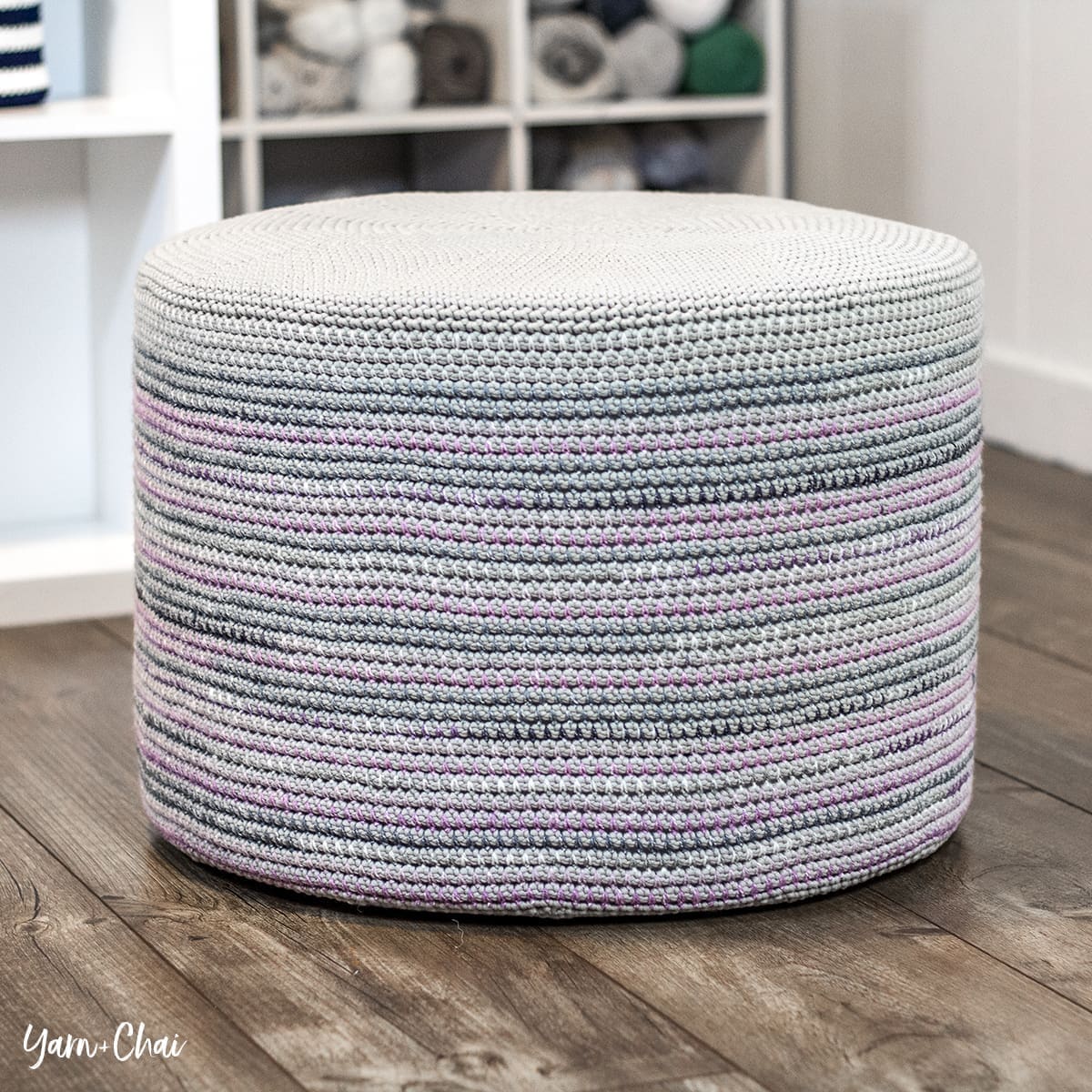
Credit: yarnandchai.com
Fiber And Cotton Fillings
Choosing the right filling for your pouf can change how it feels and lasts. Fiber and cotton fillings offer a range of textures and support levels. Understanding their differences helps you pick what suits your comfort and style best.
Polyester Fiberfill
Polyester fiberfill is a popular choice for poufs because it is soft and lightweight. It holds its shape well, giving your pouf a fluffy, cushiony feel that’s perfect for casual seating.
One benefit is that it resists moisture and dries quickly, making it easy to maintain. If you want a pouf that stays plush without getting flat, polyester fiberfill is a solid option.
Cotton Batting
Cotton batting provides a natural, breathable filling that feels firm yet comfortable. It’s an excellent choice if you prefer an eco-friendly material that allows airflow, keeping the pouf cool.
However, cotton can compress over time, so you might need to fluff or replace it occasionally. Have you noticed how a cotton-filled pillow softens with use? The same happens with poufs, adding character to your space.
Wool Stuffing
Wool stuffing brings a dense, resilient feel to a pouf, offering excellent support. It’s naturally moisture-wicking and resistant to dust mites, which makes it a great option if allergies concern you.
Wool can also regulate temperature, keeping your pouf cozy in winter and cool in summer. Are you looking for a filling that combines durability with natural benefits? Wool might be the perfect fit.
Unique Filling Ideas
Choosing the right filling for your pouf can change its comfort and style. Unique filling ideas bring personality and function to your space. They also offer creative ways to reuse materials or try natural options. Explore different fillings to find the best fit for your needs and taste.
Bean Bag Fillings
Bean bag fillings are lightweight and mold easily to your body. They provide soft support and make your pouf very comfortable. Common bean bag fillings include:
- Polystyrene beads – small, round, and lightweight
- Microbeads – finer and smoother for a silky feel
- Foam chunks – provide extra cushioning and durability
These fillings allow easy movement and are perfect for casual seating.
Old Clothes And Fabric Scraps
Using old clothes or fabric scraps is an eco-friendly way to fill your pouf. It adds softness and can reduce waste. Simply cut the fabric into small pieces or roll old t-shirts and sweaters tightly. Benefits include:
- Cost savings by reusing materials
- Varied textures for a cozy feel
- Easy to replace or adjust the filling
This option works well for a firm yet cushioned pouf.
Natural Fillers Like Buckwheat Hulls
Buckwheat hulls are natural, sustainable, and offer firm support. They conform to body shape while staying breathable. Other natural fillers include rice hulls or dried beans. Advantages of natural fillers:
- Hypoallergenic and eco-friendly
- Good airflow prevents heat buildup
- Durable and biodegradable
Natural fillers create a unique texture and support for your pouf.
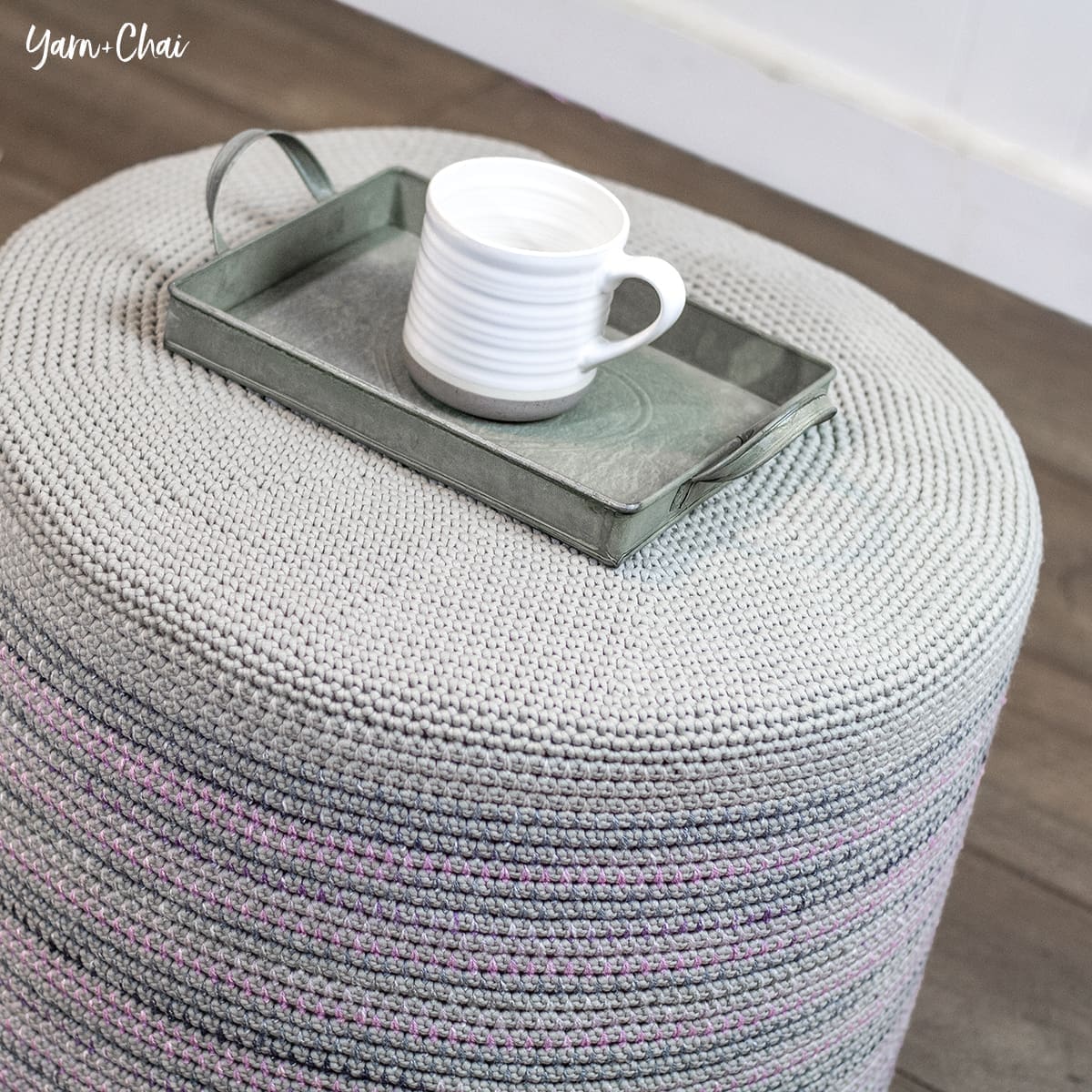
Credit: yarnandchai.com
Choosing Fillings For Comfort
Choosing the right filling for your pouf shapes how comfortable it feels and how well it holds up over time. Comfort isn’t just about softness; it’s about finding the right balance with support. You want a filling that suits your daily use, whether you’re resting your feet or using the pouf as extra seating.
Support And Softness Balance
Too soft, and your pouf might collapse under you; too firm, and it won’t feel cozy. Many people overlook this balance and end up uncomfortable. Think about how you will use your pouf—do you want it to mold to your body or keep its shape?
Materials like shredded memory foam offer great softness but still provide support. On the other hand, foam beads or buckwheat hulls give firmer support but may feel less cushy. Mixing different fillings can help you get the best of both worlds.
Durability Factors
How long you want your pouf to last should guide your filling choice. Some materials compress quickly and lose their shape, while others bounce back after use. For example, polystyrene beads are lightweight and affordable but tend to flatten faster than shredded foam.
Consider the frequency of use too. A pouf used daily needs a more durable filling than one used occasionally. You might also want to test small samples of fillings to see how they respond after sitting or resting your feet for a while.
Allergy Considerations
It’s important to pick a filling that won’t trigger allergies, especially if you or your family are sensitive. Natural fillings like buckwheat hulls can be hypoallergenic but might attract dust if not properly maintained. Synthetic materials like polyester fiberfill are often treated to resist allergens.
Ask yourself: Does anyone in your home have allergies or asthma? If yes, look for fillings labeled as hypoallergenic or anti-mite. Regular cleaning and using a removable pouf cover can also reduce allergy risks.
Filling Maintenance Tips
Keeping your pouf’s filling in good shape is key to comfort and durability. Regular care can prevent lumps and sagging, making your pouf feel like new for longer. Let’s dive into simple tips that help you maintain the filling effectively.
Refilling Poufs
Over time, your pouf’s filling might compress or spill out, leaving it less supportive. Check the filling level every few months to see if it needs topping up. Use matching materials like polystyrene beads or foam scraps, depending on what your pouf originally had.
When refilling, avoid overstuffing; too much filling can make the pouf hard and uncomfortable. Instead, add small amounts gradually and test the firmness as you go. This approach helped me avoid a lumpy mess after my first refill attempt.
Cleaning Different Fillings
Each pouf filling type calls for different cleaning methods. For example, foam fillings can be spot-cleaned with a mild detergent and water, but avoid soaking them to prevent damage. Polystyrene beads need gentle vacuuming to remove dust without crushing them.
If your pouf has a removable cover, washing it regularly can reduce dirt buildup inside. Have you ever noticed how a clean cover can make the whole pouf feel fresher? Don’t forget to air out the filling occasionally to prevent odors.
Extending Lifespan
Rotate your pouf regularly to distribute wear evenly and avoid flat spots. Keeping it away from direct sunlight and moisture also protects the filling from breaking down prematurely. Using a pouf as a footrest rather than a seat can reduce stress on the filling.
Small habits like these add up to longer-lasting comfort. What small change can you make today to keep your pouf feeling cozy tomorrow?
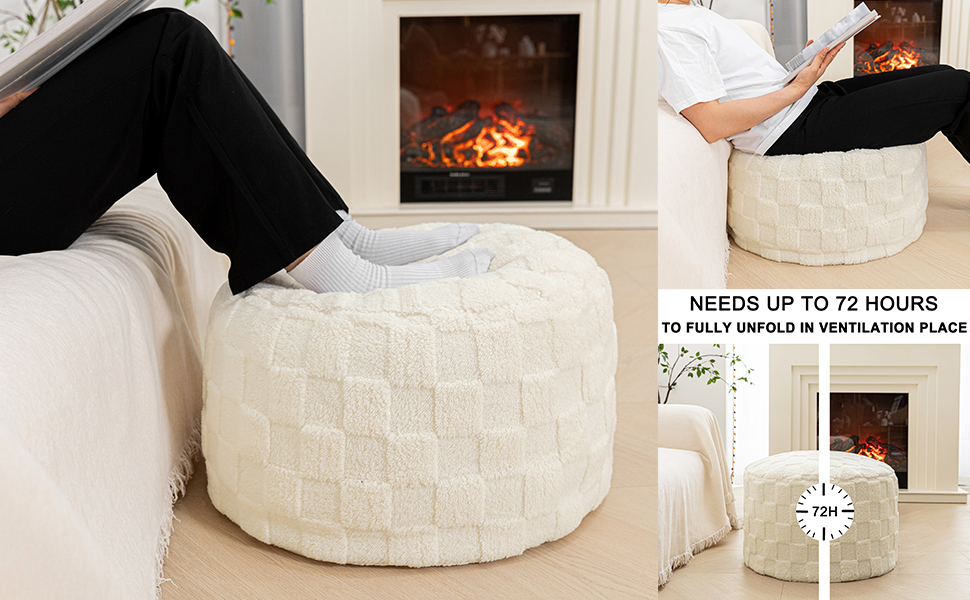
Credit: www.amazon.com
Frequently Asked Questions
What Materials Can Fill A Pouf?
Poufs are commonly filled with foam beads, polyester fiber, or shredded memory foam. These materials provide softness and shape retention. Some also use recycled fabrics or natural fillers for eco-friendliness. The choice depends on comfort preference and durability needs.
How Much Stuffing Is Needed For A Pouf?
The amount of stuffing depends on pouf size and firmness preference. Typically, 3 to 5 pounds of filling works for standard poufs. Add gradually to avoid overstuffing, which can make the pouf too hard. Adjust as needed for desired comfort.
Can You Use Old Clothes To Fill A Pouf?
Yes, old clothes can be shredded and used as pouf filling. This is a budget-friendly and eco-friendly option. However, ensure the fabric is clean and dry to prevent odors or mold growth. It may provide a firmer feel than foam.
Is It Safe To Use Foam Beads In A Pouf?
Foam beads are safe for pouf filling if sourced from reputable suppliers. They offer lightweight comfort and mold easily. Avoid using beads that contain harmful chemicals or are prone to leakage. Always check for non-toxic certifications for indoor use.
Conclusion
Choosing the right filling makes your pouf comfy and durable. Common options include foam beads, shredded foam, or natural fibers. Each filling offers different support and texture. Think about how you will use the pouf daily. Soft fillings suit relaxation, firmer ones work for seating.
Keep your space and budget in mind too. Filling your pouf properly ensures long-lasting comfort and style. Experiment with different materials to find what feels best. A well-filled pouf adds charm and function to any room.



