
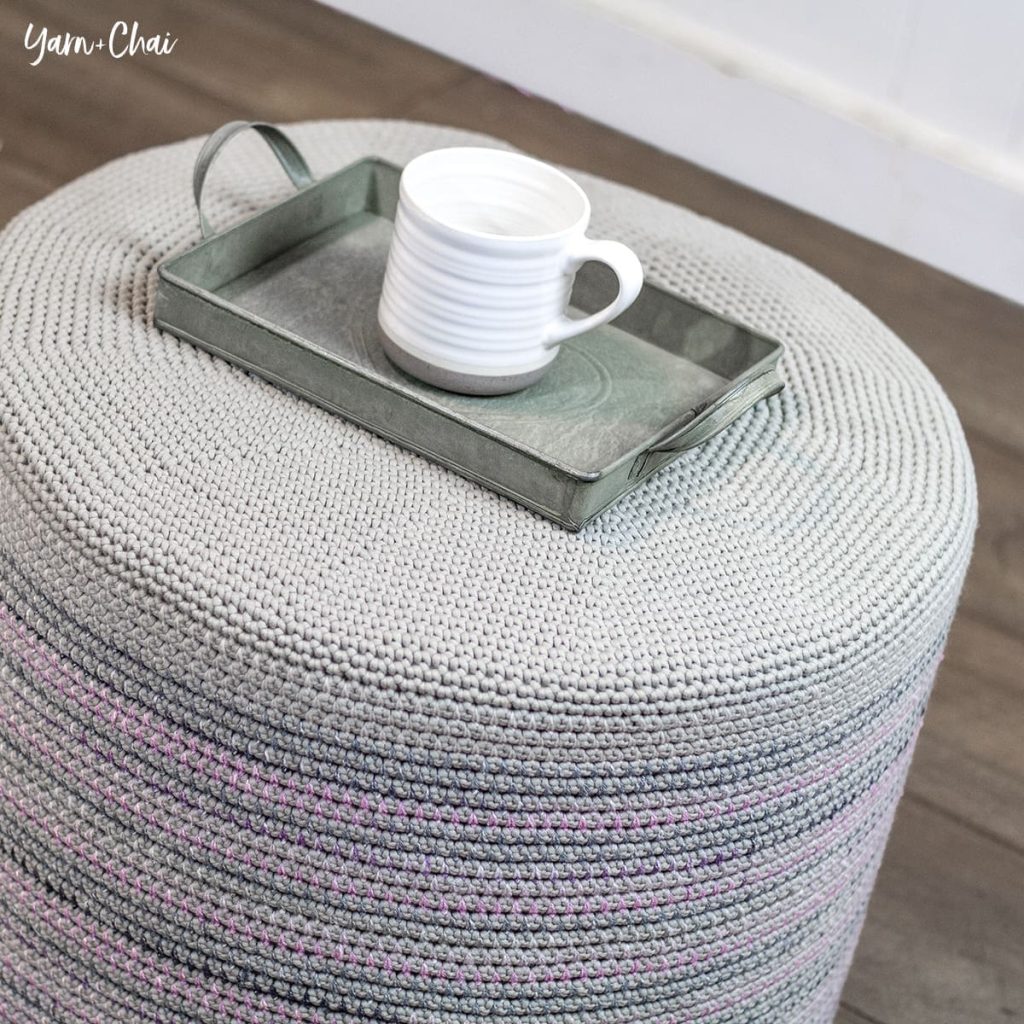
Are you thinking about adding a pouf ottoman to your space but unsure what materials to use? Choosing the right material can make your pouf stylish, comfy, and long-lasting.
Whether you want something soft to rest your feet on or a sturdy piece that doubles as extra seating, the options you pick will shape how your pouf looks and feels. Keep reading, and you’ll discover simple, smart ideas that help you create the perfect pouf ottoman tailored just for you.
Popular Fabric Choices
Choosing the right fabric for your pouf ottoman can change the entire vibe of your room. The fabric affects not only the look but also how the pouf feels and lasts over time. Let’s look at some popular choices that blend style and function effortlessly.
Cotton And Linen
Cotton and linen offer a natural, breathable option that feels soft under your hands. They are perfect if you want a casual, laid-back look that fits well in any room. Plus, these fabrics come in a wide range of colors and patterns, making it easy to match your existing decor.
Keep in mind, though, cotton and linen can wrinkle and stain more easily than other fabrics. You might want to choose a blend or a treated version if durability is a priority. Have you noticed how these fabrics add a fresh and airy feel to your space?
Velvet And Suede
Velvet and suede bring a touch of luxury and softness to your pouf ottoman. Their plush texture invites you to sink your hands or feet into the fabric, adding an element of comfort. These fabrics work especially well in bedrooms or living rooms where coziness is key.
However, they can be a bit tricky to clean and may show wear faster in high-traffic areas. Think about how often your pouf will be used before picking these fabrics. Would you want your ottoman to be a statement piece or a practical everyday item?
Leather And Faux Leather
Leather and faux leather offer a sleek, modern look that’s easy to wipe clean. They’re ideal for busy households or spaces prone to spills and dirt. If you want a pouf that can handle rough use while looking stylish, this could be your best bet.
Real leather ages beautifully but can be pricey, while faux leather offers a budget-friendly alternative with similar aesthetics. Consider how much maintenance you’re willing to commit to when choosing between these two. Could a leather pouf become your go-to spot for quick seating or footrest?
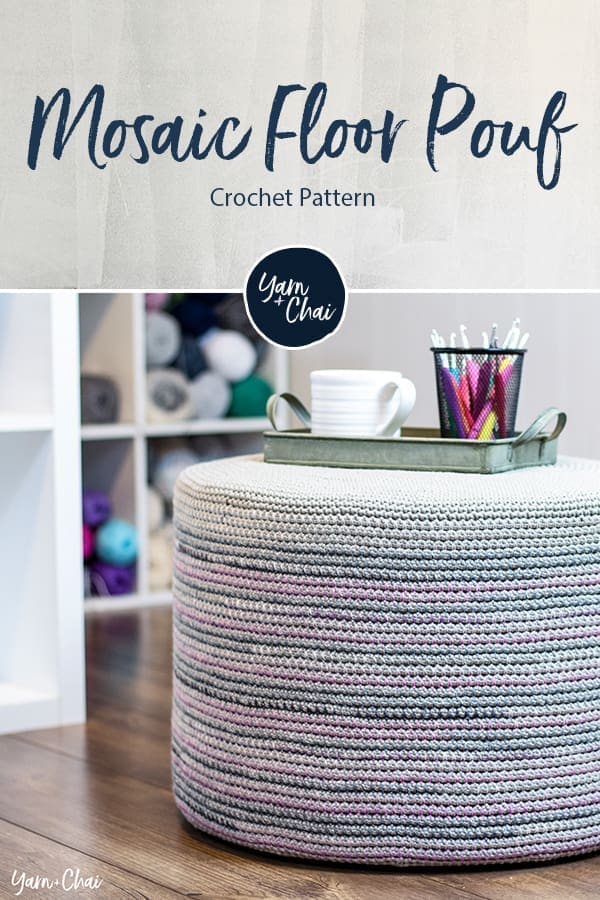
Credit: yarnandchai.com
Natural Material Options
Natural materials bring warmth and texture to pouf ottomans. These options offer durability and a cozy look. They fit well in many room styles, from rustic to modern. Choosing the right material helps create a comfortable and stylish piece.
Wool And Knitted Yarn
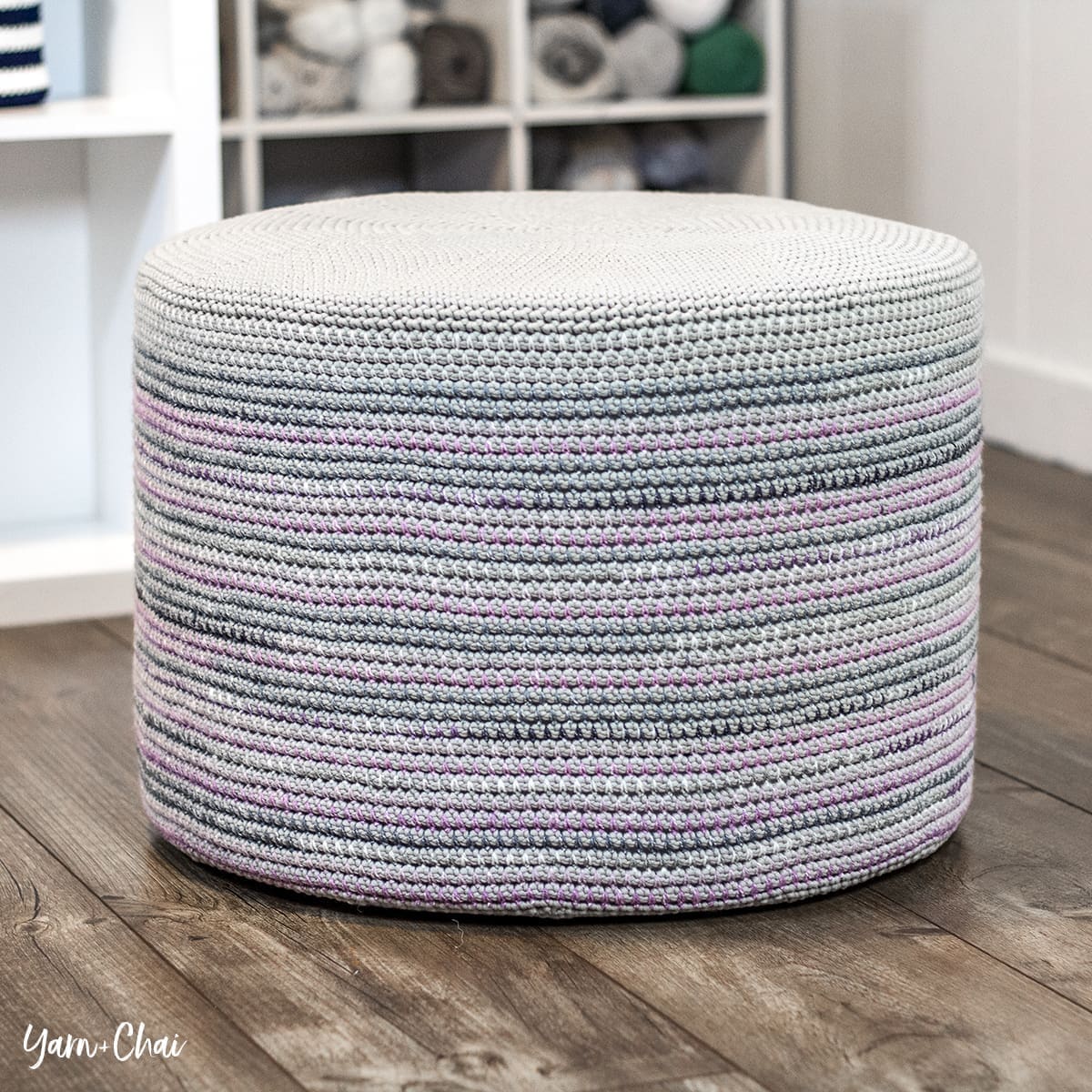
Wool is soft, warm, and durable. It feels great to touch and adds a cozy look. Knitted yarn poufs often have unique patterns and textures. They work well in living rooms and bedrooms. Wool resists dirt and is easy to clean with gentle care.
Jute And Hemp
Jute and hemp are strong, natural fibers. They create a rustic, earthy feel in a room. These materials are eco-friendly and biodegradable. Jute and hemp poufs are lightweight but sturdy. Their rough texture adds visual interest and a natural charm.
Rattan And Bamboo
Rattan and bamboo bring a tropical, airy vibe. They are lightweight and very durable. These materials are perfect for casual or outdoor spaces. Rattan and bamboo poufs often have a woven design. They provide good support and a stylish natural look.
Upcycled And Recycled Materials
Old fabric scraps and worn-out clothes can create a soft, colorful pouf ottoman. Using recycled wood or pallets adds sturdy support while helping the environment. Combining these materials offers a unique and eco-friendly seating option.
Upcycling and recycling materials offer creative ways to make a pouf ottoman. These sustainable choices not only help the environment but also add unique charm. Let’s explore some materials that can be transformed into stylish ottomans.Denim And Old Clothes
Denim is durable and stylish. Old jeans can be repurposed into a sturdy pouf cover. Cut squares from the jeans, then sew them together. This creates a patchwork design. It adds a rustic and cozy feel. Other old clothes also work well. T-shirts, skirts, or curtains can be cut and sewn. Mix different textures and colors for a vibrant look.Repurposed Leather Scraps
Leather scraps are perfect for a chic ottoman. Collect scraps from old bags or jackets. Patch them together for a unique cover. Leather adds elegance and durability. It’s easy to clean and lasts long. The natural variations in leather create a one-of-a-kind piece. This approach turns waste into a stylish home accessory.Recycled Plastic And Fabrics
Recycled plastic and fabrics offer eco-friendly options. Use fabric made from recycled bottles. It’s durable and available in various patterns. Fill the pouf with shredded plastic. This gives structure and comfort. Fabrics from old furniture can also be reused. They bring in vintage vibes. This method supports recycling and reduces landfill waste.Filling And Padding Ideas
Choosing the right filling and padding for your pouf ottoman can change how it feels and lasts. Comfort and durability go hand in hand, so picking materials that match your use is key. Whether you want a soft, plush look or a firm, supportive seat, your filling choice makes all the difference.
Foam And Polyester Fiberfill
Foam offers firm support and keeps its shape over time. High-density foam works great if you plan to use your pouf for sitting regularly. Polyester fiberfill adds softness and a bit of bounce, making the pouf feel cozy and inviting.
You can also combine both for a balance between comfort and sturdiness. Foam forms the core, while fiberfill cushions the edges, creating a plush yet supportive seat. Have you noticed how some poufs hold their shape perfectly? That’s usually foam at work.
Old Pillows And Cushions
Reusing old pillows and cushions is budget-friendly and eco-friendly. This option gives your pouf a lived-in, comfy vibe that’s hard to beat. Just unzip old cushions and stuff the filling inside your pouf cover.
Mix different types of pillow stuffing to create unique textures—down feathers for softness, foam pieces for firmness. Don’t throw away those worn-out pillows; they can breathe new life into your ottoman. What’s better than a project that saves money and reduces waste?
Natural Fillings Like Cotton Or Straw
Cotton batting provides a natural, breathable padding that’s gentle on the skin. It’s perfect if you want an eco-conscious pouf that feels fresh and light. Straw offers a rustic, firm base and works well if you want a vintage or farmhouse look.
Keep in mind straw might compress over time and need occasional refilling. Cotton, on the other hand, tends to stay fluffy longer but can be pricier. Would you prefer a filling that’s all-natural even if it requires a bit more care?
Decorative Embellishments
Decorative embellishments can transform a simple pouf ottoman into a standout piece that reflects your personal style. Choosing the right adornments allows you to add texture, color, and character, making your pouf not just functional but also a visual delight. Think about how these details can complement your existing décor or become a focal point in the room.
Embroidery And Patchwork
Embroidery brings a handcrafted charm to your pouf. You can add intricate patterns or simple designs to highlight a theme or cultural vibe. Patchwork is another creative option—it combines various fabric scraps, creating a colorful, textured look that feels warm and inviting.
Imagine a pouf covered with bright floral embroidery that ties in with your curtains or cushions. Wouldn’t that add a unique touch? If you like DIY projects, embroidery and patchwork let you personalize your ottoman without needing professional help.
Beads And Tassels
Beads and tassels add a playful and tactile element to your pouf. Small beaded details can catch the light, creating subtle sparkle, while tassels bring movement and a bohemian flair. These embellishments are perfect if you want your ottoman to stand out without overwhelming the space.
Consider attaching tassels at the corners or beaded trims along the edges. This approach can soften the shape and add a layer of fun. Have you noticed how even simple tassels can elevate everyday items, making them feel special?
Painted Or Printed Fabrics
Using painted or printed fabrics lets you introduce bold patterns or custom artwork to your pouf. Hand-painted designs offer a one-of-a-kind look, while printed fabrics provide endless options—from geometric shapes to nature-inspired prints. This choice is ideal if you want to inject color or tell a story through your décor.
Think about fabrics featuring botanical prints or abstract art that reflect your personality. These can make your pouf a conversation starter. What patterns or colors do you feel drawn to that could brighten your living space?

Credit: homeon129acres.com
Material Durability And Maintenance
Choosing the right material for a pouf ottoman affects its durability and ease of care. Some fabrics wear out faster, while others need special cleaning methods. Understanding how different materials hold up and how to maintain them helps keep your pouf looking fresh and lasting longer.
Cleaning Tips For Different Fabrics
Each fabric needs a specific cleaning approach to avoid damage. For cotton or linen, spot clean with mild soap and water. Velvet requires gentle brushing and dry cleaning. Leather can be wiped with a damp cloth and treated with leather conditioner. Synthetic fabrics like polyester resist stains and can be cleaned with mild detergent. Always test cleaning solutions on a hidden spot first.
Wear Resistance And Longevity
Natural fibers like wool and leather last longer but may show wear if not cared for. Synthetic materials resist stains and abrasion better but can fade under direct sunlight. Tight weaves tend to be more durable than loose ones. Foam filling affects comfort and shape retention. High-density foam offers better support and longer use.
Suitability For Indoor Vs Outdoor Use
Outdoor poufs need weather-resistant fabrics like acrylic or treated polyester. These materials resist moisture, mildew, and UV rays. Indoor fabrics focus more on comfort and style, such as velvet or cotton blends. Avoid delicate materials outdoors to prevent quick damage. Consider covers for outdoor use to extend the life of your pouf ottoman.
Mixing Materials For Unique Styles
Mixing materials to create a pouf ottoman opens up endless possibilities for unique and eye-catching designs. You don’t have to stick to one fabric or texture; combining different elements can make your piece stand out in any room. Have you ever considered how blending materials could add personality and style to your pouf?
Combining Textures And Patterns
Using contrasting textures, like smooth leather paired with soft velvet, creates a striking visual and tactile experience. Patterns can also play a big role—imagine a pouf with a geometric print next to a solid, woven fabric. This mix invites curiosity and keeps your space from feeling flat or boring.
Think about your current decor. Could a bold pattern on your pouf bring new energy to the room? Or maybe combining subtle textures would better suit your style.
Layering Fabrics For Depth
Layering different fabrics adds depth and richness to your pouf ottoman. You might start with a base fabric and then add a removable cover in another material for versatility. This approach not only looks dynamic but also gives you the option to change styles easily.
Consider using materials like linen under a cozy knit or a smooth canvas topped with a plush faux fur. The layered look invites touch and makes your ottoman feel more inviting.
Using Hard And Soft Materials Together
Pairing hard materials like wood or metal with soft fabrics can create a balanced and modern pouf design. For example, a wooden frame surrounding a cushioned fabric top adds structure without sacrificing comfort.
Have you thought about adding metal studs or wooden legs to your ottoman? These elements can enhance durability and style, making the pouf both functional and decorative.
Credit: yarnandchai.com
Frequently Asked Questions
What Materials Are Best For Making A Pouf Ottoman?
Natural fibers like cotton, jute, and wool work best for pouf ottomans. They provide durability, comfort, and style. Leather and faux leather are also popular for a sleek look. Choose materials based on your decor and intended use for the pouf ottoman.
Can I Use Recycled Materials To Make A Pouf Ottoman?
Yes, recycled fabrics and old clothes can be upcycled to make eco-friendly pouf ottomans. Using recycled materials reduces waste and adds a unique touch. Just ensure the fabric is sturdy enough to support regular use and stuffing.
What Stuffing Options Work Well For Pouf Ottomans?
Common stuffing includes foam beads, polyester fiberfill, and old cushions. Foam beads provide lightweight support and flexibility. Fiberfill offers softness and shape retention. Choose stuffing based on comfort, firmness, and budget preferences.
How Do Different Fabrics Affect Pouf Ottoman Durability?
Durability varies with fabric strength and weave. Heavy-duty fabrics like canvas and denim last longer and resist wear. Delicate fabrics like silk or linen may wear out quickly. Opt for durable fabrics if the pouf will have frequent use.
Conclusion
Choosing the right material shapes your pouf ottoman’s look and feel. Soft fabrics bring comfort, while sturdy materials add durability. Think about where you will use it and how often. Mixing textures can create a unique style. Keep your space and needs in mind before deciding.
A well-made pouf ottoman can brighten any room. Enjoy crafting a piece that fits your home perfectly.



