
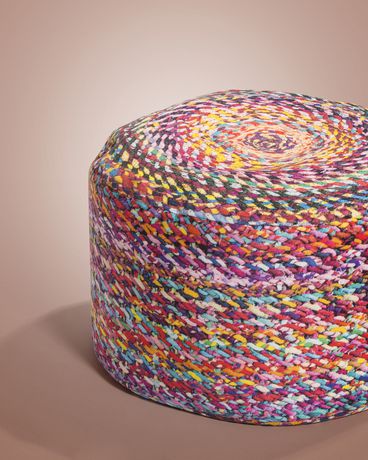
Are you looking to add a unique, cozy touch to your living space without spending a fortune? Making your own DIY Moroccan pouf is easier than you think—and it gives your room that stylish, handmade vibe everyone loves.
Imagine sinking your feet into a soft, colorful pouf that you crafted yourself. You’ll discover simple steps to create a beautiful Moroccan pouf that fits your style and budget perfectly. Ready to transform your space with a fun, creative project?
Let’s get started!
Credit: kechart.com
Materials Needed
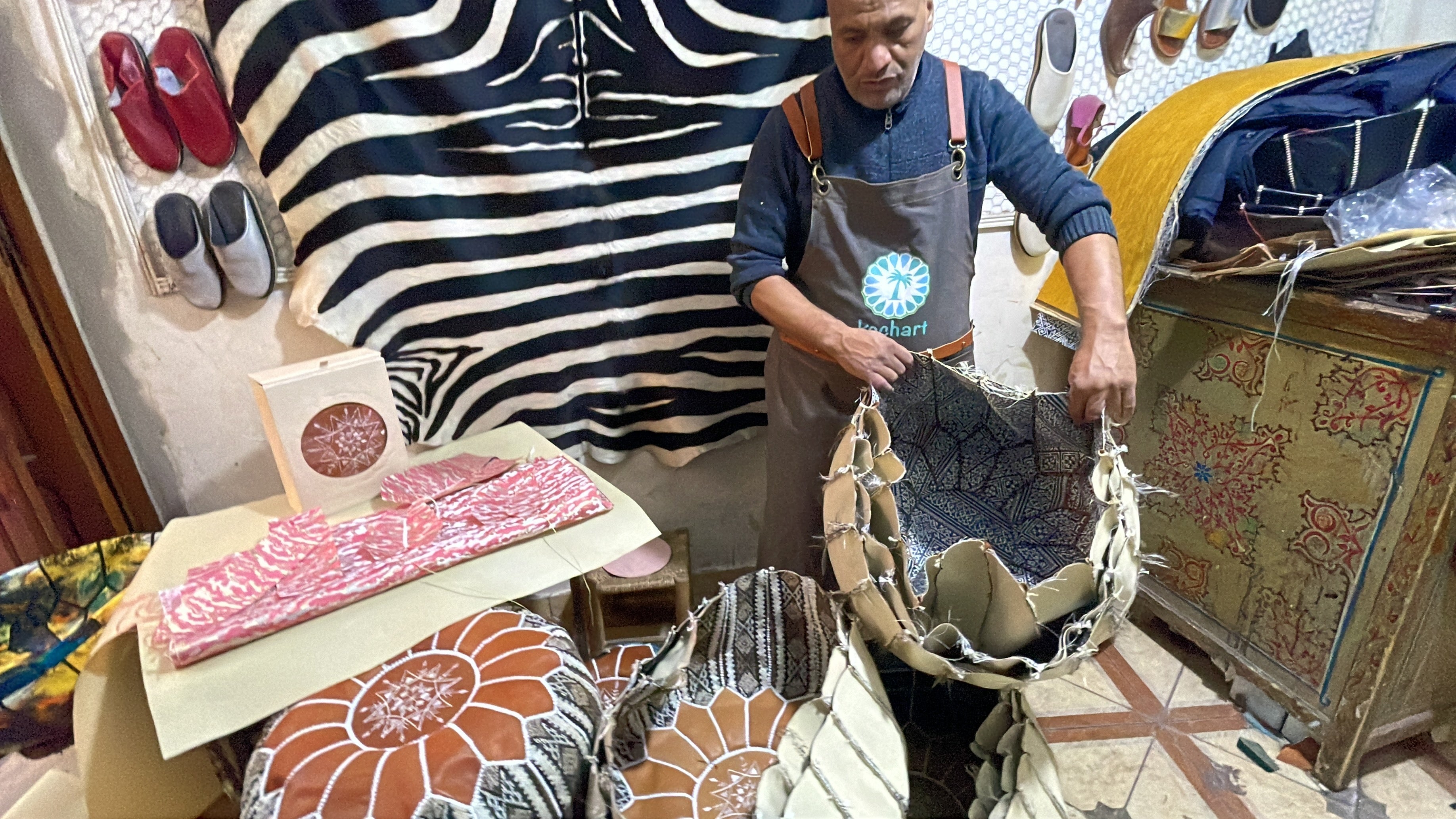
Gathering the right materials is key to making a DIY Moroccan pouf that looks great and lasts long. Knowing exactly what fabric, stuffing, and tools you need can save you time and frustration. Let’s break down each category so you feel confident before starting your project.
Fabric Choices
Pick a fabric that’s durable but also matches your style. Traditional Moroccan poufs often use leather, but cotton or canvas can work well if you prefer something softer or more colorful.
Think about the texture and pattern. A thick, sturdy fabric will hold up better when you sit on the pouf, while patterned fabrics add character to your space.
Have you considered mixing fabrics? Combining leather panels with embroidered cotton can create a unique look that stands out.
Stuffing Options
The stuffing determines how firm or soft your pouf will be. Common choices include polyester fiberfill, foam, or even recycled fabric scraps.
Polyester fiberfill is lightweight and easy to work with, making your pouf soft and comfy. Foam offers more support but can be harder to shape perfectly.
If you want an eco-friendly option, shredded fabric or old clothes inside the pouf can work well. What’s lying around your home that could get a second life here?
Tools Required
Having the right tools on hand makes the sewing process smoother and more enjoyable. You’ll need a sewing machine or a strong needle if hand-stitching.
Scissors, measuring tape, and pins are basic but crucial for accuracy. Don’t forget a zipper or strong thread to close the pouf securely.
Pro tip: A leather needle is essential if you decide to use leather fabric. It prevents needle breakage and ensures clean stitches.
Credit: designingvibes.com
Preparing The Fabric
Preparing the fabric is a key step in making a DIY Moroccan pouf. It sets the foundation for a neat and beautiful final product. Taking time to measure and cut the fabric carefully helps avoid mistakes later. Accuracy ensures the pouf pieces fit together perfectly. Getting the fabric ready also means creating the right pattern pieces. These guide your sewing and stitching, making the process smoother and faster.
Measuring And Cutting
Start by choosing sturdy fabric with vibrant colors or patterns. Moroccan poufs often use leather or thick cotton. Use a tape measure or ruler to get exact dimensions for your pouf pieces. A typical pouf has a circular top and bottom, with side panels.
Mark the fabric with chalk or a fabric pen. This helps you cut shapes accurately. Use sharp scissors or a rotary cutter to cut the pieces cleanly. Cut slowly to avoid jagged edges or mistakes.
Creating Pattern Pieces
Patterns guide your sewing and ensure all parts match. Draw the pattern shapes on paper first. Use these templates to trace onto your fabric.
- Circle for the top and bottom of the pouf
- Rectangular or trapezoid shapes for the sides
- Optional decorative pieces or panels
Double-check all measurements before cutting fabric. Make sure patterns fit together to form a smooth shape. Label each piece on the fabric to avoid confusion during assembly.
Sewing The Pouf
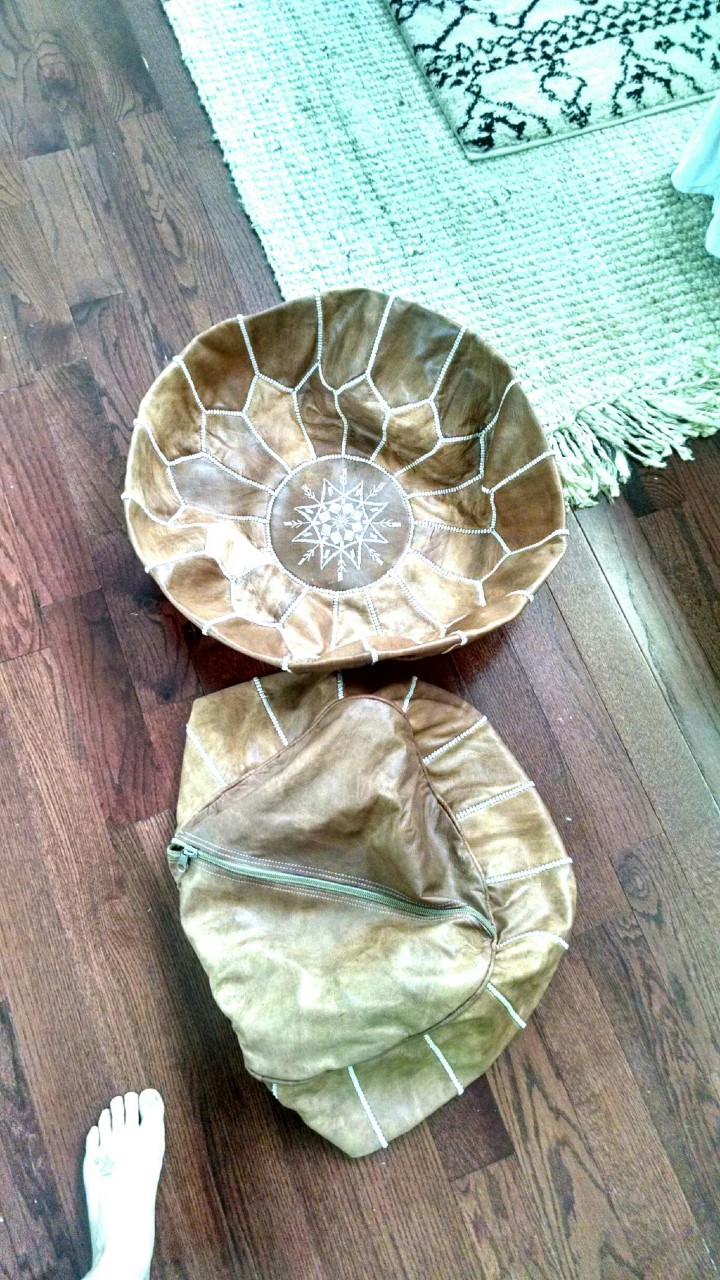
Cut fabric pieces carefully to match the pouf pattern. Sew each panel with strong stitches, leaving an opening to fill the pouf later. Use a sewing machine for neat, even seams and durable results.
Sewing the pouf is a delightful part of the DIY process. It combines creativity with craft, making your project truly personal. With patience and attention, you can create a stunning Moroccan pouf. Below are detailed steps to guide you through sewing the pouf.Stitching The Panels
First, gather your fabric pieces. You need panels cut in a shape that forms a dome. Sew each panel together with a strong thread. Use a sewing machine for neat and firm stitches. Ensure that each seam is aligned properly. This will give your pouf a smooth finish. Begin by pinning two panels together, right sides facing. Stitch them along the edge, leaving a small seam allowance. Continue adding panels until you complete the dome shape.Adding Decorative Details
Decorative details make your pouf unique and charming. Consider adding embroidery or tassels to each panel. Use contrasting threads for a vibrant look. Embellish with trims or beads if you desire extra flair. Sew these elements securely to withstand use. If using tassels, attach them at the seams for symmetry. This will enhance the Moroccan feel of your pouf.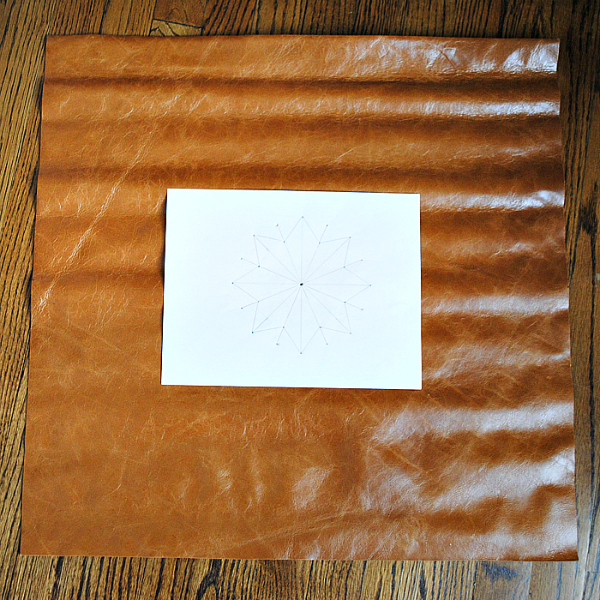
Credit: www.thechroniclesofhome.com
Stuffing The Pouf
Stuffing the pouf is a key step in making a DIY Moroccan pouf. The filling affects both comfort and shape. Choosing the right stuffing and filling it properly ensures your pouf looks great and feels good to sit on.
Filling Techniques
Start by choosing your stuffing material. Common options include foam, polyester fiberfill, old clothes, or fabric scraps. Use small pieces to avoid lumps.
Fill the pouf in layers. Add a bit, then press down firmly. Repeat until the pouf is full but still soft. This method helps keep the shape even.
Use a stick or a long tool to push stuffing into corners. This avoids empty spots and keeps the pouf firm everywhere.
Achieving The Right Firmness
Test the firmness by pressing the pouf with your hand. It should feel firm but still have some give. Too soft means it won’t hold shape well.
If the pouf feels too soft, add more stuffing in small amounts. Press and check again. Repeat until it reaches the desired firmness.
For extra support, place a piece of foam inside before adding fiberfill. This gives structure and makes the pouf more durable.
Finishing Touches
Finishing touches are what transform your Moroccan pouf from a simple handmade item into a stunning piece of décor. This final stage involves carefully securing your work and adding personality with decorative details. Taking time here ensures your pouf looks polished and lasts for years.
Closing The Pouf
After stuffing your pouf with filling, you need to close it securely to keep everything in place. Use a strong needle and thick thread, ideally matching the color of your fabric, for a seamless finish.
Sew the opening with small, tight stitches to prevent the filling from escaping. If your pouf has a zipper, make sure it is firmly attached and works smoothly. Don’t rush this part; a neat closure makes a big difference in durability and appearance.
Adding Embellishments
Embellishments give your pouf character and style. Consider adding decorative tassels or pom-poms on the corners—they bring a playful, authentic Moroccan vibe.
You can also use embroidered patches or metallic threads to highlight patterns. If you enjoy a bit of sparkle, small sequins or beads sewn onto the surface can catch light beautifully.
Think about what fits your room’s style and your personality. Would you prefer bold colors that stand out, or subtle accents that blend in? Your choice here turns a simple pouf into a conversation starter.
Styling Ideas
Styling your DIY Moroccan pouf can transform any space into a cozy, chic retreat. This small piece of furniture offers a unique blend of function and flair. By choosing the right colors and placement, you can highlight its beauty and make your room feel more inviting.
Color Combinations
Choosing the right colors for your Moroccan pouf can set the tone for your entire room. Think about contrasting bold colors with neutral tones to create a balanced look. For example, a deep navy pouf pairs beautifully with soft beige or cream walls.
If you prefer a vibrant feel, combine rich reds and oranges with cool blues or greens. This mix reflects traditional Moroccan style while keeping your space lively. Don’t be afraid to add metallic accents like gold or bronze embroidery to make your pouf stand out even more.
Have you considered how your pouf’s color can complement existing décor? Matching it with cushions or rugs can tie the room together seamlessly. Or, use it as a pop of color in an otherwise monochrome space to create visual interest.
Placement Tips
Where you place your pouf affects both its functionality and style. Use it as extra seating in your living room by positioning it near your sofa or armchair. It’s perfect for small spaces because it doesn’t take up much room but adds charm instantly.
Try placing the pouf in a cozy reading nook. Pair it with a soft throw and a small side table to create a personal retreat. You might also use it as a footrest, adding comfort while you relax after a long day.
Think about traffic flow in the room. Avoid blocking pathways with your pouf to keep the space open and easy to navigate. Have you experimented with using more than one pouf? Grouping two or three can create a casual, inviting vibe perfect for gatherings.
Frequently Asked Questions
What Materials Are Needed For A Diy Moroccan Pouf?
You need leather or faux leather fabric, strong thread, a zipper, stuffing like polyester fiberfill, and a sewing needle. Optional items include decorative trims and fabric paint for customization.
How Do I Sew A Moroccan Pouf Correctly?
Cut leather into panels, sew them together inside out, insert stuffing, then close the zipper. Use strong stitches to ensure durability and a neat finish.
Can I Customize My Diy Moroccan Pouf Design?
Yes, you can add embroidery, fabric paint, or decorative trims. Personalizing your pouf enhances its look and matches your home decor.
How Much Stuffing Is Required For A Moroccan Pouf?
Fill the pouf firmly with polyester fiberfill or old clothes. The amount depends on pouf size, but it should feel firm yet comfortable to sit on.
Conclusion
Creating a DIY Moroccan pouf brings charm to any room. It adds color, style, and comfort all in one. You can choose fabrics and colors to match your space. The process is fun and rewarding. With basic tools and patience, you will succeed.
Enjoy your unique pouf made by your own hands. A small project that makes a big difference. Try it today and see how it changes your home. Simple steps lead to beautiful results.



