
Are you wondering how many strings of incandescent Christmas lights you need to brighten up your home this holiday season? You’re not alone.
Getting the right number can be tricky—it’s easy to end up with too few lights or an overwhelming tangle of strings. But don’t worry, this guide will help you figure out exactly how many strings will make your decorations shine perfectly.
Keep reading, and you’ll discover simple tips that save you time, money, and frustration while creating a warm, festive glow your neighbors will envy.
Types Of Incandescent Christmas Light Strings
Incandescent Christmas light strings come in different styles. Each type offers a unique look and brightness. Choosing the right one depends on your decoration needs and personal taste.
Understanding the types helps plan how many strings you need for your display. It also ensures your lights match the space and theme perfectly.
Mini Lights
Mini lights are small bulbs that create a delicate, twinkling effect. They usually come in long strands with many bulbs. These lights are perfect for wrapping around trees or decorating small areas. They use less power but still shine brightly. Mini lights offer a classic holiday look that suits most decorations.
C7 And C9 Bulbs
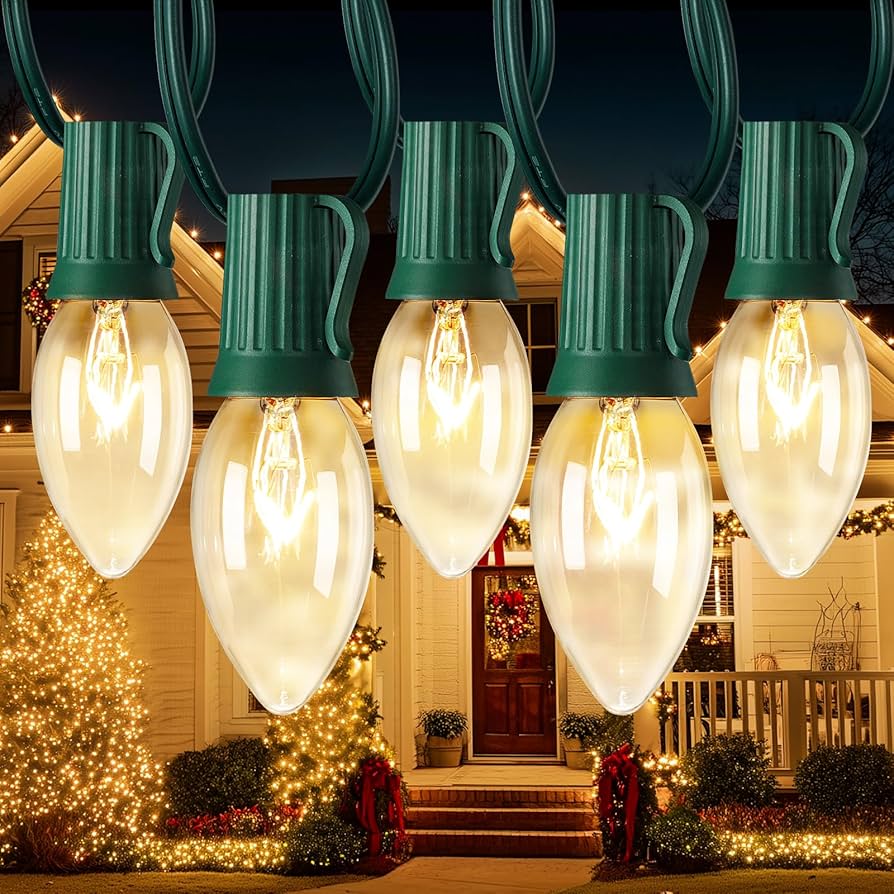
C7 and C9 bulbs are larger and brighter than mini lights. They are often used for outdoor displays and rooflines. C7 bulbs are medium-sized, while C9 bulbs are bigger and more visible from a distance. Both types provide a bold, traditional Christmas feel. They come in various colors, adding vibrant charm to any home.
Novelty Shapes
Novelty shape lights feature bulbs in fun designs like stars, snowflakes, or Santa Claus. These lights add personality and a festive touch to decorations. They are great for themed parties or unique holiday displays. Novelty shapes often combine with mini or C7/C9 bulbs for a creative effect.
Common String Lengths And Bulb Counts
Understanding the common string lengths and bulb counts of incandescent Christmas lights can save you time and frustration during your holiday decorating. Knowing these details helps you plan your setup precisely, avoid unnecessary purchases, and ensure your lights work safely and effectively. Let’s break down what you can expect from typical strings of these classic lights.
Standard Bulb Spacing
Most incandescent Christmas lights have bulbs spaced evenly along the string. The typical distance between bulbs ranges from 4 to 6 inches. This spacing affects how many bulbs fit on a string and how bright your display looks.
If you want a dense, glowing effect on a tree or wreath, choosing strings with closer bulb spacing, like 4 inches, can make a big difference. On the other hand, wider spacing around 6 inches works well for outlining windows or larger outdoor areas.
Typical String Lengths
Incandescent light strings commonly come in lengths between 25 and 100 feet. Shorter strings, around 25 to 50 feet, are perfect for smaller spaces or detailed decorations. Longer strings, 75 to 100 feet or more, are better for wrapping trees or covering large sections of your home.
Think about your project size before buying. Have you ever bought a string that was too short? It’s a hassle to connect multiple strings or run back to the store. Planning the length upfront helps you avoid that headache.
Number Of Bulbs Per String
The number of bulbs on a string depends on both the string length and bulb spacing. For example:
| String Length | Bulb Spacing | Approximate Number of Bulbs |
|---|---|---|
| 25 feet | 4 inches | 75 bulbs |
| 50 feet | 6 inches | 100 bulbs |
| 100 feet | 6 inches | 200 bulbs |
Remember, more bulbs mean brighter light but also more power consumption. Are you balancing brightness with energy use? This is key, especially if you’re connecting multiple strings.
Calculating Strings For Your Space
Measure the area you want to decorate to find the right length of light strings. Each string covers a specific number of feet, so divide your space by that length. This helps you buy the perfect amount without extra or too few lights.
Calculating the number of strings for your Christmas lights can be a puzzle. You need to cover your space beautifully. This process involves a few simple steps. Break it down into measuring your area, estimating bulb density, and adjusting for overlaps and gaps.Measuring Your Area
First, measure the space you want to decorate. Use a tape measure for accuracy. Note the length and width. If you’re decorating a tree, measure its height and circumference. These measurements will guide your light string calculations.Estimating Bulb Density
Consider how dense you want the lights. Do you prefer a soft glow or a bright shine? For a subtle look, use 50 bulbs per square foot. For a brighter effect, use 100 bulbs per square foot. Your choice affects the number of strings needed.Adjusting For Overlaps And Gaps
Account for overlaps and gaps in your design. Overlapping lights can create depth. Avoid large gaps that break the visual flow. Adjust your string count to ensure even coverage. This ensures a cohesive and beautiful display.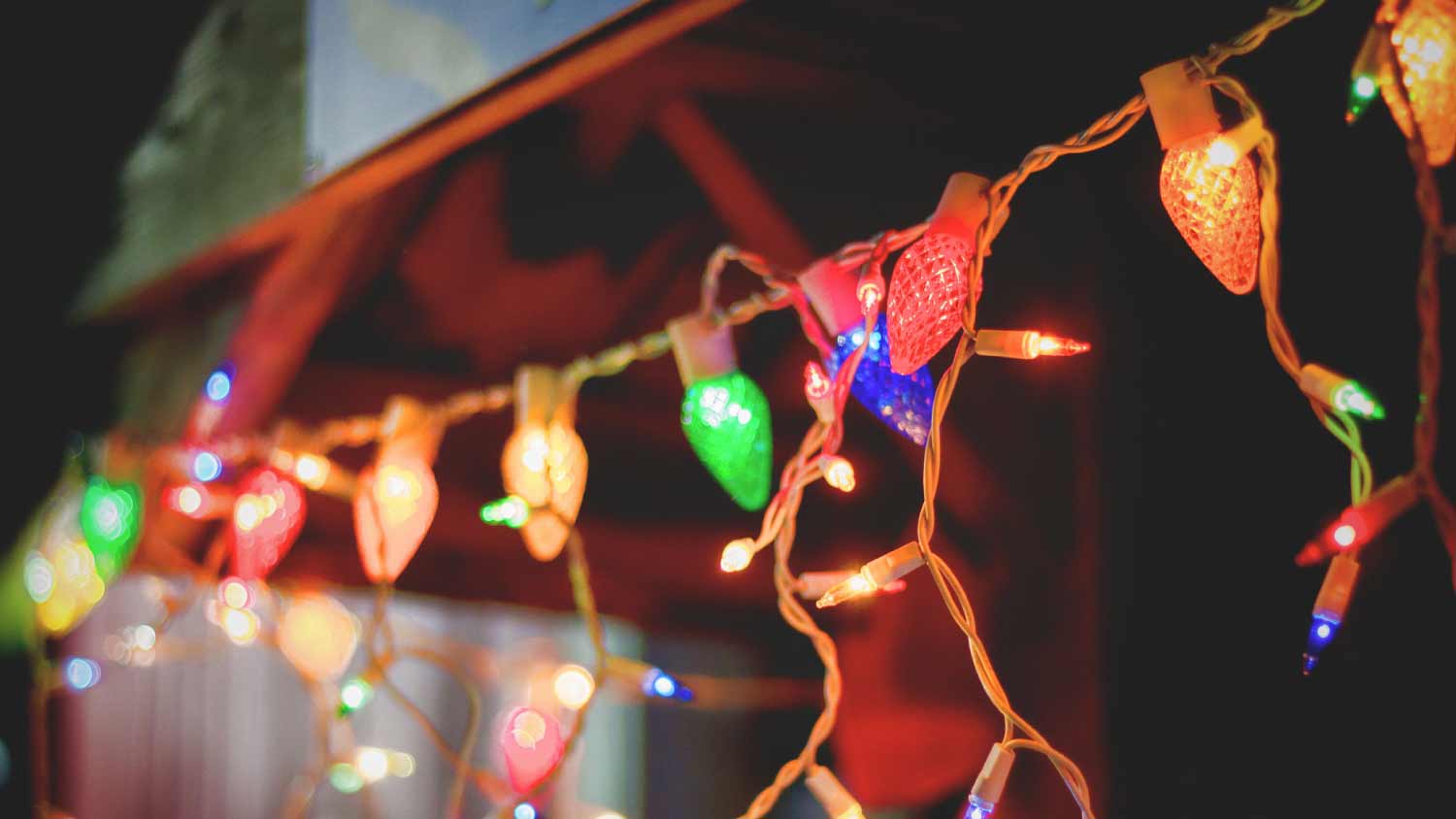
Credit: www.angi.com
Power Requirements And Safety
Understanding the power needs and safety rules is key when using incandescent Christmas lights. These lights draw electric current, which can add up fast. Knowing how much power your strings use helps prevent hazards. It keeps your holiday display bright and safe.
Voltage And Wattage Limits
Each string of incandescent lights has a voltage rating, usually 120 volts in the US. The wattage shows how much power the string uses. Adding too many strings raises the total wattage. This can overload your outlet or circuit.
Check the label on your light strings for exact wattage. Most strings use between 40 and 60 watts. Add the wattage of all connected strings. Stay under your outlet or circuit’s max wattage, often 1800 watts for household circuits.
Avoiding Overloads
Overloading can cause wires to heat and start fires. Do not plug too many strings into one outlet or power strip. Spread your lights across multiple circuits if needed.
Use a simple formula to find safe limits:
- Total wattage = Number of strings × watts per string
- Keep total wattage below the circuit’s safe limit
Turn off lights when not in use to reduce risk. Inspect wires for damage before each season. Replace old or frayed cords immediately.
Using Extension Cords Safely
Choose extension cords rated for outdoor use if placing lights outside. Check the cord’s wattage rating before use. Use only cords with sufficient capacity for all connected lights.
Do not connect multiple extension cords in series. Keep cords away from water and walkways. Secure cords to prevent tripping or damage.
Unplug extension cords when lights are off. This prevents overheating and saves energy. Follow these safety steps to enjoy a bright, safe holiday season.
Connecting Multiple Strings
Connecting multiple strings of incandescent Christmas lights can brighten your home beautifully. Knowing the correct way to link these strings prevents electrical issues and keeps your decorations safe. Each string adds more bulbs and power demand, so understanding limits and wiring types is crucial.
Max Strings Per Outlet
Most incandescent light strings allow connecting up to three or four strings per outlet. This limit prevents overloading the circuit and reduces fire risk. Check the manufacturer’s instructions for exact numbers. Using too many strings can cause flickering or blown fuses. Use a power strip with a built-in circuit breaker for extra safety.
Series Vs Parallel Wiring
Incandescent lights often use series wiring. This means if one bulb burns out, the whole string may go dark. Connecting strings in series increases voltage drop, limiting the number of strings you can safely add. Parallel wiring allows each bulb to work independently, but most commercial strings do not use this setup. Know your string type before connecting multiple strings.
Tips For Secure Connections
- Connect plugs firmly to avoid loose contacts.
- Use electrical tape to secure connections from moisture.
- Avoid stretching or bending wires sharply.
- Keep connections off the ground to prevent water damage.
- Inspect plugs and sockets for damage before use.
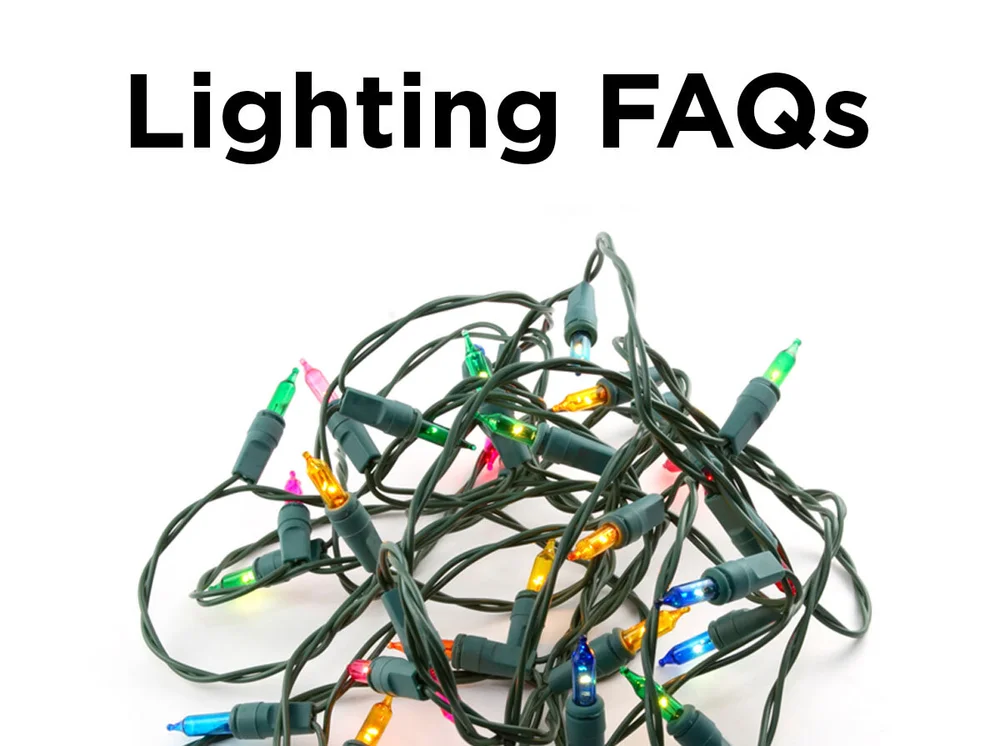
Following these tips ensures your lights stay bright and safe throughout the season.
Credit: blog.1000bulbs.com
Maintenance And Storage Tips
Keeping your incandescent Christmas lights in top shape requires a bit more than just plugging them in each holiday season. Proper maintenance and smart storage can extend their lifespan, save you money, and reduce frustration. Let’s dive into some practical tips that can help you enjoy bright, twinkling lights year after year.
Preventing Bulb Burnout
One simple way to avoid frequent bulb burnout is to check for loose or broken bulbs before plugging in your lights. A single faulty bulb can cause the entire string to go dark. Tighten or replace any bulbs that seem loose or dim.
Consider using a surge protector to protect your lights from power spikes. These protectors help stabilize voltage and can prevent bulbs from burning out too quickly. Have you ever noticed how some lights last longer than others? Often, it’s because they’re shielded from sudden voltage changes.
Another tip is to avoid leaving your lights on for extended periods without breaks. Giving them rest periods can reduce heat buildup and help bulbs last longer. How long do you usually leave your lights on each day?
Proper Storage Techniques
After the holidays, many of us just shove lights into a box, which can cause tangles and damage. Instead, wrap each string around a piece of cardboard or a dedicated spool to keep them organized and prevent wire stress. This small step saves you from a frustrating untangling session next year.
Store your lights in a cool, dry place to prevent moisture damage and corrosion. Avoid attics or basements that might have extreme temperatures or humidity. I learned this the hard way after finding rusted sockets in a damp garage!
Label your light strings with their length and bulb count before storing. This quick action makes it easier to pick the right string for your decorating plans without guesswork.
Troubleshooting Common Issues
If your light string won’t light up, first check the fuse in the plug. Many incandescent strings have small fuses that blow to prevent electrical damage. Replacing the fuse is often a quick fix and keeps you from buying new lights.
Look closely for broken or missing bulbs. Sometimes, replacing just one bulb can bring the whole string back to life. Keep spare bulbs handy for this very reason.
Have you ever tried the “wiggle test”? Gently moving the wires along the string can help identify loose connections. Spotting these weak points early can save you from unexpected outages during your holiday gatherings.

Credit: www.amazon.com
Frequently Asked Questions
How Many Bulbs Are In One String Of Incandescent Lights?
A typical incandescent Christmas light string contains 50 to 100 bulbs. The exact number varies by manufacturer and length. Common sets have 50 bulbs for smaller displays and 100 bulbs for larger setups.
What Is The Maximum Number Of Strings To Connect?
Most incandescent light strings allow connecting 3 to 5 strings safely. Exceeding this can cause electrical overload or bulb failure. Always check the manufacturer’s limit for safe string connections.
How Many Watts Does One String Of Lights Use?
A standard 50-bulb incandescent string uses about 40 to 60 watts. Larger 100-bulb strings consume around 80 to 120 watts. Wattage depends on bulb size and voltage rating.
Can I Mix Different String Lengths Together?
It’s best to use strings of the same length and bulb count. Mixing lengths may cause uneven brightness and electrical strain. Always follow safety guidelines for connecting different strings.
Conclusion
Knowing how many strings of incandescent Christmas lights you need helps avoid confusion. Count the total length of your display space first. Then, check the length of each light string. This simple step keeps your setup neat and bright. Use the right number of strings to prevent overload or gaps.
Your holiday decorations will look better and work safely. Enjoy a warm, glowing atmosphere with the perfect light amount. Planning well makes decorating easier and more fun. Brighten your season with the right choice of lights.



