
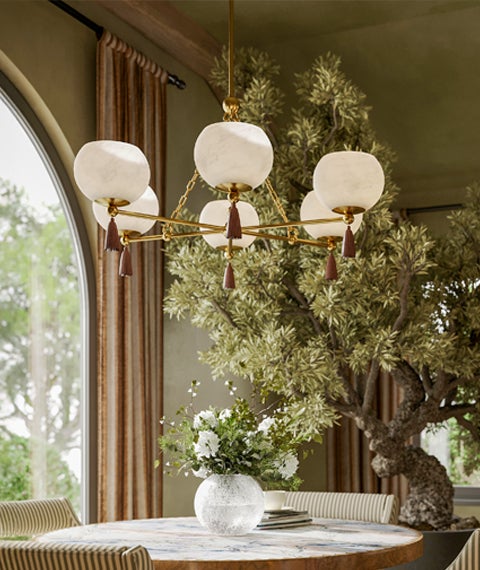
Choosing the right chandelier for your dining table isn’t just about style—it’s about finding the perfect size that fits your space and enhances every meal. Have you ever wondered why some chandeliers look just right while others feel too big or too small?
Getting this balance right can change the entire atmosphere of your dining room. You’ll discover simple and practical tips to help you pick the ideal chandelier size, making your dining area look stunning and inviting every time you sit down to eat.
Keep reading, and you’ll never second-guess your chandelier choice again.
Credit: www.thingsthatinspire.net
Choosing The Right Chandelier Size
Choosing the right chandelier size is crucial to create balance and style in your dining area. A chandelier that’s too small can look lost, while one that’s too big might overwhelm the space. Understanding how to measure your dining table and calculate the ideal chandelier diameter helps you make a confident choice that enhances your room’s atmosphere.
Measuring Your Dining Table
Start by measuring the length and width of your dining table in feet. Use a tape measure to get accurate numbers, and write them down. Knowing these dimensions helps you visualize the chandelier’s scale relative to the table.
If your table is 6 feet long and 3 feet wide, keep those figures handy for the next step. Remember, the chandelier should complement the table without overshadowing it.
Calculating Chandelier Diameter
To find the right chandelier diameter, add the length and width of your dining table in feet. This total number, in inches, will guide your chandelier size.
- Example: A 6-foot by 3-foot table equals 9 feet total.
- Convert 9 feet to 9 inches for the chandelier diameter.
This formula gives you a simple, practical way to choose a chandelier size that fits well. Would you try this method before shopping next time? It can save you from costly mistakes and improve your dining room’s look instantly.
Height And Placement Tips
Choosing the right height and placement for your chandelier over the dining table can transform the entire space. The goal is to balance style and function, ensuring the light is both beautiful and practical. Paying close attention to these details helps create a welcoming atmosphere for every meal and gathering.
Ideal Hanging Height
The chandelier should hang about 30 to 36 inchesabove the dining table surface. This height allows the light to illuminate the table evenly without blocking views across it. If your table is longer, consider multiple smaller chandeliers spaced evenly instead of one large fixture.
Think about how your guests will interact around the table. You want the chandelier low enough to create intimacy but high enough to avoid bumping heads. What’s your current chandelier height? Try measuring and adjusting to see if the space feels more open or cramped.
Considering Ceiling Height
Ceiling height plays a crucial role in chandelier placement. For standard 8-foot ceilings, stick to the 30-36 inch rule above the table. If your ceilings are higher, raise the chandelier accordingly—add about 3 inches of hanging height for every additional foot over 8 feet.
For ceilings above 10 feet, chandeliers can hang higher, but ensure they don’t get lost in the space. Using a dimmer switch can help control brightness and mood, especially if the fixture hangs higher than usual. What’s the height of your ceiling? Adjust your chandelier placement to complement that height and maintain balance.
Style And Room Size Impact
The style of your chandelier and the size of your dining room play crucial roles in deciding the perfect chandelier size. These factors work together to create a balanced and inviting atmosphere. Ignoring either can lead to a fixture that feels out of place or overwhelms your space.
Matching Chandelier Style
Choosing a chandelier that matches your dining room’s style helps maintain visual harmony. A modern, minimalist room may look best with a sleek, simple chandelier rather than a large, ornate one. Think about your furniture, wall colors, and overall vibe before selecting the fixture.
For example, a rustic farmhouse table pairs beautifully with a wrought-iron chandelier that’s not too large but has enough presence to complement the wood’s texture. On the other hand, a glass or crystal chandelier suits an elegant, formal dining room, adding sparkle without overpowering the space.
Balancing With Room Dimensions
Room size dictates how big your chandelier should be. In a small dining room, a massive chandelier can dominate and make the space feel cramped. Conversely, a tiny fixture in a large room can look lost and fail to provide enough light.
Consider these simple guidelines:
- Measure your dining table, then add the length and width in feet. Convert this number to inches to get an ideal chandelier diameter.
- For example, a 6-foot by 4-foot table totals 10 feet, suggesting a 10-inch diameter chandelier. However, you might want to scale this up slightly for style impact.
- Ceiling height also matters—higher ceilings can handle larger fixtures hanging lower.
Have you ever walked into a room where the chandelier just felt right? Often, that’s because the size fits the room’s scale perfectly, creating comfort without distraction.
Common Mistakes To Avoid
Choosing a chandelier too large can overwhelm the room, while one too small may look out of place. Avoid hanging it too high or too low above the table for balanced lighting and style.
Common mistakes can happen when selecting a chandelier for your dining table. Knowing these pitfalls can help you make the right choice. A chandelier that fits well enhances the room’s beauty. Let’s look at some common mistakes to avoid.Choosing Oversized Fixtures
An oversized chandelier can overwhelm your dining space. It may draw too much attention and dominate the room. Ensure the chandelier complements the table without overshadowing it. Measure your table first. Choose a fixture that fits its dimensions. Leave enough space on all sides. This keeps the chandelier in harmony with your dining area.Ignoring Room Proportions
Ignoring the room’s size is a frequent mistake. A chandelier too large or small looks out of place. Measure the room’s height, width, and length. Use these measurements to find a suitable chandelier. Consider the ceiling height, too. Lower ceilings need smaller chandeliers. This ensures a balanced look, enhancing the room’s overall design.Additional Lighting Considerations
Choosing the right chandelier size is only part of creating the perfect dining room lighting. Additional lighting considerations ensure your space is both functional and inviting. Think beyond the chandelier itself to achieve a well-balanced and comfortable atmosphere.
Layering Light Sources
Relying on a single light source can leave your dining area feeling flat or harsh. Adding different types of lighting creates depth and flexibility. Consider mixing ceiling fixtures, wall sconces, and table lamps to balance brightness and shadow.
Layering light helps highlight different areas and textures in your room. You might use recessed lights for overall illumination and a chandelier as the centerpiece. Wall lights can add warmth, while candles or small lamps bring intimacy to the table.
Have you noticed how some rooms feel more welcoming? It’s often because of thoughtful light layering. Try experimenting with multiple sources to see how it transforms your dining experience.
Dimming Options For Ambiance
Not every meal needs the same brightness. Installing dimmers gives you control over your dining room’s mood. Bright light works well for casual breakfasts or family dinners, while dimmed light creates a cozy vibe for romantic evenings.
Modern dimmer switches are easy to use and compatible with many chandeliers. Some even allow you to set different lighting scenes at the touch of a button. This flexibility means you can adjust lighting to match the occasion without changing bulbs or fixtures.
Think about how often you entertain or enjoy quiet dinners. Could a dimmer add value to your space? It’s a small upgrade that makes a big difference in comfort and style.

Credit: www.thingsthatinspire.net

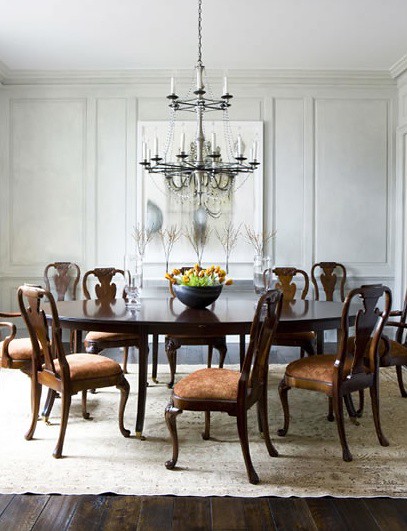
Credit: www.hgtv.com
Frequently Asked Questions
How Do I Size A Chandelier For My Dining Table?
Measure your dining table’s length and width in feet. Add those two numbers. Convert the sum to inches. This total is the ideal chandelier diameter for your dining table.
What Is The Ideal Chandelier Height Above The Table?
Hang the chandelier 30 to 36 inches above the dining table surface. This height provides ample lighting and prevents glare. Adjust based on ceiling height and fixture size.
Can Chandelier Size Affect Dining Room Aesthetics?
Yes, a properly sized chandelier balances the room’s proportions. A too-large fixture overwhelms the space. A too-small chandelier appears insignificant and unbalanced.
Should Chandelier Size Vary By Table Shape?
Yes, rectangular tables suit longer chandeliers. Round tables look best with round or oval chandeliers. Match chandelier shape and size to the table for harmony.
Conclusion
Choosing the right chandelier size makes your dining space feel balanced. A chandelier too big can overwhelm the room. Too small, and it may look lost. Measure your table and ceiling height first. Aim for a chandelier about half to two-thirds the table’s width.
This size creates a cozy, inviting light. Proper lighting enhances meals and gatherings. Remember, size affects both style and function. Pick a chandelier that fits your space well. It brightens the room and adds charm. Simple steps lead to a beautiful dining area.



