
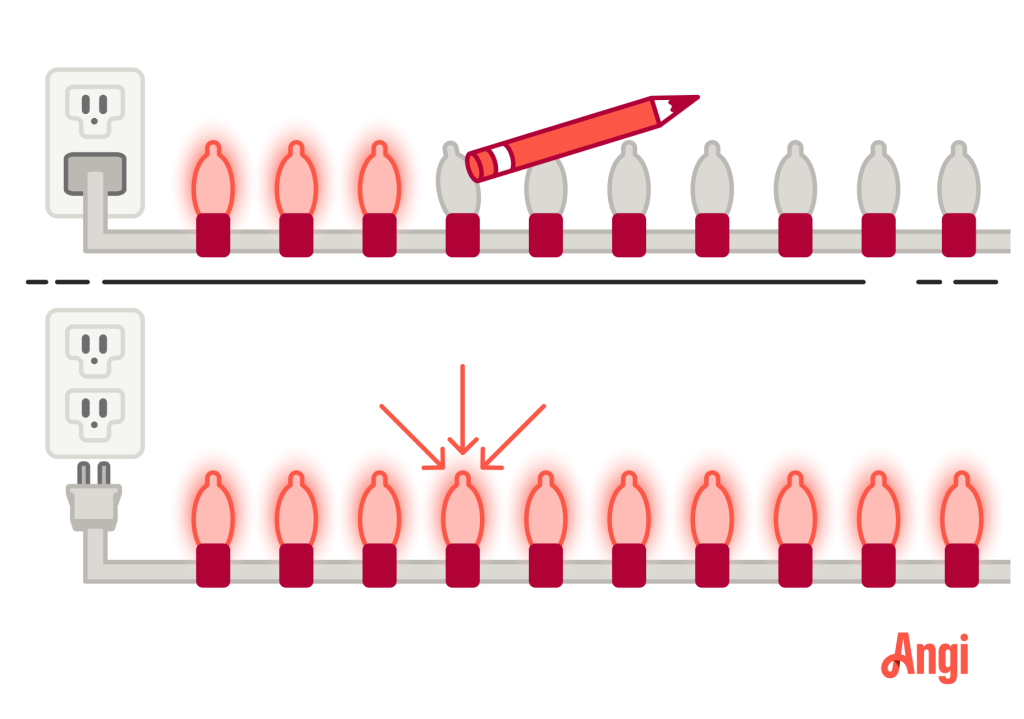
Are your string lights only half glowing, leaving your space looking dim and incomplete? It’s frustrating when some bulbs shine bright while others stay dark.
But don’t worry—you can fix this yourself. Imagine bringing back that warm, festive glow without spending money on new lights or calling a pro. You’ll discover simple, step-by-step tips to get every bulb shining again. Keep reading to bring your string lights back to life and brighten up your home or event like never before.

Credit: www.cbc.ca
Common Causes Of Half Out String Lights
String lights showing only half of their bulbs lit is a common problem. This issue often frustrates users during festive seasons or outdoor gatherings. Understanding the common causes helps in quick and effective repairs. Below are the main reasons string lights may fail halfway.
Loose Or Damaged Bulbs
Loose bulbs can break the electrical connection, causing parts of the string to go dark. Damaged bulbs, such as cracked or burnt ones, also stop the current flow. Checking each bulb for tightness and damage often solves the problem quickly.
Faulty Wiring
Wiring inside the string can wear out or break over time. Exposure to weather or frequent bending weakens the wires. Faulty wiring interrupts power to certain sections, causing half the lights to fail.
Blown Fuse Issues
Many string lights have fuses in the plug to protect from power surges. A blown fuse cuts off electricity to part of the string. Replacing the fuse usually restores full light function.
Tools Needed For Fixing String Lights
Fixing string lights requires the right set of tools to work safely and effectively. Having these tools ready helps identify the problem quickly. You avoid unnecessary replacements and save time. This section covers essential tools needed to repair string lights that are half out.
Basic Repair Kit
A basic repair kit includes simple tools anyone can use. These tools help open the string lights and access bulbs or wiring.
- Small screwdriver set for removing covers
- Wire cutters to trim damaged wires
- Electrical tape to secure connections
- Needle-nose pliers for gripping small parts
- Flashlight to see inside dark areas
Having these tools makes it easier to handle common issues in string lights.
Multimeter Use
A multimeter tests electrical parts to find faults in the string lights. It measures voltage, resistance, and continuity.
- Set multimeter to continuity mode to check wire connections
- Test each bulb socket for electrical flow
- Check fuses inside the plug for damage
This tool helps find exactly where the problem lies without guesswork.
Replacement Bulbs And Fuses
String lights need specific bulbs and fuses to work correctly. Keep replacements handy for quick fixes.
- Match bulb size and voltage with original bulbs
- Buy extra fuses compatible with the string lights
- Handle bulbs carefully to avoid damage
Using the right replacements ensures the lights shine bright again.
Step-by-step Repair Process
String lights can add charm to any space. But half-lit strands can dampen the mood. Fixing them is not as hard as it seems. Follow this step-by-step guide to get your lights shining again.
Inspecting The Lights
Start by examining the entire string. Look for darkened bulbs or visible damage. Sometimes, one faulty bulb can affect the entire string. Gently press each bulb into its socket. Loose bulbs can disrupt the circuit.
Replacing Broken Bulbs
Identify any bulbs that appear burned out. Unplug the lights before replacing any bulbs. Remove the faulty bulb by carefully twisting or pulling it out. Insert a new bulb with the same wattage and size.
Checking And Fixing Wiring
Examine the wiring for frays or cuts. Damaged wires can cause short circuits. If you find any damage, consider replacing the affected section. Use electrical tape for minor repairs.
Resetting Or Replacing Fuses
Look for the fuse compartment, usually near the plug. Open it carefully to access the fuses. Replace any blown fuses with new ones of the same rating. Close the compartment securely.

Credit: www.youtube.com
Preventive Tips To Avoid Future Issues
Preventing string lights from going half out saves time and keeps your space bright. Simple habits can extend their life and avoid future problems. Follow these tips to keep your lights working well and looking great.
Proper Storage Techniques
Store string lights carefully after use. Avoid tangling by wrapping them loosely around a spool or cardboard. Keep them in a dry, cool place away from direct sunlight. Use sealed containers or plastic bags to protect from dust and moisture. Proper storage prevents wire damage and bulb breakage.
Regular Maintenance Checks
Check string lights before each use. Look for frayed wires, broken bulbs, or loose connections. Replace damaged bulbs with the same type and size. Clean the lights gently with a soft cloth to remove dust. Regular checks help catch problems early and keep lights safe.
Safe Usage Practices
Use string lights according to the manufacturer’s instructions. Avoid overloading electrical outlets or extension cords. Keep lights away from flammable materials and water sources. Turn off lights when not in use to reduce wear. Safe use reduces risks and increases the lifespan of your lights.
When To Replace String Lights
Knowing when to replace your string lights can save you time and frustration. Sometimes, trying to fix half-out string lights is worth it, but there are clear signs that replacement is the better choice. Identifying these moments helps you avoid safety risks and wasted effort.
Signs Of Irreparable Damage
Look closely at the string lights for physical damage. If wires are frayed, exposed, or burnt, it’s a strong indication that the lights are unsafe to use. Broken or cracked bulbs that can’t be replaced individually also suggest it’s time to let go.
Another red flag is frequent flickering even after replacing bulbs or fuses. This often means internal wiring has deteriorated beyond repair. If you notice a burning smell or scorch marks near the sockets, stop using the lights immediately to prevent hazards.
Cost Vs. Repair Considerations
Ask yourself if repairing the string lights is worth the cost and effort. Sometimes, buying new lights is more affordable and less time-consuming than troubleshooting multiple issues. Factor in the price of replacement bulbs, electrical tape, and your own time.
Think about how often the lights have required repairs in the past. If you’re patching the same spots repeatedly, replacement saves stress and improves reliability. Also, newer string lights often come with improved energy efficiency and better durability—benefits that old lights can’t match.

Credit: www.youtube.com
Frequently Asked Questions
Why Are My String Lights Only Half Working?
String lights often half work due to a loose connection or a broken bulb. Check each bulb and socket for damage. Replace any faulty bulbs and ensure all plugs are securely connected. This usually restores full functionality quickly and safely.
How Can I Test A Faulty Bulb In String Lights?
Use a bulb tester or swap the bulb with a new one. If the lights still don’t work, the issue might be in the wiring or fuse. Testing bulbs helps identify the exact problem for a targeted fix.
What Should I Do If A Fuse Blows In String Lights?
Locate the fuse compartment, usually in the plug. Replace the blown fuse with a new one of the same rating. Avoid using higher-rated fuses to prevent electrical hazards. This often resolves the half working light issue.
Can Damaged Wiring Cause String Lights To Half Fail?
Yes, damaged wiring can interrupt electrical flow. Inspect the entire length for cuts or frays. Repair or replace the wiring if damaged to ensure safe and full operation of your string lights.
Conclusion
Fixing string lights half out is easier than it seems. Start by checking bulbs and connections carefully. Replace any broken bulbs and clean the sockets. Make sure the power is off before you begin. Test the lights after each step to find the problem.
Small issues like loose wires often cause the problem. With patience, your lights will shine bright again. Enjoy your glowing space without stress or hassle. Simple fixes save time and bring back the festive mood. Keep these tips handy for future light troubles.



