
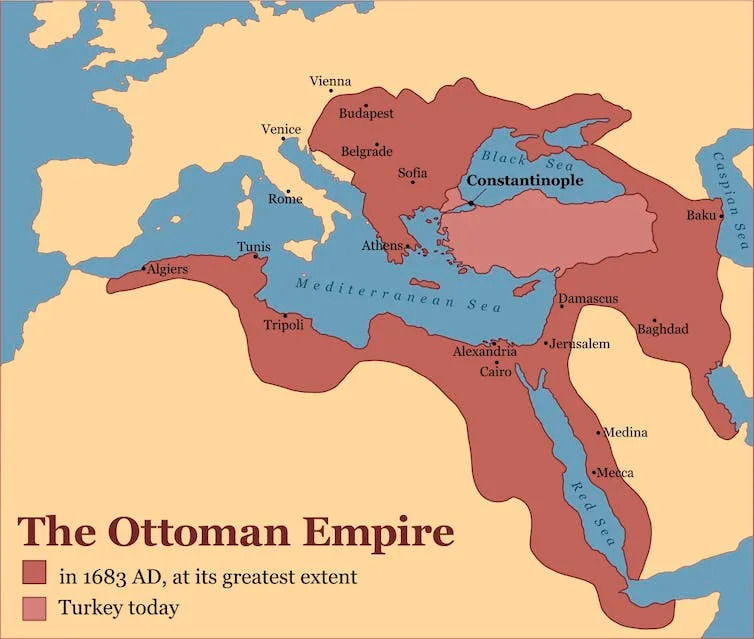
Have you ever wondered where the heart of the Ottoman Empire truly was? Knowing the capital city is like holding the key to understanding a powerful empire that shaped history for centuries.
This place wasn’t just a city—it was the center of culture, politics, and influence. If you want to unlock fascinating stories and discover how this capital city became the pulse of an empire, keep reading. Your curiosity is about to be rewarded with insights you won’t want to miss.
Rise Of The Ottoman Empire
The Ottoman Empire began as a small principality in the late 13th century. It grew rapidly, becoming a powerful state in the region. Its rise changed the political and cultural landscape of the Middle East and Europe. The empire’s capital played a central role in its growth and administration. Understanding the origins and key figures helps explain how this empire expanded so fast.
Origins And Early Expansion
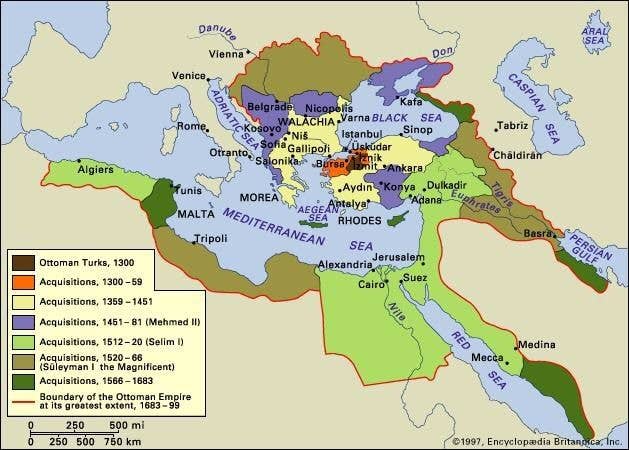
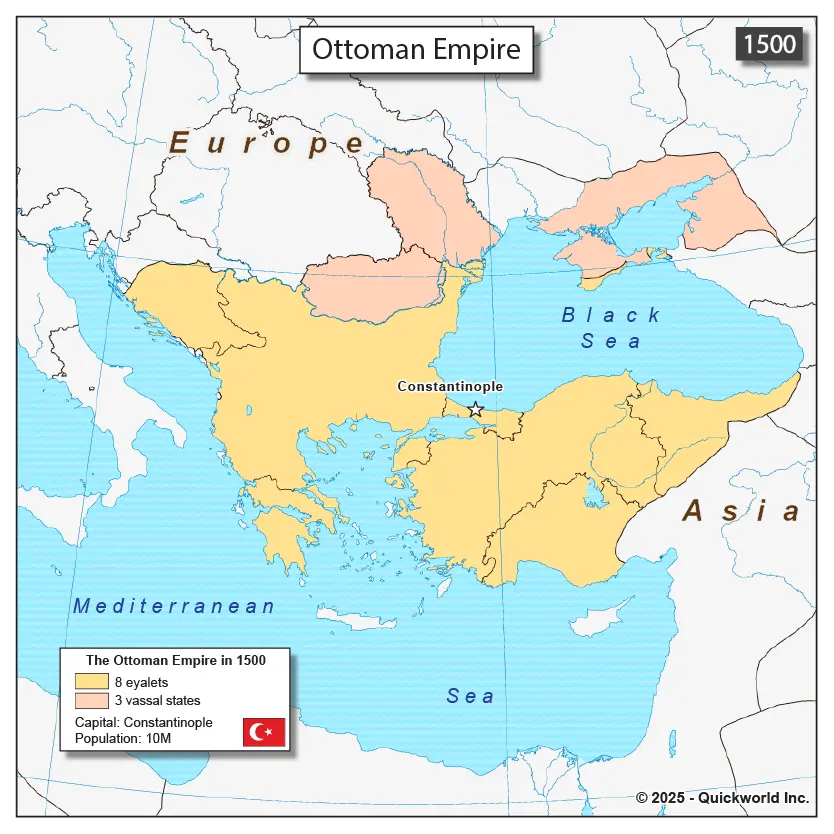
The Ottoman Empire started in Anatolia, modern-day Turkey. It was founded by a group of Turkish tribes. These tribes united under one leader to resist the Mongol invasions. The Ottomans captured important cities and trade routes. Their control grew through battles and smart alliances. This early expansion laid the foundation for a vast empire.
Key Figures In Empire Formation
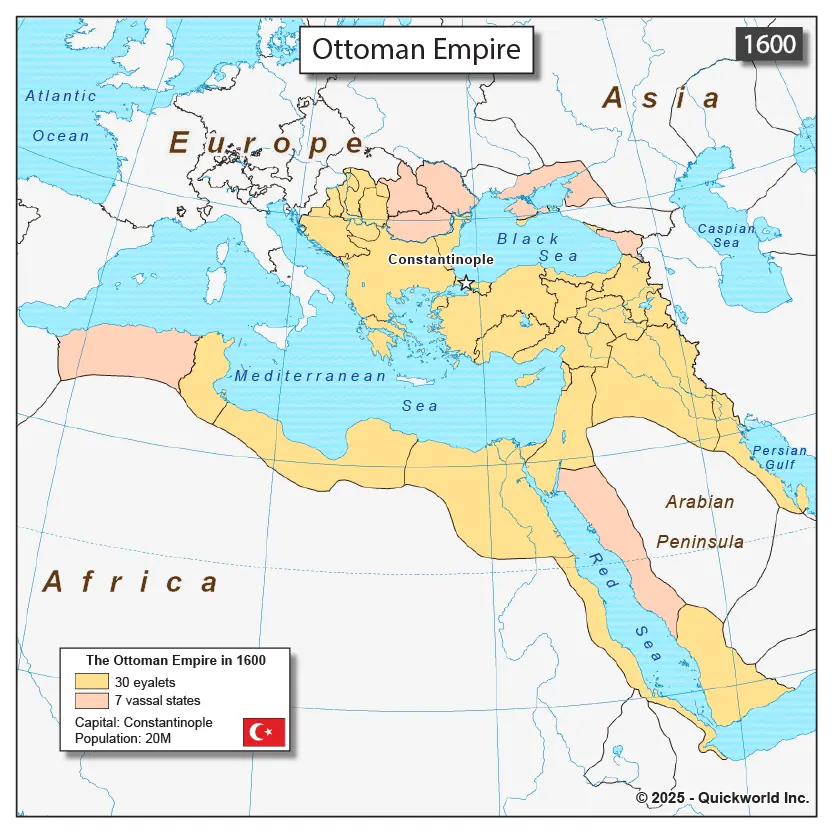
Osman I is the founder of the Ottoman Empire. His leadership brought unity and strength to the tribes. Orhan, his son, expanded the territory further. They captured Bursa, which became the first Ottoman capital. Later, Sultan Mehmed II conquered Constantinople in 1453. This victory marked the empire’s rise as a major power. These leaders shaped the empire’s future and capital development.
Credit: en.quickworld.com
Istanbul As The Empire’s Heart
Istanbul stood as the vibrant heart of the Ottoman Empire. It was more than a city; it was the empire’s center of power, culture, and trade. The city’s transformation shaped the empire’s history and legacy.
The Ottomans made Istanbul their capital, marking a new era. Its rich history and strategic location made it invaluable for ruling vast lands.
Conquest Of Constantinople
In 1453, Sultan Mehmed II captured Constantinople. This victory ended the Byzantine Empire and began Ottoman dominance. The conquest was a turning point, changing the city’s name to Istanbul.
The city’s walls fell after weeks of siege. The Ottomans quickly rebuilt the city and made it their capital. Istanbul became the symbol of Ottoman strength and unity.
Strategic Importance Of The City
Istanbul sits on the Bosporus Strait, linking Europe and Asia. This location controlled key trade routes and military passages. The city’s position allowed the Ottomans to monitor and control naval traffic.
The city’s natural defenses and harbors helped protect the empire. Istanbul grew as a center for commerce, culture, and government. It united diverse peoples under Ottoman rule.
Architectural Marvels Of Istanbul
Istanbul, the heart of the Ottoman Empire, is a city where history and architecture intertwine beautifully. Walking through its streets, you’re greeted by stunning structures that narrate tales of the past. The city’s unique architecture is a reflection of its diverse cultural influences over centuries.
Iconic Mosques And Palaces
Istanbul is home to some of the world’s most iconic mosques and palaces. The Blue Mosque, with its cascading domes and six minarets, stands as a testament to the city’s rich Islamic heritage. Visiting the Topkapi Palace, you can almost feel the whispers of sultans who once governed the vast Ottoman Empire from this opulent abode.
Every corner of these majestic buildings tells a story. You might find yourself wondering how these structures have stood the test of time. Their design not only showcases grandeur but also the advanced architectural skills of the era.
Blend Of Byzantine And Ottoman Styles
What makes Istanbul’s architecture truly unique is the blend of Byzantine and Ottoman styles. The Hagia Sophia is a prime example, originally a Byzantine cathedral, later transformed into a mosque. Its massive dome and intricate mosaics leave visitors in awe, reflecting the city’s transformative history.
This blend of styles is not just about aesthetics; it represents the city’s cultural fusion. It’s fascinating to see how these different influences coexist harmoniously. How often do you get to experience a city that embodies such a rich tapestry of history and art?
Next time you visit Istanbul, take a moment to appreciate these architectural wonders. They are not just buildings; they are the heartbeat of a city that has witnessed the rise and fall of empires. What architectural marvel will captivate you the most?
Credit: owlcation.com
Cultural And Economic Hub
The capital of the Ottoman Empire was a vibrant cultural and economic hub. It connected diverse peoples, ideas, and goods. Its unique location made it a center for trade, art, and learning. This city thrived with energy and innovation, shaping the empire’s identity for centuries.
Trade Routes And Markets
The capital sat at the crossroads of major trade routes. Merchants from Asia, Europe, and Africa passed through its markets. They exchanged silk, spices, gold, and other goods. The bustling bazaars attracted buyers and sellers daily. This trade brought wealth and variety to the city.
- Spice markets filled the air with rich aromas.
- Silk and textiles were prized commodities.
- Caravanserais offered rest stops for traders.
Art, Literature, And Education
The city was a beacon of artistic and intellectual life. Calligraphy, architecture, and music flourished under the empire’s patronage. Scholars translated texts and wrote new works in many languages. Madrasas and libraries spread knowledge and culture. This environment nurtured creativity and learning.
- Famous mosques displayed stunning architectural designs.
- Poets and writers contributed to rich literary traditions.
- Educational institutions attracted students from afar.
Legacy Of Istanbul Today
The legacy of Istanbul today is a vivid reminder of its rich history as the capital of the Ottoman Empire. This city is not just a place on the map; it is a living museum where the past and present coexist. Every corner of Istanbul tells a story of cultural blending, resilience, and transformation that continues to shape its identity.
Preservation Of Historical Sites
Istanbul’s historical sites are carefully preserved to keep its Ottoman heritage alive. Iconic landmarks like the Hagia Sophia and Topkapi Palace stand as testaments to the city’s imperial past. Walking through these sites, you can almost hear the echoes of sultans and scholars.
Preservation efforts extend beyond grand monuments. Neighborhoods like Sultanahmet retain their old-world charm, offering a glimpse into daily life centuries ago. Would you believe that some buildings still use original materials and techniques from the Ottoman era?
Modern Istanbul’s Global Role
Today, Istanbul plays a crucial role as a bridge between Europe and Asia. It’s a dynamic hub for trade, culture, and tourism, attracting millions of visitors every year. The city’s strategic location continues to influence global politics and economics.
Modern Istanbul also embraces innovation while honoring its past. From bustling markets to high-tech startups, the city offers a unique blend of tradition and progress. How does your own city balance its heritage with modern growth?
Credit: en.quickworld.com
Frequently Asked Questions
What Was The Capital Of The Ottoman Empire?
The capital of the Ottoman Empire was Constantinople, now known as Istanbul. It became the capital in 1453 after the city was conquered from the Byzantine Empire.
When Did Constantinople Become The Ottoman Capital?
Constantinople became the Ottoman capital in 1453. This marked the end of the Byzantine Empire and the rise of Ottoman dominance.
Why Was Constantinople Important To The Ottoman Empire?
Constantinople was a strategic city controlling key trade routes. It was a political, cultural, and economic center for the empire.
Did The Ottoman Capital Ever Change Locations?
No, Constantinople remained the Ottoman capital from 1453 until the empire’s dissolution in 1922. It was the empire’s heart throughout.
Conclusion
The capital of the Ottoman Empire was Istanbul. It served as the empire’s political and cultural center. The city connected Europe and Asia, making it a key hub. Istanbul’s rich history still attracts many visitors today. Understanding this capital helps us learn about the Ottoman Empire’s power.
The city’s legacy continues to shape the region’s culture and history. Knowing this fact gives insight into a major part of world history. Simple, yet important.



