
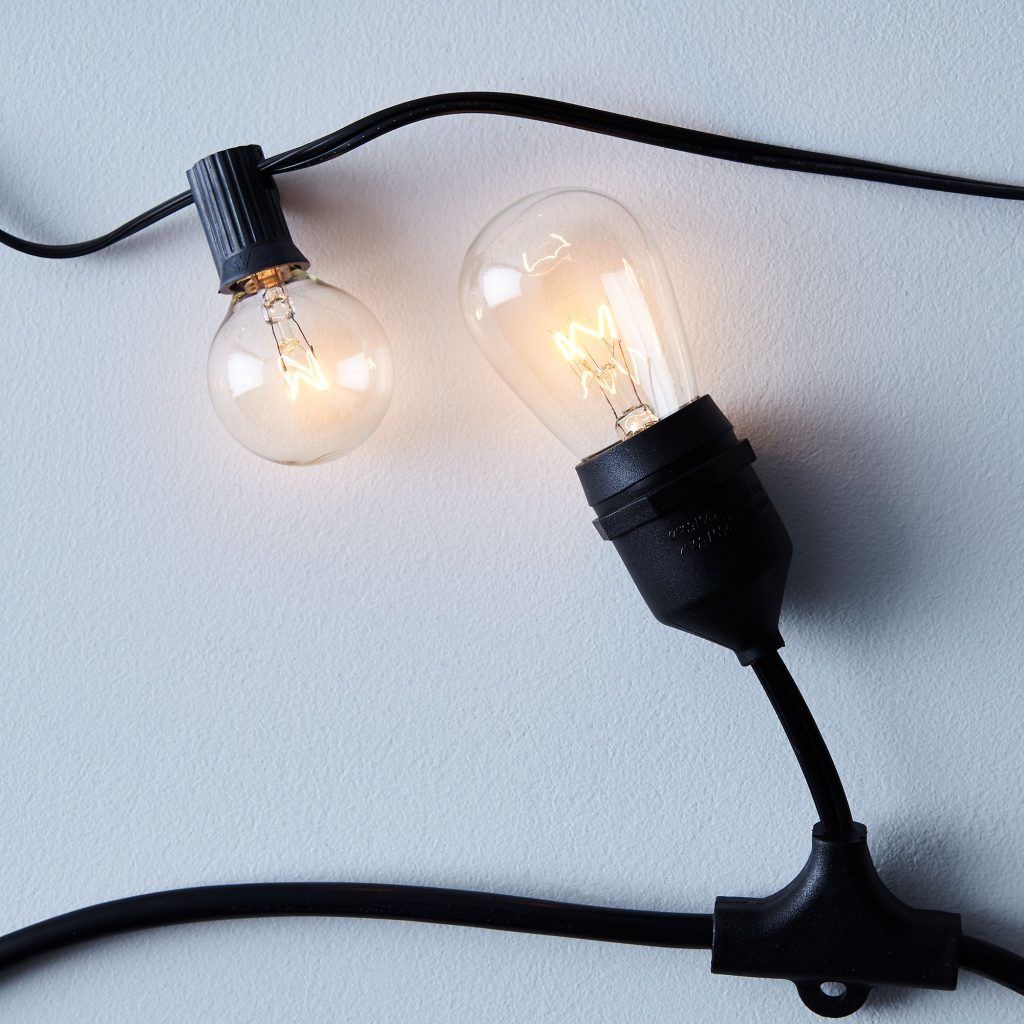
Have you ever wondered what happens if you string too many lights together? Maybe you want your home to shine brighter than ever this season, but there’s a limit you shouldn’t ignore.
Connecting too many lights can cause flickering, blown fuses, or even dangerous electrical problems. You might think it’s harmless, but your safety and your holiday display depend on knowing the right balance. Keep reading to discover exactly what happens when you go overboard—and how to keep your lights sparkling safely all season long.
How Stringing Lights Works
Stringing lights together involves connecting multiple light strands in a sequence. Each strand carries electrical current from one end to the other. This flow powers every bulb along the string. Understanding how this electrical flow works helps prevent problems like overheating or outages.
Basic Electrical Flow
Electricity moves through the wire inside each light strand. The current passes through each bulb’s filament or LED chip. This process causes the lights to glow. The flow depends on a complete circuit from the power source to the end of the string. If the circuit breaks, lights after the break will not work.
Most light strings are wired in series or parallel. Series wiring means the current passes through each bulb one after another. One burnt bulb can stop the entire string. Parallel wiring lets electricity flow through multiple paths. This design keeps other bulbs lit if one burns out.
Maximum Load Limits
Each light string has a maximum number of strands you can connect safely. This limit prevents too much electrical current from flowing through the wires. Too many strands can cause wires to overheat and may start a fire.
Manufacturers set load limits based on the wire’s thickness and bulb type. Exceeding these limits can damage the lights and your power source. Check the packaging or manual to find the maximum number of strings allowed. Using a heavy-duty extension cord does not increase this limit.
Common Risks Of Overloading
Overloading your string lights by connecting too many together can lead to several serious problems. These risks don’t just affect the lights themselves but can also impact your home’s safety and electrical system. Understanding these common risks helps you avoid costly damage and dangerous situations.
Overheating And Fire Hazards
When too many lights are strung together, the wires can overheat. This happens because the electrical current passing through the wires exceeds their capacity. Overheated wires can melt the insulation, which increases the risk of sparks and fires.
Have you ever noticed your string lights feeling unusually warm? That’s a warning sign you should never ignore. It’s better to limit the number of strings connected or use lights designed for longer connections.
Damage To Light Strings
Overloading causes strain on each light bulb and the wiring. This strain can lead to bulbs burning out faster or entire sections of lights going dark. It’s frustrating to spend time setting up decorations only to have them fail prematurely.
Repeated overloading weakens the internal wiring, making your light strings unsafe to use again. Investing in high-quality lights with clear limits on how many strings to connect can save you from frequent replacements.
Electrical Circuit Overload
Stringing too many lights together can draw more power than your circuit can handle. This overload can trip circuit breakers or blow fuses, cutting power to your decorations and possibly other devices.
Imagine losing power to your entire room just because you wanted extra festive lights. To avoid this, check the wattage of your lights and ensure your circuit can support the total load. Using multiple outlets on different circuits is a safer approach.
Signs Of Too Many Lights
Too many lights can cause flickering or dimming. Overloaded strands may overheat and trip breakers. Watch for unusual heat or burnt smells near connections.
Stringing too many lights together is a common holiday mishap that can lead to more than just a festive glow. If you find yourself dealing with dim lights, tripped breakers, or warm wires, you might be overloading your circuit. Recognizing these signs early can prevent potential hazards and ensure your display remains safe and bright.Dim Or Flickering Lights
Have you ever noticed your lights losing their luster or flickering intermittently? This dimness can signal that your circuit is struggling. When too many lights are connected, the power supply becomes insufficient, causing lights to underperform. Keep an eye out for these changes, as they are early indicators of an overloaded system.Tripped Circuit Breakers
A tripped circuit breaker is more than an inconvenience; it’s a warning sign. Circuit breakers are designed to prevent overheating by shutting off when the electrical load is too high. If your holiday display causes frequent trips, it’s time to reassess your setup. Consider redistributing your lights across multiple outlets to alleviate the burden on one circuit.Warm Or Hot Wires
Feel the wires of your light strings. Are they warm or, worse, hot to the touch? This heat is a red flag that should never be ignored. Overloaded wires can lead to melting insulation, increasing the risk of electrical fires. Regularly check your wires for temperature changes to ensure your safety and peace of mind. By keeping an eye on these signs, you can enjoy a dazzling display without compromising safety. Are there any symptoms you’re currently noticing in your setup? Addressing these issues promptly can make a significant difference./https://tf-cmsv2-smithsonianmag-media.s3.amazonaws.com/filer_public/f0/71/f0714c26-a698-4774-80a0-198ba33c4443/photo_oct_17_2024_9_40_10_am.jpg)
Credit: www.smithsonianmag.com
Safety Tips For Stringing Lights
Stringing lights can create a magical atmosphere, but safety should always come first. Ignoring safety tips can lead to electrical hazards or even fires. Paying attention to small details ensures your decorations shine brightly without risk.
Checking Manufacturer Guidelines
Each set of lights comes with specific instructions about how many strands you can safely connect. Ignoring these guidelines can overload the wiring, causing overheating. Have you ever noticed the difference between indoor and outdoor lights? Using outdoor-rated lights outside is crucial for safety and durability.
Always read the label or manual carefully before stringing lights together. If the guidelines say you can connect up to 50 strands, don’t push beyond that limit. It’s better to add more outlets than risk a dangerous overload.
Using Proper Extension Cords
Not all extension cords are created equal, especially when it comes to powering multiple light strands. Using a cord that isn’t rated for outdoor use or the wattage of your lights can cause short circuits. Think about the last time you used an old, thin extension cord—did it feel warm or look damaged? That’s a red flag.
Choose heavy-duty, outdoor-rated cords with the right voltage capacity. Check the packaging or product details to match the cord’s rating to your lighting setup. Also, avoid running cords through windows or under rugs, as this can cause damage and increase fire risk.
Avoiding Overload By Segmentation
Instead of connecting all your lights in one long strand, split them into smaller sections powered from different outlets. This approach reduces the risk of overloading a single circuit. If one section fails, you won’t lose all your lights, making troubleshooting easier.
Have you ever experienced a blackout just because one string of lights was faulty? Segmenting your lights helps prevent that. Try grouping lights by area, such as the front porch, windows, and trees, each with its own power source.
Alternatives To Long Light Strings
Long light strings can cause electrical problems and safety risks. Instead of connecting too many lights in one string, explore safer and smarter options. These alternatives help you decorate efficiently without overloading circuits or risking damage.
Using Multiple Circuits
Split your lights into several circuits. This reduces the load on each circuit and prevents overheating. Use different outlets on separate breakers to balance the power. It keeps your setup safe and stable. Using multiple circuits also allows easy control over different sections of lights.
Led Lights And Energy Efficiency
LED lights use less electricity than traditional bulbs. They stay cool and last much longer. Stringing many LED lights together is safer and uses less power. LEDs reduce the chance of blowing fuses or tripping breakers. They offer bright, vibrant colors without high energy costs.
Smart Lighting Systems
Smart lights connect to apps or voice controls. You can turn them on or off remotely. Some systems allow dimming and color changes for mood lighting. Smart lighting helps manage electricity use more effectively. It also prevents overloading by limiting how many lights run at once.

Credit: sunnydazedecor.com

Credit: www.christmaslightsetc.com
Frequently Asked Questions
How Many Christmas Lights Can Be Safely Connected?
Most LED lights allow 50 to 100 strings connected safely. Check manufacturer guidelines to avoid overload and fire risks.
What Happens If Lights Overload The Circuit?
Overloading causes overheating, blown fuses, or tripped breakers. It can lead to electrical fires and damage to your lights.
Can Too Many Lights Cause A Fire Hazard?
Yes, excessive connections can overheat wires and sockets. Always follow safety limits to prevent fire hazards and ensure safe decoration.
How Do I Know If Lights Are Overloaded?
Signs include flickering, dimming, or hot wires. Use a power meter or consult product specs for maximum string limits.
Conclusion
Stringing too many lights together can cause serious problems. Wires may overheat and cause a fire. Lights might flicker or stop working altogether. Staying within the recommended limit keeps decorations safe and bright. Always check the light strand’s label for maximum connections.
Use multiple outlets or power strips with built-in protection. Safety matters most when decorating your home or tree. Keep your holiday fun without risking damage or injury. Simple steps make a big difference in your light display.



