
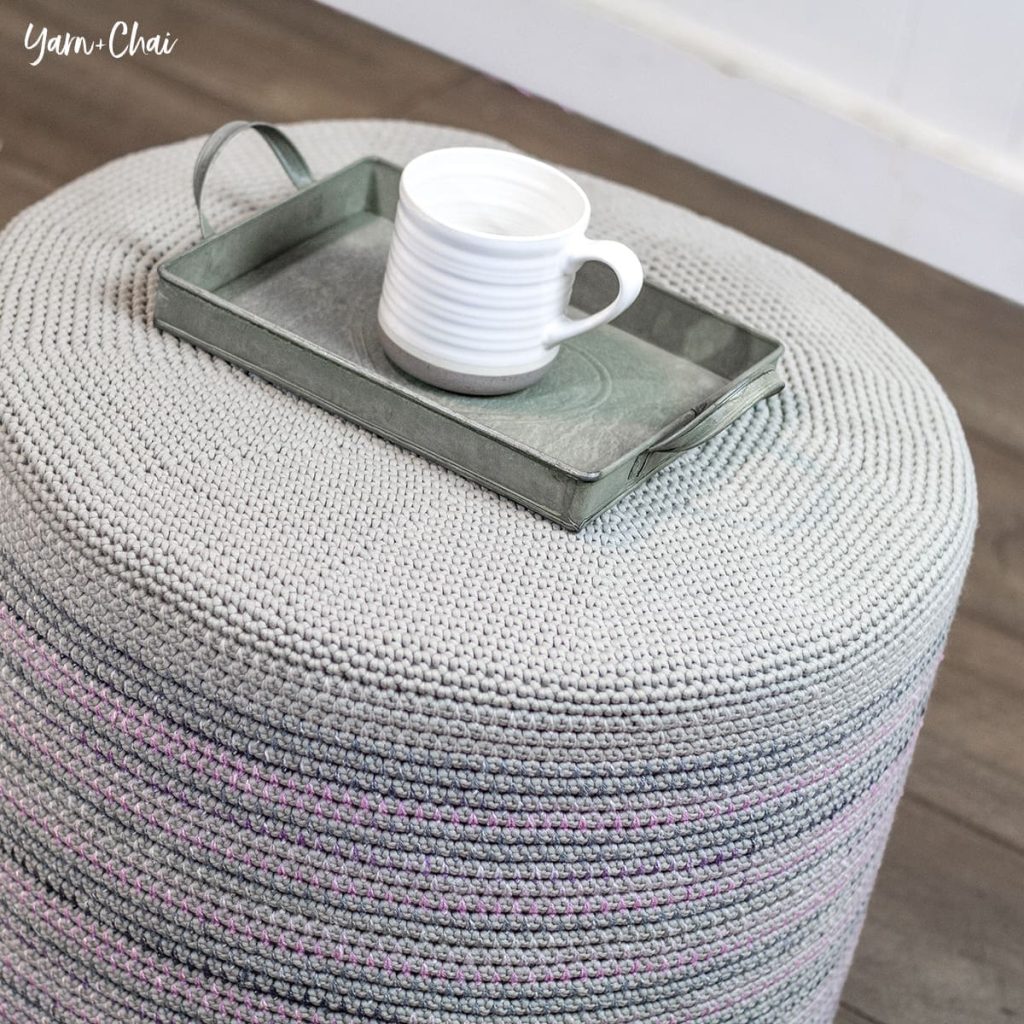
Looking to add a stylish and cozy touch to your living space? Making your own round pouf ottoman is easier than you think—and it lets you bring your personal style right into your home.
Imagine having a comfy spot to rest your feet, extra seating for guests, or even a unique décor piece that everyone will admire. In this guide, you’ll discover simple steps to create a beautiful pouf ottoman that fits perfectly with your space and personality.
Ready to transform your room and impress your friends? Let’s get started!
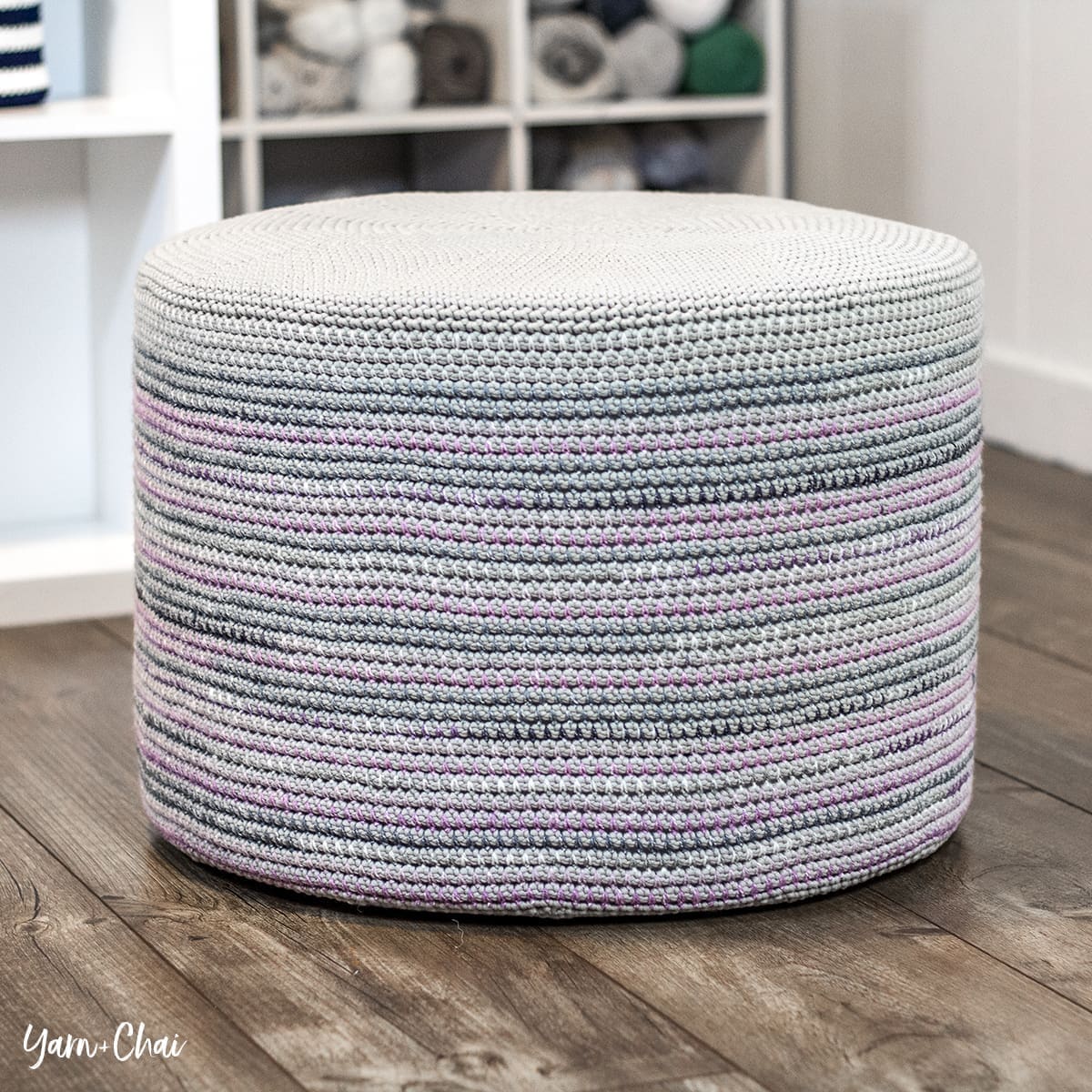
Credit: yarnandchai.com
Materials Needed
Gathering the right materials is key to making a round pouf ottoman. The quality and type of materials affect the look and comfort. This section covers fabric, filling, and tools needed for the project. Choosing wisely saves time and effort later on.
Fabric Selection
Pick a fabric that is strong and easy to clean. Cotton, linen, or canvas work well for durability. For a softer feel, consider velvet or faux suede. Use at least 1 to 2 yards of fabric depending on the size of your pouf. Patterns and colors should match your room’s style.
Filling Options
The filling gives the pouf its shape and comfort. Use polyester fiberfill for a soft, cushy feel. Foam inserts provide firmer support. Old clothes or fabric scraps offer an eco-friendly and cheap option. Choose filling based on how firm or soft you want your ottoman.
Tools Required
- Measuring tape for accurate dimensions
- Fabric scissors to cut clean edges
- Sewing machine or needle and thread
- Pins to hold fabric in place
- Chalk or fabric marker for marking
- Stuffing tool or stick to fill tight spaces
- Optional: zipper for easy removal of cover
Measuring And Cutting Fabric
Measuring and cutting fabric is a key part of making a round pouf ottoman. Accurate measurements ensure the fabric fits perfectly. Cutting the fabric carefully helps avoid waste and mistakes. This section guides you through sizing and cutting the pieces.
Determining Size
Decide the diameter of your pouf’s top and bottom circles. Measure the height for the side panels. Add extra fabric for seams, usually about 1 inch on all sides. Write down these measurements clearly before cutting.
Cutting Circular Pieces
Use a large piece of paper or cardboard to create a circle template. Draw a circle with your chosen diameter. Pin the template on the fabric to keep it steady. Cut around the template carefully using fabric scissors. Cut two circles: one for the top and one for the bottom.
Preparing Side Panels
Measure the length of the side panel as the pouf’s circumference plus seam allowance. Calculate circumference with circumference = π × diameter. Cut a rectangle with this length and the pouf’s height. Add 1 inch to the height for seam allowance. Smooth out wrinkles before cutting to keep edges straight.
Sewing The Pouf Base
Cut fabric pieces carefully to match the pouf’s base shape. Sew them together using strong, even stitches for durability. This creates a sturdy foundation for your round pouf ottoman.
Sewing the base of your pouf ottoman is a crucial step in crafting a sturdy and visually appealing piece. This is where the magic begins, transforming fabric into a functional piece of art. Whether you’re using a vibrant print or a subtle solid, the base holds everything together, providing both structure and style.Joining Side Panels
Start by aligning the edges of your side panels. Ensure the right sides of the fabric are facing each other. Pin them together to prevent any shifting while sewing. Use a straight stitch to join the panels. A half-inch seam allowance works well here. Remember, neat and straight stitches are your best friend for a professional finish. Iron the seams open once sewn. This step isn’t just about aesthetics; it helps the fabric lay flat, reducing bulk and giving your pouf a clean look.Attaching Top And Bottom Circles
Pin the top circle to the upper edge of the side panel. Match the edges carefully. This step might feel like a puzzle, but patience pays off. Sew the circle to the side panel using a straight stitch. Go slow to maintain even stitches and ensure no fabric bunches up. Repeat the process with the bottom circle. This completes the basic structure of your pouf. Now, take a moment to admire your work. You’ve just created the foundation of a unique home accessory! Have you considered what filling you’ll use to give your pouf the perfect balance of comfort and firmness?
Credit: homeon129acres.com
Filling The Pouf
Filling the pouf is a crucial step that directly affects its comfort, shape, and durability. The right filling makes your round pouf inviting to sit on and helps it keep its form over time. Let’s dive into how to select the best filling and stuff your pouf effectively.
Choosing The Right Filling
What kind of feel do you want for your pouf? Soft and squishy or firm and supportive? Your choice of filling determines this.
- Polyester Fiberfill:Lightweight and affordable, it gives a plush, cloud-like feel. Ideal if you want a soft pouf that’s easy to reshape.
- Foam:High-density foam offers firm support and holds the shape well. Great if you want a pouf that won’t flatten quickly.
- Old Clothes or Fabric Scraps:A budget-friendly and eco-friendly option. Just make sure the scraps are clean and soft enough.
- Bean Bag Pellets:Provide a moldable, flexible feel but can be noisy and less durable.
Think about how you plan to use your pouf. Will it be a footrest, extra seating, or a decorative piece? This will guide your filling choice.
Stuffing Techniques
How you stuff your pouf affects its final look and comfort as much as the filling itself. You want even distribution without lumps or empty spots.
- Layering:Start with a firm base layer (like foam) to support the shape, then add softer filling on top for comfort.
- Stuff in Small Batches:Add small amounts of filling gradually, pushing it into corners and edges to avoid gaps.
- Test and Adjust:Periodically press the pouf to check firmness. Add or remove filling until you hit your comfort zone.
Stuffing can be a bit messy, but patience pays off. Have a helper or use tools like a funnel or stick to push filling into tight spots.
What’s your preferred balance between softness and firmness? Experimenting with different techniques can help you discover the perfect feel for your space.
Adding Finishing Touches
Adding finishing touches to your round pouf ottoman transforms it from a simple project into a cozy, stylish piece that fits perfectly in your space. These final steps ensure your pouf looks polished and lasts longer. Paying attention to details can make all the difference in your handmade creation.
Closing The Pouf
Securing the opening of your pouf is crucial for durability. Use a strong needle and matching thread to stitch the final seam tightly. If you’re stuffing the pouf with beads or foam, leave a small gap to adjust the filling before sealing completely.
Try a hidden stitch to keep the seam clean and avoid visible knots. You might find that stitching around twice adds extra strength. Have you considered reinforcing the bottom with an extra layer of fabric? This can prevent wear over time.
Decorative Elements
Adding decorative touches lets your personality shine through your pouf. Think about sewing on buttons or fabric tassels around the edges to create texture and interest. You can also use fabric paint or embroidery to add patterns or initials.
Don’t hesitate to mix materials like leather patches or colorful ribbons for a unique look. Simple additions like a contrasting trim or piping can elevate the design without much extra effort. What small detail could make your pouf stand out in your living room?
Styling And Placement Tips
Styling and placing a round pouf ottoman enhances both function and beauty in any room. Thoughtful placement can create a cozy vibe or a stylish focal point. Using the right styling tips helps the pouf blend well with your space while adding character.
Matching Room Decor
Choose a pouf color that complements your existing palette. Neutral tones fit most rooms and create calmness. Bright colors or patterns add energy and draw attention.
- Pair textured poufs with smooth fabrics for contrast.
- Match pouf fabric with curtains or throw pillows for a unified look.
- Use poufs to balance bold furniture pieces.
Consider the room’s style—modern, boho, or traditional. A sleek leather pouf suits modern rooms. A knitted or woven pouf fits boho or rustic styles.
Creative Uses
A round pouf ottoman is more than a seat. Use it as a footrest for extra comfort. It can also serve as a small table for books or trays.
- Place near a reading chair for a cozy nook.
- Use in entryways for putting on shoes.
- Group several poufs for flexible seating during gatherings.
Try layering poufs with rugs or cushions to add texture. Move the pouf around the room to change the look anytime. Its lightweight design makes it easy to rearrange.
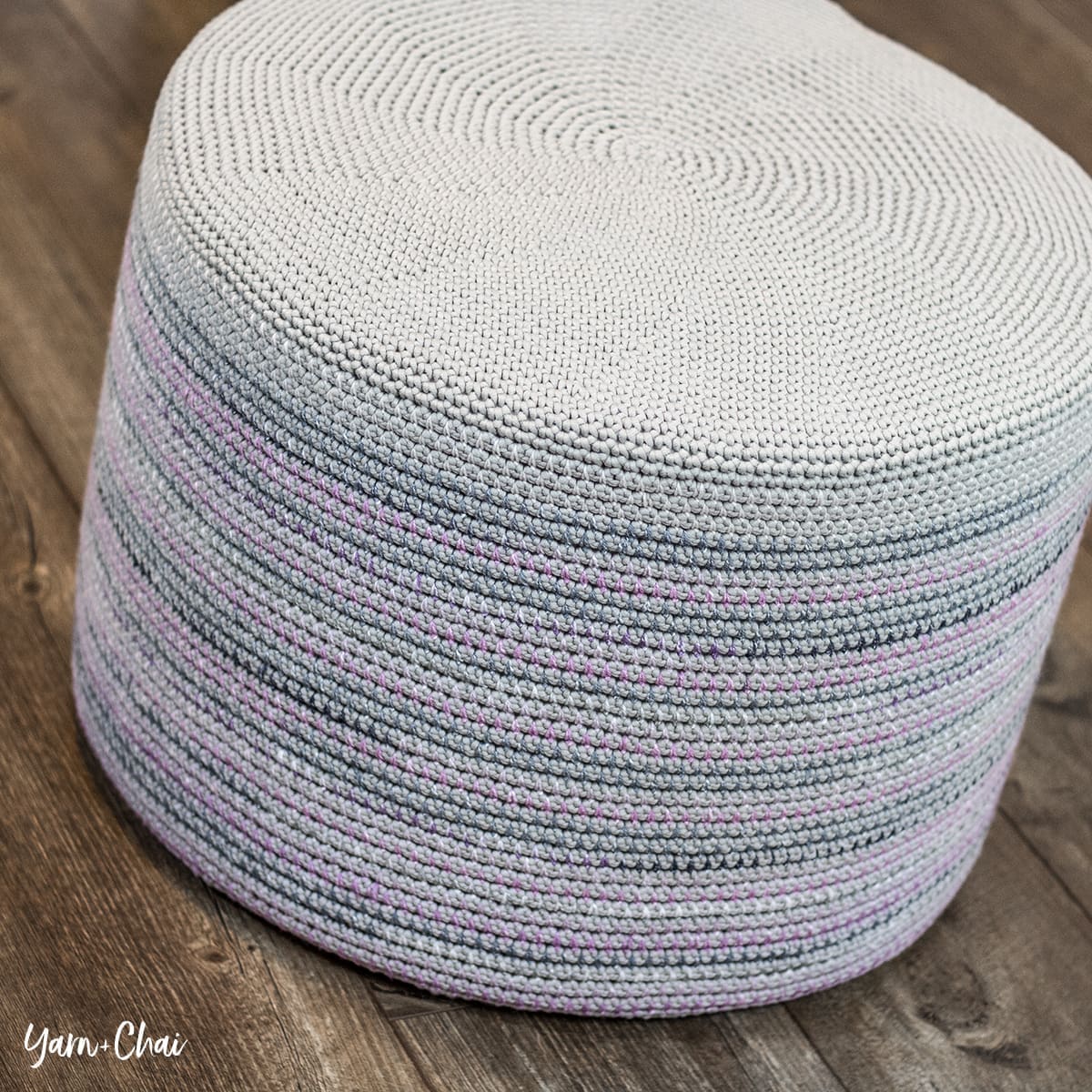
Credit: yarnandchai.com
Frequently Asked Questions
What Materials Are Needed To Make A Round Pouf Ottoman?
To make a round pouf ottoman, you need fabric, stuffing, thread, scissors, and a sewing machine. Optional items include a zipper and piping for a professional finish. Choose durable fabric for long-lasting use and comfortable stuffing like foam or polyester filling.
How Do You Sew A Round Pouf Ottoman?
Cut fabric into circular and rectangular pieces. Sew the rectangular strip to the circular top piece first. Then, attach the bottom circle. Leave a small opening to insert stuffing. Finally, hand-sew or use a zipper to close the opening securely.
Can I Customize The Size Of The Pouf Ottoman?
Yes, you can customize the size by adjusting the diameter of the circular fabric pieces and the length of the rectangular strip. Measure your desired height and width before cutting. Custom sizing allows you to fit the ottoman perfectly in your space.
What Stuffing Is Best For A Round Pouf Ottoman?
High-density foam or polyester fiberfill works best for stuffing a pouf ottoman. Foam provides firm support, while fiberfill offers a softer feel. You can combine both for balanced comfort and shape retention. Avoid using materials that can flatten quickly.
Conclusion
Making a round pouf ottoman adds style and comfort to any room. It takes just a few steps and simple materials. You can choose fabrics and colors to match your space. This project saves money and gives a personal touch to your home.
Try it yourself and enjoy the cozy result. A handmade pouf ottoman brings warmth and charm. Why buy when you can create? Start today and see the difference it makes.



