
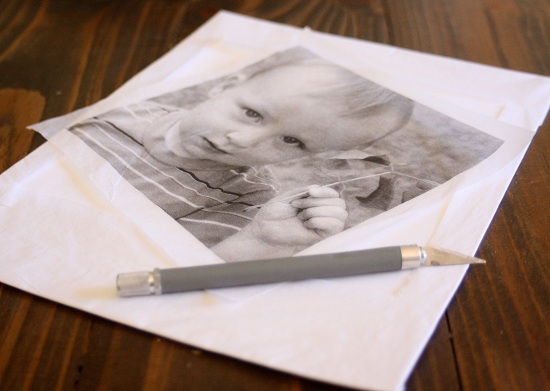
Do you have a favorite photo that you wish you could display in a unique and eye-catching way? Turning your photo into a canvas is a simple and creative way to bring your memories to life.
Imagine your walls filled with vibrant, personalized art that tells your story. In this guide, you’ll learn exactly how to make a photo canvas step-by-step, using easy methods anyone can follow. Get ready to transform your photos into stunning pieces that will impress everyone who sees them.
Keep reading—you’re about to unlock a fun and rewarding DIY project!

Credit: www.youtube.com
Choosing The Right Photo
Choose a clear, high-quality photo with good lighting and sharp details. Select images with strong colors and simple backgrounds for the best canvas print. Consider the photo’s size and focus to ensure it looks great on a large canvas.
Choosing the right photo for your canvas is crucial. The image sets the tone for the entire piece. It impacts the overall aesthetic and emotional appeal. Here’s how to make the best choice for your photo canvas.Selecting High-quality Images
Choose a photo with high resolution. This ensures clarity on the canvas. Blurry or pixelated images do not look good. Check the photo’s details. Make sure it is sharp and clear. A detailed image enhances the canvas look. Brightness and contrast are important too. Ensure they are well-adjusted. This makes the colors vibrant and appealing.Considering Canvas Size And Aspect Ratio
Think about the size of your canvas. A large canvas needs a high-resolution photo. Smaller canvases can work with less resolution. Pay attention to the aspect ratio. It affects how the photo fits on the canvas. Choose a photo that matches the canvas dimensions. This prevents any unwanted cropping or distortion. It ensures the full beauty of the image is displayed.Matching Photos To Room Decor
Consider the room where the canvas will hang. The photo should complement the room decor. Think about the colors in the room. A photo with matching or contrasting colors can enhance the space. The style of the photo matters too. A modern room suits abstract or contemporary images. Traditional spaces benefit from classic or landscape photos. The right match creates harmony and adds to the room’s aesthetic.Materials And Tools Needed
Creating a photo canvas requires a few key materials and tools. Having the right supplies helps achieve a clean, professional look. Each item plays an important role in the process. This section breaks down what you need to get started.
Types Of Canvas
- Polyester Canvas – Durable and smooth surface for sharp images
- Cotton Canvas – Natural texture, great for a classic look
- Blended Canvas – Mix of polyester and cotton, balances texture and durability
- Pre-stretched Canvas – Ready to use, saves time on assembly
- Roll Canvas – Large sheets to stretch yourself over frames
Printing Options And Supplies
- Inkjet Printer – Best for vibrant, detailed photo prints
- UV Printer – Prints directly on canvas for durability
- Photo Paper – Use if transferring image later
- Heat Transfer Paper – For transferring images with heat
- High-quality Ink – Ensures long-lasting, fade-resistant prints
Essential Tools For Assembly
- Wooden Frame or Stretcher Bars – To stretch the canvas tight
- Staple Gun – Secures canvas to the frame
- Scissors or Rotary Cutter – Cuts canvas cleanly
- Measuring Tape – Measures canvas and frame precisely
- Painter’s Tape – Holds canvas in place during stretching
- Screwdriver or Hammer – For frame adjustments
Preparing Your Photo For Printing
Preparing your photo for printing is a key step in making a stunning photo canvas. It sets the foundation for a clear and vibrant final product. Careful preparation helps avoid blurry or dull prints. It also ensures your photo fits perfectly on the canvas size you choose.
Editing and enhancing your photo improves its overall look. Optimizing resolution keeps the image sharp and detailed. Correcting colors ensures the print matches what you see on your screen. Each step makes a big difference in the quality of your canvas.
Editing And Enhancing Images
Start by cropping your photo to the right size. Remove any unwanted parts to focus on the main subject. Use simple editing tools to adjust brightness and contrast. Brightness makes the image lighter or darker. Contrast increases the difference between light and dark areas.
Sharpen the image slightly to bring out details. Avoid over-sharpening, which can create noise. Remove any red-eye or blemishes using editing software. Enhancing your photo improves its appeal before printing.
Optimizing Resolution
Resolution is the number of pixels in an image. Higher resolution means clearer prints. Check that your photo has at least 150 to 300 dpi (dots per inch). This range keeps the image sharp on large canvases.
Resize your photo to match the canvas dimensions. Avoid stretching the image, as it can blur the photo. Use photo editing software to set exact width and height in pixels. Keep the aspect ratio to prevent distortion.
Color Correction Tips
Colors often look different on screen and in print. Adjust the white balance to make colors appear natural. Increase saturation carefully to make colors more vivid. Don’t overdo it; colors should look realistic.
Use a calibrated monitor for better color accuracy. Test print a small section if possible. This helps check if colors appear as expected. Proper color correction ensures your canvas looks bright and true to life.
Printing Your Photo On Canvas
Printing your photo on canvas is a crucial step that transforms a simple image into a piece of art. The quality of your print impacts how vibrant and detailed your final canvas will look. Paying attention to your printing method, materials, and settings ensures your photo stands out and lasts for years.
Using Home Printers Vs Professional Services
Printing at home gives you control and convenience, but it can be tricky to get professional results without the right equipment. Home printers often lack the size and color accuracy needed for large canvas prints. If you want a quick test or a small canvas, your home printer might suffice, but expect some compromises in durability and vibrancy.
Professional services offer high-quality printing with specialized ink and canvas materials. They use wide-format printers designed for canvas, ensuring sharp detail and rich colors. Choosing a professional service can save you time and deliver a more polished finish, especially for bigger projects.
Choosing Ink And Paper
Not all inks and canvas materials are created equal. For lasting results, you want to use pigment-based inks rather than dye-based ones; pigment inks resist fading and water damage better. The canvas itself should be primed to accept ink without bleeding or warping.
Look for canvas specifically designed for printing, which often has a matte or semi-gloss finish. This choice affects the texture and how colors pop. Ask yourself: do you want a smooth modern look or a more textured, artistic feel?
Handling Print Quality
Print quality depends on resolution, color calibration, and printer maintenance. Always use high-resolution images—at least 300 dpi—to avoid pixelation. Check your monitor’s color settings and calibrate if possible, so what you see matches the final print.
Regularly clean your printer heads to prevent streaks or color inconsistencies. Don’t rush the drying process; let the print cure fully before stretching or framing. Have you ever noticed colors looking dull or washed out on a canvas? That’s often a sign of poor calibration or inferior materials.
Mounting The Photo On Canvas
Mounting a photo on canvas transforms a simple image into a striking piece of art. The process demands attention to detail, especially in how the photo stretches, attaches, and finishes on the canvas frame. Each step influences the final look and durability of your photo canvas.
Stretching Techniques
Stretching the photo evenly over the canvas frame is crucial. Begin by laying your canvas face down on a clean surface, then place the frame on top. Pull the canvas taut at one side, securing it with a staple or clip, and move to the opposite side to repeat.
Stretching corners takes practice. Avoid bunching or loose areas by folding the canvas neatly and pulling it tight before stapling. Have you noticed how a poorly stretched canvas can ruin an otherwise perfect photo?
Attaching The Photo Securely
Using a strong adhesive or spray glue helps keep the photo firmly fixed to the canvas. Apply glue evenly to avoid bumps or bubbles under the photo. If you prefer, double-sided tape works well for smaller canvases or thinner photos.
Stapling the canvas edges to the wooden frame is another way to ensure security. Use a staple gun to fasten the canvas every few inches along each side. This method prevents shifting and keeps your photo smooth over time.
Finishing Edges And Corners
Finishing the edges neatly gives your canvas a polished, professional look. Fold the corners carefully to create clean, sharp angles without extra bulk. Use additional staples or glue to hold folds in place.
Consider wrapping the photo slightly around the edge of the frame for a gallery-style finish. This not only looks great but also protects the photo edges from damage. How will you decide to showcase your photo’s edges?
Creative Diy Enhancements
Creative DIY enhancements can transform a simple photo canvas into a unique piece of art that truly reflects your style. Adding personal touches not only makes your canvas stand out but also gives you a chance to experiment with different materials and ideas. Have you ever thought about what small changes could make your photo canvas more expressive and tactile?
Adding Textures And Paint
Adding textures and paint to your photo canvas creates depth and interest. You can use acrylic paint to highlight certain areas or add brush strokes that complement the photo’s theme.
Try applying texture paste or gesso before painting to give a raised, three-dimensional feel. This technique works well if your photo has natural elements like flowers or landscapes—it brings those parts to life.
Incorporating Mixed Media
Mixed media allows you to combine different materials such as fabric, paper, or even small objects onto your canvas. Adding elements like lace, newspaper clippings, or pressed leaves can create a story around your photo.
Think about the mood you want to evoke. For a vintage photo, old book pages or sepia-toned papers can add charm. For a modern look, metallic foil or geometric shapes might be a better fit. What materials do you have around that could add meaning to your canvas?
Using Frames And Borders
Frames and borders don’t just hold your canvas—they can also enhance the overall design. You can paint your own frame directly on the canvas or use washi tape to create bold borders.
Another idea is to attach a physical frame with decorations like beads or buttons glued to it. This adds texture and makes your photo pop. How could you customize your frame to echo the theme of your photo?
Displaying And Caring For Your Canvas
Displaying and caring for your photo canvas is key to keeping it beautiful. Proper placement enhances its look and protects it from damage. Regular care keeps the colors bright and the canvas in good shape. Follow these tips to enjoy your photo canvas for years.
Best Placement Ideas
- Choose a wall with good lighting but avoid direct sunlight.
- Place your canvas at eye level for best viewing.
- Use a spot away from heat sources like radiators or fireplaces.
- Consider grouping canvases together for a gallery-style display.
- Keep the canvas in rooms with stable humidity to prevent warping.
Cleaning And Maintenance
- Dust the canvas regularly with a soft, dry cloth.
- Use a gentle brush to remove dust from textured surfaces.
- Avoid using water or cleaning sprays directly on the canvas.
- For stubborn spots, lightly dampen a cloth and gently wipe.
- Let the canvas air dry completely if it becomes slightly damp.
Protecting From Damage
- Keep your canvas away from sharp objects or rough handling.
- Use secure hanging hardware to prevent falls.
- Avoid placing the canvas in areas with high moisture or steam.
- Consider UV-protective spray to reduce sun damage.
- Store the canvas flat or upright with padding if not displayed.

Credit: www.pictureated.com

Credit: www.youtube.com
Frequently Asked Questions
What Materials Are Needed To Make A Photo Canvas?
You need a high-quality photo, canvas fabric, stretcher bars, acrylic paint, glue, and a staple gun. These basics help you create a durable, vibrant photo canvas. Optional tools include a brush, scissors, and protective varnish for finishing touches.
How Do I Prepare My Photo For A Canvas Print?
Choose a high-resolution image for clear printing. Edit the photo for brightness and contrast. Resize it to fit your canvas dimensions. Save it in a suitable format like JPEG or PNG before printing.
What Is The Best Way To Stretch A Photo Canvas?
Attach the canvas to stretcher bars by pulling it tight. Start stapling from the center of one side, then move to the opposite side. Repeat for all sides, ensuring the canvas is smooth and taut.
Can I Make A Photo Canvas Without Special Tools?
Yes, you can use household items like cardboard frames and glue. However, special tools ensure durability and a professional finish. Simple methods work for beginners or small projects.
Conclusion
Creating a photo canvas brings your pictures to life. It adds a personal touch to any space. The process is simple and fun to try. Choose a photo you love and follow easy steps. You will enjoy seeing your art on the wall.
Handmade canvases also make thoughtful gifts. Start your project today and watch your memories shine. A photo canvas turns moments into lasting art.



