
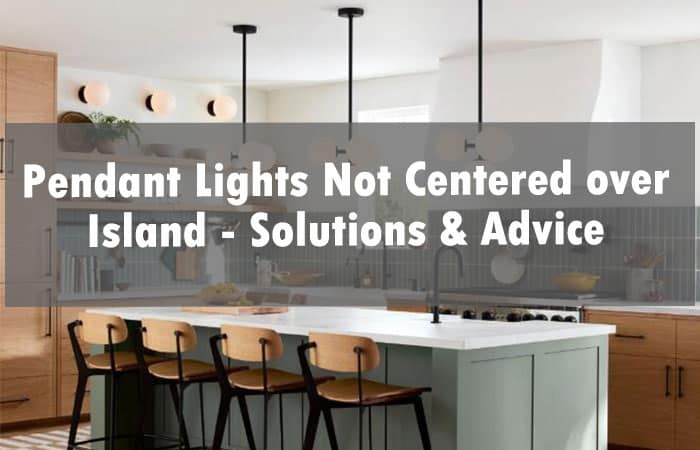
Are you wondering if pendant lights should be centered over your kitchen island? It’s a common question that can make a big difference in how your kitchen looks and feels.
The right lighting not only brightens up your space but also sets the mood and highlights your kitchen’s best features. You’ll discover simple tips to get your pendant lighting just right—making your kitchen island a true centerpiece you’ll love. Keep reading to find out how a small change can transform your entire kitchen!
Credit: maisonblonde.com
Role Of Pendant Lights
Pendant lights play a crucial role in defining the look and feel of your kitchen island. They are not just decorative pieces but also serve important practical purposes. Understanding their role helps you decide whether they should be centered or arranged differently to best suit your kitchen’s needs.
Enhancing Kitchen Ambiance
Pendant lights set the mood in your kitchen. Centering them can create a balanced and harmonious look, but sometimes offset placement adds character and style. Think about the atmosphere you want—do you prefer a cozy, intimate space or a bright, lively one?
Your choice of pendant lights—size, shape, and brightness—also impacts ambiance. For instance, a row of small pendants can produce a warm, inviting glow, while one large pendant might become a striking focal point. How do you want your kitchen to feel when you step in?
Functional Lighting Needs
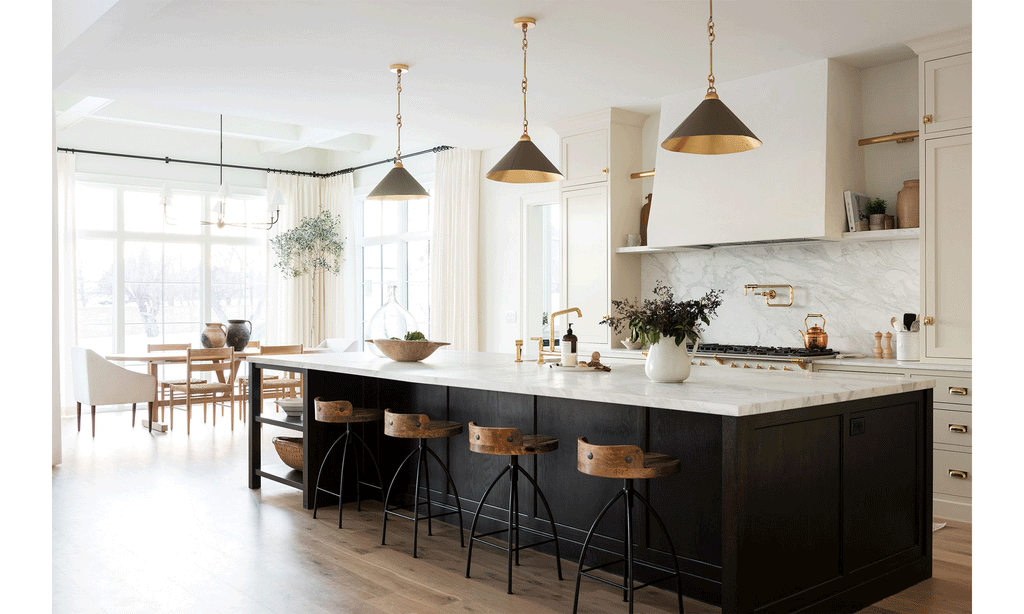
Pendant lights provide essential task lighting over the kitchen island. Centering them ensures the light spreads evenly across the workspace, reducing shadows and making food prep easier. But if your island is long or irregularly shaped, multiple pendants spaced accordingly might work better.
Consider your kitchen activities and how you use the island. Do you often cook, eat, or work there? Your lighting should support those tasks effectively. Experiment with placement to find what gives you the clearest, most comfortable light where you need it most.

Credit: www.lighting-one.com
Centering Pendant Lights
Centering pendant lights over your kitchen island might seem like an obvious choice, but it’s worth examining how this decision affects both the look and feel of your space. The placement can either create harmony or throw off the room’s balance. Understanding the effects of centering pendant lights helps you make a choice that enhances your kitchen’s design and functionality.
Visual Balance And Symmetry
Centering pendant lights establishes a clear visual anchor in your kitchen. It creates a sense of order and neatness, which can make your island the focal point of the room. Symmetry often brings comfort to the eye, helping your space feel well-planned and intentional.
However, strict centering isn’t always necessary if your kitchen layout is asymmetrical or if the island doesn’t line up with other elements like cabinetry or seating. You might find that shifting the pendants slightly to align with the sink or cooking area works better for your daily activities.
Think about how you use your kitchen. Does precise symmetry support your routine, or would a slight offset improve lighting where you need it most?
Impact On Kitchen Design
Pendant lights play a big role in setting the mood and style of your kitchen. Centered fixtures often highlight the island as a gathering spot, emphasizing its importance in your home.
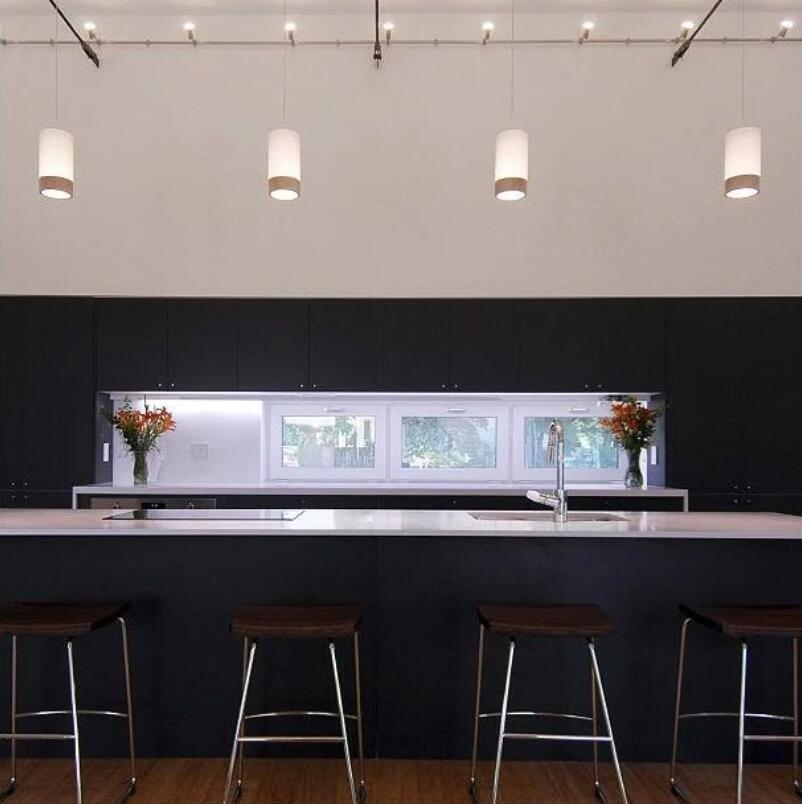
On the other hand, if your kitchen island is long or has multiple work zones, multiple pendants spaced evenly—whether perfectly centered or not—can provide better coverage and visual interest. This approach can break up the space and add layers to your design.
Consider how your choice affects other design elements like counters, bar stools, and appliances. Will centered pendants complement or clash with these features? Asking yourself this helps ensure your lighting works with the whole kitchen, not just the island.
Alternatives To Centering
Centering pendant lights over a kitchen island is a common choice. But it’s not the only option. Several creative alternatives exist. These can enhance both style and function in your kitchen. Exploring these can lead to unique lighting designs. Let’s delve into some alternatives to centering pendant lights.
Offset Placement Benefits
Offsetting pendant lights brings a modern look. It breaks the monotony of symmetry. This arrangement can highlight specific areas. For instance, place lights over a seating area. This creates a cozy atmosphere. It also allows for more flexible kitchen layouts. Offset lighting can emphasize unique design features.
Cluster And Group Arrangements
Clustered lights add visual interest. They can serve as a focal point. This arrangement works well for large islands. Grouping lights together creates balance. Choose different pendant styles for a dynamic look. Mixing sizes and shapes adds character. This approach suits contemporary kitchens. It allows for creative expression.
Credit: www.hbcollaborative.com
Factors Influencing Placement
Deciding where to place pendant lights over your kitchen island isn’t just about aesthetics. Several practical factors influence the best spot to hang them. These factors ensure your lighting is functional, balanced, and complements your kitchen’s overall design.
Island Size And Shape
The size and shape of your kitchen island play a major role in pendant light placement. A long, rectangular island might need multiple pendants spaced evenly, while a smaller square island may only require one centered light.
If your island is irregularly shaped or includes seating areas, consider placing lights to highlight workspaces or dining spots. Have you measured your island carefully? This helps avoid awkward gaps or overcrowding with too many fixtures.
Ceiling Height And Fixtures
Ceiling height affects both the style and hanging length of your pendant lights. Lower ceilings call for shorter pendants or flush fixtures to avoid blocking sightlines.
Taller ceilings allow for more dramatic, longer pendants but keep in mind the bulbs shouldn’t glare directly into your eyes. You might want to experiment with different heights before finalizing the placement.
Kitchen Layout And Traffic Flow
Your kitchen’s layout and how people move through the space influence where pendant lights should go. Avoid placing pendants in spots where people walk frequently to prevent bumping heads.
Think about how you use the island—is it mainly for cooking prep, casual dining, or both? Position your lights to support these activities without disrupting natural pathways.
Expert Tips For Installation
Installing pendant lights over a kitchen island requires careful planning. Proper placement enhances both function and style. Follow these expert tips to achieve balanced lighting that complements your kitchen design.
Measuring And Spacing Guidelines
Start by measuring the length and width of the kitchen island. Pendant lights should hang about 30 to 36 inches above the countertop. Space pendants evenly, usually 24 to 30 inches apart, to avoid dark spots.
Keep a minimum distance of 6 to 12 inches from the edge of the island. This prevents lights from blocking views or workspace. Use a tape measure and mark spots on the ceiling before installing.
Choosing The Right Pendant Size
Select pendant lights that match the size of your island. Small islands work best with one or two smaller pendants. Larger islands can handle multiple, bigger fixtures.
Consider the width of each pendant. A good rule: add the widths of all pendants and leave space between them. Avoid oversized pendants that overwhelm the area.
Coordinating With Other Lighting
Balance pendant lights with recessed or under-cabinet lighting. This mix creates layered light for cooking and ambiance. Make sure pendant light style matches other fixtures in the kitchen.
Use dimmers to adjust light levels. This helps create a cozy or bright setting as needed. Proper coordination improves both look and usability in your kitchen space.
Common Mistakes To Avoid
Choosing pendant lights for your kitchen island can transform the space, but mistakes in placement and style can quickly undermine your efforts. Avoiding common pitfalls helps you achieve a balanced look and functional lighting. Let’s look at some frequent errors that may be holding your kitchen lighting back from its full potential.
Overcrowding The Island
Too many pendant lights can overwhelm your kitchen island and create visual clutter. It’s tempting to add more fixtures for extra brightness, but this often leads to a cramped, busy feel.
Think about the size of your island and the scale of your pendants. A large island may need three pendants spaced evenly, but smaller islands often look best with one or two. Have you measured the length of your island and considered the space each pendant occupies?
Ignoring Light Distribution
Good lighting isn’t just about style—it’s about function. Placing pendants too close together or too far apart can cause uneven light that creates shadows or bright spots on your work surface.
Consider how you use your island. Is it mainly for cooking, dining, or both? Adjust your pendant placement to ensure every inch is well-lit. Have you tested your light setup at different times of day to see how it performs?
Mismatch With Kitchen Style
Pendant lights should complement your kitchen’s design, not clash with it. A modern kitchen with sleek lines won’t benefit from ornate, vintage-style fixtures, and vice versa.
Pick pendants that match your cabinet finishes, countertop materials, and overall aesthetic. This harmony enhances your space and makes your kitchen feel thoughtfully designed. Ask yourself: do your pendant lights feel like part of the kitchen or like they were chosen last minute?
Frequently Asked Questions
Should Pendant Lights Be Centered Over Kitchen Islands?
Pendant lights usually look best when centered over the kitchen island. Centering creates balance and highlights the island as a focal point. However, slight adjustments may be needed for functional lighting or to avoid obstructions. Proper placement enhances both style and usability.
How Many Pendant Lights Work For A Kitchen Island?
Typically, 2 to 4 pendant lights suit most kitchen islands, depending on island size. Smaller islands need fewer lights, while larger islands benefit from multiple pendants spaced evenly. This ensures adequate lighting and a harmonious look.
What Height Should Pendant Lights Hang Above Kitchen Islands?
Pendant lights should hang 30 to 36 inches above the kitchen island surface. This height provides optimal task lighting without obstructing views or headspace. Adjustments can be made based on ceiling height and light fixture size.
Can Pendant Lights Be Off-center On Kitchen Islands?
Yes, pendant lights can be slightly off-center to accommodate sinks or seating areas. Off-centering can improve task lighting and flow. The key is to maintain visual balance and avoid awkward shadows.
Conclusion
Pendant lights do not always need to be centered on the kitchen island. Placing them slightly off-center can create a stylish, balanced look. Consider the shape and size of your island and room. Lighting should highlight work areas and add warmth.
Personal taste and function matter most in your choice. Experiment with placement to find what feels right. Proper lighting makes your kitchen both useful and inviting.



