
Are you wondering how much electricity your string lights actually use? Whether you hang them for a cozy evening or a big celebration, knowing their power consumption can help you save money and avoid surprises on your electric bill.
You’ll discover simple facts about string lights’ energy use and easy tips to keep your home bright without wasting electricity. Keep reading to find out how to enjoy your lights without worrying about high energy costs!
Types Of String Lights
String lights come in different types, each with unique features that affect how much electricity they use. Choosing the right type can save you money and energy while creating the perfect ambiance. Understanding these options helps you pick lights that fit your needs and budget.
Incandescent Bulbs
Incandescent string lights are the traditional choice, known for their warm glow. However, they use more electricity compared to newer options. Typically, a 100-bulb incandescent string can consume around 40-60 watts per hour.
If you love the classic look, be aware that these lights can increase your electricity bill. You might want to limit their use or combine them with a timer to cut down on energy waste.
Led Bulbs
LED string lights are energy-efficient and long-lasting. They use about 80-90% less electricity than incandescent bulbs, making them a smart choice for frequent use. For example, a 100-bulb LED string often consumes only 7-10 watts per hour.
Besides saving electricity, LEDs stay cool to the touch and rarely burn out. If you want bright, colorful lights that won’t hike your power bill, LED bulbs are hard to beat.
Solar-powered Options
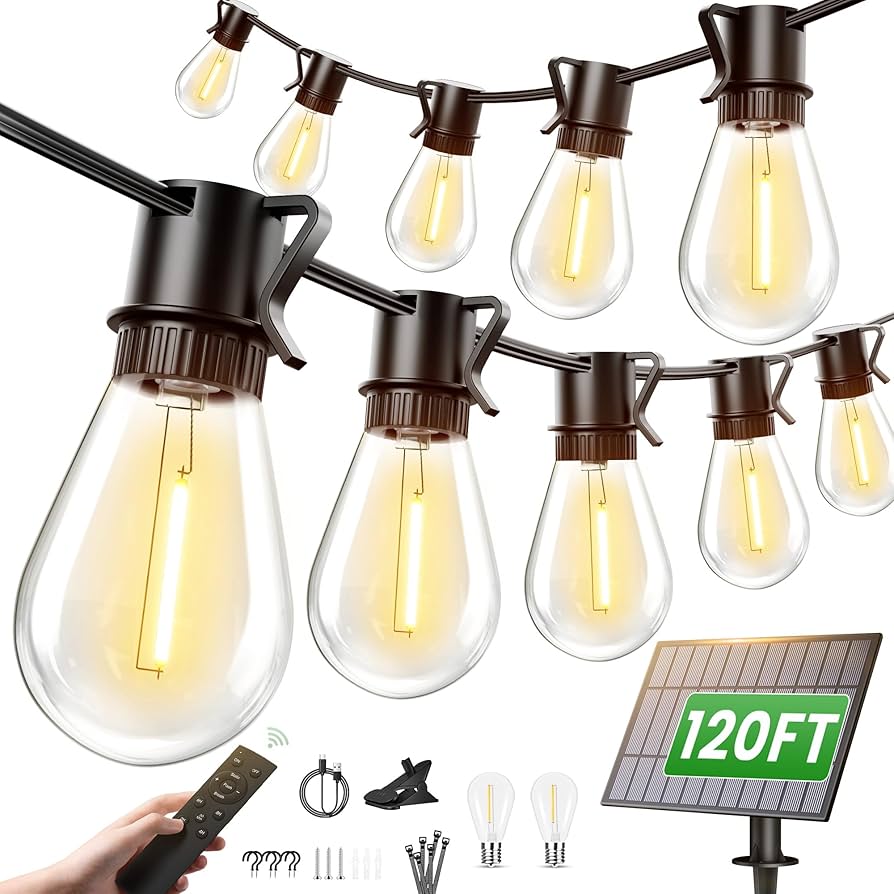
Solar-powered string lights run entirely on sunlight, so they don’t add anything to your electricity bill. They charge during the day and light up automatically at night. This makes them perfect for outdoor spaces without easy access to power outlets.
Keep in mind, solar lights depend on weather and sunlight availability. On cloudy days or in shaded areas, they might not shine as brightly or as long. Still, they offer a sustainable and cost-free lighting option.

Credit: www.amazon.ca
Electricity Consumption Basics
Understanding the basics of electricity consumption helps manage energy use better. String lights are popular but can vary in their power needs. Knowing how much electricity they use saves money and energy.
Wattage Explained
Wattage shows how much power a device uses. It is the rate of energy consumption. A string light with 10 watts uses 10 watts of power every hour it is on. Lower wattage means less electricity used.
Calculating Energy Use
Energy use depends on wattage and time. Multiply the wattage by hours used to get watt-hours. For example, 10 watts used for 5 hours equals 50 watt-hours. Divide by 1,000 to convert to kilowatt-hours (kWh). Electricity bills use kWh as the unit.
Factors Influencing Consumption
- Number of bulbs: More bulbs use more power.
- Type of bulbs: LED bulbs use less electricity than incandescent.
- Length of use: Longer use increases energy consumption.
- Voltage and brightness settings also affect power use.
Comparing Energy Usage
String lights use different amounts of electricity based on their size and type. LED string lights consume far less power than traditional bulbs. Comparing energy use helps choose lights that save electricity and lower bills.
Comparing Energy Usage Understanding how much electricity string lights use can make a big difference in your energy bill and environmental footprint. Whether you’re decorating for the holidays or enhancing your patio, it’s crucial to know which type of string lights are more energy-efficient. Let’s break down the factors that affect energy usage to help you make informed choices.Incandescent Vs Led
Incandescent string lights are notorious for their high energy consumption. Each bulb typically uses about 5 to 10 watts. In contrast, LED bulbs use a fraction of that energy, often around 0.5 to 2 watts per bulb. Switching to LED lights can result in significant energy savings, reducing your costs by up to 80%. Plus, they last longer, meaning fewer replacements and less waste.Impact Of Bulb Count
The number of bulbs in your string lights directly impacts energy usage. A string with 100 incandescent bulbs can consume up to 600 watts. Meanwhile, the same number of LED bulbs might only use 50 watts. Consider using fewer strings or choosing designs that maximize light with fewer bulbs. This simple change can lead to substantial reductions in your overall electricity use.Effect Of Usage Duration
How long you leave your string lights on also affects your energy bill. Running lights for 10 hours a day over a month can add up quickly. If you’re using 100 incandescent bulbs, this could mean an extra 180 kilowatt-hours on your bill. Think about investing in timers to control when your lights are on. This not only saves energy but also extends the life of your lights, keeping your space lit efficiently and sustainably. By considering these aspects, you can enjoy beautiful lighting without the worry of high electricity costs. What changes will you make to your lighting setup this season?Estimating Cost Of Operation
Estimating the cost of running string lights helps you manage your electricity budget. Knowing how much power your lights use clarifies how much you will pay. This section breaks down the steps to figure out your expenses clearly.
Understanding Your Electricity Rate
Electricity rates vary by location and provider. Check your electric bill to find the price per kilowatt-hour (kWh). This rate tells you how much you pay for each unit of energy. Rates usually range between $0.10 and $0.30 per kWh in many areas.
Knowing this number is crucial. It helps convert energy use into actual dollars. Without it, calculating costs is just guesswork.
Calculating Daily And Monthly Costs
First, find the wattage of your string lights. It is often on the packaging or label. Multiply the wattage by the hours you use the lights daily. This gives total watt-hours per day.
Convert watt-hours to kilowatt-hours by dividing by 1,000.
- Daily kWh = (Wattage × Hours) ÷ 1,000
Multiply the daily kWh by your electricity rate. This gives the daily cost. For monthly cost, multiply daily cost by the number of days used.
- Monthly Cost = Daily Cost × Days Used
Seasonal Usage Considerations
String lights often run more in certain seasons, like holidays. Estimate usage based on actual time lit each season. Use different daily hours for different months if needed.
This approach shows how seasonal use affects your bill. It helps plan your energy budget better. Reducing hours in off-season lowers costs significantly.
Tips To Save Energy
Saving energy with string lights helps lower electricity bills and protects the environment. Small changes in how you use and set up lights make a big difference. Brighten your space without wasting power.
Choosing Energy-efficient Lights
LED string lights use far less electricity than traditional bulbs. They last longer and stay cool to the touch. Look for lights labeled “energy-saving” or “LED.”
Check the wattage before buying. Lower wattage means less power use. Brightness does not always mean higher energy use with modern LEDs.
Using Timers And Sensors
Timers turn lights off automatically after a set time. This stops lights from running all night. It’s easy to control lighting hours without forgetting.
Motion sensors switch lights on only when someone is nearby. This reduces energy use in empty spaces. Sensors add convenience and save power.
Optimal Placement And Setup
Place string lights where they shine best. Avoid lighting areas that don’t need it. Use lights to highlight paths or seating areas.
Group lights together to get good brightness from fewer strands. Connect only the number of lights you need. Avoid overloading outlets to prevent energy waste.
:strip_icc()/brightown-outdoor-globe-patio-lights-84fbc48b2d424c6aac166354f14c1117.jpg)
Credit: www.bhg.com
Additional Savings Strategies
Saving electricity on string lights goes beyond just choosing low-watt bulbs. Several smart strategies help reduce energy use and costs. These approaches keep your lights bright without raising your electric bill. Explore options that fit your style and budget.
Solar And Rechargeable Options
Solar string lights charge during the day using sunlight. They turn on automatically at night. No electricity from your home is needed. Rechargeable string lights use batteries you can recharge. They save power and reduce waste. Both options work well for outdoor decorations.
Proper Maintenance
Clean your string lights often to keep brightness high. Dust and dirt reduce light output and cause energy waste. Check bulbs and wires for damage regularly. Replace broken bulbs quickly to avoid extra power use. Store lights properly when not in use to prevent wear.
Energy-efficient Decoration Ideas
- Use LED string lights instead of incandescent bulbs. LEDs use less power and last longer.
- Choose timers or smart plugs to control lighting hours. This prevents lights from running all night.
- Combine string lights with reflective surfaces. Mirrors and light-colored walls amplify light without extra energy.
- Limit the number of strings used. Fewer lights mean less electricity consumption.

Credit: www.amazon.ca
Frequently Asked Questions
How Much Electricity Do Led String Lights Use?
LED string lights use about 5 to 10 watts per 100 feet. They consume significantly less power than traditional incandescent lights, making them energy-efficient and cost-effective for decorating.
Are Led String Lights More Energy-efficient?
Yes, LED string lights use up to 80% less electricity than incandescent bulbs. This efficiency helps reduce your electricity bills and lowers environmental impact.
How To Calculate Electricity Cost For String Lights?
Multiply the wattage by hours used, then divide by 1,000 to get kWh. Finally, multiply by your local electricity rate to estimate the cost.
Do String Lights Increase Your Electricity Bill Significantly?
No, string lights use minimal electricity, especially LEDs. Running them for several hours daily results in a very small increase in your monthly bill.
Conclusion
String lights use surprisingly little electricity. LED lights use much less power than old bulbs. This means lower electric bills and longer use. You can enjoy cozy, bright spaces without worry. Just check the wattage before buying new lights. Small changes can save energy and money.
Brighten your home smartly and simply with string lights.



