
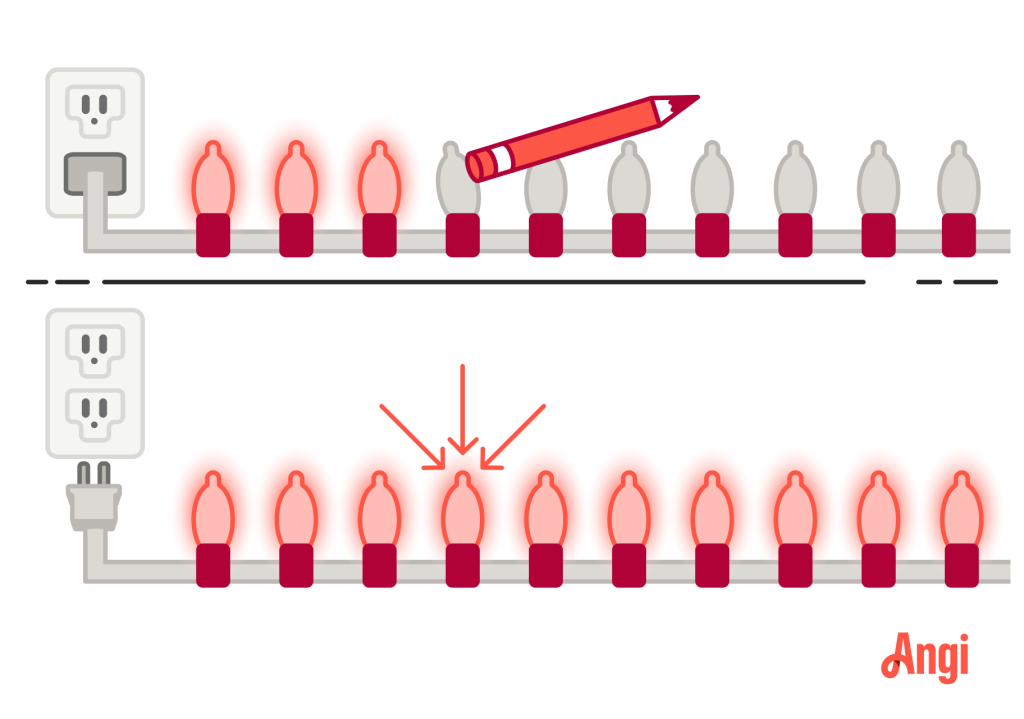
Are you staring at your string of lights, wondering why half of them won’t turn on? It’s frustrating when your beautiful display goes dark, especially when you don’t know what’s wrong.
But don’t worry—fixing a string of lights that’s only half working is easier than you think. You’ll discover simple steps to get every bulb shining bright again. Keep reading, and you’ll have your lights glowing perfectly in no time.

Credit: www.cbc.ca
Common Reasons Lights Go Out
Understanding why half of your string of lights goes out can save you a lot of time and frustration. Often, the issue lies in simple problems you can easily fix yourself. Let’s look at some common reasons your lights stop working properly and how you can identify each one.
Burnt Out Bulbs
One burnt out bulb can cause a whole section of your lights to go dark. This happens because many light strings are wired in series, where one bulb affects the flow of electricity to others. Have you ever noticed a single bulb that looks dimmer or darker than the rest? That’s usually a sign it needs replacing.
Try replacing bulbs one by one until the lights come back on. It’s a straightforward fix that often solves the problem quickly without any special tools.
Loose Connections
Loose bulbs or connections can interrupt the flow of electricity and cause part of your string to go dark. This can happen if bulbs aren’t pushed in fully or if the socket is damaged. Have you checked if all bulbs are firmly seated in their sockets?
Gently press each bulb to ensure it’s secure. Sometimes, just adjusting the plug where the string connects to the power source can restore the connection and light up your display.
Faulty Fuses
Many light strings have small fuses in the plug that protect the circuit. When a fuse blows, part or all of the lights may stop working. If your string suddenly cuts out, could a blown fuse be the culprit?
Open the fuse compartment, usually located on the plug, and inspect the fuses. Replacing a blown fuse is inexpensive and can bring your lights back to life.
Damaged Wires
Worn or damaged wires can break the electrical connection, causing lights to go out. Check for visible signs of fraying, cuts, or kinks along the string. Have you noticed any areas where the wire feels stiff or looks discolored?
Damaged wiring can be a safety hazard, so if you find any, it’s best to replace the entire string rather than trying to repair it. Prioritize your safety and avoid using faulty lights.
Tools Needed For Repairs
Fixing a string of lights when half of them are out requires the right set of tools. Without these, you might spend hours guessing what’s wrong. Having the proper tools not only saves time but also ensures your repair is safe and effective.
Multimeter
A multimeter is essential for checking electrical continuity and voltage. It helps you find where the current stops flowing in your string of lights. If you don’t own one, consider getting a basic model—it’s a small investment that pays off every holiday season.
Have you ever tried to replace bulbs blindly? A multimeter takes the guesswork out by pinpointing the exact problem spot.
Replacement Bulbs
Always keep a set of replacement bulbs on hand. Different light strings require specific bulb sizes and types, so check your packaging or existing bulbs. Having the right replacements ready speeds up the fix and prevents frustration.
It’s surprising how often one tiny burnt-out bulb can cause half your string to fail. Don’t overlook this simple fix.
Electrical Tape
Electrical tape is your go-to for insulating and securing any exposed wires during repairs. It prevents short circuits and protects your hands from potential shocks. Choose high-quality tape that sticks well and withstands outdoor conditions if your lights are outside.
Ever had a repair job fail because the tape peeled off quickly? Investing in good tape makes your fix last longer.
Wire Cutters
Wire cutters help you trim damaged sections of wire cleanly. They make stripping insulation easier when you need to reconnect wires. Using proper cutters instead of scissors keeps your work neat and reduces the risk of further damage.
Imagine trying to cut wires with dull tools—it’s frustrating and dangerous. The right cutters make your job quicker and safer.
Step-by-step Fixes
Check each bulb carefully and replace any that are burnt out or broken. Ensure all bulbs are firmly seated in their sockets. Test the fuse in the plug and replace it if necessary to restore power to the entire string.
Troubleshooting a string of lights that’s half out can be frustrating, especially when you’re in the midst of holiday decorating. But don’t worry, there are practical fixes you can apply to bring those lights back to life. Each step below will guide you through identifying and solving common issues with string lights.Identify The Problem Area
First, turn on the lights to see which section is out. Use a voltage tester to locate the faulty section if needed. This step is crucial to avoid wasting time on the wrong area.Replace Burnt Out Bulbs
Check each bulb in the problem area. Replace any that appear dark or have a broken filament. A single burnt-out bulb can cause the entire section to fail.Secure Loose Connections
Ensure all bulbs are securely plugged into their sockets. Loose connections can disrupt the circuit, causing sections to go dark. Gently press down on each bulb to ensure a snug fit.Check And Replace Fuses
Unplug the lights and open the fuse compartment, usually located in the plug. Look for any burnt or broken fuses and replace them with new ones of the same rating. This can often solve issues caused by power surges.Repair Damaged Wires
Inspect the length of the string for any visible wire damage. Use electrical tape to cover minor cuts or frays. For more significant damage, it might be necessary to replace the entire string for safety. By following these steps, you’ll likely find and fix the issue, restoring your lights to their festive glory. Have you ever found yourself struggling with a similar problem? What unexpected solutions have you discovered? Share your experiences in the comments!Preventive Tips
Keeping your string of lights fully functional starts long before you plug them in. Preventive care can save you from the frustration of half-lit strands and unexpected outages. Paying attention to how you handle and maintain your lights makes a big difference in their lifespan and performance.
Proper Storage
How you store your lights after use affects their condition. Avoid stuffing them loosely into boxes where wires can tangle and break. Instead, coil them gently around a spool or a piece of cardboard to keep the wires straight and untangled.
Also, store lights in a dry, cool place away from direct sunlight or extreme temperatures. Moisture and heat can damage the wiring insulation and cause shorts. Think about how you treat delicate gadgets; lights need similar care to last.
Regular Inspection
Check your string of lights before each use to spot any damage early. Look for frayed wires, broken bulbs, or loose connections. Even a single bad bulb can cause part of the strand to go dark.
Try to test the lights as you inspect them, so you catch issues that aren’t visible. Have you ever missed a tiny crack that later caused a full blackout? Catching problems early saves you time and keeps your decorations shining bright.
Avoid Overloading Circuits
Plugging too many light strands into one outlet can cause electrical overloads and damage your lights. Know the wattage limits of your circuits and follow the manufacturer’s recommendations on how many strands to connect.
Use power strips with built-in circuit breakers or timers for extra safety. If you’ve ever tripped a breaker while decorating, you understand how overloading can disrupt your plans and harm your lights.
When To Replace The Entire String
Knowing when to replace the entire string of lights saves time and ensures safety. Small fixes work for minor issues. But some problems need a full replacement. This section helps identify those signs clearly.
Extensive Damage
Check the string for many broken or burnt bulbs. Worn-out wiring or exposed wires mean serious damage. Repairing many parts is hard and may not last. Replace the whole string to avoid future problems and extra work.
Outdated Lights
Old strings may not meet today’s safety rules. Technology changes with better energy use and safer designs. If your lights are very old, replacing them is smarter. New lights look better and work more reliably.
Safety Concerns
Frayed wires, sparks, or a burning smell are warning signs. These conditions can cause fires or electric shocks. Do not try to fix unsafe lights. Replace the entire string immediately to protect your home and family.

Credit: us.govee.com

Credit: www.reddit.com
Frequently Asked Questions
Why Are Half My String Lights Not Working?
Half the string lights may not work due to a blown fuse or a broken bulb. Check fuses in the plug and replace any faulty bulbs to restore full function.
How Do I Find The Broken Bulb In String Lights?
Turn off the lights and inspect each bulb carefully. Replace any dark or damaged bulbs. Use a bulb tester or swap bulbs to identify the faulty one.
Can I Fix String Lights Without Replacing Bulbs?
Yes, sometimes loose bulbs or bad fuses cause issues. Tighten bulbs and check fuses first. Replace fuses if needed before buying new bulbs.
What Safety Tips Should I Follow When Fixing Lights?
Always unplug string lights before inspection or repair. Use insulated tools and avoid water contact. Replace damaged wires or bulbs to prevent electrical hazards.
Conclusion
Fixing a string of lights half out is simple with the right steps. Check bulbs and connections carefully. Replace any broken or loose bulbs. Make sure the plug and wires have no damage. Test the lights after each fix. This saves time and avoids frustration.
Bright, working lights create a festive mood. Keep these tips handy for future problems. Brighten your space without hassle. Enjoy your lights shining fully again.



