
Are you wondering how many string lights you can safely connect together without causing a mess or a blackout? You’re not alone.
Whether you’re decorating your home for the holidays or creating a cozy outdoor space, knowing the right limit is key. Connecting too many lights can lead to overheating or blown fuses, but connecting too few might leave your space dim and dull.
You’ll discover exactly how to link your string lights the smart way—keeping your decorations bright, safe, and stunning. Keep reading to light up your space without worries!

Credit: www.amazon.com
Types Of String Lights
String lights come in various types, each designed to fit different needs and settings. Choosing the right type affects how many you can safely connect together. Understanding these types helps you create a beautiful, well-lit space without overloading your circuits or risking safety.
Incandescent Vs Led
Incandescent string lights use traditional bulbs that get warm and consume more energy. They usually allow fewer strands to be connected because of higher power draw and heat production.
LED string lights are more energy-efficient and run cooler. You can often connect more LED strands together, sometimes up to 50 or more, depending on the manufacturer’s guidelines.
Think about your setup: do you want a warmer glow or longer strings? Your choice impacts how many lights you can safely link.
Battery Operated Vs Plug-in
Battery operated string lights offer flexibility since you don’t need an outlet. However, they usually come in shorter lengths and can’t be connected end-to-end like plug-in lights.
Plug-in string lights draw power directly from an outlet, allowing for longer runs and the possibility to connect multiple strands. But you need to be mindful of the total wattage to avoid overloading the circuit.
Ask yourself where you want to place your lights. Is there easy access to power? This affects the type you should pick and how many you can connect.
Indoor Vs Outdoor
Indoor string lights are not built to handle moisture or harsh weather. Connecting many strands indoors is generally safer, but you still need to follow the manufacturer’s limits.
Outdoor string lights are designed to withstand rain and wind. They often have thicker insulation and may allow longer connections, but safety rules about maximum connections still apply.
Are your lights going inside your living room or outside on your porch? This decision guides not only the type but also the number of strands you can safely link.

Credit: www.amazon.com
Power Limits And Safety
Understanding the power limits of string lights is vital for safety and performance. Overloading electrical circuits can cause hazards like fires or damage to your lights. Properly managing how many lights you connect together keeps your display safe and bright.
Maximum Wattage Per String
Each string of lights has a maximum wattage rating. This number shows how much power the string uses safely. Exceeding this wattage risks overheating and damage. Check the label or manual for this rating before linking strings. Use only strings with compatible wattage to avoid problems.
Circuit Breakers And Fuses
Circuit breakers and fuses protect your home’s electrical system. They stop power if the current is too high. This prevents wires from overheating and causing fires. Make sure your lights do not exceed the circuit’s capacity. Replace any blown fuses or tripped breakers before adding more lights.
Avoiding Overloads
- Know the total wattage of all connected strings.
- Do not exceed the maximum wattage allowed per outlet.
- Use extension cords rated for outdoor use and proper wattage.
- Spread lights across multiple circuits if needed.
- Turn off lights when unattended to reduce risk.
Following these steps helps prevent electrical overloads. This keeps your decorations safe and your home protected.
Connecting Multiple Strings
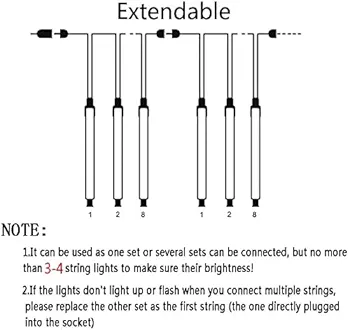
String lights can usually be connected up to a certain limit set by the manufacturer. Exceeding this limit may cause electrical issues or dim lights. Always check the packaging for the maximum number of strings to join safely.
Connecting multiple strings of lights can create a stunning display. It’s essential to know the safe way to connect them. Proper connection ensures safety and functionality. Let’s explore some important aspects.Manufacturer Recommendations
Always check the manufacturer’s guidelines first. Each set of lights has a recommended limit. Exceeding this limit may cause overheating. It can also lead to electrical hazards. Read the packaging or manual carefully. Look for the maximum wattage or amperage. This ensures you stay within safe limits.Series Vs Parallel Wiring
Understand the difference between series and parallel wiring. Series wiring connects lights in a single path. If one bulb fails, others might go out. Parallel wiring connects each bulb independently. This setup keeps other lights on if one fails. Choose the right wiring for your needs. It affects the number of strings you can connect.Extension Cord Usage
Use extension cords wisely. Make sure they are outdoor-rated if used outside. Check their wattage capacity. Avoid overloading them with too many strings. Keep cords away from water and heat sources. Regularly inspect them for damage. Safe usage prevents electrical accidents and ensures a bright display.
Credit: www.amazon.com
Voltage Drop And Brightness
Voltage drop affects how bright string lights stay across long distances. When electricity travels through wires, some power is lost. This loss lowers the voltage at the far end of the string lights. Lower voltage means dimmer lights. Understanding this helps keep lights bright and safe.
Effects Of Long Runs
Long runs cause more voltage drop. The farther the electricity travels, the weaker it gets. Lights at the end of a long string will shine less brightly. This can make the display look uneven. Uneven brightness reduces the overall appeal of your lights.
Maintaining Consistent Brightness
Keeping brightness steady requires limiting voltage drop. Using thicker wires helps because they carry electricity better. Shorter runs keep voltage loss low. Some string lights come with built-in voltage regulators. These devices help keep the power steady along the string.
Tips To Minimize Voltage Drop
- Use wires with larger gauge for longer strings.
- Connect fewer strings together to avoid overloading.
- Plug strings into multiple power sources if possible.
- Choose LED lights; they use less power and maintain brightness.
- Regularly check connections to ensure they are tight.
Common Mistakes To Avoid
Connecting multiple string lights might seem simple. Yet, common mistakes can cause safety risks or damage your lights. Avoiding these errors ensures your setup works well and lasts longer.
Ignoring Manufacturer Limits
Every string light has a maximum number you can safely connect. Ignoring this limit can cause overheating and fire hazards. Always check the packaging or manual for connection limits. Following these rules protects your home and lights.
Using Incorrect Power Sources
Using the wrong power source can damage your string lights. Plugging lights meant for indoor use into outdoor outlets is unsafe. Also, avoid using extension cords that are not rated for the lights’ power needs. Choose the correct power source to keep your lights working safely.
Improper Installation Practices
Improper installation can lead to tangled wires or broken bulbs. Avoid stretching wires too tightly or hanging lights near sharp edges. Secure lights with clips designed for string lights, not nails or staples. Proper installation prevents damage and keeps lights shining bright.
Troubleshooting Connection Issues
Troubleshooting connection issues with string lights is crucial for a bright display. Faulty connections often cause lights to dim, flicker, or go out. Knowing how to spot and fix these problems saves time and frustration.
Identifying Faulty Bulbs
Check each bulb for damage or dark spots. A faulty bulb can break the circuit and turn off many lights. Replace bulbs that look burnt or have blackened tips. Use a bulb tester for quick checks. Swap bulbs with working ones to find the problem.
Dealing With Flickering Lights
Flickering often means a loose connection or a bad bulb. Inspect the string for damaged wires or broken sockets. Tighten bulbs by gently twisting them. Avoid over-tightening to prevent damage. If flickering continues, try replacing bulbs one at a time.
Fixing Loose Connections
Loose plugs or sockets cause power loss. Unplug the string and inspect each connection point. Push plugs firmly into sockets. Clean any dirt or debris inside connectors. Use electrical tape for added security if needed. Make sure power sources are stable and not overloaded.
Energy Efficiency Considerations
Energy efficiency is key when connecting multiple string lights. It helps save electricity and lowers bills. Efficient lighting also reduces heat output and extends bulb life. Choosing the right type of lights and controls can make a big difference. Smart use of timers and reducing power use ensures safety and comfort. Here are some ways to keep your string lights energy-friendly.
Choosing Led For Long Runs
LED string lights use much less energy than traditional bulbs. They last longer and stay cooler, making them safer for long runs. LEDs maintain brightness without drawing extra power. Their durability means fewer replacements and less waste. LEDs also come in many colors and styles. This flexibility suits any decoration without extra cost or power use.
Smart Controls And Timers
Smart controls let you manage your lights easily. You can set timers to turn lights on and off automatically. This avoids lights running all night unnecessarily. Some smart plugs work with apps or voice assistants. They help save energy by limiting usage to needed hours. Motion sensors can also switch lights on only when someone is nearby.
Reducing Power Consumption
Using fewer lights or lower brightness reduces energy use. Choose string lights with energy-efficient ratings. Group lights on a single circuit but avoid overloading. Turn off lights in unused rooms or during daylight. Regularly check for damaged wires or bulbs that waste power. Simple habits help cut electricity costs and keep your home safe.
Creative Uses For Connected Lights
Connected string lights offer endless creative possibilities. They brighten spaces and set moods. Linking multiple strands lets you cover larger areas and customize designs. Explore ways to use connected lights that enhance any setting.
Decorating Large Spaces
Connected string lights are perfect for large rooms or outdoor areas. They create a warm, inviting glow across wide spaces. Use multiple strands to outline ceilings, patios, or fences. This approach ensures consistent lighting without dark spots. Hanging lights in patterns adds style and charm to any big space.
Holiday And Event Lighting
String lights bring festive energy to holidays and events. Connect several sets to cover trees, walls, or tents. They add sparkle to celebrations like Christmas, weddings, and parties. Mixing different light colors or shapes creates unique effects. This simple setup transforms ordinary events into memorable occasions.
Customizing Light Lengths
Connecting lights lets you tailor lengths to fit specific areas. Cut or join strands to match furniture, doorways, or artwork. This flexibility avoids excess cables and clutter. Properly connected lights maintain a neat and organized look. Custom lengths help highlight features without overpowering the space.
Frequently Asked Questions
How Many String Lights Can I Safely Connect?
You can safely connect 3 to 5 standard string light sets. Always check the manufacturer’s instructions for specific limits. Overconnecting can cause overheating and fire hazards.
What Factors Limit String Light Connections?
Limitations include wattage, amperage, and wire gauge. Exceeding electrical ratings risks short circuits and damage. Use lights designed for linking to avoid issues.
Can I Connect Led String Lights Differently?
LED string lights allow more connections, often up to 10 sets. They consume less power, reducing overload risks. Still, follow the product’s guidelines for safe linking.
How Do I Avoid Overloading String Lights?
Check the maximum number of connections on the packaging. Use lights with built-in safety features like fuses. Avoid daisy-chaining too many sets beyond recommended limits.
Conclusion
Connecting too many string lights can cause safety issues and power problems. Always check the manufacturer’s limit before linking more strands. Using the right extension cords and plugs helps keep your setup safe. Remember, less is often more when decorating with lights.
Keep your strings neat and avoid overloading circuits. This way, your lights will shine brightly without risk. Enjoy your festive space with confidence and care.



