
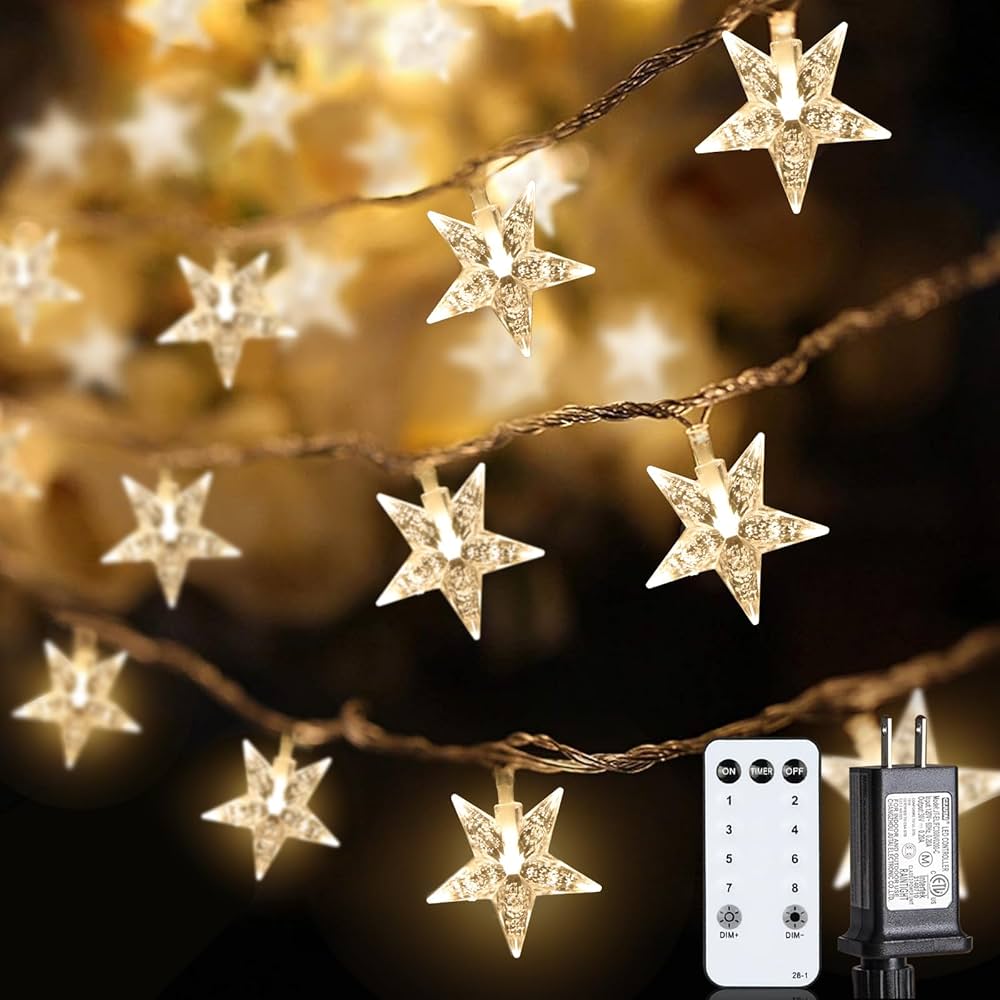
Are you planning to light up your home with LED Christmas lights but unsure how many strands you can safely connect? You’re not alone.
Knowing the right number to string together can save you from blown fuses, flickering lights, or even fire hazards. You’ll discover simple tips to help you connect your LED lights safely and effectively. Keep reading to make your holiday decorations shine bright without any worries!

Credit: www.amazon.ca
Led Christmas Lights Basics
Understanding the basics of LED Christmas lights helps in safely stringing many together. These lights use less energy and last longer than traditional bulbs. Knowing their types, power needs, and electrical details ensures proper setup. This knowledge prevents overload and keeps decorations bright and safe.
Types Of Led Lights
LED Christmas lights come in various styles. Common types include:
- Mini string lights – small bulbs, great for trees and wreaths.
- C6 and C7 bulbs – bigger bulbs, often used for outdoor decoration.
- Rope lights – flexible tubes with lights inside, perfect for outlining.
- Net lights – grids of lights for easy coverage over bushes and shrubs.
Each type has different brightness and length options.
Power Requirements
LED lights use low power but require attention to limits. The power rating shows how much electricity a string consumes. It is important to check the maximum number of strings allowed per outlet or circuit. Exceeding power limits can cause blown fuses or fire hazards.
Most LED strings use less power than incandescent lights. This means more strings can connect safely in one line.
Voltage And Wattage
Voltage is the electrical force that drives the lights. Most LED Christmas lights operate on 120 volts in the US. Wattage measures the energy used by the lights.
| Type | Typical Voltage | Typical Wattage per String |
|---|---|---|
| Mini LED String | 120V | 5-10W |
| C7/C9 LED Bulbs | 120V | 10-20W |
| Rope Lights | 120V | 10-15W per 25 feet |
Lower wattage means more strings can connect safely. Always check the product label for exact voltage and wattage.
Maximum String Length
Knowing the maximum string length of your LED Christmas lights is key to creating a dazzling display without risking safety or performance issues. Overloading a string can cause lights to dim or even create fire hazards. Let’s break down what determines the maximum length you can safely connect.
Manufacturer Limits
Each brand sets its own maximum number of strings that you can safely connect end-to-end. This limit is based on the design and electrical capacity of the lights.
For example, some LED light sets allow linking up to 50 strings, while others may only permit 10 or 15. Always check the packaging or instruction manual for these details.
Ignoring manufacturer limits can cause overheating or damage to your light strings. Have you ever tried to connect more lights than recommended and noticed a dimming effect? That’s a sign you exceeded the safe limit.
Safety Standards
Safety standards from organizations like UL (Underwriters Laboratories) or ETL (Electrical Testing Laboratories) guide how many strings can be connected safely. These certifications ensure the lights meet electrical safety requirements.
Certified lights have undergone rigorous testing to prevent electrical hazards. Using uncertified lights or ignoring these standards increases the risk of fire or electric shock.
When purchasing new lights, look for these safety marks. Are your lights certified? This simple check can save you from costly or dangerous problems.
Common String Lengths
Most LED Christmas light strings range from 25 to 100 feet in length. The number of bulbs per string can vary, but many sets include 50 to 100 lights per string.
Manufacturers often recommend connecting 3 to 5 strings together, depending on wattage and design. For example, a set might allow you to link up to 5 strings of 100 lights each safely.
| String Length | Lights per String | Typical Maximum Strings to Connect |
|---|---|---|
| 25 feet | 50 lights | 5 strings |
| 50 feet | 100 lights | 3 strings |
| 100 feet | 200 lights | 2 strings |
Knowing these numbers helps you plan your setup without guessing. How long can you make your display before the lights start to lose brightness or become unsafe?
Factors Affecting Stringing Capacity
Stringing LED Christmas lights involves understanding several important factors. These factors ensure safety and optimal performance. Knowing them helps prevent electrical issues or damage.
Bulb Wattage
Bulb wattage affects how many lights you can string together. Lower wattage bulbs allow more strings to connect. LED lights typically have lower wattage than traditional bulbs. This makes them ideal for longer strings. Always check the wattage on the packaging. It provides guidance on safe stringing limits.
Wire Gauge
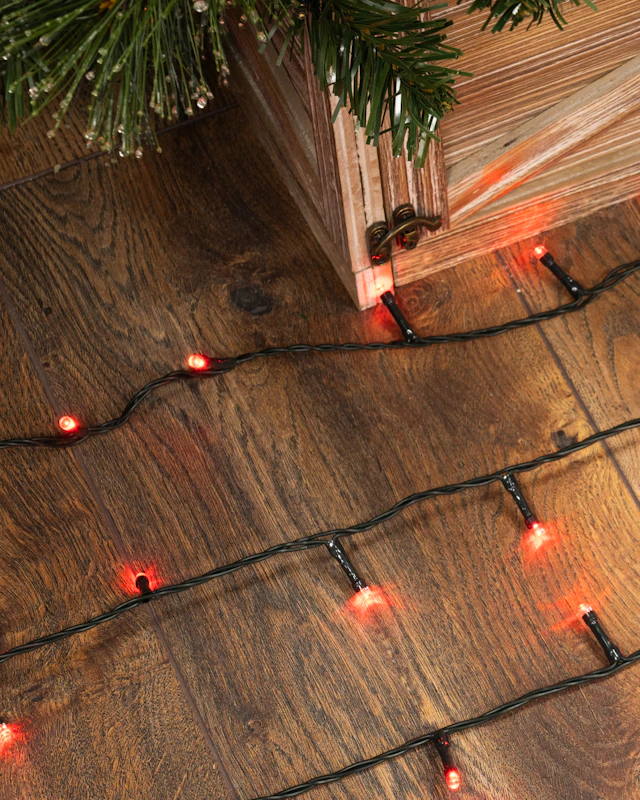
Wire gauge influences the stringing capacity of your lights. Thicker wires can handle more electrical load. This allows for longer strings. Thinner wires may heat up if overloaded. Always use the recommended wire gauge for your lights. This ensures safety and efficiency.
Power Source
The power source is crucial for determining stringing capacity. A standard household outlet can power several strings. But don’t overload it. Consider using a power strip with a circuit breaker. This helps manage the electrical load. Always check the power requirements of your lights. This prevents electrical hazards.
Credit: www.christmastreeworld.co.uk
Connecting Multiple Strings
Connecting multiple strings of LED Christmas lights allows for a brighter, longer display. Understanding how to join these strings safely is key. Proper connections prevent damage and keep your lights shining throughout the season.
Series Vs Parallel Wiring
LED lights can be wired in two main ways: series and parallel. In series wiring, lights share the same current. If one bulb fails, the whole string may go out. Parallel wiring allows each bulb to work independently. One bulb going out won’t affect the others. Most modern LED strings use parallel wiring for safety and reliability.
Connectors And Adapters
Connectors and adapters help join multiple light strings. Use connectors designed for your lights’ voltage and type. Some connectors snap together for easy setup. Adapters convert plugs to fit different outlets or light types. Always check compatibility before connecting. Using the wrong connector can cause shorts or breaks.
Avoiding Overloads
Overloading circuits causes wires to overheat and lights to fail. Each string has a maximum number of strings you can safely connect. Check the manufacturer’s instructions for limits. Use a power strip with a built-in circuit breaker. Spread connections across different outlets if possible. Never connect too many strings in one line to avoid fire hazards.
Safety Tips
Safety should always be your top priority when stringing together LED Christmas lights. Ignoring simple precautions can lead to electrical hazards or even fires. Taking a few extra minutes to check and prepare your lights ensures a festive and worry-free holiday season.
Inspecting Lights
Before plugging in your lights, carefully examine each strand for damage. Look for frayed wires, broken bulbs, or loose connections. Even a small crack in the insulation can cause a short circuit or shock.
I once overlooked a tiny cut in the wire, which sparked and damaged the entire strand. That experience taught me to never skip this step. If you find any defects, replace the lights immediately rather than risk an accident.
Using Proper Extension Cords
Not all extension cords are created equal, especially when it comes to holiday lighting. Make sure you use cords rated for the power load of your LED lights and the environment they’ll be in.
- Use heavy-duty cords for outdoor displays.
- Avoid overloading a single outlet by plugging in too many strands.
- Check that cords have no cuts or exposed wires.
Have you ever noticed your extension cord getting warm? That’s a warning sign you’re pulling too much current, which can cause overheating. Always spread out your lights across multiple circuits if possible.
Outdoor Vs Indoor Use
Using the right lights for the right space is crucial. Indoor lights aren’t built to withstand rain, snow, or temperature swings. Plugging indoor-only lights outside can cause electrical failures or fires.
Look for labels that specify “for outdoor use” before hanging lights outside. Outdoor lights have thicker insulation and waterproof connectors designed to handle the elements.
Remember, a bright display isn’t worth risking your safety. Choosing the right type of light ensures your decorations last and keep your home protected.
Troubleshooting Common Issues
Troubleshooting LED Christmas lights helps keep your decorations bright and safe. Small issues can stop the whole string from working. Fixing these problems quickly saves time and frustration. Understanding common faults lets you enjoy your lights without hassle.
Identifying Faulty Bulbs
Check each bulb carefully for dark spots or broken filaments. Faulty bulbs often cause sections of lights to go out. Swap out suspicious bulbs with a working one to test. Use a bulb tester or multimeter for accurate results. Replace bulbs that do not light up or flicker.
Dealing With Flickering Lights
Flickering often means a loose connection or a bad bulb. Inspect sockets for dirt, corrosion, or damage. Tighten bulbs gently to ensure proper contact. Clean sockets with a soft brush or cloth if dirty. Replace bulbs or strings that flicker continuously despite cleaning.
Replacing Damaged Strings
Cut out any damaged sections of the string carefully. Use manufacturer-approved connectors to join new sections. Avoid overloading circuits by following recommended string limits. Dispose of damaged strings safely to prevent hazards. Always test new strings before final installation.
Energy Efficiency
Energy efficiency matters a lot when you’re deciding how many LED Christmas lights to string together. It affects not just your electricity bill but also how safe and sustainable your holiday decorations are. Understanding the energy use behind LED lights helps you make smarter choices for your home and the environment.
Comparing Led To Incandescent
LED lights use about 80-90% less energy than incandescent bulbs. This means you can string many more LED lights together without overloading your circuits. Unlike incandescent bulbs that get hot, LEDs stay cool, reducing the risk of fire hazards.
I once switched to LED lights for my holiday display and noticed the power bill barely moved, even with double the lights. That’s a clear advantage if you want a bright, festive look without the extra cost.
Power Consumption Tips
- Check the wattage per string before buying. Lower wattage means less power used.
- Avoid mixing different brands or types in one string to prevent uneven power draw.
- Use multiple shorter strings instead of one very long string to keep power distribution safe.
- Turn off lights during the day or use a timer to save energy automatically.
Paying attention to these details helps you avoid tripping breakers or wasting electricity. Have you ever had a fuse blow while decorating? These tips can stop that from happening.
Smart Controls
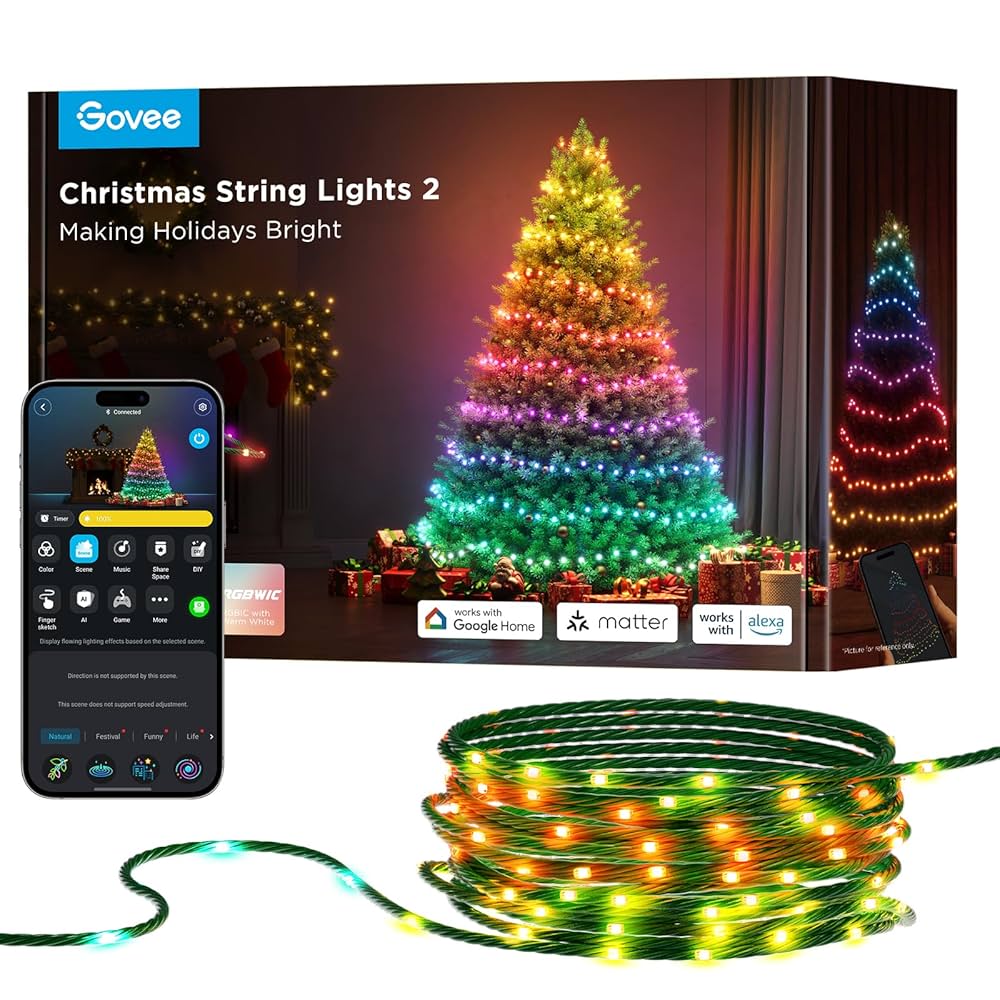
Smart plugs and timers give you control over when your lights turn on and off. You can schedule them to operate only during peak viewing hours, saving energy without losing the festive mood.
Using smartphone apps, you can even dim your LED lights or create custom light shows. This flexibility means you don’t have to keep them at full brightness all night, which cuts down power use.
Imagine setting your lights to come on just at dusk and turn off by midnight automatically. Doesn’t that sound like a simple way to save energy and add convenience?
Credit: www.amazon.ca
Creative Lighting Ideas
Creative lighting ideas make your holiday decor stand out. Using LED Christmas lights in unique ways can brighten your home with charm. These ideas help you use lights safely and beautifully. Experiment with layering, colors, and smart controls.
Layering Multiple Strings
Layering strings adds depth and sparkle to your display. Start with a base of white or warm lights. Add colored strings on top for contrast. Drape lights over bushes, railings, or windows in layers. This creates a rich, glowing effect. Use clips or hooks to keep lights secure. Avoid overloading one outlet by spreading strings across circuits.
Color Combinations
Mixing colors can create festive moods. Classic red and green evoke holiday spirit. Cool blue and white offer a wintery feel. Try soft pastels for a cozy look. Use one color for large areas and another for accents. Keep colors balanced to avoid harsh contrasts. Colored bulbs in different sizes add visual interest. Change colors in sections to highlight features.
Using Timers And Sensors
Timers and sensors save energy and effort. Set timers to turn lights on at dusk and off at bedtime. Motion sensors light up pathways when guests arrive. Light sensors adjust brightness as daylight changes. These tools make your display eco-friendly. They also extend the life of your LED lights. Simple to use and install, they add smart control to your decorations.
Frequently Asked Questions
How Many Led Christmas Lights Can I Safely String?
You can safely string about 200 to 300 LED lights together. Always check the manufacturer’s guidelines for exact limits. Exceeding limits risks overheating and electrical issues.
Why Do Led Christmas Lights Have String Limits?
String limits prevent electrical overload and fire hazards. LED lights draw less power, allowing longer strings than traditional bulbs. Follow limits to ensure safety and optimal performance.
Can I Connect Different Brands Of Led Lights?
It’s best to avoid mixing brands. Different brands may have varying voltage and wattage limits. Mixing can cause malfunction or safety risks. Use lights from the same manufacturer.
What Happens If I Exceed Led String Limits?
Exceeding limits may cause lights to dim, flicker, or fail. It can also create fire hazards due to overheating. Always adhere to manufacturer instructions to avoid damage.
Conclusion
Knowing the right number of LED Christmas lights to string keeps your display safe. Too many lights can cause overheating or blow fuses. Follow the manufacturer’s limit on each strand for best results. Use extension cords rated for outdoor use when needed.
Check connections often to avoid problems. Enjoy bright, beautiful lights without worry. Brighten your holidays safely and simply.



