

Imagine turning your patio into a cozy, magical space where you can relax or entertain anytime. Hanging string lights on your patio cover is one of the easiest ways to create that warm, inviting glow.
But if you’re wondering how to do it without making a mess or damaging your space, you’re in the right place. In this guide, you’ll discover simple, step-by-step tips to hang your string lights safely and beautifully. By the end, your patio will be ready to shine bright and make every evening special.
Let’s get started!
Choosing The Right Lights
Choosing the right lights for your patio cover can transform your outdoor space into a cozy, inviting retreat. The right string lights set the mood, provide adequate lighting, and withstand outdoor conditions. Before you start hanging, consider the types of lights, their durability, and energy efficiency to make a smart choice that fits your style and needs.
Types Of String Lights
There are many styles of string lights to pick from, and each creates a different vibe. Classic globe bulbs offer a warm, vintage feel, perfect for casual gatherings. Edison bulbs add a rustic charm, while fairy lights provide a delicate, whimsical touch for intimate settings.
Think about your patio’s atmosphere. Do you want bright, clear lighting for evening dinners or soft, ambient light for relaxing? Also, consider the length and spacing of bulbs to match your patio size and layout.
Outdoor Durability
Lights designed for outdoor use are built to handle weather changes like rain, wind, and sun exposure. Look for strings labeled as weather-resistant or waterproof, often rated with an IP (Ingress Protection) number. An IP65 rating, for example, means the lights can resist water jets and dust, which is ideal for patio covers.
My first attempt with cheap indoor string lights outdoors ended in disappointment after a rainy night. Investing in durable, outdoor-rated lights saved me from frequent replacements and hassle. You want lights that last through seasons without fading or breaking.
Energy Efficiency Options
LED string lights are the best choice if you want bright light without high energy bills. They use a fraction of the electricity compared to traditional incandescent bulbs and last much longer. Plus, LEDs stay cool to the touch, reducing fire risk on wooden patio covers.
If you’re eco-conscious, consider solar-powered string lights. They charge during the day and automatically turn on at night, cutting out electricity use entirely. However, make sure your patio cover gets enough sunlight for the solar panels to work effectively.
Gathering Necessary Tools
Gathering the right tools makes hanging string lights on your patio cover easier. It saves time and ensures a safer setup. Having everything ready helps avoid interruptions and frustration. This section lists the essential tools and safety gear you need before starting.
Basic Tools Checklist
- String lights suitable for outdoor use
- Measuring tape to check distances
- Ladder for reaching high spots
- Drill or screwdriver for mounting hardware
- Hooks, nails, or clips for securing lights
- Extension cords rated for outdoor use
- Wire cutters or scissors to trim excess cord
- Electrical tape for extra protection
Safety Equipment
- Protective gloves to avoid cuts and scrapes
- Safety glasses to protect your eyes
- Non-slip shoes for stable footing
- Helmet or hard hat if working near hard surfaces
- Spotter or helper to hold the ladder steady
Planning The Layout
Decide where the lights will hang to create a balanced look on your patio cover. Measure the area to ensure the string lights fit well. Consider power source locations for easy plug access.
Planning the layout of your string lights is a crucial step to achieving a stunning and functional patio cover. A well-thought-out plan can transform your outdoor space into a magical oasis. It requires careful consideration of your space, design preferences, and power availability.Measuring The Patio Cover
Start by measuring your patio cover. Use a tape measure to determine the width, length, and height. This will help you calculate how many lights you need. Consider any architectural features like beams or posts that might affect your layout. Do you want the lights to run parallel or crisscross? Knowing these details upfront saves time and effort later.Designing The Light Pattern
Once you have your measurements, think about the design. Do you prefer a simple linear pattern or something more intricate like a zigzag? Sketch a rough diagram on paper or use design software if you’re tech-savvy. This visual aid can help you spot potential issues before you start hanging. Get creative! Mix bulb colors or sizes for a unique look. But keep in mind, consistency often brings elegance.Identifying Power Sources
Identify your power sources next. Locate nearby outlets and check if you need extension cords. Consider energy-efficient LED lights. They consume less power and reduce your electricity bill. If outlets are scarce, solar-powered string lights offer a hassle-free solution. Just ensure they receive enough sunlight during the day. Have you thought about safety? Ensure cords don’t become tripping hazards and are weather-resistant. Safety should always be a priority in your planning.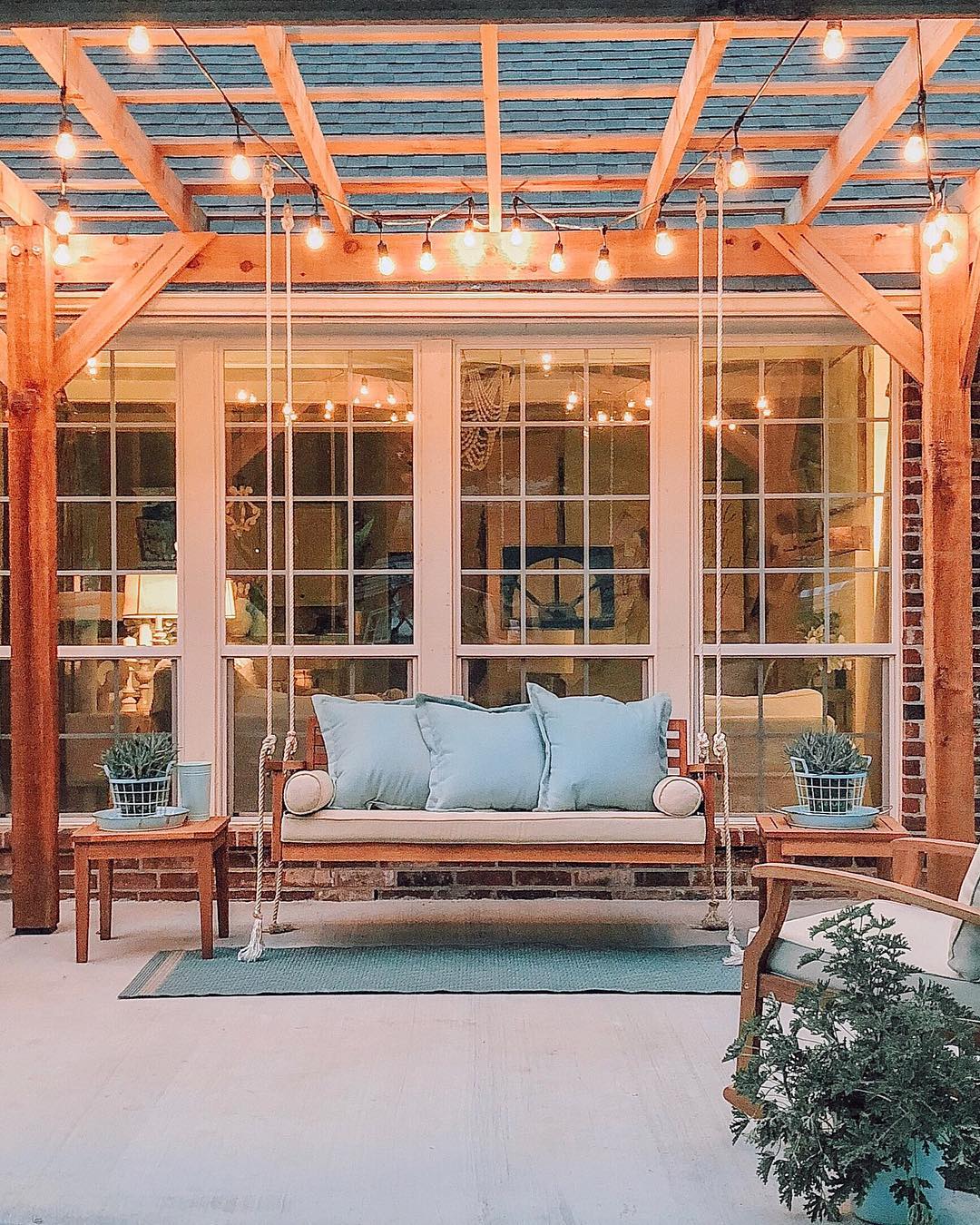
Credit: www.extraspace.com
Preparing The Patio Cover
Preparing your patio cover is essential before hanging string lights. A clean and sturdy surface ensures the lights stay in place and look great. Take time to inspect and ready the area for the best results.
Cleaning The Surface
Remove dirt, dust, and cobwebs from the patio cover. Use a soft brush or cloth to wipe down beams and rafters. Cleaning prevents debris from weakening light attachments. A clean surface helps the hooks or clips stick better.
Checking For Secure Attachments
Look for any loose or damaged parts on the patio cover. Tighten screws and nails to make sure the structure is stable. Check wood for cracks or rot that could cause issues. Secure attachments give strong support for string lights. Safety and durability come first when hanging lights.
Installing Hooks And Clips
Installing hooks and clips is a key step in hanging string lights on your patio cover. These small tools hold your lights securely and help you create a neat, attractive setup. Choosing the right spots and hardware can make your lights last longer and look better.
Choosing Attachment Points
Start by finding strong, stable points on your patio cover to attach hooks or clips. Look for solid wood beams, metal supports, or other sturdy structures that can bear the weight of the lights without bending or breaking.
Avoid thin or fragile materials that might crack or wear out quickly. Think about the layout of your lights and how they will hang—do you want them to drape, zigzag, or run straight? This will influence where you place your hooks.
Types Of Hooks And Clips
There are several options for attaching string lights, each with its own benefits. S-hooks are easy to install and remove, perfect if you want flexibility. Screw-in hooks offer strong, permanent support but require drilling.
Plastic clips are great for gutters and edges without causing damage. Magnetic hooks work well on metal surfaces and are simple to reposition. Choose based on your patio material and how often you want to change your lights.
Proper Installation Techniques
Make sure you drill pilot holes before inserting screw-in hooks to prevent wood splitting. Use a level or measuring tape to space hooks evenly—uneven spacing can cause your lights to hang awkwardly or sag.
Secure clips firmly but avoid overtightening, which can damage your patio structure or the clip itself. Test the setup by gently pulling on the string lights to ensure everything is stable before you plug them in.

Credit: us.govee.com
Hanging The Lights
Hanging string lights on your patio cover can transform your outdoor space into a warm, inviting retreat. It’s more than just draping lights; it’s about creating an even glow that highlights your patio’s charm. Paying attention to how you hang the lights ensures they stay secure and look great for every gathering.
Stringing The Lights Evenly
Start by measuring the length of your patio cover to know how much string light you need. Stretch the lights across the area, keeping the spacing between bulbs consistent. Uneven spacing can make the setup look messy and less effective at lighting the space.
Use a chalk line or painter’s tape to mark where each bulb will hang. This simple trick helps you maintain straight lines and keeps the lights from sagging. Have you ever noticed how uneven lights can distract from the ambiance? Even spacing solves that problem.
Securing The Lights
Choose the right fasteners to hold your lights in place without damaging the patio cover. Hooks, clips, or zip ties work well depending on the material of your patio. Avoid nails or staples, as they can cut the wires and cause safety hazards.
Attach the lights firmly but leave a little slack to prevent tension on the wiring. This allows for natural movement without pulling the bulbs loose. Secure each section individually instead of relying on one point to support a long run of lights.
Avoiding Common Mistakes
Don’t hang your lights too close to heat sources or areas prone to water pooling. This can shorten their lifespan or cause electrical issues. Always test your lights before hanging to make sure all bulbs work.
Avoid overloading your power outlets by checking the wattage limits. Using multiple strings on one outlet without a surge protector can be risky. Have you ever had a string light go out because one bulb was loose? Double-check connections to avoid that frustration.
Testing And Adjusting
After hanging your string lights on the patio cover, the testing and adjusting phase is crucial to ensure everything looks perfect and functions safely. This step helps you spot any issues early, like loose connections or dim bulbs, and lets you tweak the setup for the best visual effect. Getting this right makes your outdoor space inviting and ready for any evening gathering.
Powering On The Lights
Start by plugging in your lights to check if all bulbs illuminate properly. If some bulbs don’t light up, try replacing them or inspecting the wiring for damage. Don’t forget to test the switch or timer to confirm they work smoothly.
Have you noticed how a single faulty bulb can dim the whole string? Catching these issues now saves frustration later.
Fixing Loose Sections
Walk along the entire length of your string lights and gently tug on each section. Loose spots can cause bulbs to flicker or connections to fail.
If you find any slack, secure the lights tighter with extra clips or zip ties. This keeps everything stable during wind or rain and prevents unnecessary wear.
Enhancing Light Effects
Think about how you want your patio to feel—cozy, bright, or festive—and adjust your lights accordingly. You can add dimmers or smart plugs to control brightness and create different moods.
Try rearranging some bulbs closer or farther apart to see how the pattern changes the ambiance. What kind of glow makes you want to spend more time outside?
Maintaining Your Setup
Keeping your string lights in good shape ensures they shine bright and last long. Regular care helps avoid outages and safety issues. Simple maintenance keeps your patio inviting and well-lit for every evening.
Regular Inspections
Check your lights often for loose wires or worn spots. Look for signs of rust or corrosion on hooks and clips. Make sure all connections stay dry and secure. Early spotting of problems prevents bigger damage later.
Replacing Damaged Bulbs
Swap out broken or burnt-out bulbs quickly to keep lights glowing evenly. Use the exact type and size of replacement bulbs. Turn off power before changing bulbs to stay safe. Proper replacements help avoid flickering and electrical issues.
Seasonal Storage Tips
Remove lights carefully before harsh weather arrives. Coil strands loosely to avoid tangles or breaks. Store them in a dry, cool place away from direct sunlight. Use a container or bag to protect from dust and pests.

Credit: food52.com
Frequently Asked Questions
How Do I Hang String Lights On A Patio Cover Safely?
Use outdoor-rated string lights and secure them with hooks or clips. Avoid nails to prevent damage. Ensure connections are weatherproof and avoid overloading circuits for safety.
What Materials Are Best For Hanging Patio String Lights?
Use weather-resistant hooks, clips, or zip ties designed for outdoor use. Avoid metal nails to prevent rust. Choose materials that won’t damage your patio cover or the lights.
Can I Hang String Lights On Any Patio Cover Type?
Yes, string lights can hang on wood, metal, or vinyl patio covers. Use appropriate fasteners for each material to ensure stability and avoid damage. Always check the patio cover’s structure before installation.
How Far Apart Should String Lights Be Spaced On A Patio?
Space string lights 12 to 18 inches apart for balanced illumination. Adjust spacing based on bulb size and desired brightness. Closer spacing creates a cozier atmosphere.
Conclusion
Hanging string lights on your patio cover adds warmth and charm. Use hooks or clips for easy attachment. Keep lights tight but not too tight to avoid damage. Test the lights before final installation to ensure they work well. Choose weatherproof lights for durability outside.
With these simple steps, your patio will look inviting and cozy. Enjoy evenings under soft, glowing lights with friends and family. Small effort, big difference.



