
Choosing the perfect chandelier for your dining table can change the entire mood of your room. But how do you know what size chandelier fits best?
If your chandelier is too big, it can overwhelm the space. If it’s too small, it might go unnoticed and leave your table looking plain. You want a light that not only brightens your meals but also adds style and warmth.
You’ll discover simple tips to find the ideal chandelier size that matches your dining table perfectly. Keep reading to avoid common mistakes and create a stunning dining area you’ll love.
Choosing Chandelier Size
Choosing the right chandelier size for your dining table is more important than you might think. The perfect fixture not only lights the space but also enhances the room’s overall harmony. Picking a chandelier that’s too big or too small can throw off the balance and make your dining area feel awkward.
Measure Your Dining Table
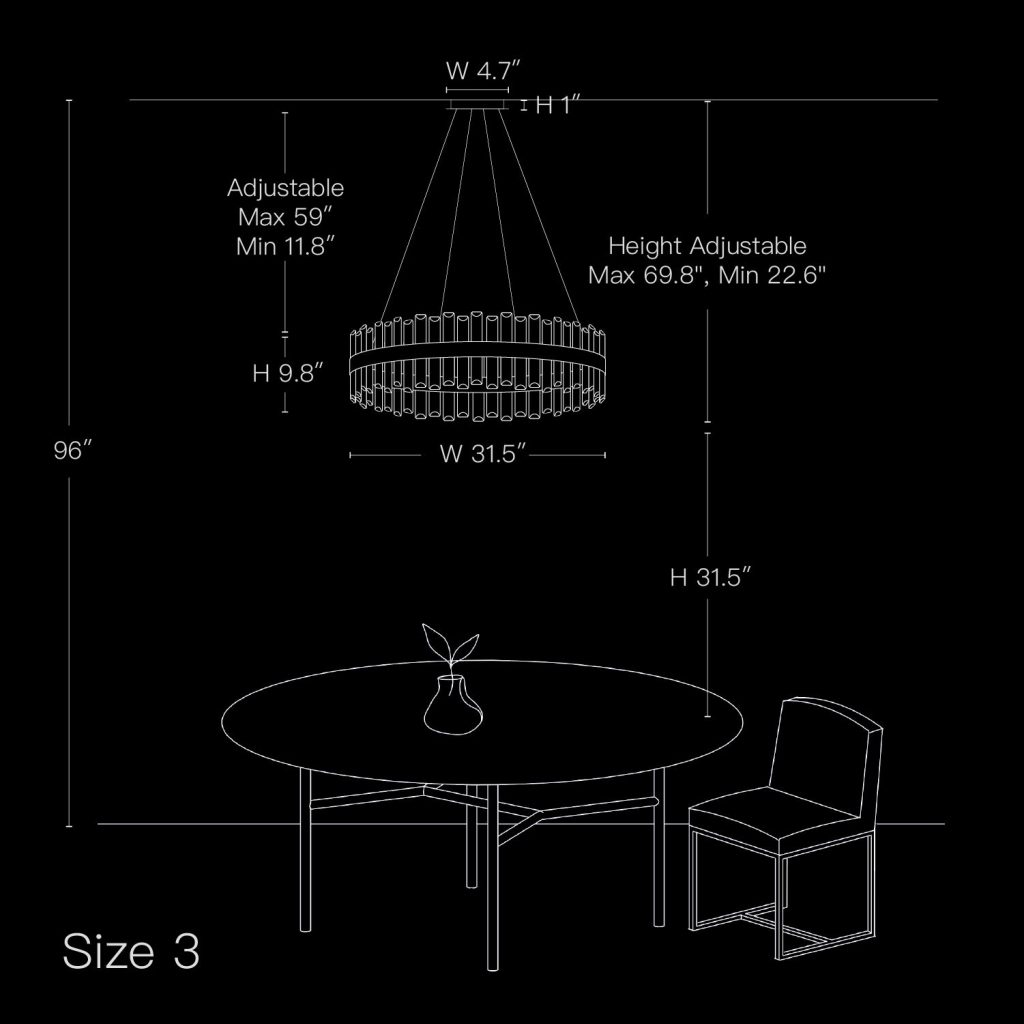
Start by measuring your dining table’s length and width. A common rule is that the chandelier’s diameter should be about half to two-thirds the width of the table. For example, if your table is 72 inches long, look for a chandelier around 36 to 48 inches wide.
Don’t forget to consider the shape of the table. Round tables work well with round or oval chandeliers, while rectangular tables can handle longer or linear fixtures. Matching shapes helps keep the look cohesive and pleasing to the eye.
Consider Room Dimensions
Your dining room size affects chandelier choice just as much as the table size. A small chandelier in a large room can feel lost and leave the space underlit. Conversely, a huge chandelier in a tiny room can overwhelm and crowd the area.
Think about ceiling height too. Low ceilings call for flush or semi-flush mounts, while higher ceilings can support grander, more dramatic chandeliers. How much space do you have to let the chandelier hang without blocking views or movement?
Balance Proportions
Proportions matter beyond just size numbers. The chandelier’s style and visual weight should complement the table and room decor. A delicate, airy fixture might look too insubstantial over a massive, heavy table, while a bulky chandelier can overpower a sleek, minimalist setting.
Ask yourself: does the chandelier create a focal point or does it compete with other elements? Finding the right balance helps the chandelier enhance your dining experience rather than distract from it.

Credit: www.1800lighting.com
Chandelier Height And Placement
Choosing the right height and placement for your chandelier can transform your dining experience. It’s not just about how it looks but also how it feels in your space. Proper positioning ensures your chandelier brightens the table perfectly without interfering with conversations or sightlines.
Ideal Hanging Height
The chandelier should hang about 30 to 36 inches above the dining table surface. This height keeps the light close enough to illuminate the table clearly but high enough to avoid blocking views. If your table is taller or you have a unique setup, adjusting within this range helps balance light and comfort.
Think about your dining habits. Do you often have close conversations or use the table for work? A slightly higher chandelier can keep the space feeling open while still providing ample light.
Centering Over The Table
Center your chandelier directly over the middle of the dining table for the best visual impact. This alignment brings harmony to the room and spreads light evenly. Use the table’s length and width to guide your placement rather than the room’s center.
If your table is rectangular, measure the midpoint from both ends. For round tables, the center point is easier to find but still crucial. You want every guest to enjoy equal lighting without shadows or glare.
Adjusting For Ceiling Height
Ceiling height plays a big role in chandelier placement. For ceilings higher than 8 feet, you can add 3 inches of hanging height for each additional foot above 8 feet. This prevents the chandelier from hanging too low and crowding the space.
On the other hand, if your ceiling is lower, consider a flush or semi-flush mount fixture instead. A bulky chandelier hanging too low can feel cramped and get in the way. Does your ceiling height limit your options, or does it inspire creative solutions?
Styles And Shapes
Choosing the right chandelier style and shape is key to enhancing your dining space. It sets the tone for the room and complements your table perfectly. The right design balances beauty and function, making your dining area inviting and well-lit.
Matching Table Shape
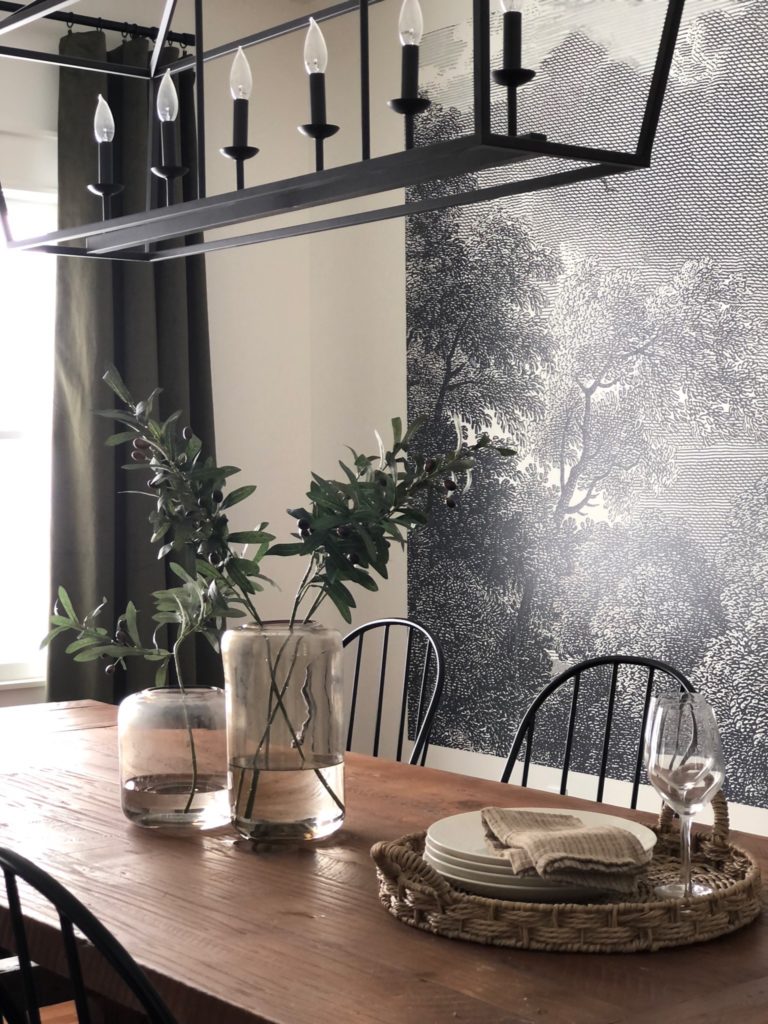
The chandelier shape should echo your dining table’s form. Round tables pair well with circular or drum-shaped chandeliers. Rectangular tables look best with linear or rectangular fixtures. Square tables match well with square or boxy chandeliers. This harmony creates visual balance and a polished look.
Complementing Room Decor
Consider your room’s style when picking a chandelier. Classic rooms suit crystal or ornate designs. Modern spaces favor sleek, minimalist lights. Rustic rooms work well with wrought iron or natural materials. Choose a chandelier that blends with your decor for a unified feel.
Lighting Needs And Ambiance
Think about how much light your dining area requires. Large chandeliers with multiple bulbs brighten big rooms. Smaller fixtures fit cozier spaces and create soft lighting. Adjustable designs help set the mood from bright meals to intimate dinners. Your chandelier should match both size and lighting needs.

Credit: www.hgtv.com
Material And Finish Choices
Choosing the right material and finish affects the chandelier’s look and size perception. Lighter metals and glass create an airy feel, while darker finishes add boldness to your dining space. Select finishes that match your table and room style for a balanced design.
Choosing the right material and finish for a dining table chandelier is crucial. It influences the room’s ambiance and complements your dining space style. Different materials and finishes can elevate the space, reflecting personal taste and functionality.Popular Materials
Chandeliers come in various materials. Each offers a unique charm and durability.- Crystal: Adds elegance and sparkle. Ideal for formal settings.
- Metal: Offers a modern or industrial look. Easy to maintain.
- Glass: Versatile and available in many styles. Fits any decor.
- Wood: Provides a warm, rustic vibe. Perfect for cozy spaces.
Color Coordination
Color harmony is key. It ties the chandelier with the dining room decor.- Match chandelier color with furniture. This creates a cohesive look.
- Use contrasting colors for a bold statement.
- Neutral tones like white or black are timeless and versatile.
Maintenance Tips
Keeping your chandelier pristine enhances its beauty and longevity.- Regular dusting prevents buildup. Use a soft cloth for gentle cleaning.
- For crystal chandeliers, use a mild cleaner. Avoid harsh chemicals.
- Check connections and bulbs. Ensure safety and efficient lighting.
Lighting And Bulb Considerations
Choosing the right chandelier size for your dining table is just the beginning. The lighting and bulb choices you make greatly affect the atmosphere and functionality of your dining space. Understanding brightness levels, energy efficiency, and dimming options can help you create the perfect balance between style and comfort.
Brightness Levels
Brightness is key to setting the mood at your dining table. Too bright, and the light can feel harsh; too dim, and it might be hard to see your food clearly. Aim for a chandelier that provides around 300 to 400 lumens per square meter of your dining area.
Think about how you use your dining room. Do you host lively dinner parties or quiet family meals? This will influence the ideal brightness level for your chandelier.
Energy Efficiency
Energy-efficient bulbs can save you money and reduce your environmental impact. LED bulbs are a great choice since they consume less power and last much longer than traditional incandescent bulbs.
Look for bulbs with the ENERGY STAR label. They maintain brightness without driving up your electricity bill. Switching to efficient bulbs is an easy way to brighten your dining room while being eco-friendly.
Dimming Options
Having dimming options adds flexibility to your chandelier’s lighting. It lets you adjust brightness to match different occasions, from bright family dinners to intimate gatherings.
Ensure your chandelier and bulbs support dimming. Some LEDs require compatible dimmer switches. If you’ve ever struggled with a chandelier that’s too bright or too dull, you know how valuable this feature can be.
Common Mistakes To Avoid
Choosing the right chandelier size for your dining table can be tricky. Many people make avoidable mistakes that throw off the balance and harmony of the entire room. Understanding these common pitfalls will help you create a space that feels just right, not overwhelming or awkward.
Oversized Fixtures
A chandelier that’s too large can dominate your dining area and make it feel cramped. Imagine sitting at the table and constantly bumping your head or feeling like the fixture is swallowing the room. It’s tempting to pick a bold, statement piece, but oversized fixtures often distract rather than impress.
Think about the scale of your dining table and room size before selecting a chandelier. If your table is 6 feet long, a chandelier wider than 24 inches might be too much. You want your fixture to complement, not compete with, your dining setup.
Improper Height
Hanging your chandelier too high or too low ruins both function and style. Too high, and the light won’t properly illuminate the table, leaving shadows where you don’t want them. Too low, and it can block views and make conversations uncomfortable.
A good rule is to hang the chandelier about 30 to 36 inches above the dining table surface. This height provides enough light and keeps the fixture from interfering with your eye line. Have you measured your chandelier height carefully, or are you risking a poor fit?
Ignoring Room Scale
Even if your chandelier fits the table perfectly, ignoring the room’s overall size can throw off balance. A small dining room needs a lighter, less bulky fixture to keep the space open. Conversely, a large room might require a more substantial chandelier to fill the space and avoid looking lost.
Consider the room’s dimensions and ceiling height before you finalize your choice. How does the chandelier look from different angles and distances? Walking around with your eyes focused on the space can reveal if the fixture truly fits the room’s scale.
Installation Tips
Installing a chandelier above your dining table needs careful planning. Proper installation ensures safety and enhances room style. Follow these tips to install your chandelier correctly and securely.
Professional Vs Diy
Hiring a professional electrician guarantees safe, code-compliant installation. Professionals have the tools and experience for complex wiring and mounting. DIY installation can save money but requires basic electrical knowledge. Assess your skills honestly before attempting the job yourself.
Consider the chandelier’s weight and height. Heavier fixtures often need professional help to avoid damage or injury. Small, simple chandeliers might be manageable for confident DIYers.
Safety Precautions
Always turn off power at the circuit breaker before starting work. Use a voltage tester to confirm no electricity flows. Wear safety glasses and gloves to protect your eyes and hands.
Use a sturdy ladder that reaches your ceiling comfortably. Never install a chandelier alone. Have someone assist you by holding the fixture or passing tools.
Wiring And Support
Check the ceiling box’s weight rating. It must support your chandelier’s weight safely. Replace old or weak boxes with a new, strong one if needed.
Follow the wiring instructions carefully. Match wire colors: black to black, white to white, and ground wire to green or bare copper. Secure all wire connections with wire nuts.
Use the mounting bracket supplied with your chandelier. Attach it firmly to the ceiling box with screws. Hang the chandelier using the hook or chain provided. Adjust the length to position the fixture about 30 to 36 inches above the table.
Credit: www.kylieminteriors.ca
Frequently Asked Questions
How To Measure Chandelier Size For Dining Table?
Measure your table’s length and width in inches. Add these two numbers. Convert the sum to feet. This number equals the ideal chandelier diameter in inches for your dining table.
What Chandelier Height Suits Dining Table Lighting?
Hang the chandelier 30 to 36 inches above the dining table surface. This height ensures balanced lighting and keeps the fixture out of sight lines.
Can Chandelier Size Affect Dining Room Aesthetics?
Yes, a properly sized chandelier enhances room balance. Too large overwhelms; too small looks insignificant. Correct size complements table and room dimensions.
Should Chandelier Width Match Dining Table Size?
Ideally, chandelier width should be about half to two-thirds the table width. This proportion creates visual harmony and effective illumination.
Conclusion
Choosing the right chandelier size creates balance and style in your dining room. A chandelier that fits well enhances the table’s look. Too big or too small can feel off. Measure your table and room before buying. Think about the height and space around the fixture.
Proper lighting brings warmth and comfort to meals. A well-sized chandelier adds charm and function. Take your time to pick the perfect fit. Your dining area deserves lighting that feels just right.



