
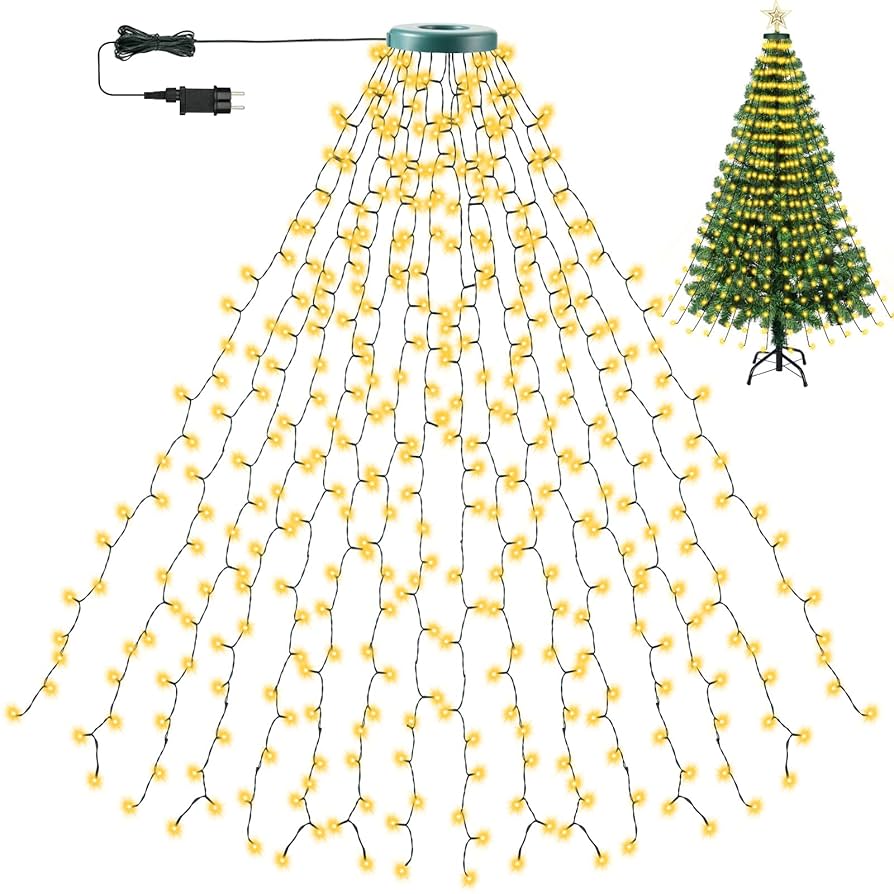
Are you planning to deck out your home with Christmas lights this year? You might be wondering, “How many Xmas lights can I string together without causing problems?” It’s a question that matters more than you think.
Too many lights in one string can lead to blown fuses, flickering, or even safety hazards. But don’t worry—knowing the right number can save you time, frustration, and keep your holiday display shining bright. Keep reading, and you’ll discover simple tips to get your lights perfect and safe every time.
Types Of Xmas Lights
Choosing the right type of Christmas lights affects how many strands you can safely string together. Different lights draw different amounts of power, which directly impacts your decorating options. Understanding the differences between incandescent, LED, and smart lights helps you plan your display without tripping breakers or risking fire hazards.
Incandescent Lights
These classic bulbs have been decorating homes for decades. They use more electricity and generate heat, which limits how many strands you can safely connect. Usually, manufacturers recommend linking no more than 3 to 5 strands together.
If you’ve ever experienced one bulb going out and the entire string dying, you’re familiar with their series wiring. This design means one broken bulb can stop the whole set from lighting up, which can be frustrating during busy decorating days.
Led Lights
LED lights use far less power than incandescent bulbs, so you can connect many more strands safely. It’s common to string up to 20 or even 30 LED strands together, depending on the manufacturer’s guidelines.
They also last longer and stay cool to the touch, reducing fire risks. If you want a big, bright display without worrying about blowing fuses, LEDs are a smart choice.
Smart Lights
Smart Christmas lights take decorating to the next level by letting you control colors and patterns via apps or voice commands. These lights often use LED technology, so they share the same low power consumption benefits.
However, because they include extra electronics for connectivity, the number of strands you can safely link might be lower than standard LED strings. Check the product specs carefully to avoid overloading circuits while enjoying your customizable light show.

Credit: blog.1000bulbs.com
Power Limits For Stringing Lights
Understanding the power limits for stringing Christmas lights is crucial for both safety and performance. Overloading your circuit can cause lights to dim, blow fuses, or worse, create a fire hazard. Knowing the right number of bulbs and their electrical demands helps you decorate confidently without risking damage.
Maximum Bulbs Per String
Most traditional incandescent light strings allow about 50 to 100 bulbs per strand. Exceeding this number can cause voltage drops, making the lights at the end dimmer or flicker. LED strings, however, often support more bulbs because they use less power per bulb.
Check the packaging or manufacturer’s instructions to find the recommended maximum. If you don’t, you might end up with a string of lights that won’t all shine evenly.
Wattage Considerations
Each bulb consumes a certain amount of watts. Incandescent bulbs typically use 5 watts each, while LEDs use about 0.5 watts. Multiply the wattage by the number of bulbs to understand the total power draw of your light string.
For example, a 100-bulb incandescent string can draw around 500 watts. That’s a significant load on your circuit. Knowing this helps you avoid plugging too many strings into one outlet.
Voltage And Amperage
Most household outlets supply 120 volts in the US, but the current (amperage) capacity varies. Common circuits are rated for 15 or 20 amps, which means they can handle roughly 1800 to 2400 watts.
It’s smart to calculate the total amperage your lights will draw. Divide the total wattage by the voltage (amps = watts ÷ volts). Staying well below your circuit’s limit prevents tripped breakers and keeps your display safe.
Safety Tips For Stringing Lights
Stringing Christmas lights creates a magical atmosphere, but safety should always come first. Ignoring basic precautions can lead to electrical hazards, damaged decorations, or even fires. Knowing how to handle your lights properly keeps your home festive and safe.
Avoiding Overloads
Overloading your electrical outlets or light strands can cause overheating and shorts. Pay close attention to the maximum number of light strands you can connect together; this number is often printed on the light packaging.
Use a power strip with a built-in circuit breaker to prevent overloads. If you notice lights flickering or feeling hot, unplug immediately and reduce the load. Have you ever felt a plug warm to the touch? That’s a clear sign you’re pushing the limits.
Proper Use Of Extension Cords
Extension cords are handy but can become hazards if misused. Always choose cords rated for the power your lights need, and avoid running them under rugs or through doorways where they can get pinched.
Check for frayed wires or damaged plugs before use. Using a damaged cord is like inviting trouble. Also, never connect multiple extension cords in a chain—this increases the risk of overheating and fire.
Outdoor Vs Indoor Use
Not all Christmas lights are created equal—some are made strictly for indoor use, others for outdoors. Using indoor lights outside exposes them to moisture and weather, which can cause shorts and shocks.
Look for labels that say “outdoor rated” when decorating your yard or porch. Also, secure your lights properly to prevent wind or rain damage. Have you ever had your decorations fall apart after a storm? Properly rated lights can help avoid that.
Calculating How Many Lights To String
Calculating how many Christmas lights you can safely string together is key to creating a dazzling display without risking electrical problems. It’s not just about fitting as many lights as possible on your tree or roof; it’s about understanding the limits that keep your setup safe and efficient. Let’s break down the practical steps to figure out the right number of lights for your holiday decorating.
Checking Manufacturer Guidelines
Start by looking at the packaging or instructions that came with your light strings. Manufacturers usually specify the maximum number of strings you can connect end-to-end. This limit is based on the design and safety features of the lights, so ignoring it can cause overheating or even electrical fires.
For example, many LED light sets allow up to 50 strings to be connected, while older incandescent sets might only allow 3 to 5. If you’ve lost the original guidelines, check the manufacturer’s website or contact their customer support for the safest advice.
Using Power Ratings
Understanding the wattage of your lights gives you another way to calculate how many strings you can safely connect. Each light string will have a power rating, usually in watts, printed on the packaging or tag. Adding up the wattage helps you stay within the limits of your electrical circuit.
For instance, if your light string uses 40 watts and your circuit can handle 600 watts, you shouldn’t connect more than 15 strings (600 ÷ 40 = 15). This method prevents overloading your outlets or breakers and keeps your display running smoothly.
Estimating Total Load
Don’t forget to account for other electrical devices plugged into the same circuit as your lights. Your holiday decorations might share a circuit with other appliances, which adds to the total load. Overloading the circuit can cause breakers to trip or damage your wiring.
A simple way to estimate the total load is to list all devices plugged into the circuit and their wattage. Add the wattages together and make sure the combined load stays below 80% of your circuit’s rated capacity to allow a safety margin.
Have you ever experienced a breaker tripping while decorating? This usually means the total load was too high. Taking the time to calculate your load keeps your home safe and your lights shining bright all season long.
Common Mistakes To Avoid
Overloading too many lights can cause power issues and fire risks. Ignoring the manufacturer’s limits may damage your lights or outlet. Always check the maximum number of strings allowed for safety.
Decorating your home with Christmas lights can be a delightful holiday tradition. However, making mistakes when setting up those twinkling displays can lead to frustration or even safety hazards. Understanding common pitfalls can save you time and ensure your festive season is merry and bright.Overloading Circuits
One major mistake is plugging too many light strings into a single outlet. This can overload your electrical circuits, leading to blown fuses or tripped breakers. Always check the wattage of your lights and ensure it doesn’t exceed the limit of your circuit. Avoid using multiple extension cords to daisy-chain strings of lights. This can cause overheating and increase the risk of electrical fires. Instead, use a power strip with built-in circuit protection to safely manage multiple connections.Ignoring Weather Conditions
Weather plays a crucial role in outdoor light displays. Using indoor lights outside can lead to moisture damage or short circuits. Always choose weather-resistant lights specifically designed for outdoor use. Consider the local climate when planning your light setup. Windy areas may require additional securing of lights to prevent damage or dislodging. Remember, a little preparation can save a lot of hassle later on.Mixing Different Light Types
Combining LED and incandescent lights may seem harmless, but it can cause uneven brightness and potential overheating. Each type of light has different electrical needs, and mixing them can be inefficient and unsafe. Stick to one type of lighting for a cohesive look and safer setup. If you’re unsure, check the packaging for compatibility guidelines. Have you ever noticed how mismatched lights can disrupt the harmony of a display? Keeping it consistent ensures your decorations shine brightly.
Credit: bigstarlights.ca
Troubleshooting Light Strings
Troubleshooting Christmas light strings is important to keep your decorations shining bright. Lights can stop working for many reasons. Simple checks can save time and money. Knowing how to find and fix issues helps keep your display festive and safe.
Identifying Faulty Bulbs
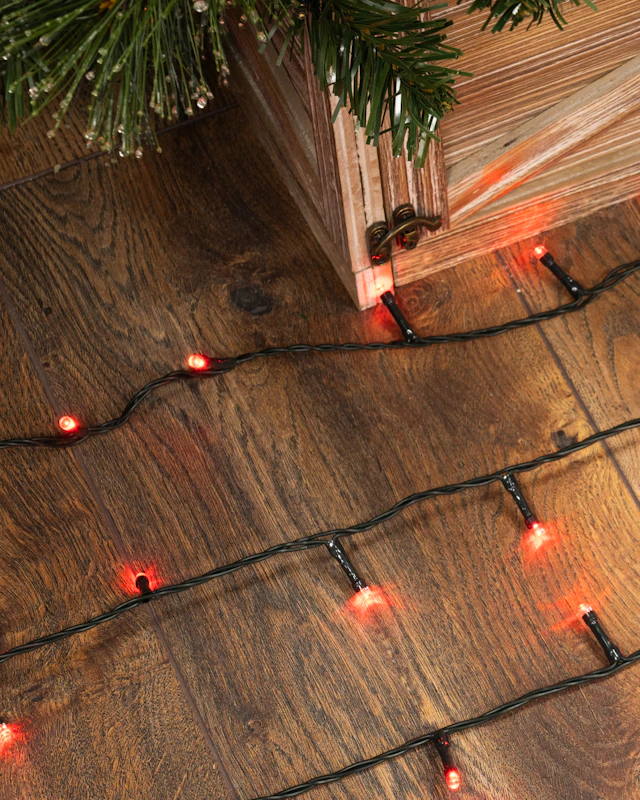
Look for bulbs that are dark or flickering. A faulty bulb can break the circuit and turn off the whole string. Remove each bulb and replace it with a new one. Use a tester to check if the bulb works. Replace any bulb that does not light up.
Fixing Loose Connections
Loose connections cause lights to go off or flicker. Check each plug and socket for tight fit. Push plugs firmly into sockets. Look for frayed wires or bent pins. Straighten pins carefully and secure loose wires with electrical tape.
Replacing Damaged Sections
Damaged wires or sockets can stop the entire string from working. Cut out the damaged section using wire cutters. Strip the ends of the remaining wires. Use wire connectors or solder to join new wire sections. Cover the joints with electrical tape or heat shrink tubing for safety.
Credit: www.christmastreeworld.co.uk
Frequently Asked Questions
How Many Xmas Lights Can I Safely String Together?
Most standard incandescent Xmas lights allow 3-5 strands per outlet. LED lights can usually handle 10-15 strands. Always check the manufacturer’s guidelines to avoid overloading circuits or causing fire hazards.
What Affects The Number Of Xmas Lights I Can Connect?
The type of bulb, wattage, and wire gauge affect the number of lights you can string. LED lights use less power, allowing more strands. Incandescent lights consume more power, limiting the number you can safely connect.
Can I Connect Different Types Of Xmas Lights Together?
It is not recommended to connect different types of Xmas lights together. Mixing LED and incandescent strands can cause electrical issues and safety risks. Use the same type and brand for consistent performance and safety.
How Do I Know If I’m Overloading Xmas Light Strands?
If lights flicker, dim, or outlets trip, you may be overloading strands. Use a power meter or follow manufacturer limits to prevent electrical hazards. Overloading can cause wiring damage and increase fire risk.
Conclusion
Knowing how many Xmas lights to string together keeps your display safe. Check the light strand’s packaging for limits before connecting. Too many lights in one string can cause power problems. Use extension cords and power strips carefully to avoid overloads.
Choose LED lights to save energy and reduce heat. Always test your lights before hanging them outside. Bright, colorful decorations bring joy without risk. Keep these tips in mind for a festive and safe holiday season.



